

Dolichoderus schulzi
- Scientific Name
- Dolichoderus schulzi
- Tribe
- Dolichoderini
- Subfamily
- Dolichoderinae
- Author
- Emery, 1894
- Distribution
- Found in 3 countries
Dolichoderus schulzi Overview
Dolichoderus schulzi is an ant species of the genus Dolichoderus. It is primarily documented in 3 countries , including Brazil, Colombia, Costa Rica. Detailed taxonomic data and occurrence records can be further explored via authoritative databases such as AntWeb or the Global Biodiversity Information Facility (GBIF).
Dolichoderus schulzi
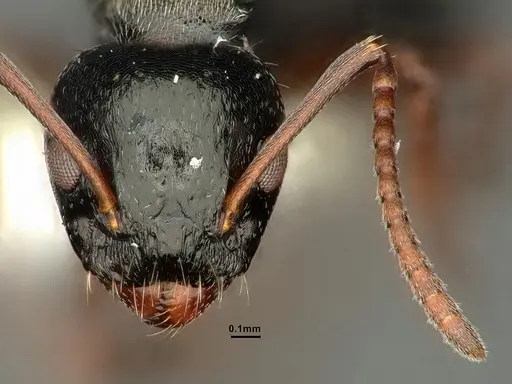
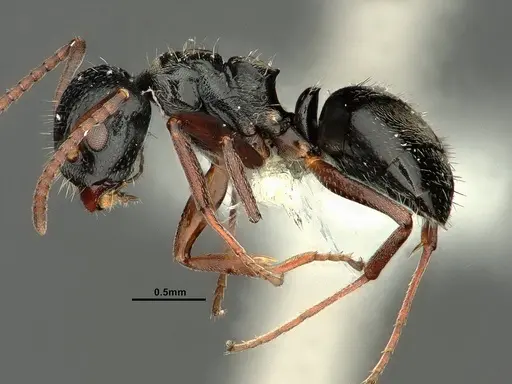
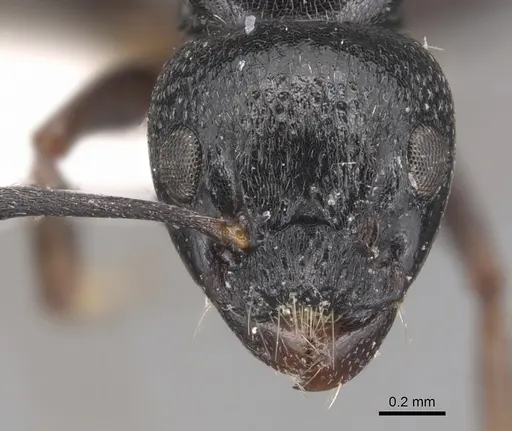
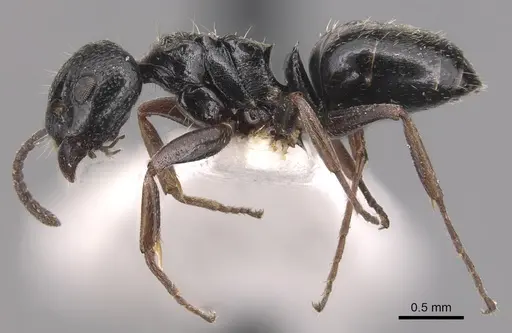
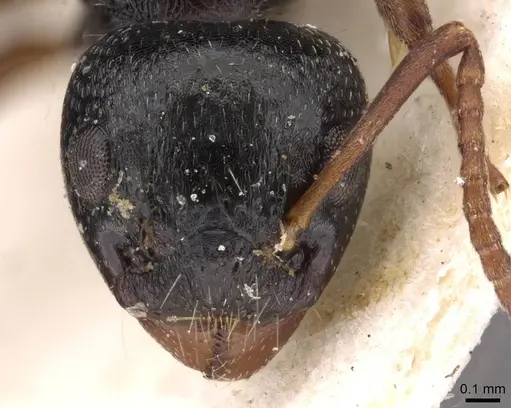
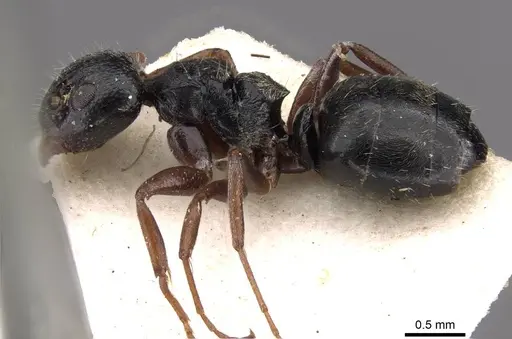
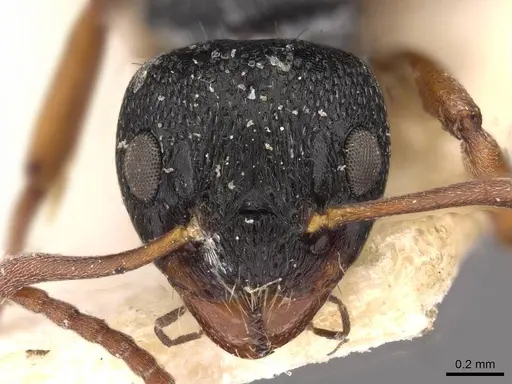
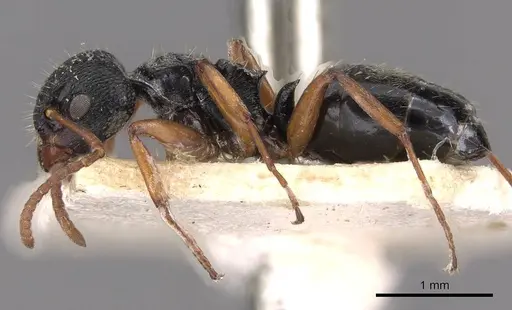
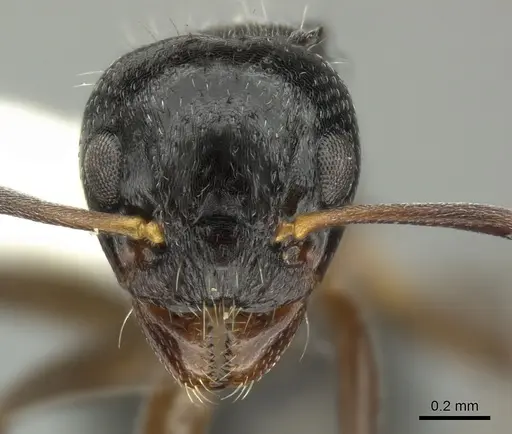
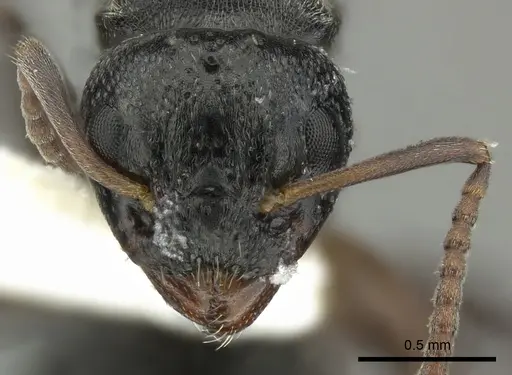
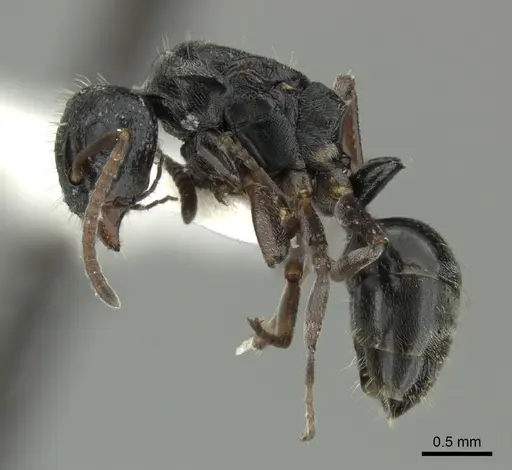
Dolichoderus schulzi is a Neotropical ant species found across Central and South America, including Brazil, Colombia, Costa Rica, and French Guiana. Workers are entirely black with a glossy appearance and have distinctive erect hairs on their back (mesosoma). They measure around 4-6mm as workers, with queens being larger. The propodeum (the section behind the thorax) has a clear transverse flange separating the upper and lower faces, and the petiole (waist) has a small tooth in the middle [1].
This species is arboreal, meaning it lives in trees rather than on the ground. It has been collected from canopy fogging samples in Costa Rica and from fresh tree falls, suggesting it nests in tree hollows or under bark in forest environments [2]. Found at elevations of 1500-1800m in Colombia, these ants likely prefer cooler conditions than typical lowland tropical species [3][1].
Quick Summary
- Difficulty: Medium
- Origin & Habitat: Neotropical region, Brazil, Colombia, Costa Rica, and French Guiana. Found in tropical forest canopies at elevations of 1500-1800m in Colombia [3][1][2].
- Colony Type: Colony structure is unconfirmed. Based on typical Dolichoderus patterns, likely single-queen (monogyne) colonies, though this has not been directly studied.
- Size & Growth:
- Queen: Larger than workers, exact measurements unconfirmed, estimated 6-8mm based on genus [2]
- Worker: Approximately 4-6mm [2]
- Colony: Unknown, no colony size data available
- Growth: Unknown, no development data available for this species
- Development: Unconfirmed, no direct development data exists. Based on typical Dolichoderus patterns in tropical species, estimate 6-10 weeks at optimal temperature. (Development timeline is unconfirmed. Related Dolichoderus species typically complete development in 6-10 weeks under warm tropical conditions.)
- Antkeeping:
- Temperature: Start around 22-26°C. Being found at higher elevations (1500-1800m) in Colombia suggests they can tolerate cooler conditions than typical lowland tropical ants. Monitor colony activity and adjust accordingly.
- Humidity: Keep moderately to high humidity, they come from tropical rainforest environments. Maintain some moisture in the nest substrate, but avoid waterlogging. Arboreal ants often prefer humid conditions with good ventilation.
- Diapause: Unconfirmed, as a tropical species from elevations that don't experience frost, they likely do not require true hibernation. However, a slight reduction in temperature during winter months may be beneficial.
- Nesting: Arboreal species, in captivity they do well in Y-tong (AAC) nests, plaster nests, or naturalistic setups with wood/bark pieces. Provide narrow chambers and vertical spaces that mimic tree hollows. Avoid test tube setups designed for ground-nesting species.
- Behavior: Dolichoderus schulzi is an arboreal species that forages in tree canopies. Workers are moderately active and will defend their nest. They likely feed on honeydew from aphids and scale insects, plus small insects, typical of Dolichoderus genus. Escape prevention should be moderate, they are not extremely small but are agile. Use standard barriers as you would for any ant of this size.
- Common Issues: lack of biological data makes captive care uncertain, this species has not been well-studied in captivity, arboreal nesting requirements differ from typical ground-nesting ant setups, inappropriate housing can stress the colony, high humidity needs combined with ventilation can be tricky to balance, leading to mold problems, wild-caught colonies may have parasites or be stressed from collection, making establishment difficult
Natural History and Distribution
Dolichoderus schulzi is a Neotropical ant species distributed across Brazil, Colombia, Costa Rica, and French Guiana [2]. It has been recorded at elevations between 1500-1800m in the Colombian Andes, specifically in the Antioquia region around Medellín [3][1]. The species has also been found in Costa Rica at La Selva Biological Station and Corcovado National Park, where it was collected from canopy fogging samples and fresh tree falls [2].
This is an arboreal species, meaning it lives and forages in trees rather than on the ground [4]. The arboreal lifestyle distinguishes it from many common pet ant species that nest in soil. In its natural habitat, it likely nests in tree hollows, under loose bark, or in dead wood branches in the forest canopy.
Housing and Nest Preferences
As an arboreal species, Dolichoderus schulzi requires housing that reflects its natural tree-dwelling habits. Y-tong (AAC) nests work well because they provide smooth walls and narrow chambers that simulate tree hollows. Plaster nests or acrylic nests with narrow tunnels also suit this species. Avoid large, open test tube setups that work better for ground-nesting ants.
Provide the colony with vertical space and multiple chambers connected by narrow passages. Include some wood pieces or bark in a naturalistic setup to mimic their natural nesting sites. Ensure the nest has good ventilation while maintaining humidity, arboreal ants often prefer humid conditions but need airflow to prevent mold.
Feeding and Diet
Like other Dolichoderus species, D. schulzi likely feeds on honeydew produced by aphids and scale insects, plus small insects they capture or scavenge. In captivity, offer sugar water or honey as an energy source, along with small protein sources like fruit flies, small crickets, or mealworms.
Feed sugar sources constantly (replace every 2-3 days) and offer protein prey 2-3 times per week. Remove uneaten prey after 24 hours to prevent mold. Since this species is arboreal and may be more active at certain temperatures, adjust feeding frequency based on colony activity and consumption rates.
Temperature and Seasonal Care
Keep Dolichoderus schulzi at temperatures around 22-26°C. The fact that they occur at elevations of 1500-1800m in Colombia suggests they can tolerate cooler conditions than typical lowland tropical ants, but they still need warmth for activity and brood development.
As a tropical species from regions without frost, they likely do not require a true hibernation period. However, slight temperature reductions during winter months (down to around 20°C) may be natural and could benefit the colony. Avoid temperatures below 18°C or above 30°C. Use a heating cable on one side of the nest if room temperature falls below their preferred range, placing it on top of the nest to avoid evaporating moisture too quickly. [3][1]
Colony Establishment and Growth
This species is not commonly kept in captivity, and there is limited information on its founding behavior. Based on typical Dolichoderus patterns, the queen likely seals herself in a chamber and raises the first workers alone (claustral founding), living off stored fat reserves until the nanitic workers emerge.
Growth rate is unknown but likely moderate for a tropical ant. Expect the first workers (nanitics) to emerge within 6-10 weeks under optimal conditions, though this is an estimate based on related species. Colonies probably remain small to moderate in size, as is typical for most Dolichoderus species. Patience is essential when establishing new colonies, as they grow slower than many common pet ant species.
Frequently Asked Questions
How long does it take for Dolichoderus schulzi to produce first workers?
The exact development time is unconfirmed for this species. Based on typical Dolichoderus patterns, expect 6-10 weeks from egg to first worker at optimal temperature (around 24°C). This is an estimate, actual times may vary.
What size colony does Dolichoderus schulzi reach?
Colony size is unknown, no data exists on maximum colony size for this species. Based on typical Dolichoderus genus patterns, colonies likely reach several hundred workers at most, remaining smaller than many common pet ant species.
Can I keep multiple queens together in one colony?
This has not been studied for D. schulzi. The colony structure is unconfirmed, though typical Dolichoderus species are single-queen. It is not recommended to combine unrelated queens, if you obtain multiple founding queens, house them separately until you determine their colony structure.
What nest type is best for Dolichoderus schulzi?
Use an arboreal-appropriate setup like a Y-tong (AAC) nest, plaster nest, or naturalistic setup with wood/bark pieces. Avoid standard test tube setups designed for ground-nesting ants. Provide narrow chambers and vertical spaces.
What temperature do Dolichoderus schulzi need?
Keep them around 22-26°C. Their presence at higher elevations in Colombia (1500-1800m) suggests they can tolerate cooler conditions than typical lowland tropical ants. Start at 24°C and adjust based on colony activity.
Do Dolichoderus schulzi need hibernation?
As a tropical species from regions without frost, they likely do not require true hibernation. A slight temperature reduction during winter months (down to around 20°C) may be beneficial but is not mandatory.
Are Dolichoderus schulzi good for beginners?
This species is not recommended for beginners. It is rarely kept in captivity, and there is limited biological data available. The care requirements are not well-established, and they require arboreal-appropriate housing that differs from common ground-nesting species.
What do Dolichoderus schulzi eat?
Like other Dolichoderus species, they likely feed on honeydew from aphids and scale insects, plus small insects. In captivity, offer sugar water or honey as a constant energy source, along with small protein prey like fruit flies or small crickets 2-3 times per week.
Where is Dolichoderus schulzi found?
This is a Neotropical species found in Brazil, Colombia, Costa Rica, and French Guiana. In Colombia, it has been recorded at elevations of 1500-1800m in the Antioquia region around Medellín.
References

This caresheet is licensed under CC BY-SA 4.0 .
CASENT0644880
View on AntWeb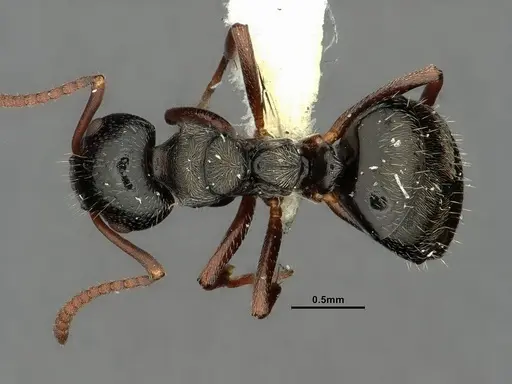
CASENT0905036
View on AntWeb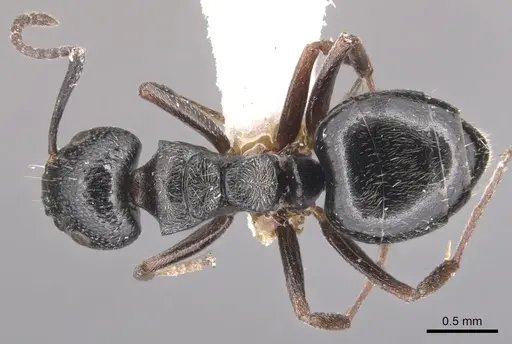
CASENT0909452
View on AntWeb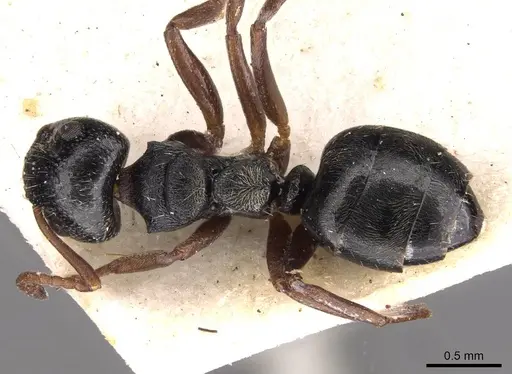
CASENT0909455
View on AntWeb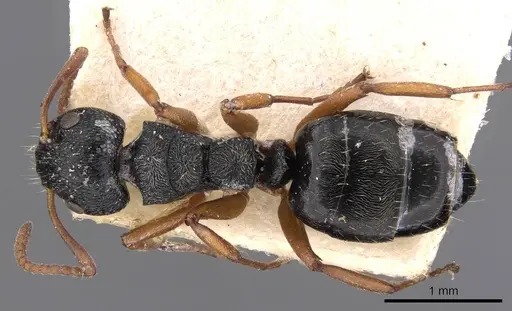
INBIOCRI001276208
View on AntWeb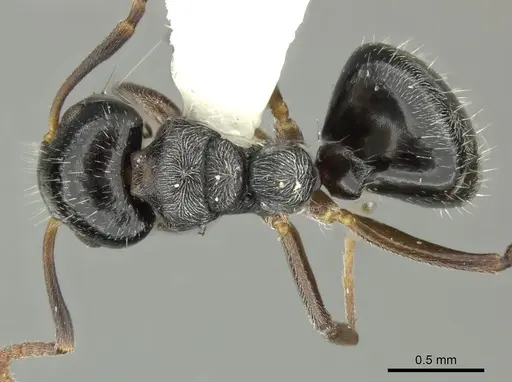
INBIOCRI001277975
View on AntWeb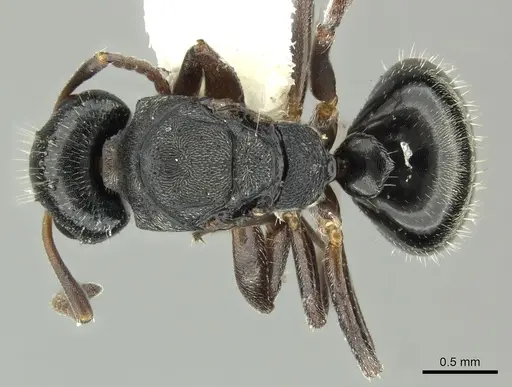
Literature
Loading...Loading products...