

Dolichoderus quadridenticulatus
- Scientific Name
- Dolichoderus quadridenticulatus
- Tribe
- Dolichoderini
- Subfamily
- Dolichoderinae
- Author
- Roger, 1862
- Distribution
- Found in 7 countries
Dolichoderus quadridenticulatus Overview
Dolichoderus quadridenticulatus is an ant species of the genus Dolichoderus. It is primarily documented in 7 countries , including Bolivia, Plurinational State of, Brazil. Detailed taxonomic data and occurrence records can be further explored via authoritative databases such as AntWeb or the Global Biodiversity Information Facility (GBIF).
Dolichoderus quadridenticulatus
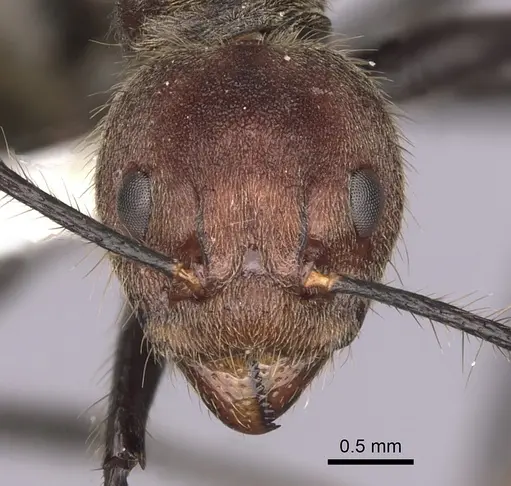
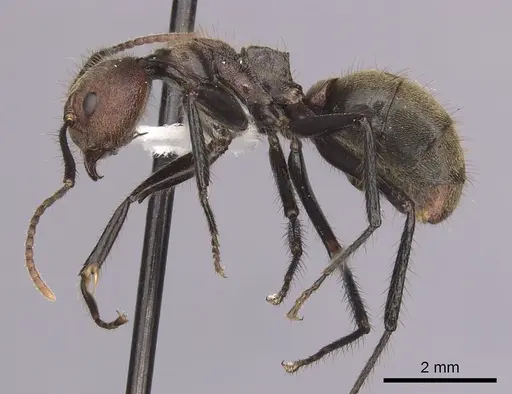
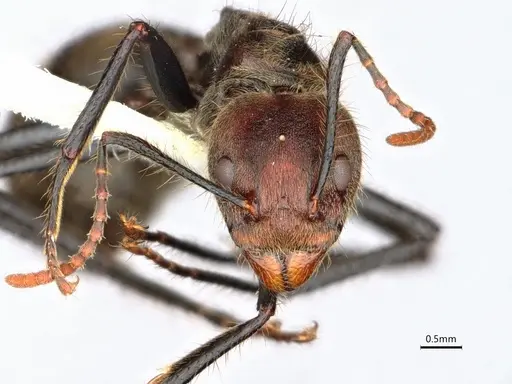
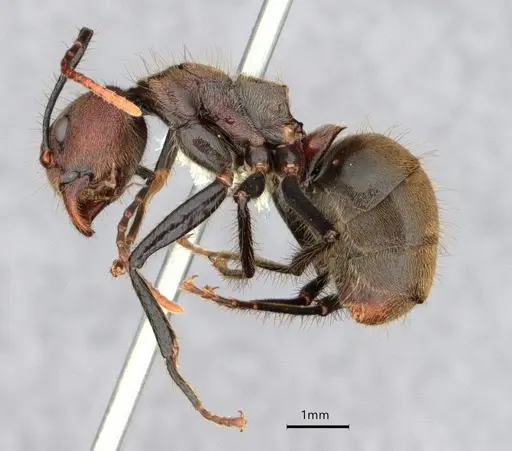
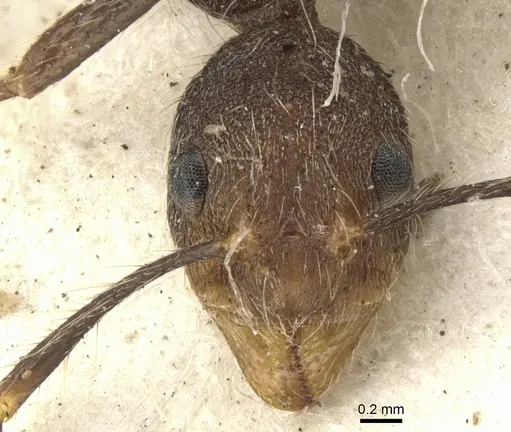
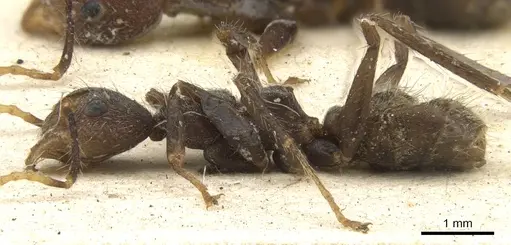
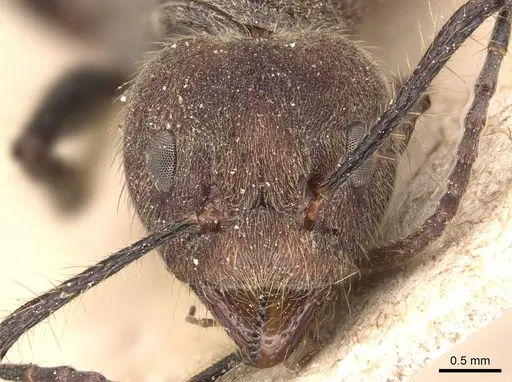
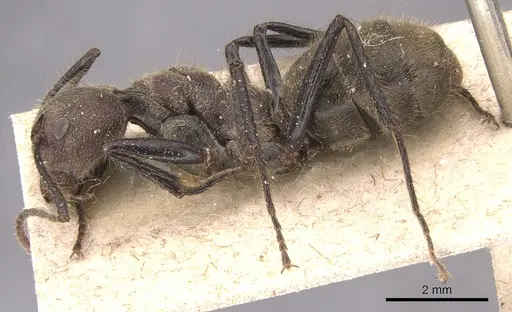
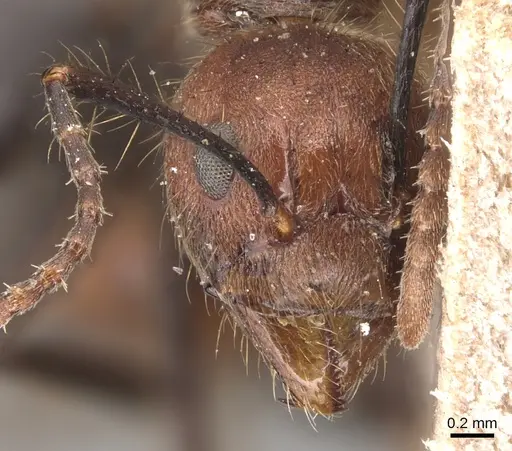
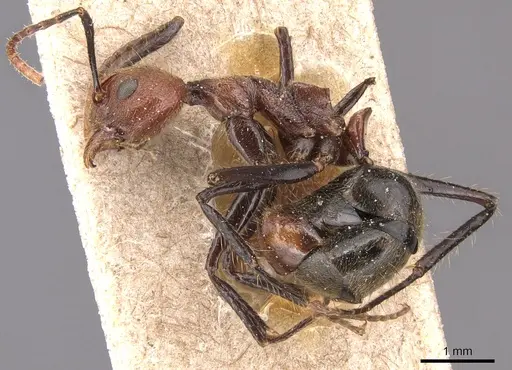
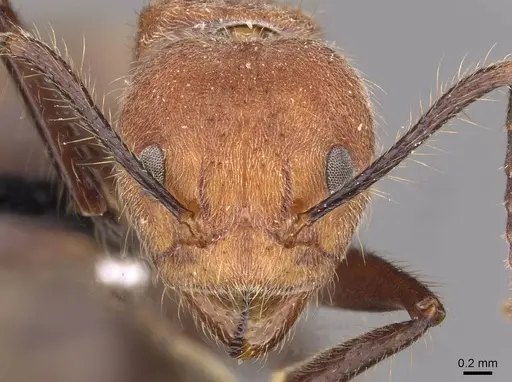
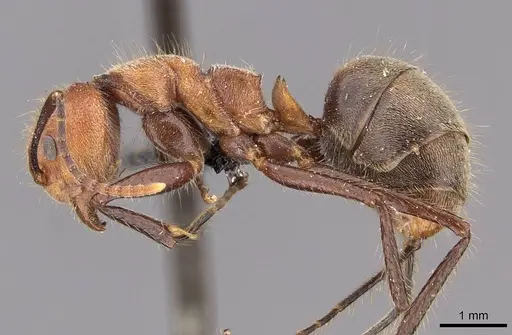
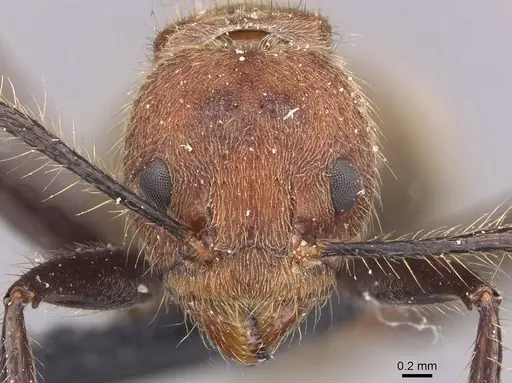
Dolichoderus quadridenticulatus is a Neotropical ant species found across northern South America, from Brazil and Bolivia through Colombia, Ecuador, Peru, and Venezuela. Workers are moderate-sized ants with distinctive morphological features including a heart-shaped head, well-developed propodeal teeth, and a petiole bearing two prominent teeth [1]. The species was originally described as Formica gibbosa in 1858,but that name was preoccupied, leading to the current valid name quadridenticulatus established in 1862 [2]. These ants inhabit lowland tropical forests and have been recorded across the Amazon basin and adjacent regions at elevations typically below 1000 meters [3].
What makes D. quadridenticulatus interesting is its predatory behavior, workers have been observed capturing large flies (7-8mm) between their mandibles, suggesting they are active hunters rather than simple foragers [4]. This places them among the more predaceous Dolichoderus species, which sets them apart from many related ants that focus more on honeydew collection.
Quick Summary
- Difficulty: Medium
- Origin & Habitat: Neotropical forests of South America, found in Brazil, Colombia, Ecuador, Peru, Venezuela, Bolivia, and French Guiana. Inhabits lowland tropical areas up to approximately 1000m elevation, with records from both Amazon rainforest and transitional forest zones [3][1][5].
- Colony Type: Colony structure is not well-documented in scientific literature. The genus Dolichoderus typically forms moderate-sized colonies, but specific data on queen number (monogyne vs polygyne) for this species is lacking.
- Size & Growth:
- Queen: Approximately 6-7mm based on genus-level patterns for Dolichoderus species
- Worker: Workers measure approximately 4-6mm [1]
- Colony: Likely several hundred workers based on typical Dolichoderus colony sizes
- Growth: Moderate, inferred from related species in the genus
- Development: Estimated 6-10 weeks based on typical Dolichoderus development patterns at tropical temperatures (Development time likely faster than temperate species due to tropical origin, aim for 24-28°C for optimal development)
- Antkeeping:
- Temperature: Keep at 24-28°C (warm tropical conditions). A gentle temperature gradient allows workers to regulate their exposure
- Humidity: Moderate to high humidity (60-80%). These ants inhabit tropical forests, so maintain damp but not waterlogged substrate. Provide a water tube for drinking
- Diapause: Unlikely, as a tropical species, they probably do not require a diapause period. However, slight temperature reduction during winter months may be beneficial
- Nesting: In captivity, they do well in Y-tong (AAC) nests or plaster formicaria with tight-fitting chambers. Provide moderate chamber sizes scaled to colony size. Natural nesting occurs in rotting wood and soil cavities
- Behavior: D. quadridenticulatus shows active predatory behavior, with workers documented catching large flies in the wild [4]. They are likely more aggressive in defense of the colony compared to some other Dolichoderus species due to their hunting lifestyle. Workers are moderately sized and can escape through small gaps, use standard escape prevention. They likely forage actively across the outworld and may form trails to food sources like many Dolichoderus species do.
- Common Issues: tropical species may decline if kept too cool, maintain warmth, predatory diet means they need live prey items, not just sugar water, small colony sizes initially make them vulnerable to stress, escape prevention needed, workers can fit through standard barrier gaps, humidity control is important, too dry causes problems, too wet promotes mold
Housing and Nest Setup
Dolichoderus quadridenticulatus does well in standard ant keeping setups. Y-tong (acrylic aerated concrete) nests work excellently for this species, providing the dark, humid environment they prefer. Plaster nests or test tube setups with multiple chambers can also work well. The key is maintaining consistent humidity without flooding, these are forest ants, not aquatic species. Provide an outworld area where workers can forage, with easy access to food and water sources. Use a water test tube with a cotton wick to ensure constant access to fresh water. Escape prevention should be standard, while not among the smallest ants, they can still squeeze through gaps in poorly maintained setups.
Feeding and Diet
Based on the documented predatory behavior of this species, their diet should emphasize protein sources. Workers have been observed capturing large flies in the wild [4], indicating active hunting behavior. In captivity, offer small live insects such as fruit flies, small crickets, mealworms, and other appropriately-sized arthropods. Sugar sources like honey water or sugar water should also be available, as many Dolichoderus species supplement their diet with honeydew and nectar. A varied diet is best, offer protein prey 2-3 times per week and keep sugar water constantly available. Remove uneaten prey after 24-48 hours to prevent mold issues.
Temperature and Seasonal Care
As a Neotropical species from lowland Amazonian and transitional forests, D. quadridenticulatus requires warm conditions. Maintain temperatures between 24-28°C for optimal colony health and development. Temperatures below 22°C may slow activity and brood development significantly. A heating cable or mat on one side of the nest can create a beneficial temperature gradient, allowing ants to self-regulate. Unlike temperate species, these ants do not require a true hibernation diapause. However, slight seasonal variations are natural, you might allow temperatures to drop a few degrees during what would be winter in your region, but maintain warmth year-round for best results.
Behavior and Colony Dynamics
This species appears to be more actively predatory than many related Dolichoderus ants, which typically focus more on honeydew collection. The observation of workers capturing 7-8mm flies demonstrates active hunting behavior [4]. Colonies likely establish single queens (likely claustral founding) and grow to moderate sizes of several hundred workers. Workers are moderately aggressive in defending the colony but not considered dangerous to humans, they lack potent stingers and are too small to cause meaningful pain. The genus is known for forming foraging trails and communicating food discoveries to nestmates, so expect active outworld exploration once the colony is established.
Growth and Development
Specific development timelines for D. quadridenticulatus have not been documented in scientific literature. However, based on typical Dolichoderus patterns and their tropical distribution, expect eggs to develop into workers within 6-10 weeks at optimal temperatures (around 26°C). First workers (nanitics) will be smaller than mature workers and may take some time to reach full size. Growth rate is moderate, not among the fastest growing ants, but steady under good conditions. The key factors for successful development are maintaining warm temperatures (24-28°C), providing adequate humidity, and ensuring a steady supply of protein-rich food for the queen and developing brood.
Frequently Asked Questions
How long does it take for Dolichoderus quadridenticulatus to produce first workers?
Based on typical Dolichoderus development patterns, expect first workers (nanitics) to emerge within 6-10 weeks after the queen lays eggs, provided temperatures are maintained at 24-28°C. This is an estimate as specific development data for this species is not documented.
What do Dolichoderus quadridenticulatus ants eat?
They are predatory ants that actively hunt insects. Feed small live prey like fruit flies, small crickets, and mealworms. They also accept sugar sources like honey water. Provide protein prey 2-3 times per week and keep sugar water constantly available.
What temperature should I keep Dolichoderus quadridenticulatus at?
Keep them warm at 24-28°C. As a Neotropical species from lowland forests, they need tropical conditions. Avoid temperatures below 22°C for extended periods.
Do Dolichoderus quadridenticulatus need hibernation?
No, they do not require hibernation or diapause. As a tropical species, they remain active year-round with consistent warmth. Slight temperature reductions during winter months are acceptable but not necessary.
Are Dolichoderus quadridenticulatus good for beginners?
They are considered intermediate in difficulty. They require warm temperatures and a predatory diet, which is more demanding than some beginner species. They are not the hardest species, but beginners should research their specific needs before acquiring a colony.
How big do Dolichoderus quadridenticulatus colonies get?
Based on typical Dolichoderus colony sizes, they likely reach several hundred workers at maturity. Specific maximum colony size for this species has not been documented.
Can I keep multiple Dolichoderus quadridenticulatus queens together?
The colony structure for this species is not well-documented. Based on typical Dolichoderus behavior, they likely form single-queen colonies. Combining unrelated queens is not recommended as aggression is likely.
When should I move my Dolichoderus quadridenticulatus colony to a formicarium?
Start them in a test tube setup for founding. Once the colony reaches 20-30 workers and you see consistent activity, you can transfer to a Y-tong or plaster nest. Ensure the new setup has appropriately sized chambers.
Why are my Dolichoderus quadridenticulatus dying?
Common causes include: temperatures too low (below 22°C), too dry conditions, lack of protein prey, or stress from disturbance. Check that warmth, humidity, and food are adequate. Also ensure they are not being exposed to pesticides or other contaminants.
References

This caresheet is licensed under CC BY-SA 4.0 .
CASENT0191024
View on AntWeb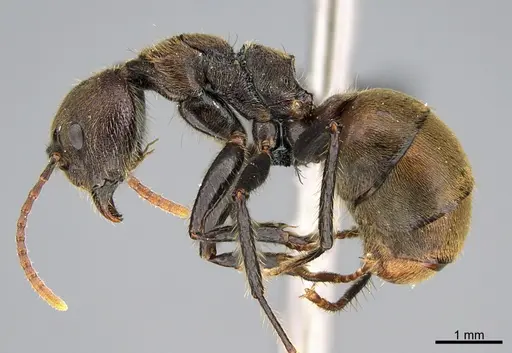
CASENT0217400
View on AntWeb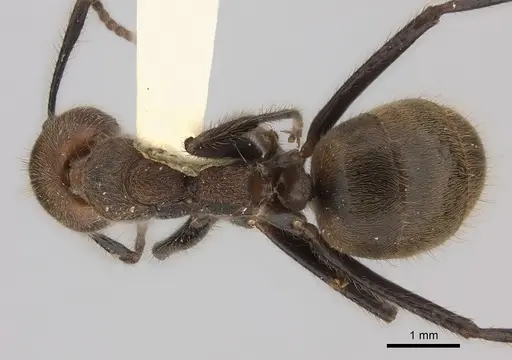
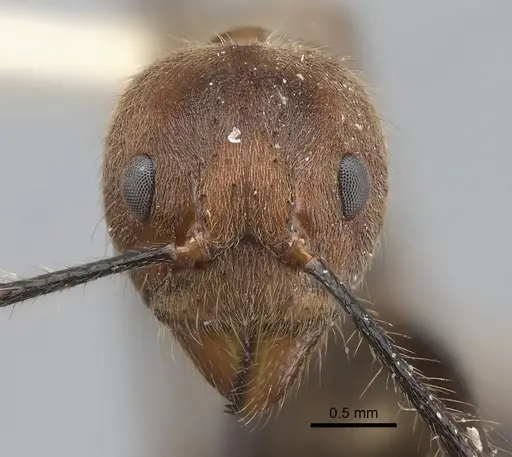
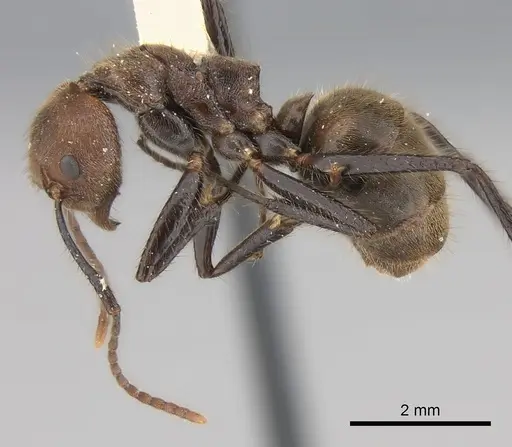
CASENT0249637
View on AntWeb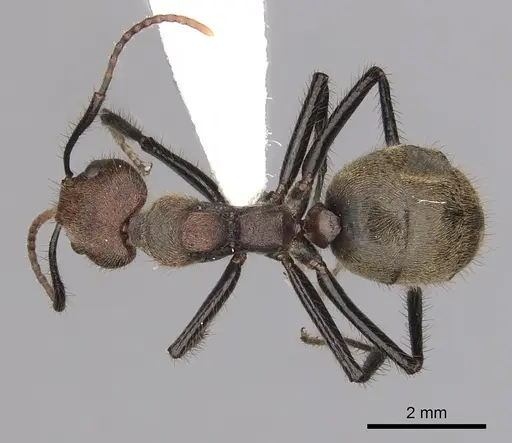
CASENT0886020
View on AntWeb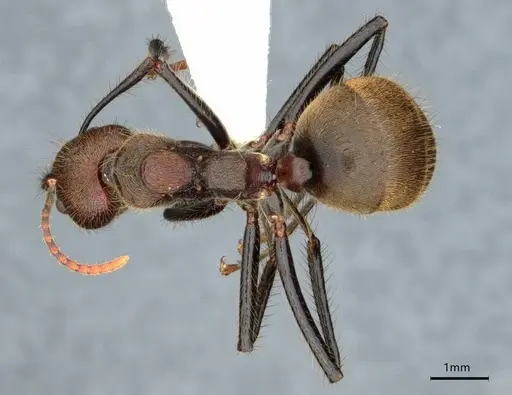
CASENT0902945
View on AntWeb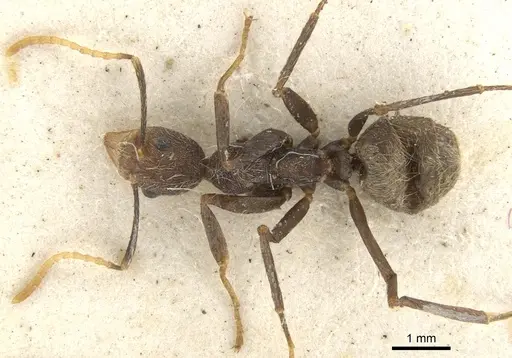
CASENT0905027
View on AntWeb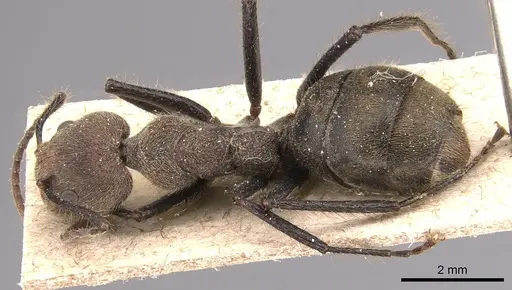
CASENT0905029
View on AntWeb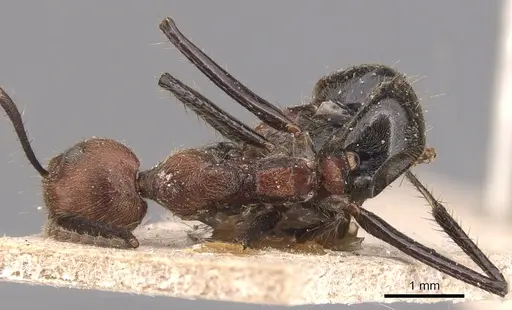
CASENT0909468
View on AntWeb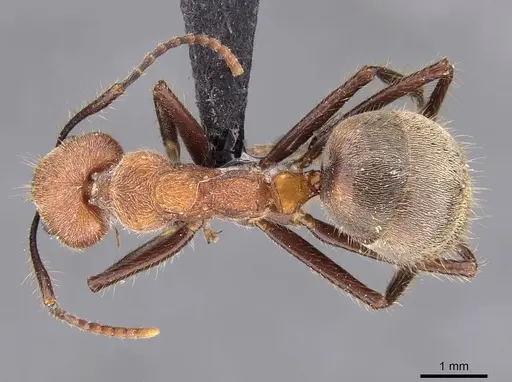
CASENT0909469
View on AntWeb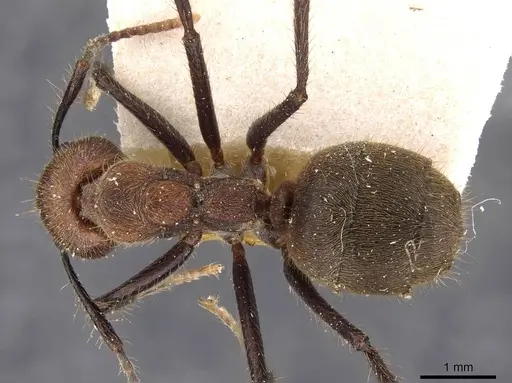
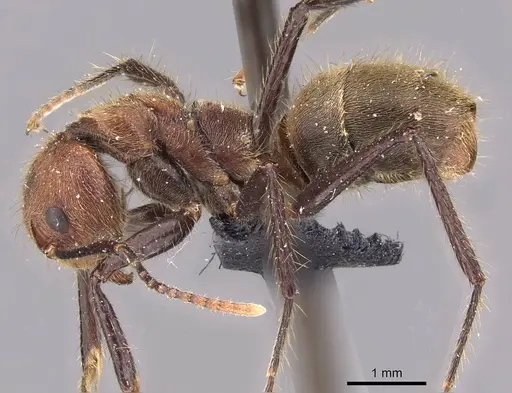
ECOFOG-HC-0032
View on AntWeb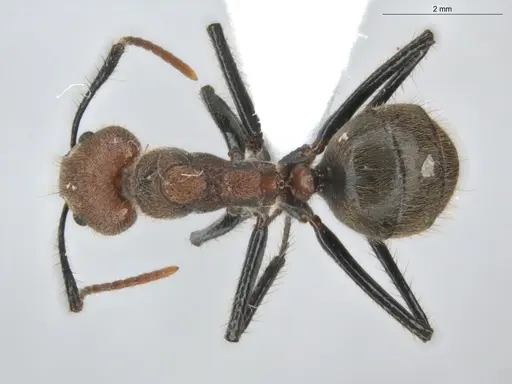
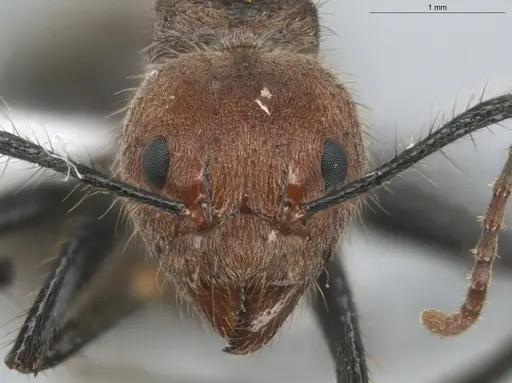
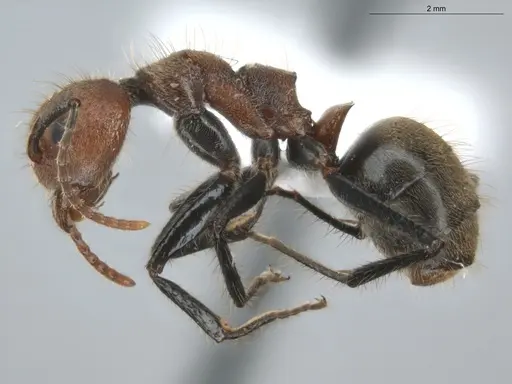
Literature
Loading...Loading products...