

Dolichoderus pustulatus
- Scientific Name
- Dolichoderus pustulatus
- Tribe
- Dolichoderini
- Subfamily
- Dolichoderinae
- Author
- Mayr, 1886
- Common Name
- Bog Odorous Ant
- Distribution
- Found in 2 countries
Dolichoderus pustulatus Overview
Dolichoderus pustulatus (commonly known as the Bog Odorous Ant) is an ant species of the genus Dolichoderus. It is primarily documented in 2 countries , including Canada, United States of America. Detailed taxonomic data and occurrence records can be further explored via authoritative databases such as AntWeb or the Global Biodiversity Information Facility (GBIF).
Dolichoderus pustulatus - "Bog Odorous Ant"
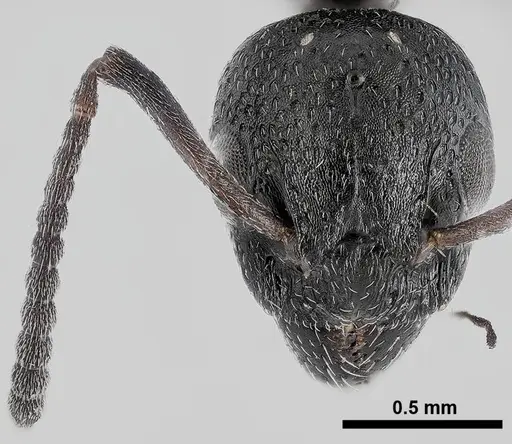
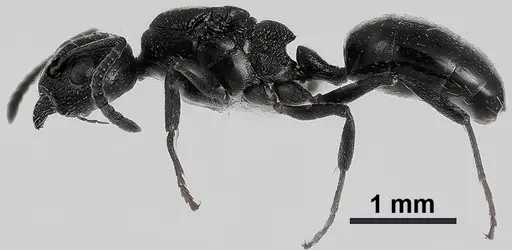
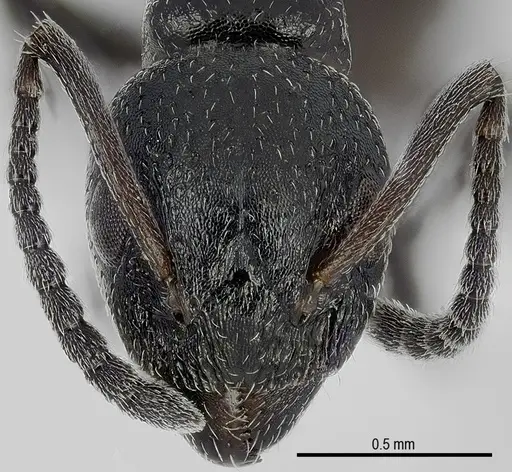
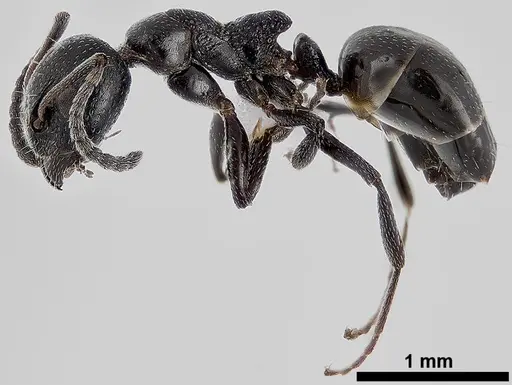
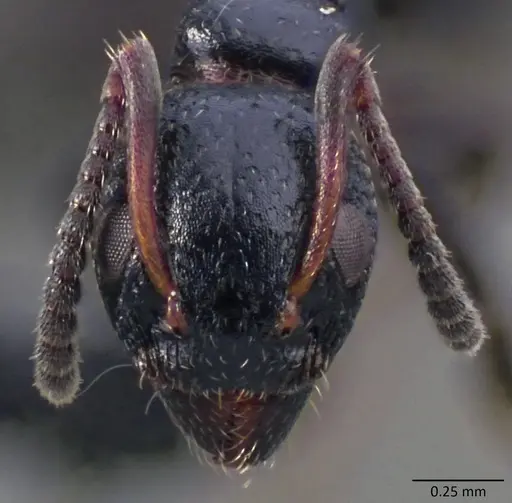
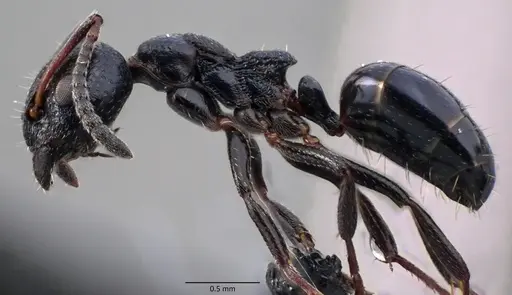
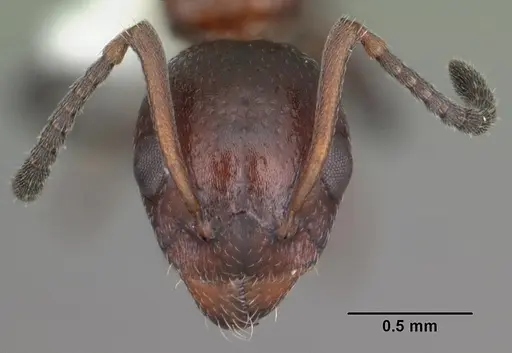
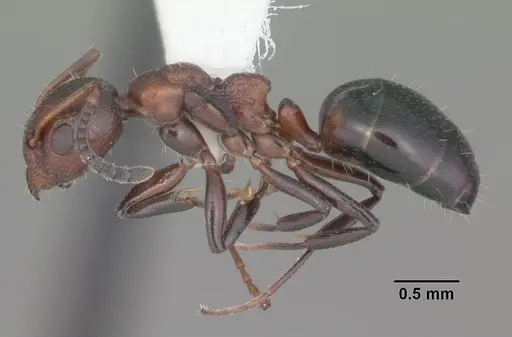
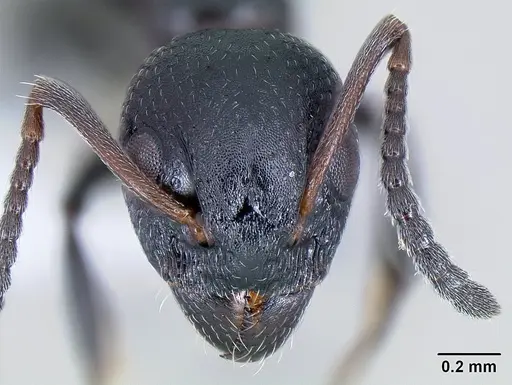
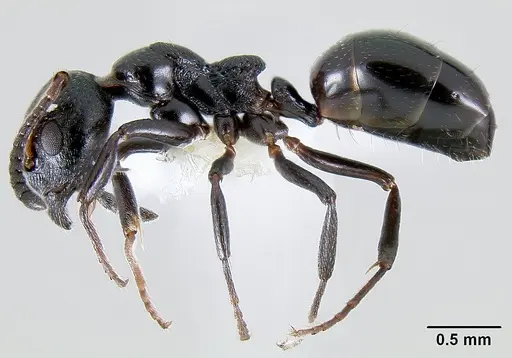
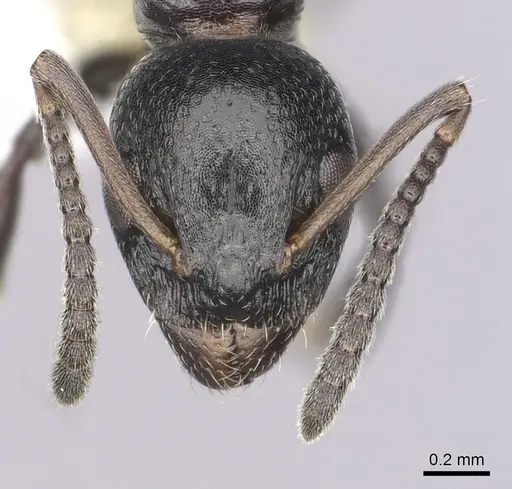
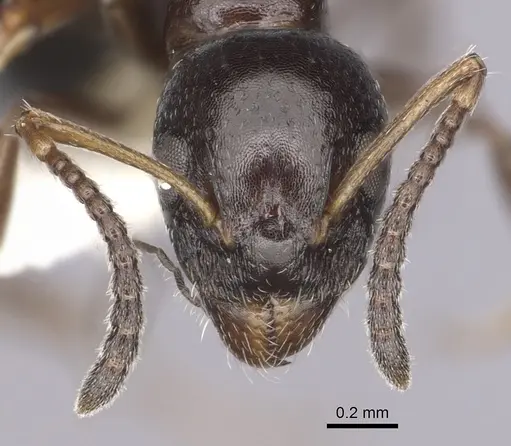
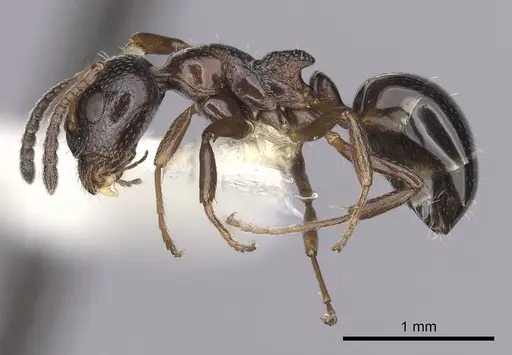
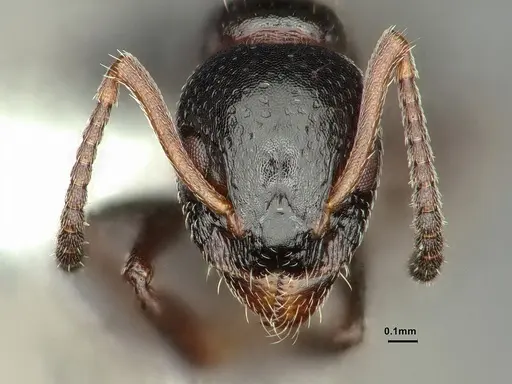
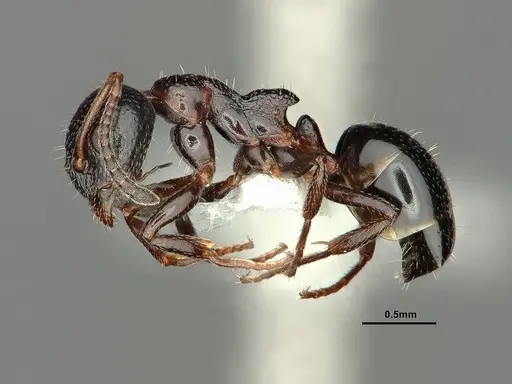
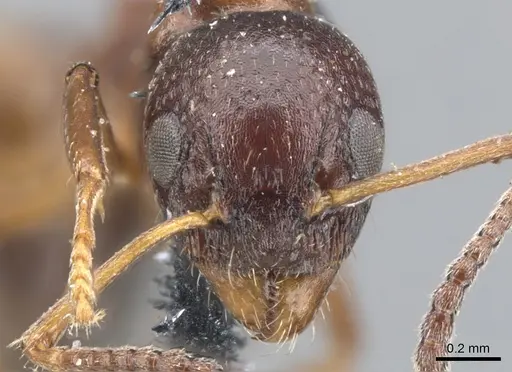
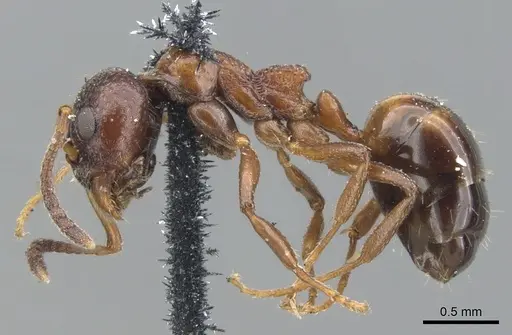
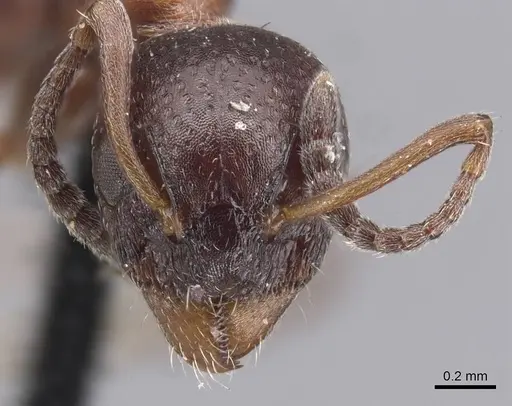
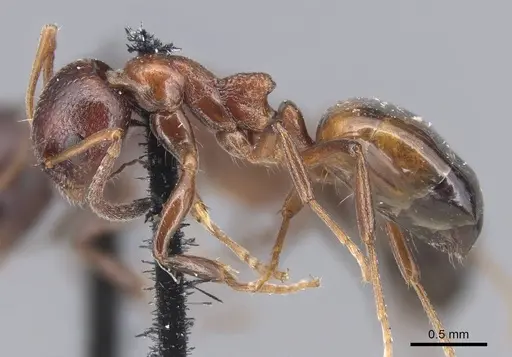
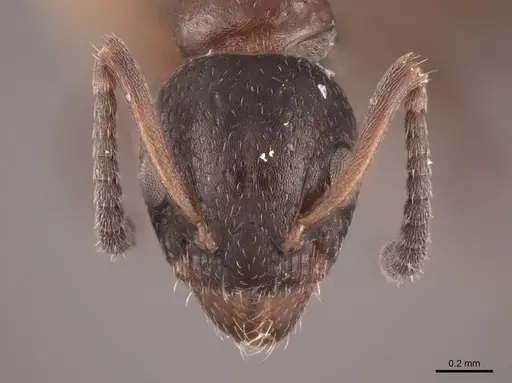
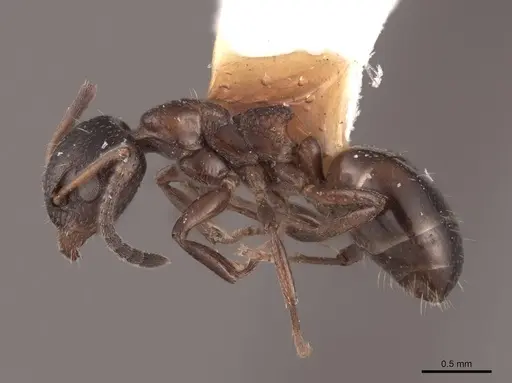
Dolichoderus pustulatus is a small, dark ant native to eastern North America, ranging from Nova Scotia down to Florida and west to Oklahoma. Workers measure 3.1-3.8mm and are typically very dark reddish-brown to black, though southern populations show striking bicolored patterns with brownish-orange heads and legs. This species is a bog specialist, preferring wet habitats like peat bogs, fens, marshes, and swamp edges where it nests in hollow stems, grass clumps, and decaying vegetation. Colonies are small, usually containing a few hundred workers with a single queen. Unlike many ants, they don't build underground nests in the north, instead they construct carton nests in vegetation above ground.
Quick Summary
- Difficulty: Medium
- Origin & Habitat: Eastern North America, Nova Scotia to Florida, west to Oklahoma. Found in wet open habitats including peat bogs, fens, marshes, and swamp edges [1][2].
- Colony Type: Monogyne (single-queen colonies). Colonies typically have one or two dealate females, though up to nine have been recorded. Workers are monomorphic, all the same size [3][2].
- Colony: Monogyne
- Size & Growth:
- Queen: 5.0-6.0mm [4]
- Worker: 3.1-3.8mm [2]
- Colony: Up to ~800 workers [2]
- Growth: Moderate, small colonies develop slowly
- Development: Unknown, no direct data available. Based on related Dolichoderus species and temperate development patterns, expect 6-10 weeks at optimal temperature. (Alates (reproductives) develop from late June through September, with adult alates appearing mid-July to mid-September [5].)
- Antkeeping:
- Temperature: Keep at 20-24°C. Dolichoderines are warmth-loving, and this species tolerates warm conditions [6]. A gentle gradient allowing workers to choose their preferred temperature is ideal.
- Humidity: High humidity is essential, these are bog ants. Keep nest substrate consistently moist but not waterlogged. Provide a water tube and mist occasionally, but ensure ventilation to prevent mold.
- Diapause: Yes, given their northern range extending into Canada, a winter rest period is likely needed. Reduce temperature to 10-15°C for 3-4 months during winter.
- Nesting: In captivity, they do well in naturalistic setups with plant material, or in acrylic/plaster nests with moisture chambers. They prefer enclosed spaces with some plant debris or grass stems to mimic their natural nest sites. Test tubes work for founding colonies but may need transitioning to larger setups as colonies grow.
- Behavior: Workers are active foragers that search for honeydew and tend aphids on low vegetation. They are not aggressive and rarely sting. Workers can squeeze through small gaps despite their moderate size, use standard escape prevention. They forage on foliage and along ground-level paths. Colonies are small and relatively quiet compared to more active species.
- Common Issues: small colony size means slow growth, don't expect rapid expansion, humidity requirements are critical, too dry and colonies decline quickly, arboreal nesting in southern populations means they may need plant material or elevated chambers, escape prevention needed, workers can fit through standard gaps if not careful, winter die-off if diapause conditions aren't provided for northern populations
Housing and Nest Preferences
Dolichoderus pustulatus has unusual nesting habits that differ between northern and southern populations. In the north (Ohio, Michigan, Indiana), they nest at the bases of grass clumps using carton material, in hollow stems, curled leaves, and among dead pine needles or detritus at ground level [1][5]. In the south (Florida, Georgia), they are entirely arboreal, nesting in cavities of smaller limbs in hardwoods around swamps and marshes, usually at least 1.4m above ground [1].
For captive care, a naturalistic setup works best, a container with moist soil, dried grass stems, and small pieces of wood or cork provides ideal nesting sites. You can also use a Y-tong or plaster nest with a moisture chamber, but add some dried plant material for them to incorporate. Test tubes work for founding colonies but expect to move them to larger quarters within a year. Keep the nest humid but ensure some ventilation to prevent mold.
Feeding and Diet
In the wild, these ants are opportunistic feeders with a strong preference for honeydew. Workers tend aphids and membracids on vegetation, they've been recorded tending Publilia reticulata on ironweed and aphids on jewelweed [2]. They also collect nectar from flowers and likely scavenge small insects.
In captivity, offer sugar water or honey water as a constant energy source. For protein, provide small insects like fruit flies, pinhead crickets, or mealworms. They may accept commercial ant foods but live prey encourages natural foraging behavior. Feed protein 2-3 times per week and keep sugar water available at all times. Remove uneaten prey after 24 hours to prevent mold.
Temperature and Seasonal Care
Dolichoderines are extreme warmth-loving species [6]. Keep your colony at 20-24°C with a gentle temperature gradient so workers can regulate their own conditions. Room temperature in most homes (20-22°C) is suitable. Avoid temperatures below 18°C for extended periods.
Given their range extending into Canada, a winter diapause is necessary. From late October through early April, reduce temperature to 10-15°C (a garage or basement often works). Reduce feeding during this period but keep water available. This rest period supports healthy colony development and reproductive production the following season.
Colony Development and Reproduction
Colonies are small compared to many common ant species, typically a few hundred workers, with maximum recorded around 800 [2]. Each colony has a single queen (monogyne) [3]. This means your colony won't reach the massive sizes of Lasius or Camponotus species, but the smaller colony size makes them manageable in modest setups.
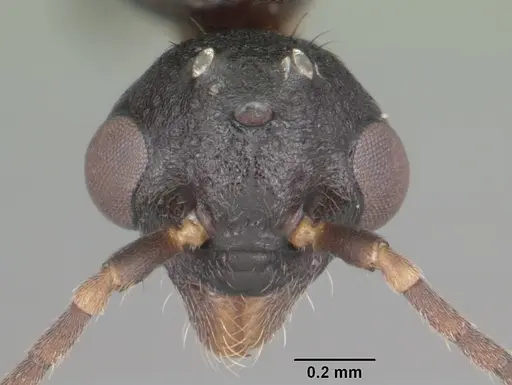
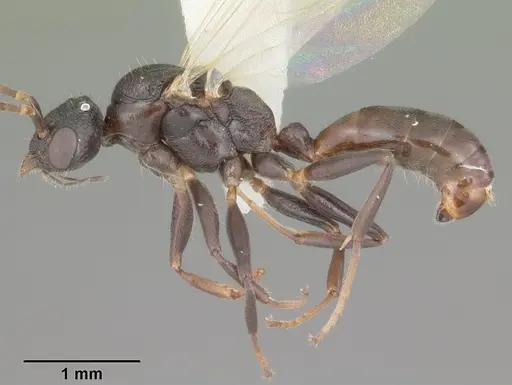
Alates (winged reproductives) develop from late June through September. Alate pupae appear from June 26 to August 27,with adult alates emerging between July 11 and September 15 in Michigan [5]. Males appear from early August through mid-September. If you want to propagate colonies, this is when nuptial flights occur, late July to September across their range [2].
Behavior and Foraging
Workers are active foragers that search for food on low vegetation and along the ground. Unlike some ants that create obvious foraging trails, D. pustulatus workers tend to forage individually across surfaces. They are not aggressive and lack a painful sting, making them safe to handle.
Their moderate size (3-4mm) means they can squeeze through small gaps, use standard escape prevention with fluon barriers on any setup. Workers are most active during warm, humid conditions and may become less active in cooler or drier environments. They do well with a small outworld connected to their nest, allowing them to forage for prey and sugar sources. [2][1]
Frequently Asked Questions
Is Dolichoderus pustulatus a good beginner ant?
They are moderate difficulty. Their small colony size and specific humidity needs make them slightly more challenging than common species like Lasius. However, they are peaceful, don't sting, and their modest colony size means they stay manageable. If you can maintain consistent humidity and provide a proper winter rest, they are rewarding.
How long does it take for the first workers to appear?
The exact timeline is unconfirmed for this species, but based on related Dolichoderus patterns, expect 6-10 weeks from egg to worker at room temperature. Development is tied to temperature, warmer conditions speed it up, cooler slow it down.
Do Dolichoderus pustulatus need hibernation?
Yes, given their northern range extending into Canada and New England, a winter rest period is recommended. Reduce temperature to 10-15°C from roughly October through April, or about 3-4 months. This mimics their natural seasonal cycle and supports healthy colony development.
Can I keep multiple queens together?
No. This species is monogyne, single-queen colonies [3]. Multiple queens will fight. If you catch a foundress, keep her alone until she establishes a colony. Only introduce a queen to an existing colony if you are certain the species is polygynous, which D. pustulatus is not.
What do Dolichoderus pustulatus eat?
They primarily eat honeydew and sugar sources in the wild. In captivity, offer constant sugar water or honey water, plus protein from small insects like fruit flies, pinhead crickets, or mealworms 2-3 times weekly. They will also scavenge dead insects.
How big do colonies get?
They remain relatively small, typically a few hundred workers, with maximum recorded around 800 [2]. This is modest compared to many ants, but the colonies are long-lived and sustainable in smaller enclosures.
What type of nest should I use?
A naturalistic setup with dried grass stems, cork, or small wood pieces works best to mimic their natural nest sites. They also do well in acrylic or plaster nests with moisture chambers. Test tubes work for founding but transition to larger setups as the colony grows.
Why are my ants dying?
The most common causes are: too dry conditions (they're bog ants, keep substrate moist), improper temperature (they need warmth, not cool conditions), or lack of winter rest (northern populations need diapause). Check humidity first, dry conditions quickly kill these moisture-loving ants.
Where is this species found in the wild?
Eastern North America from Nova Scotia to Florida, west to Oklahoma. They live in wet habitats like peat bogs, fens, marshes, swamp edges, and low fields bordering wetlands. They are considered bog specialists [6][1].
References

This caresheet is licensed under CC BY-SA 4.0 .
ANTWEB1041577
View on AntWeb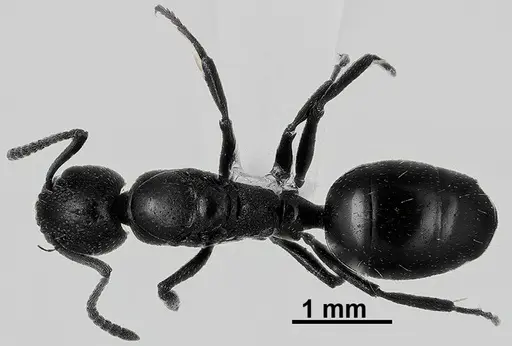
ANTWEB1041578
View on AntWeb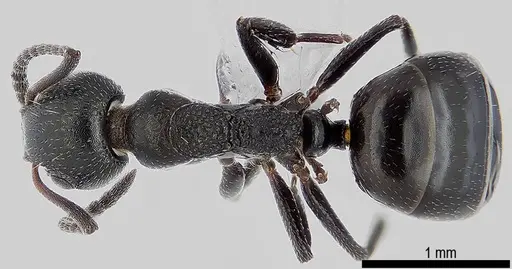
ANTWEB1060083
View on AntWeb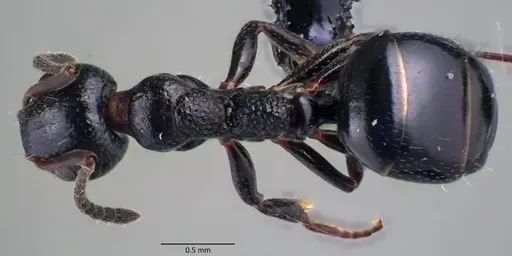
CASENT0103853
View on AntWeb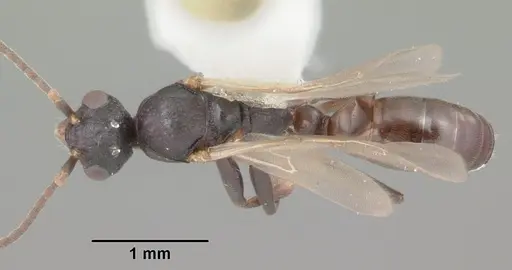
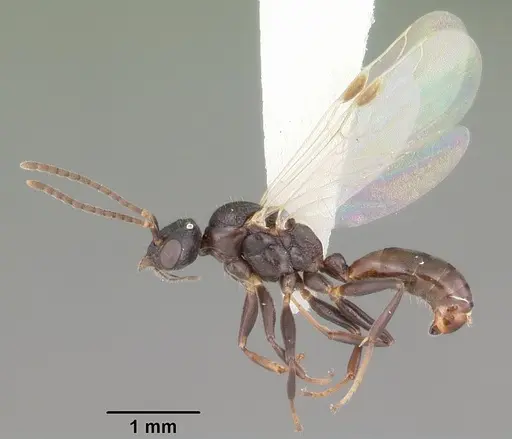
CASENT0103854
View on AntWeb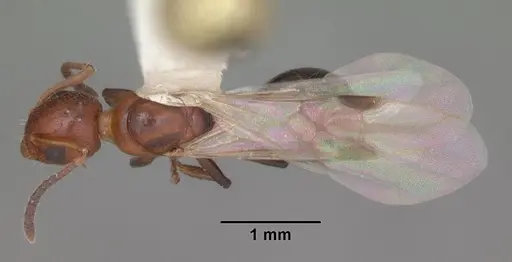
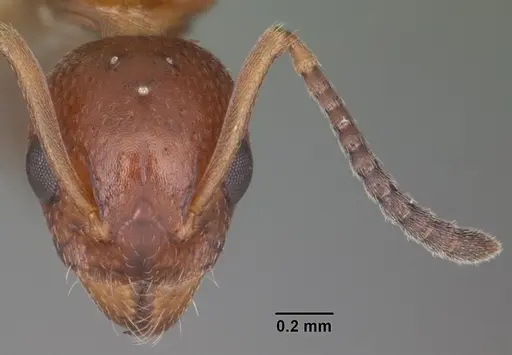
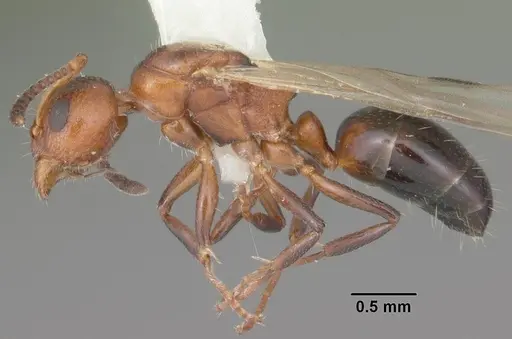
CASENT0103855
View on AntWeb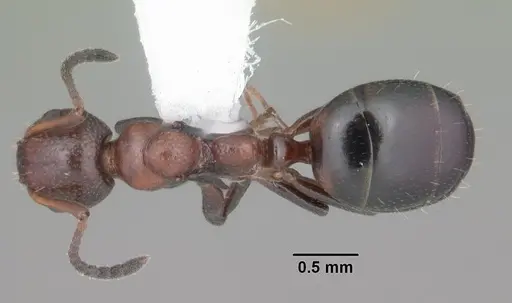
CASENT0106164
View on AntWeb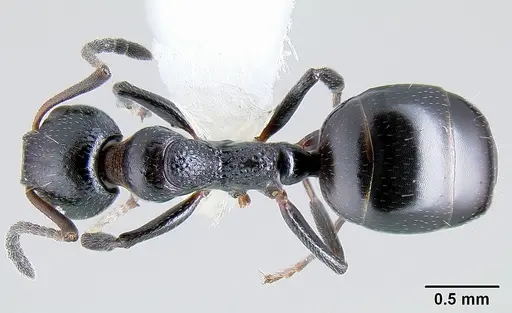
CASENT0249577
View on AntWeb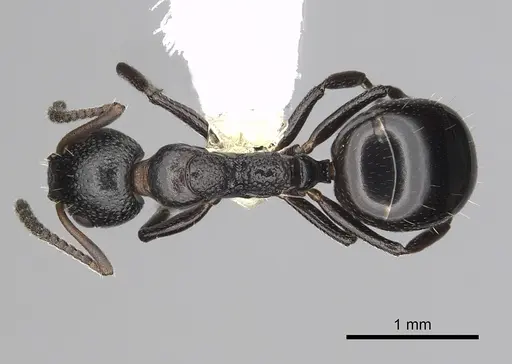
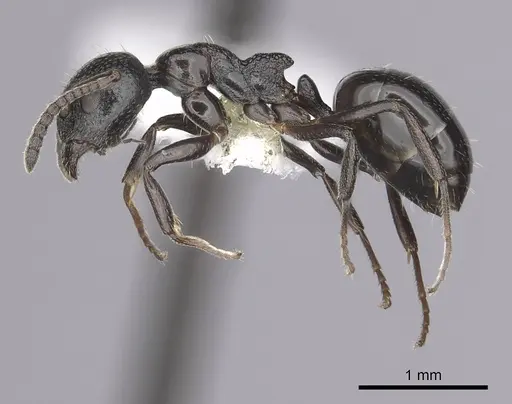
CASENT0249578
View on AntWeb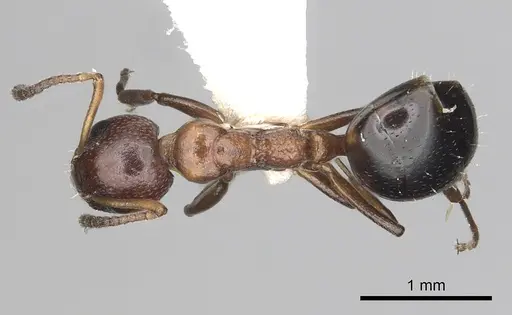
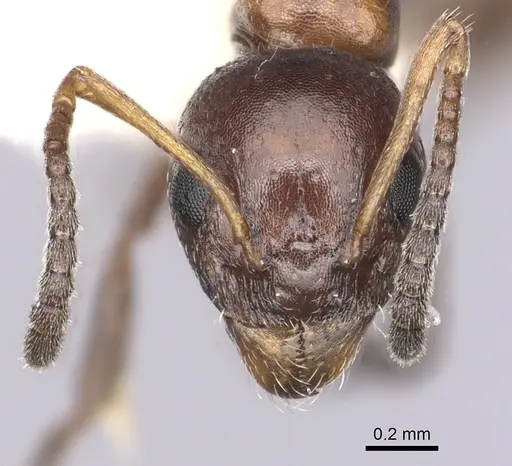
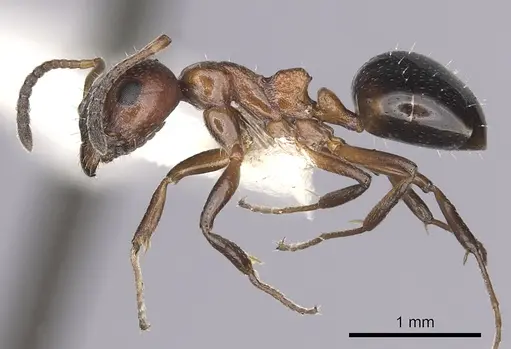
CASENT0249579
View on AntWeb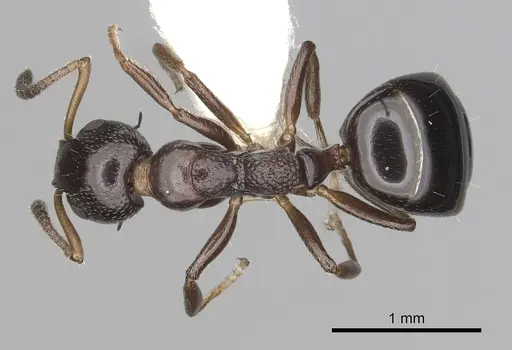
CASENT0886073
View on AntWeb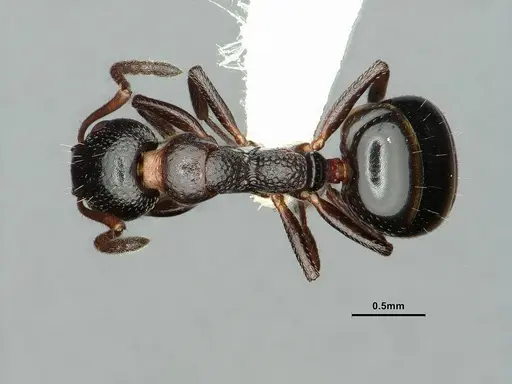
CASENT0902960
View on AntWeb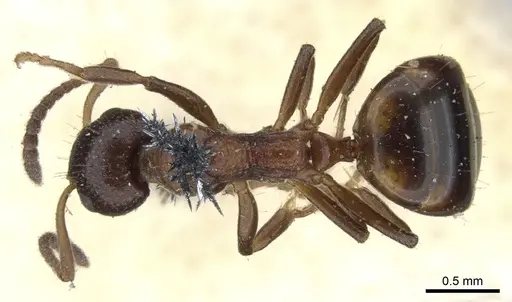
CASENT0915564
View on AntWeb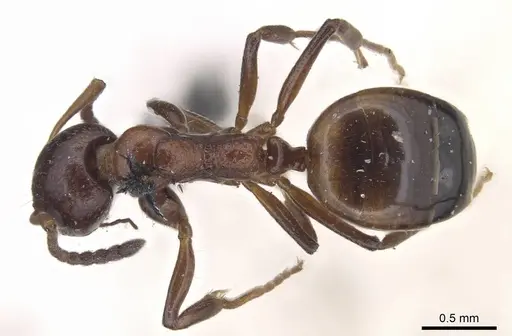
FMNHINS0000045072
View on AntWeb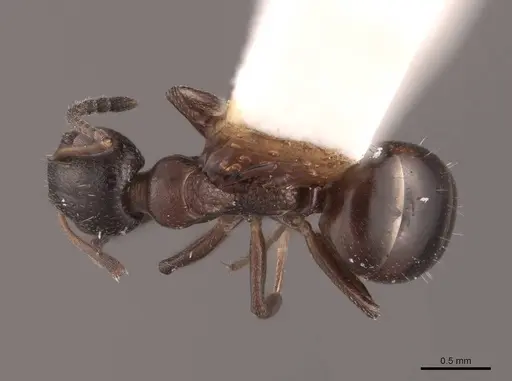
Literature
Loading...Loading products...