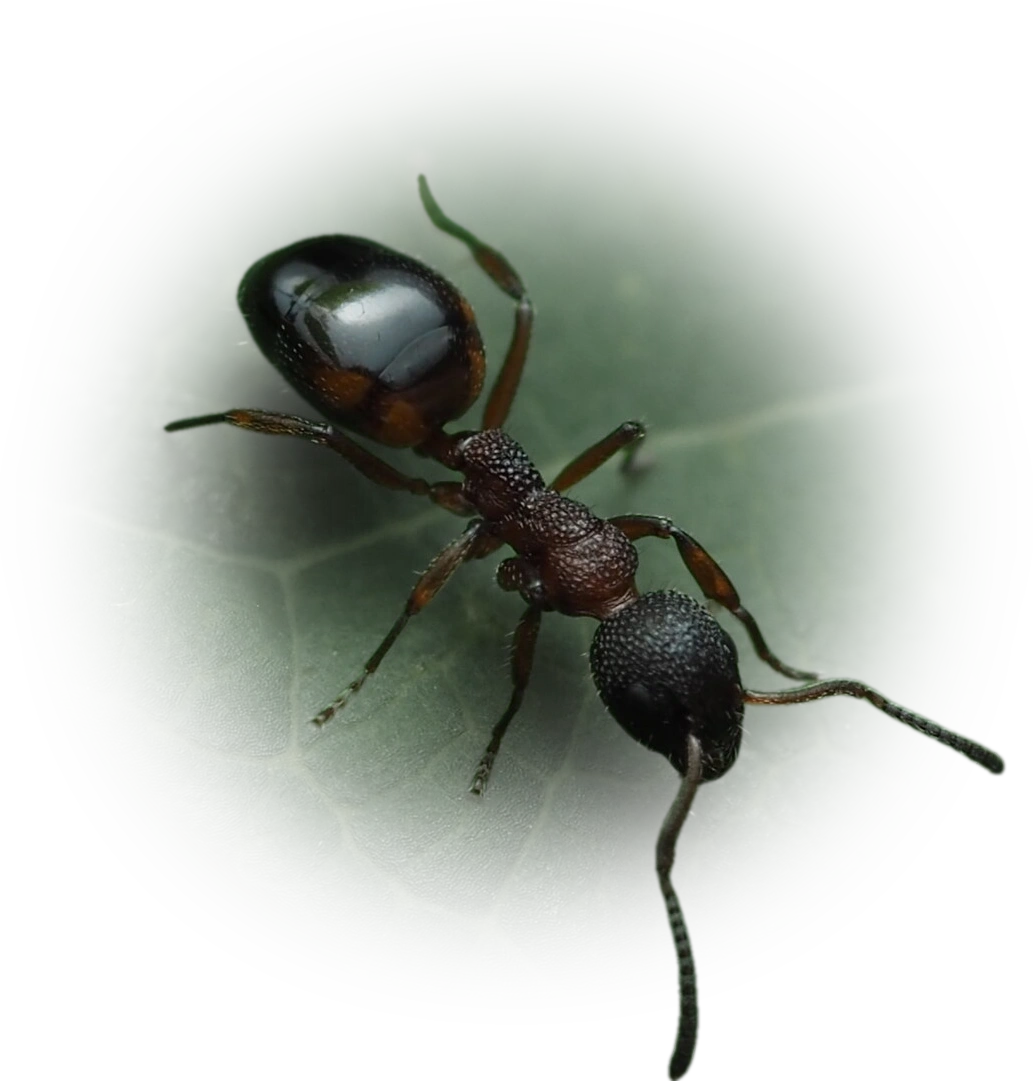

Dolichoderus plagiatus
- Scientific Name
- Dolichoderus plagiatus
- Tribe
- Dolichoderini
- Subfamily
- Dolichoderinae
- Author
- Mayr, 1870
- Common Name
- Mottled Dolichoderus
- Distribution
- Found in 2 countries
Dolichoderus plagiatus Overview
Dolichoderus plagiatus (commonly known as the Mottled Dolichoderus) is an ant species of the genus Dolichoderus. It is primarily documented in 2 countries , including Canada, United States of America. Detailed taxonomic data and occurrence records can be further explored via authoritative databases such as AntWeb or the Global Biodiversity Information Facility (GBIF).
Dolichoderus plagiatus - "Mottled Dolichoderus"
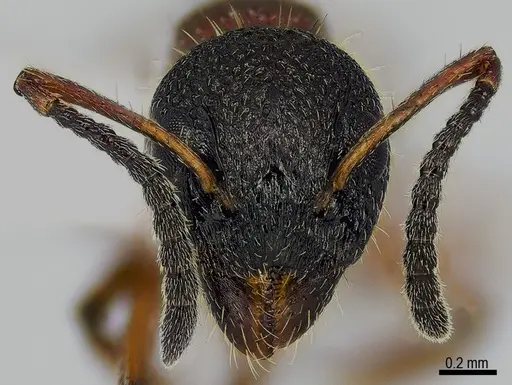
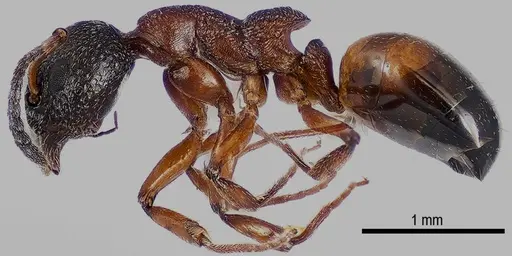
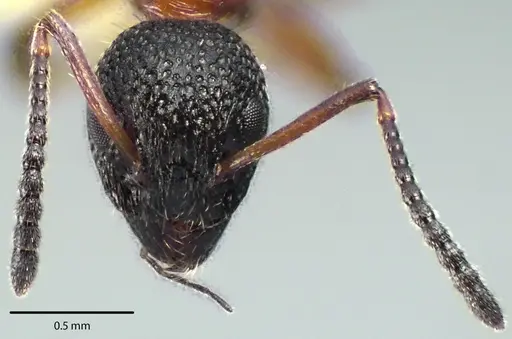
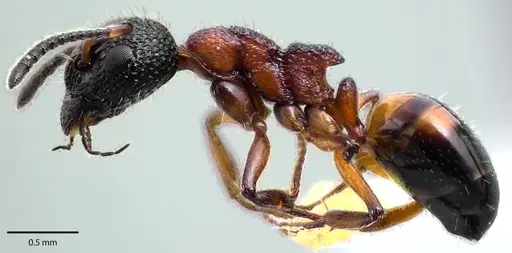
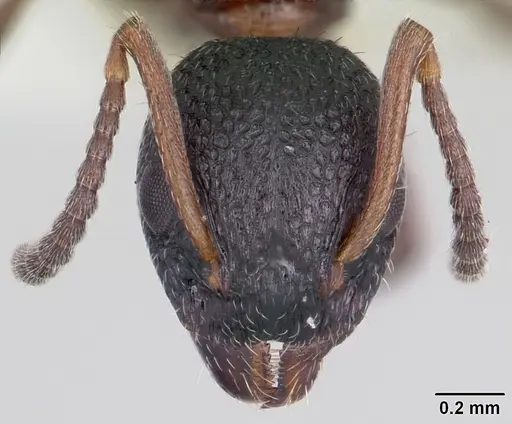
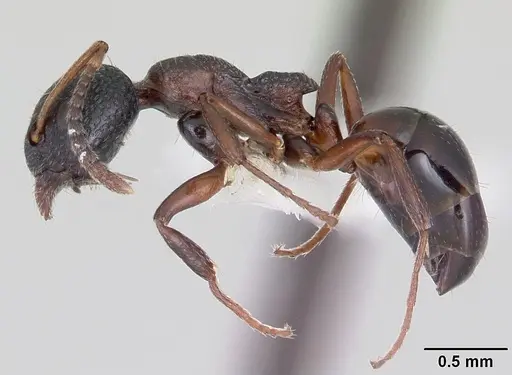
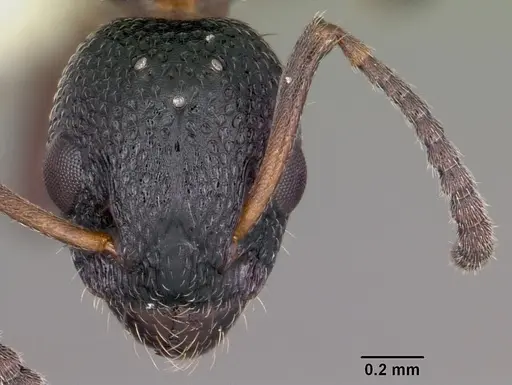
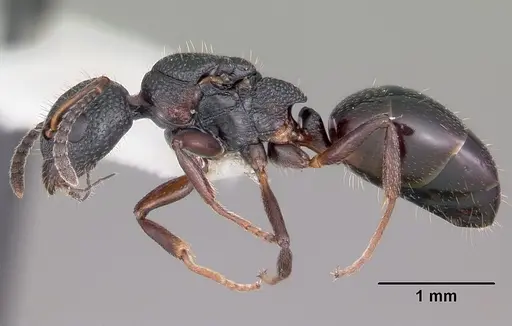
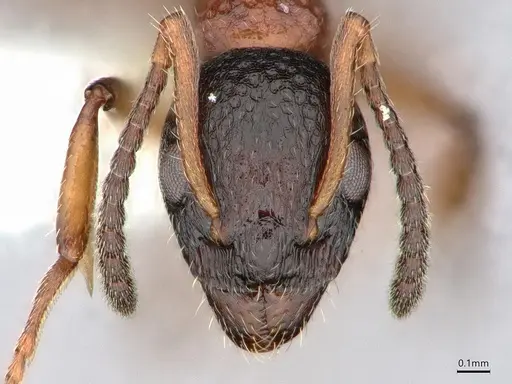
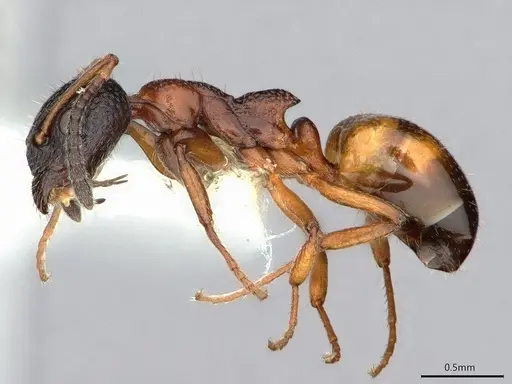
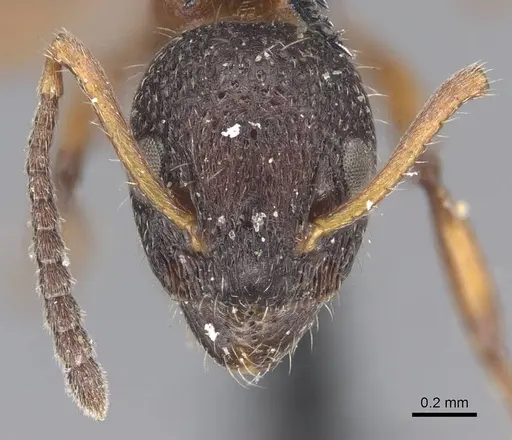
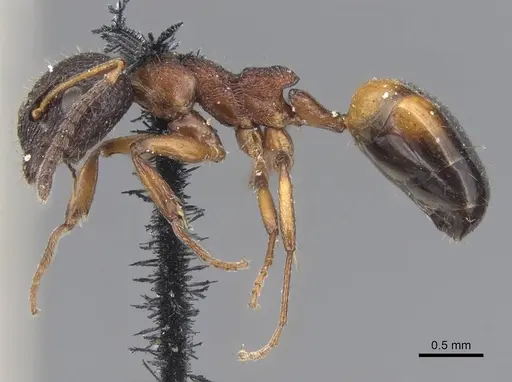
Dolichoderus plagiatus is a small North American ant species known for its distinctive mottled coloring. Workers measure 3.5-4.5mm and have a dark brown to near-black head and mandibles, with brown-orange antennae, legs, and alitrunk. The abdomen (gaster) shows characteristic pale brownish-orange spots on the first two segments, giving this species its common name. The head and body are covered in distinctive pitted sculpturing (foveolae), and the propodeum extends over the petiole in a shelf-like projection [1].
This species is a woodland-edge ant found across eastern North America, from New Brunswick south to Georgia and west to North Dakota and into northern Mexico. Unlike many ants, D. plagiatus builds cryptic nests in leaf litter, curled leaves, or hollow stems rather than obvious mound nests. Colonies are relatively small, typically containing fewer than 400 workers, and they are often found nesting at the base of small trees where they tend aphids for honeydew [2][3].
Quick Summary
- Difficulty: Medium
- Origin & Habitat: Eastern North America, from New Brunswick, Canada south to Georgia, west to North Dakota and northern Mexico. Found in upland woodland edges, open woods, and occasionally bogs. Not found in deep woods or the southern Coastal Plain [1][3].
- Colony Type: Single-queen colonies (monogyne). Colonies are small, typically under 400 workers with an average around 184 workers [4][2].
- Colony: Monogyne
- Founding: Claustral
- Size & Growth:
- Queen: Estimated 5-7mm based on genus patterns
- Worker: 3.5-4.5mm [1]
- Colony: Up to 378 workers [3]
- Growth: Unknown, likely moderate based on small colony sizes
- Development: Unknown, no specific development data available for this species (Development time inferred from related Dolichoderus species: expect 6-10 weeks at optimal temperature)
- Antkeeping:
- Temperature: Keep at room temperature around 20-24°C. They tolerate a range from cool (15°C) to warm (28°C) based on their wide geographic range [3]. A gentle gradient allows workers to choose their preferred temperature.
- Humidity: Moderate humidity around 50-70%. These ants nest in leaf litter and woodland edges, so they prefer slightly moist conditions but not wet substrate. Keep the nest substrate lightly moist.
- Diapause: Yes, this species ranges into Canada and the northern US, requiring a winter rest period. Provide 3-4 months of cold storage at 5-10°C during winter [2].
- Nesting: These ants nest in leaf litter, curled dead leaves, hollow stems, and occasionally in soil under debris. In captivity, they do well in naturalistic setups with leaf litter material, or in Y-tong/plaster nests with moist substrate. They use carton (papery material) to seal gaps in their nests [2][3].
- Behavior: Workers forage on both ground and foliage, often tending aphids on plants. They are not aggressive and lack a painful sting. Their small size (under 5mm) means they can escape through small gaps, so escape prevention is important. They are generalist feeders that utilize honeydew, tend Homoptera, and scavenge dead arthropods [3].
- Common Issues: small colony size means slow population growth, don't expect rapid expansion, cryptic nesting makes it difficult to observe the queen and brood in naturalistic setups, escape prevention is necessary, workers are small enough to fit through standard mesh, nests can dry out quickly since they prefer leaf litter microhabitats, wild-caught colonies may be difficult to locate due to their cryptic nesting habits
Housing and Nest Setup
Dolichoderus plagiatus does best in naturalistic setups that mimic their woodland-edge habitat. A setup with a layer of moist soil topped with leaf litter, dead leaves, and small debris works well. You can also use a Y-tong or plaster nest with a small chamber filled with moist substrate and leaf material. These ants use carton to seal gaps, so they may build small chambers within the substrate.
The key is providing a humid microhabitat within the nest area while allowing the outworld to be drier. Place a water reservoir connected to the nest area to maintain consistent moisture. A small piece of damp sponge or cotton works well in test tube setups. Avoid completely dry conditions, these ants are adapted to the moist environment of forest floor litter. [2][3]
Feeding and Diet
In the wild, D. plagiatus feeds primarily on honeydew from aphids and other Homoptera, which they tend on plants. They also scavenge dead arthropods and will attend extrafloral nectaries. In captivity, offer sugar water or honey water as a constant energy source. For protein, provide small insects like fruit flies, small crickets, or mealworms.
These ants will also accept other sugary liquids and may tend aphids if you include live plants. Feed protein 2-3 times per week, and keep sugar water available at all times. Remove uneaten prey after 24-48 hours to prevent mold. [3]
Temperature and Seasonal Care
This species tolerates a wide temperature range from about 15°C to 28°C, reflecting their extensive geographic range across eastern North America. Room temperature (20-24°C) is ideal for keeping them active and healthy. A heating cable on one side of the nest can create a temperature gradient if your room runs cool.
Because they range into Canada and the northern United States, D. plagiatus requires a winter dormancy period. Reduce temperatures to 5-10°C for 3-4 months, typically from late fall through early spring. During this time, reduce food offerings and keep the nest slightly moist but not wet. Do not freeze them, cold storage at refrigerator temperatures is sufficient. [2][3]
Colony Dynamics and Growth
Colonies remain relatively small throughout their life, typically containing fewer than 400 workers. The average colony contains around 184 workers, with one queen [2]. This means growth is slower than many common ant species, so don't expect rapid population explosions.
Nuptial flights occur from late July through early October in the wild. Alates (reproductives) develop from July through September, with mating flights typically happening in early morning at temperatures between 18-25°C [2]. If you keep a colony long-term, you may eventually see alates develop, though this takes several years given their slow growth.
Identification Tips
D. plagiatus can be distinguished from other North American Dolichoderus species by several features. The mottled color pattern with pale spots on the first two gaster segments is distinctive. The head and alitrunk have coarse, pitted sculpturing (foveolae), and the pronotum is sculpted as strongly as the mesonotum, a key identifying feature. The propodeum extends over the petiole in a shelf-like projection, and the scapes have tiny erect hairs.
These ants are sometimes called the 'four-spotted ant' due to the pale spots on their abdomen. They are smaller than many common ants, measuring only 3.5-4.5mm for workers. [1][3]
Handling and Temperament
Dolichoderus plagiatus workers are not aggressive and pose no sting threat to humans. They are docile and will flee rather than defend. However, their small size means they can easily escape through tiny gaps. Use fine mesh on any ventilation holes and ensure all connections are tight-fitting.
When observing your colony, you'll see workers actively foraging both on the ground and on plants. They form characteristic foraging trails when discovering food sources. Workers may spray formic acid when threatened, but this is harmless to humans in such small quantities. [3]
Frequently Asked Questions
How long does it take for Dolichoderus plagiatus to produce first workers?
The exact development time is unknown for this species, but based on related Dolichoderus species, expect 6-10 weeks from egg to worker at optimal temperature (around 22°C). Founding colonies grow slowly, so be patient during the claustral founding period.
Can I keep Dolichoderus plagiatus in a test tube setup?
Yes, test tubes can work, but you need to add a small chamber with moist substrate and leaf litter material since they prefer nesting in leaf debris. Keep the cotton end damp but not flooded, and provide a sugar water feeder in the outworld.
Do Dolichoderus plagiatus ants need hibernation?
Yes, they require a winter dormancy period of 3-4 months at 5-10°C. This species ranges into Canada and the northern US, so hibernation is essential for their health and to trigger reproductive development.
How big do Dolichoderus plagiatus colonies get?
Colonies remain relatively small, typically reaching 200-400 workers at maturity. The average wild colony contains around 184 workers. This is smaller than many common ant species.
What do Dolichoderus plagiatus eat?
They primarily eat honeydew from aphids and other Homoptera, plus scavenged dead arthropods. In captivity, offer sugar water or honey water constantly, and feed small insects like fruit flies or small mealworms 2-3 times per week.
Are Dolichoderus plagiatus good for beginners?
They are moderate difficulty, not the easiest but not challenging. Their small colony size and slow growth require patience. They are docile and interesting to watch, but their cryptic nesting habits can make observing the queen and brood difficult.
When do Dolichoderus plagiatus have nuptial flights?
Nuptial flights occur from late July through early October in the wild. Mating typically happens in early morning at temperatures between 18-25°C. If you're breeding this species indoors, you may see alates develop after several years.
Why are my Dolichoderus plagiatus dying?
Common causes include: nest drying out (they need consistent moisture in the nesting area), too small colony size leading to collapse, improper hibernation, or stress from too much handling. Check humidity levels first, then ensure temperatures are stable.
Can I keep multiple Dolichoderus plagiatus queens together?
No. This species is monogyne, colonies have a single queen. Multiple queens will fight. Only combine unrelated foundresses if you want to attempt pleometrosis, but this is not recommended for this species.
How do I identify Dolichoderus plagiatus?
Look for: small size (3.5-4.5mm), mottled coloring with pale spots on the first two abdominal segments, dark head, brown-orange body, and coarse pitted sculpturing on the head and thorax. The propodeum extends over the petiole like a shelf.
What is the best nest type for Dolichoderus plagiatus?
Naturalistic setups with leaf litter work best, or a Y-tong/plaster nest with a small chamber filled with moist soil and leaf material. They need humidity and will use carton to modify their nest space.
References

This caresheet is licensed under CC BY-SA 4.0 .
ANTWEB1041579
View on AntWeb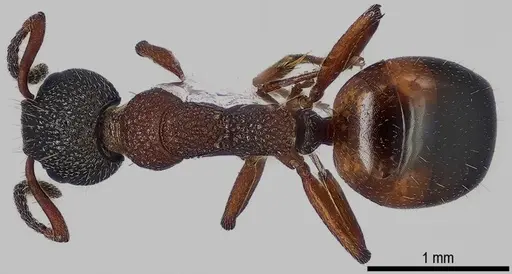
ANTWEB1041696
View on AntWeb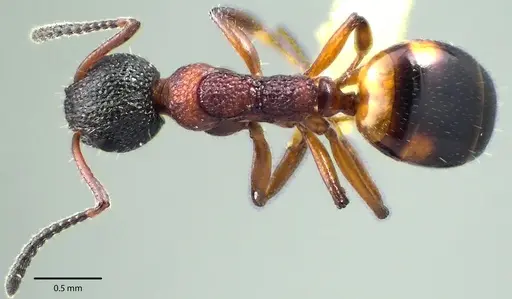
CASENT0104779
View on AntWeb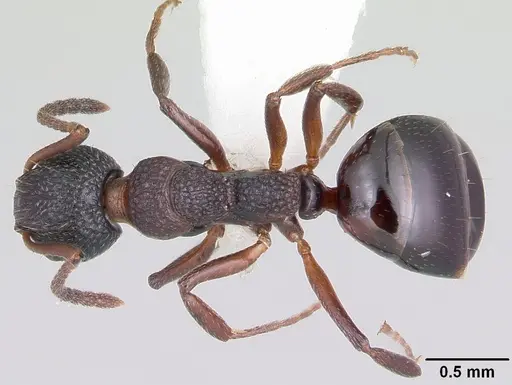
CASENT0104780
View on AntWeb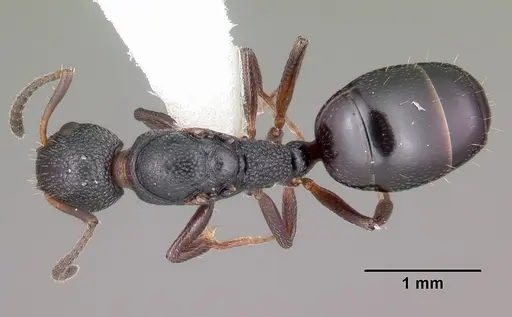
CASENT0170174
View on AntWeb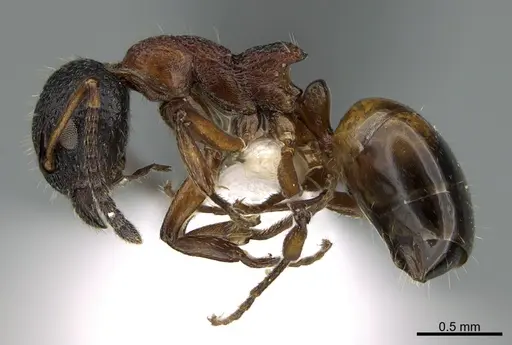
CASENT0886019
View on AntWeb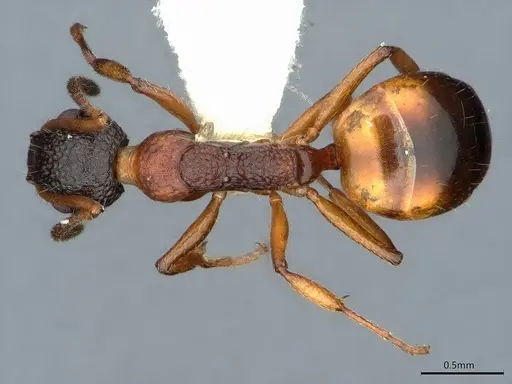
CASENT0915561
View on AntWeb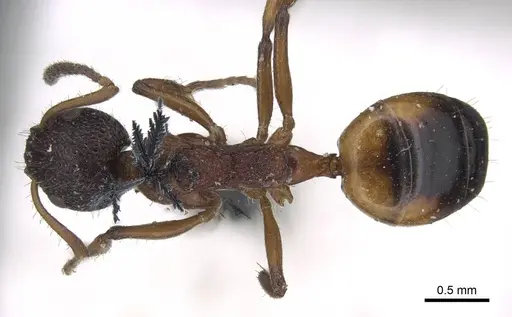
Literature
Loading...Loading products...