

Dolichoderus piceus
- Scientific Name
- Dolichoderus piceus
- Tribe
- Dolichoderini
- Subfamily
- Dolichoderinae
- Author
- MacKay, 1993
- Distribution
- Found in 1 countries
Dolichoderus piceus Overview
Dolichoderus piceus is an ant species of the genus Dolichoderus. It is primarily documented in 1 countries , including Colombia. Detailed taxonomic data and occurrence records can be further explored via authoritative databases such as AntWeb or the Global Biodiversity Information Facility (GBIF).
Dolichoderus piceus
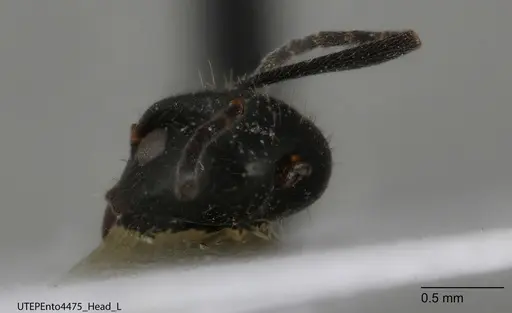
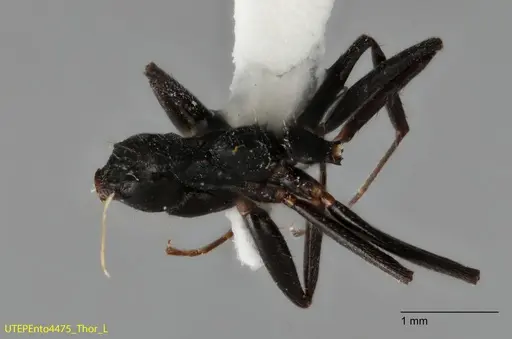
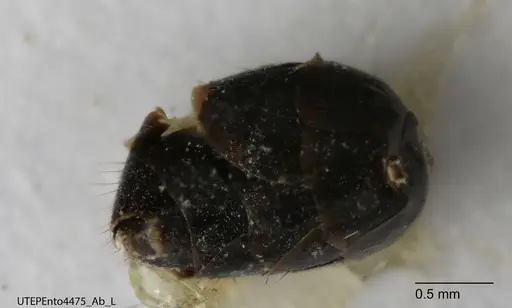
Dolichoderus piceus is a small to medium-sized ant species native to Colombia. Workers measure around 4-5mm and have a distinctive dark coloration with erect hairs covering their entire body. The pronotum has small but noticeable lateral angles, and the propodeum (the section behind the thorax) features a raised transverse carina. The petiolar node is angulated, giving them a somewhat angular appearance. These ants are found in the Neotropical region of Colombia, particularly in the Valle del Cauca and Antioquia regions at elevations around 1,000 meters [1][2].
As a Dolichoderus species, these ants likely possess the characteristic defensive ability to spray formic acid when threatened, a trait common to the genus. They probably nest in rotting wood or under bark in their natural habitat, consistent with other Dolichoderus species in the region. The limited distribution in Colombia's cloud forest areas suggests they prefer humid, shaded environments.
Quick Summary
- Difficulty: Medium
- Origin & Habitat: Dolichoderus piceus is native to Colombia, specifically the Valle del Cauca region and Antioquia department. They are found at elevations around 1,000 meters above sea level in what appears to be cloud forest or humid tropical forest habitats [1][2]. The type specimen was collected from Represa Calima in Valle del Cauca [3].
- Colony Type: Colony structure is unconfirmed for this species. Based on typical Dolichoderus patterns, they likely form single-queen colonies (monogyne), though some related species can have multiple queens. No documented ergatoid (wingless replacement queen) system has been observed for this specific species.
- Size & Growth:
- Queen: Estimated 6-8mm based on genus patterns, no direct species measurement available
- Worker: Approximately 4-5mm [2]
- Colony: Unknown for this species, related Dolichoderus species typically reach several hundred to a few thousand workers
- Growth: Moderate, estimated based on genus patterns
- Development: Estimated 6-10 weeks at optimal temperature based on typical Dolichoderus development (Development time is estimated as no species-specific data exists. Tropical Dolichoderus species generally develop faster than temperate ants.)
- Antkeeping:
- Temperature: Keep at 22-26°C. Based on their Colombian origin and elevation (~1000m), they likely prefer warm but not hot conditions with moderate humidity. A temperature gradient allows them to regulate their own exposure to warmth.
- Humidity: Maintain moderate to high humidity (60-80%). Their natural habitat in Colombian cloud forests is humid. Keep the nest substrate consistently moist but not waterlogged. Provide a water source via test tube setup.
- Diapause: Likely no true diapause required, Colombian ants from this elevation experience mild seasonal variation rather than harsh winters. However, a slight reduction in temperature during what would be their winter period (roughly December-February) may be beneficial.
- Nesting: Based on genus patterns, they likely prefer nesting in rotting wood, under bark, or in soil cavities. In captivity, a Y-tong (AAC) nest, plaster nest, or naturalistic setup with moist substrate works well. They prefer dark, humid nest chambers.
- Behavior: Dolichoderus piceus is likely moderately active with a calm temperament. Like other Dolichoderus species, they may spray formic acid as a defense mechanism when threatened, this gives the genus their characteristic 'copper ant' smell. They are probably not aggressive toward keepers but will defend their nest. Workers likely forage for honeydew, nectar, and small insects. Escape risk is moderate, their 4-5mm size means standard escape prevention measures (fluon barriers, tight-fitting lids) are recommended but not as critical as for tiny species.
- Common Issues: limited species-specific care data means some recommendations are based on genus inference, humidity management is critical, too dry and colonies may fail, too wet can cause mold issues, slow founding phase if semi-claustral, queens may need to leave nest to forage, wild-caught colonies may carry parasites that affect captive survival, their defensive formic acid spray can be irritating if ants feel threatened
Natural History and Distribution
Dolichoderus piceus is endemic to Colombia, with confirmed records from the Valle del Cauca region (including Represa Calima) and the Antioquia department at elevations around 1,010 meters above sea level [1][2][4]. The original type specimen was collected in 1967 from Valle del Cauca by R. Root and W. Brown [3].
This species occupies what appears to be cloud forest habitat in the Colombian Andes. The elevation of approximately 1,000 meters suggests they experience warm days with cool nights and consistently high humidity. Unlike their lowland tropical relatives, these ants likely tolerate a wider temperature range due to the elevation. The region's climate features two wet seasons and relatively stable temperatures year-round.
The morphological features of D. piceus include a pronotum with small lateral angles, a propodeum with a raised transverse carina, and an angulated petiolar node. The entire body is covered in erect hairs, and the coloration is dark. These features distinguish it from related Dolichoderus species in the region [2].
Nest Preferences and Housing
Based on typical Dolichoderus nesting behavior and the humid forest habitat of Colombia, these ants likely nest in rotting wood, under loose bark, or in soil cavities in their natural environment. They prefer dark, humid locations with stable moisture.
For captive care, a Y-tong (AAC) nest or plaster nest works well for this species. The nest should be kept consistently moist but not waterlogged. A test tube setup with a water reservoir provides adequate humidity control during the founding stage. For established colonies, a naturalistic setup with moist soil and hiding spots like cork bark or rotting wood pieces mimics their natural habitat.
Keep the nest area dark, Dolichoderus ants prefer dim conditions and may be stressed by bright light. You can cover three sides of a formicarium with a dark cloth or use a nest designed for low-light conditions. Provide an outworld area for foraging that is well-lit so you can observe their activity.
Feeding and Diet
Like other Dolichoderus species, Dolichoderus piceus likely has an omnivorous diet based on honeydew, nectar, and small insects. In captivity, you should offer a varied diet including sugar sources (honey water or sugar water changed every 2-3 days) and protein sources (small insects like fruit flies, pinhead crickets, or mealworms).
During colony founding, if the queen is semi-claustral, she will need access to small prey items. Offer tiny insect pieces or live micro-arthropods like springtails. Once workers emerge, they will readily accept sugar water, honey, and various protein sources.
Feed established colonies 2-3 times per week, offering protein (insects) and sugar sources. Remove uneaten food within 24-48 hours to prevent mold. A constant sugar source (like a cotton ball with honey water) is recommended for larger colonies.
Temperature and Seasonal Care
Based on their origin in Colombian cloud forests at approximately 1,000m elevation, Dolichoderus piceus likely prefers temperatures in the range of 22-26°C. This is warmer than room temperature for most homes, so you may need a small heating cable or heating mat on one side of the nest to maintain optimal temperatures.
Place the heating element on top of the nest (never underneath, as this can dry out the substrate too quickly). Create a temperature gradient so workers can choose their preferred warmth level. Monitor colony activity, if they consistently cluster in warmer areas, increase heat slightly, if they avoid the heated area, reduce it.
Regarding seasonal care, these ants likely do not require a true hibernation diapause. However, a slight reduction in temperature during the winter months (roughly December-February, mimicking their natural dry season) may be beneficial. Reduce temperatures by 2-4°C rather than allowing a cold shutdown. Maintain humidity even during this cooler period.
Behavior and Defense
Dolichoderus piceus likely exhibits typical Dolichoderus behavior, they are generally calm and not particularly aggressive, but possess a notable defense mechanism. When threatened, Dolichoderus ants can spray formic acid, which gives the genus its common name of 'copper ants' due to the distinctive smell reminiscent of copper or bleach.
This formic acid spray is not dangerous to humans but can be irritating to eyes and skin. Most keepers report that these ants are docile and easy to work with, though they will defend their nest if provoked. The spray is their primary defense rather than biting.
Workers are moderately active and will forage in the outworld for food. They likely use chemical trails to guide nestmates to food sources, a common behavior in the genus. Colony activity is typically highest during evening and night hours, though they will forage during the day as well.
Frequently Asked Questions
How long does it take for Dolichoderus piceus to produce first workers?
The exact timeline is unknown for this species, but based on typical Dolichoderus development, expect 6-10 weeks from egg to first worker at optimal temperature (22-26°C). The founding phase may take longer if the queen is semi-claustral and needs to leave the nest to hunt.
Can I keep Dolichoderus piceus in a test tube setup?
Yes, a test tube setup works well for founding colonies. Use a test tube with a water reservoir and cotton plug, keeping it horizontal so the queen can move between the wet and dry ends. Maintain moderate humidity by ensuring the water reservoir doesn't dry out. Once the colony reaches 20-30 workers, consider moving them to a formicarium with more space.
What temperature do Dolichoderus piceus need?
Keep them at 22-26°C. Their Colombian origin and cloud forest habitat suggest they prefer warm, humid conditions. A small heating cable on one side of the nest can help maintain these temperatures, especially if your room temperature is below 22°C.
Are Dolichoderus piceus good for beginners?
This species is rated as Medium difficulty. While not the most challenging ant to keep, the limited species-specific care data means some trial and error may be required. Beginners should have experience with at least one other ant species before attempting D. piceus.
How big do Dolichoderus piceus colonies get?
The maximum colony size is unknown for this specific species. Based on related Dolichoderus species, colonies likely reach several hundred to a few thousand workers. Growth is moderate, expect several months to a year to reach 50 workers, depending on feeding and temperature.
Do Dolichoderus piceus need hibernation?
No true hibernation is required. These ants come from a region with mild seasonal variation rather than harsh winters. You may provide a slight temperature reduction (2-4°C) during winter months, but a full diapause is not necessary or recommended.
What do Dolichoderus piceus eat?
They are omnivorous. Offer sugar sources (honey water, sugar water) and protein (small insects like fruit flies, pinhead crickets, mealworms). During founding, if semi-claustral, the queen may need access to small prey items.
Why is my Dolichoderus piceus colony dying?
Common causes include: low humidity (keep substrate consistently moist), temperatures outside their preferred range (22-26°C), mold from overwatering or poor ventilation, or insufficient protein in their diet. Also check for parasites, which can affect wild-caught colonies.
Can I keep multiple Dolichoderus piceus queens together?
This is not recommended. There is no documented evidence that this species can be kept in polygynous (multi-queen) conditions. Combining unrelated queens of this species has not been studied and likely results in fighting.
References

This caresheet is licensed under CC BY-SA 4.0 .
UTEPENTO4475
View on AntWeb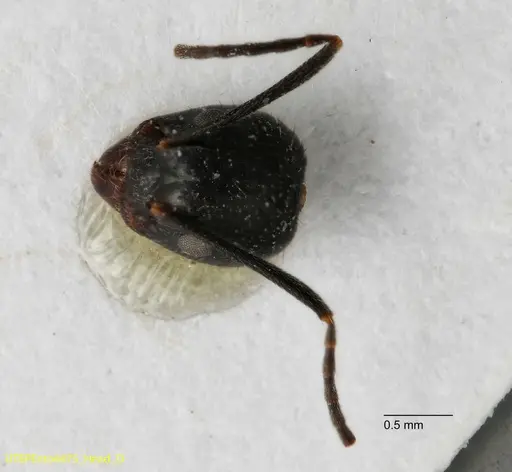
Literature
Loading...Loading products...