

Dolichoderus parvus
- Scientific Name
- Dolichoderus parvus
- Tribe
- Dolichoderini
- Subfamily
- Dolichoderinae
- Author
- Clark, 1930
- Distribution
- Found in 1 countries
Dolichoderus parvus Overview
Dolichoderus parvus is an ant species of the genus Dolichoderus. It is primarily documented in 1 countries , including Australia. Detailed taxonomic data and occurrence records can be further explored via authoritative databases such as AntWeb or the Global Biodiversity Information Facility (GBIF).
Dolichoderus parvus
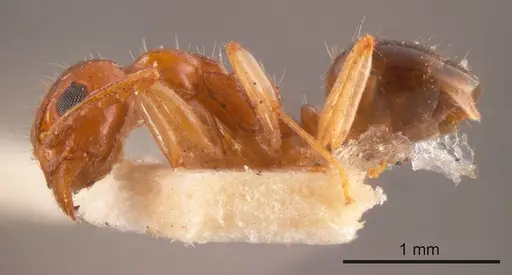
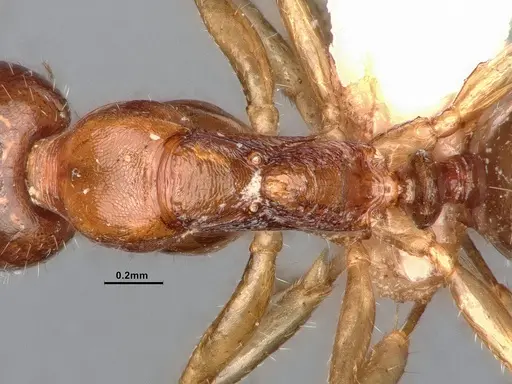
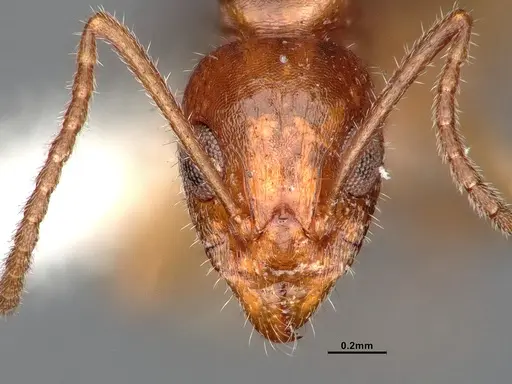
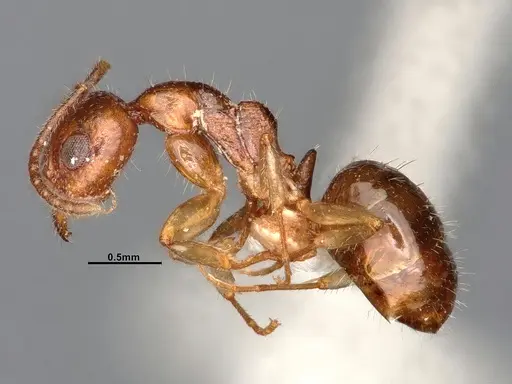
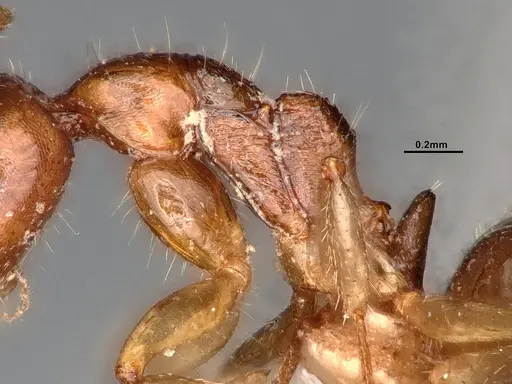
Dolichoderus parvus is a small, slender ant native to southern Australia. Workers measure 0.93-1.12mm in head length with a distinctive yellowish-red head and brown gaster. The species lacks spines on the pronotum and propodeum, and has minimal sculpturing on the head, making it relatively smooth and shiny compared to other Dolichoderus species. These ants are part of the australis species group and are found across southern Australia in drier regions with mallee, heath, and dry sclerophyll habitats [1]. They nest under rocks and forage on low vegetation, often forming visible columns as they travel between food sources and the nest [2].
Quick Summary
- Difficulty: Medium
- Origin & Habitat: Southern Australia, drier regions with mallee, heath, and dry sclerophyll habitats along southern coastal regions. Also found in Western Australia, Victoria, and with an outlier population near Sydney [1][3].
- Colony Type: Colony structure is unconfirmed. Based on typical Dolichoderus patterns, likely single-queen colonies.
- Size & Growth:
- Queen: Estimated 6-8mm based on genus patterns
- Worker: 0.93-1.12mm head length [1]
- Colony: Unknown for this species, likely moderate sized based on genus
- Growth: Moderate
- Development: 6-10 weeks (estimated based on related Dolichoderus species) (Development timeline not directly studied for this species. Estimates based on genus-level data.)
- Antkeeping:
- Temperature: Keep at 22-26°C. Southern Australian distribution suggests they can tolerate cooler temperatures than tropical species but prefer warmth [1].
- Humidity: Moderate, they naturally occur in drier habitats. Keep nest substrate slightly moist but allow drying periods between waterings. Avoid overly damp conditions.
- Diapause: Likely not required. Australian species from temperate regions may have reduced activity in cooler months but full hibernation is not typical.
- Nesting: Natural nesting is under rocks or in rotten wood in soil [2]. In captivity, a Y-tong or plaster nest with some moisture works well. Provide a small rock or piece of wood in the outworld as they naturally nest under objects.
- Behavior: Workers are general scavengers and are known to tend aphids and other Hemiptera for honeydew. They often forage in columns on the ground or on low vegetation and trees [2]. They are not aggressive and rarely sting. Their small size means escape prevention should be considered, they can squeeze through small gaps. They are primarily nocturnal foragers in the wild but may adjust to daytime foraging in captivity.
- Common Issues: small size makes escape likely without fine mesh barriers, limited information on captive care means keepers must adapt from related species, humidity control is important, too wet can cause problems in their naturally drier habitat, wild-caught colonies may have parasites that affect survival in captivity, slow colony growth may cause keepers to lose patience and overfeed
Nest Preferences
In the wild, Dolichoderus parvus nests in soil generally under rocks or in rotten wood [2]. This means they prefer enclosed nest sites with some connection to the ground. For captive care, a Y-tong (acrylic) nest or plaster nest works well. Keep the nest moderately humid, these ants come from drier Australian habitats so they don't need the constant moisture that tropical species require. Place a small flat rock or piece of wood in the outworld section, as they naturally nest under objects in the wild. The test tube setup can work for founding colonies but transfer to a proper nest once the colony reaches 20-30 workers.
Feeding and Diet
Dolichoderus parvus workers are general scavengers and also tend aphids and other Hemiptera (sap-sucking insects) for honeydew [2]. In captivity, offer a varied diet including sugar water or honey as a carbohydrate source. For protein, provide small insects like fruit flies, small mealworms, or cricket pieces. They will readily accept honeydew substitutes or sugar water. Feed protein 2-3 times per week and keep sugar sources available constantly. Since they forage on low vegetation in the wild, they may prefer food placed slightly elevated in the outworld rather than on the ground.
Temperature and Care
Keep your colony at 22-26°C. These ants come from southern Australia, which has a temperate to Mediterranean climate, so they can tolerate some temperature variation. A heating cable on one side of the nest can create a gentle gradient if your room temperature runs cool. Avoid temperatures below 15°C for extended periods. Since they come from drier habitats, they are more tolerant of lower humidity than many ants, aim for moderate humidity around 50-60% in the nest area. Allow the substrate to dry out partially between waterings rather than keeping it constantly damp. [1][2]
Behavior and Temperament
These ants are relatively calm and not aggressive toward keepers. Workers forage in columns, often traveling along regular paths between the nest and food sources [2]. They are primarily nocturnal foragers in the wild, so you may see most activity in the evening and night hours. They can adjust to your schedule though, so don't be surprised if they become more active during the day in captivity. They are small ants and not particularly defensive, they may flee rather than attack when disturbed. Their small size (around 1mm workers) means they can escape through very small gaps, so use fine mesh on any ventilation holes.
Colony Founding
Direct observation of colony founding for Dolichoderus parvus has not been documented. Based on typical Dolichoderus genus patterns, the queen likely seals herself in a small chamber (claustral founding) and lives off her stored fat reserves until the first workers emerge. The founding chamber is typically dug in soil or under a rock. If you catch a queen, provide her with a moist test tube or small container of soil and keep her undisturbed in darkness. Expect 4-8 weeks before eggs appear, and another 4-8 weeks until the first workers (nanitics) emerge.
Frequently Asked Questions
How long does it take for Dolichoderus parvus to get their first workers?
The exact timeline is unconfirmed for this species, but based on related Dolichoderus species, expect 6-10 weeks from egg to first worker at optimal temperature (around 24°C). This means 2-3 months from queen capture to seeing your first workers.
Can I keep Dolichoderus parvus in a test tube?
Yes, test tubes work well for founding colonies. Keep the cotton moist but not flooded, and cover the tube with a dark cloth since queens prefer dark, quiet spaces. Once the colony reaches 20-30 workers, consider moving them to a proper nest with more space.
What do Dolichoderus parvus eat?
They are general scavengers that accept sugar sources (honey or sugar water) and protein (small insects like fruit flies, pinhead crickets, or mealworms). They also tend aphids for honeydew in the wild, so sugar water is definitely accepted.
Are Dolichoderus parvus good for beginners?
They are moderate difficulty. They are more forgiving of humidity mistakes than tropical species since they come from drier habitats, but their small size requires good escape prevention. Their care requirements are straightforward once you understand their preferences for drier conditions.
Do Dolichoderus parvus need hibernation?
Full hibernation is not typically required. They come from temperate southern Australia where winters are mild. You can reduce feeding and keep them slightly cooler (15-18°C) during winter months if desired, but this is optional.
When should I move Dolichoderus parvus to a formicarium?
Move them when the test tube becomes crowded, typically around 20-40 workers. A Y-tong or plaster nest works well. Make sure the new nest has appropriate humidity, these ants prefer moderately dry conditions.
How big do Dolichoderus parvus colonies get?
The maximum colony size is not documented for this species, but based on related Dolichoderus species, expect several hundred workers. They are not among the largest ant species.
Why are my Dolichoderus parvus dying?
Common causes include: too high humidity (they prefer drier conditions), poor escape prevention (they are tiny), or stress from disturbance during founding. Check that the nest is not too wet and that there are no tiny gaps in your setup.
Can I keep multiple Dolichoderus parvus queens together?
This has not been studied for this species. Based on typical Dolichoderus behavior, single-queen colonies are most common. It is not recommended to combine unrelated queens as they may fight.
References

This caresheet is licensed under CC BY-SA 4.0 .
ANTWEB1008172
View on AntWeb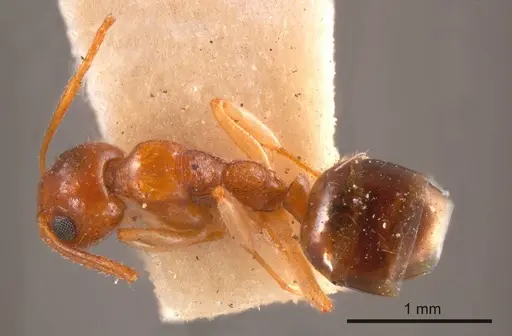
CASENT0886107
View on AntWeb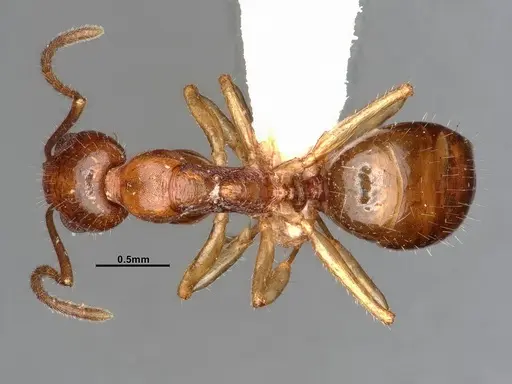
Literature
Loading...Loading products...