

Dolichoderus omicron
- Scientific Name
- Dolichoderus omicron
- Tribe
- Dolichoderini
- Subfamily
- Dolichoderinae
- Author
- Shattuck & Marsden, 2013
- Distribution
- Found in 1 countries
Dolichoderus omicron Overview
Dolichoderus omicron is an ant species of the genus Dolichoderus. It is primarily documented in 1 countries , including Australia. Detailed taxonomic data and occurrence records can be further explored via authoritative databases such as AntWeb or the Global Biodiversity Information Facility (GBIF).
Dolichoderus omicron
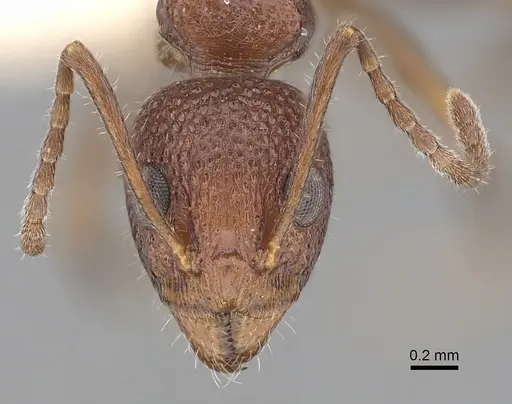
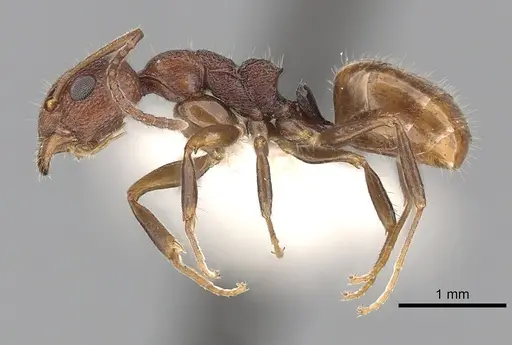
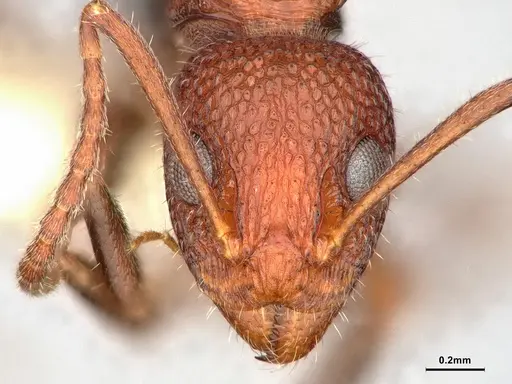
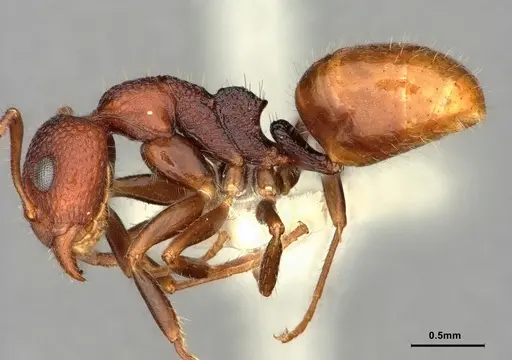
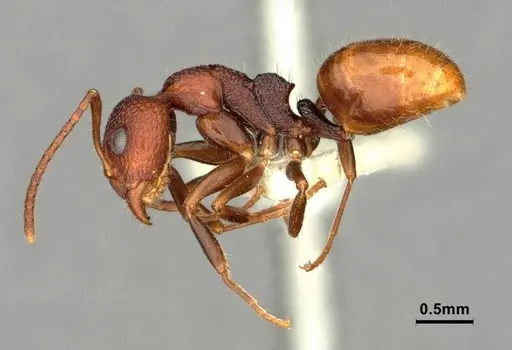
Dolichoderus omicron is a small, slender ant native to southern Australia. Workers measure 0.72-0.86mm in head width with a overall length around 3-4mm. They have a distinctive appearance with a light reddish-brown to brown body and a yellowish-red gaster that is noticeably lighter than the mesosoma (the middle body section). Unlike some related species, they lack spines on the pronotum and propodeum, and their body is covered in sparse, short hairs. The tibiae (lower leg segments) have distinctive erect or suberect hairs [1].
This species inhabits semi-arid open forested areas across southern Australia, particularly mallee woodlands and broombrush thickets. They are diurnal foragers that travel in characteristic columns along the ground and sometimes on low vegetation, searching for food and tending aphids for honeydew. Nests are built in soil, typically under rocks or in rotting wood [2]. All Australian Dolichoderus species, including this one, are endemic to the region [2].
Quick Summary
- Difficulty: Medium
- Origin & Habitat: Southern Australia, semi-arid open forested areas including mallee woodlands and broombrush thickets [1][2]
- Colony Type: Colony structure is unconfirmed, likely single-queen based on typical Dolichoderus patterns, but no specific documentation exists for this species
- Size & Growth:
- Queen: Not documented, estimated 5-7mm based on genus patterns
- Worker: 0.72-0.86mm head width, approximately 3-4mm total length [1]
- Colony: Unknown, no colony size data available
- Growth: Moderate, based on typical Dolichoderus development patterns
- Development: Estimated 6-10 weeks at optimal temperature based on related Dolichoderus species (Development time is estimated from genus-level data since species-specific timing is unconfirmed)
- Antkeeping:
- Temperature: Keep at 22-26°C, they inhabit warm semi-arid regions and likely tolerate higher temperatures. A gentle heat gradient allows thermoregulation.
- Humidity: Low to moderate, semi-arid habitat suggests they prefer drier conditions. Keep nest substrate moderately dry with occasional moisture zones. Avoid overly damp conditions.
- Diapause: Likely, temperate Australian species probably require a mild winter rest period of 8-12 weeks around 10-15°C. This is inferred from the seasonal climate of their range.
- Nesting: Use a dry, well-drained nest setup. Y-tong (AAC), plaster, or acrylic nests work well. Provide a layer of dry to slightly moist substrate. They naturally nest under rocks in soil, so a naturalistic setup with a flat stone or similar cover can mimic their preferred conditions [2].
- Behavior: Dolichoderus omicron is a diurnal, ground-foraging species that travels in columns. Workers are general scavengers and actively tend aphids and other Hemiptera for honeydew [2]. They are not aggressive and lack a painful sting due to their very small size. Escape prevention is important, their tiny size means they can squeeze through small gaps. They are active foragers that will readily explore and exploit food sources.
- Common Issues: tiny size makes escape likely without fine mesh barriers and tight-fitting lids, semi-arid nature means they are sensitive to excess moisture, overwatering can kill colonies, slow founding phase, claustral queens may take months to raise first workers, winter dormancy requirements are not well understood, improper hibernation can cause colony loss, limited information on captive care means keepers must adapt from related species
Housing and Nest Setup
Dolichoderus omicron is a small ant that requires careful attention to escape prevention. A Y-tong (AAC) nest, acrylic nest, or plaster nest works well for this species. Because they naturally nest in soil under rocks, you can also use a naturalistic setup with a thin layer of substrate and a flat stone or similar cover on top. The nest should be kept relatively dry, these ants come from semi-arid Australian habitats and do not tolerate damp conditions well. Provide a small water reservoir in the outworld for drinking, but avoid saturating the nest area. Use fine mesh on any ventilation holes, as these tiny ants can squeeze through surprisingly small gaps [2].
Feeding and Diet
In the wild, Dolichoderus omicron workers are general scavengers that also tend aphids and other Hemiptera (sap-sucking insects) for honeydew [2]. In captivity, offer a varied diet including sugar water or honey as an energy source, along with protein-rich foods like small insects (fruit flies, pinhead crickets, mealworms). Since they naturally tend aphids, they will likely accept sugar sources readily. Feed protein 2-3 times per week and keep a constant sugar source available. Remove uneaten prey after 24-48 hours to prevent mold. Their small size means even tiny food items are appropriate, offer prey that is roughly the size of their head or smaller.
Temperature and Seasonal Care
Maintain nest temperatures around 22-26°C. These ants come from southern Australia where conditions are warm and relatively dry for much of the year. A heating cable on one side of the nest can create a temperature gradient, allowing the ants to choose their preferred zone. Place the heating element on top of the nest to avoid evaporating moisture too quickly. During the Australian winter (roughly June-August in the southern hemisphere), colonies likely become less active. Provide a mild hibernation period of 8-12 weeks at 10-15°C to mimic their natural seasonal cycle. Reduce feeding during this time and avoid disturbing the colony. [1][2]
Foraging and Activity
Dolichoderus omicron is a diurnal species that forages in columns along the ground and sometimes on low vegetation [2]. Workers are active during the day, searching for food and tending their aphid 'herds' for honeydew. In captivity, they will readily explore the outworld in search of food. Provide a foraging area with some vertical space since they may climb on low vegetation in the wild. Their small size and active foraging mean they are entertaining to watch. They are not aggressive and pose no threat to keepers, their sting is too small to penetrate human skin effectively.
Colony Founding
The founding behavior of Dolichoderus omicron has not been directly documented. Based on typical Dolichoderus patterns, the queen likely seals herself in a small chamber (claustral founding) and raises the first workers alone using stored fat reserves. This process can take several months. Foundress colonies should be kept in a quiet, dark location with minimal disturbance. Do not feed the queen during founding, she should not leave the nest. Once the first workers (nanitics) emerge, you can begin offering tiny amounts of food. Growth is typically slow during the founding phase, so patience is essential.
Handling and Temperament
These ants are calm and not aggressive toward keepers. Workers are small and docile, making them suitable for observation but less interactive than larger species. They are not defensive and will typically flee rather than attack. The colony may form foraging trails when food is discovered, which is fascinating to observe. Their small size means they are best suited for keepers who enjoy watching active, foraging ants rather than those wanting a more interactive pet. Always use excellent escape prevention, even small gaps in tubing or lids can allow escape. [2]
Frequently Asked Questions
How long does it take for Dolichoderus omicron to raise first workers?
The exact timeline is unconfirmed, but based on related Dolichoderus species, expect 6-10 weeks from egg to first worker at optimal temperature (around 24°C). The founding phase can be slow, so patience is essential.
Can I keep multiple Dolichoderus omicron queens together?
Colony structure is unconfirmed for this species. Most Dolichoderus are single-queen colonies, so it is not recommended to house multiple unrelated queens together. If you capture a queen in the wild, house her alone until her first workers emerge.
What do Dolichoderus omicron ants eat?
They are general scavengers that accept sugar sources (honey, sugar water) and protein (small insects like fruit flies, pinhead crickets, mealworms). They also tend aphids for honeydew in the wild, so sugar sources are readily accepted.
What temperature do Dolichoderus omicron ants need?
Keep the nest at 22-26°C. They come from warm semi-arid regions of southern Australia and tolerate higher temperatures well. A gentle heat gradient allows natural thermoregulation.
Do Dolichoderus omicron ants need hibernation?
Likely yes, they inhabit temperate southern Australia and probably require a mild winter rest. Provide 8-12 weeks at 10-15°C during the winter months. Reduce feeding and avoid disturbing the colony during this period.
Why are my Dolichoderus omicron ants escaping?
Their tiny size means they can squeeze through very small gaps. Use fine mesh on all ventilation, ensure tube connections are secure, and check lid seals regularly. Even a millimeter gap is enough for escape.
Is Dolichoderus omicron a good beginner ant?
They are rated Medium difficulty. Their small size and specific humidity requirements make them better suited for keepers with some experience. The main challenges are escape prevention and providing proper semi-arid conditions.
When should I move Dolichoderus omicron to a formicarium?
Wait until the colony has at least 20-30 workers before moving to a formicarium. The founding phase in a test tube can take several months. Ensure the formicarium provides appropriate dry conditions and escape prevention.
How big do Dolichoderus omicron colonies get?
Maximum colony size is unknown, no wild colony data exists for this species. Based on related Dolichoderus, colonies likely reach several hundred workers over several years. Growth is moderate and depends on proper care.
Why is my Dolichoderus omicron colony declining?
Common causes include: excess moisture (they prefer dry conditions), improper temperature, insufficient food, or stress during founding. Check that the nest is not too damp and that temperatures are stable. Also verify escape prevention is adequate.
References

This caresheet is licensed under CC BY-SA 4.0 .
CASENT0249560
View on AntWeb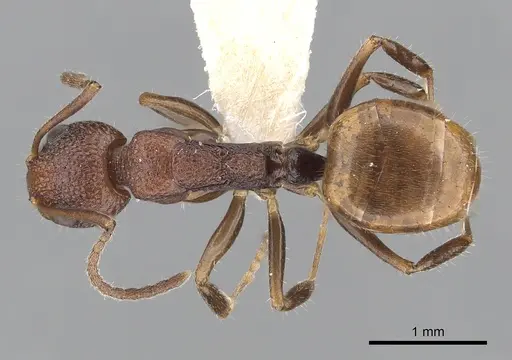
CASENT0886065
View on AntWeb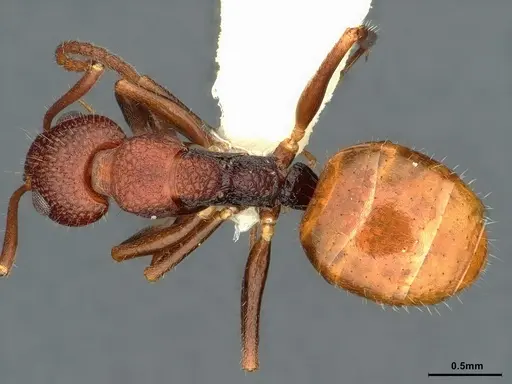
Literature
Loading...Loading products...