

Dolichoderus omacanthus
- Scientific Name
- Dolichoderus omacanthus
- Tribe
- Dolichoderini
- Subfamily
- Dolichoderinae
- Author
- Kempf, 1972
- Distribution
- Found in 1 countries
Dolichoderus omacanthus Overview
Dolichoderus omacanthus is an ant species of the genus Dolichoderus. It is primarily documented in 1 countries , including Brazil. Detailed taxonomic data and occurrence records can be further explored via authoritative databases such as AntWeb or the Global Biodiversity Information Facility (GBIF).
Dolichoderus omacanthus
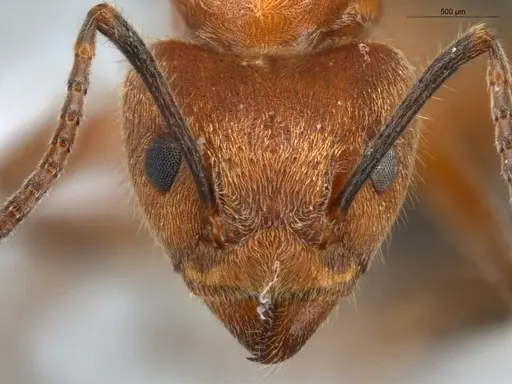
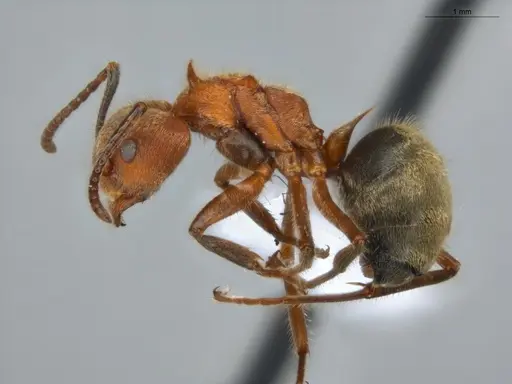
Dolichoderus omacanthus is a Neotropical ant species native to the Amazon region of Brazil. Workers are typical of the genus, with a dark body and the characteristic smooth, sloping mesosoma (middle body section) that distinguishes Dolichoderus from other ant groups. This species was originally described from the Manaus area in Amazonas, Brazil, where it inhabits the tropical rainforest environment [1]. Like other Dolichoderus species, they likely nest in rotting wood or under bark in humid forest habitats. The genus is known for producing defensive secretions when disturbed, giving them a distinctive smell.
Quick Summary
- Difficulty: Medium
- Origin & Habitat: Amazonas, Brazil, tropical rainforest environment. Known from the Manaus region, specifically Reserva Ducke [1].
- Colony Type: Colony structure is unconfirmed for this species. Most Dolichoderus species are monogyne (single queen colonies), but multi-queen colonies have been documented in some related species.
- Size & Growth:
- Queen: Unknown, no published measurements available for this species. Based on genus patterns, likely 7-10mm.
- Worker: Based on genus descriptions, workers are likely 3-5mm [1] (holotype worker measurements from type series).
- Colony: Unknown, no colony size data published. Related Dolichoderus species typically reach several hundred to a few thousand workers.
- Growth: Moderate, inferred from typical Dolichoderus development patterns.
- Development: Estimated 6-8 weeks at optimal tropical temperatures (25-28°C), based on genus-level data for related species. (Development time is estimated from related tropical Dolichoderus species, specific data for D. omacanthus is not available.)
- Antkeeping:
- Temperature: Keep at 24-28°C. As a tropical Amazon species, they need warm, stable temperatures. A heating cable on one side of the nest can create a gentle gradient.
- Humidity: High humidity required, think damp rainforest. Keep nest substrate consistently moist but not waterlogged. Provide a water reservoir in test tube setups. Mist the outworld occasionally.
- Diapause: Unlikely, as a tropical species from near the equator, they probably do not require a hibernation period. Keep temperatures stable year-round.
- Nesting: In nature they likely nest in rotting wood or under bark in humid forest habitats. In captivity, a Y-tong (AAC) nest or plaster nest works well. They prefer tight, humid chambers over open spaces. Avoid drying out the nest.
- Behavior: Dolichoderus ants are generally not aggressive but will defend themselves by spraying defensive secretions, this gives the genus its characteristic 'curry' or musty smell when disturbed. They are active foragers that search for honeydew and small prey. Workers are moderate in size and relatively fast-moving. Escape prevention should be moderate, they are not tiny ants but can still squeeze through small gaps if determined.
- Common Issues: tropical humidity requirements mean colonies can fail if kept too dry, limited published care information makes specific guidance uncertain, defensive secretions may be unpleasant in enclosed spaces, ensure good ventilation, wild-caught colonies from the Amazon may carry tropical parasites not adapted to captive conditions, temperature drops below 20°C can stress or kill colonies
Natural History and Origin
Dolichoderus omacanthus comes from the Amazon basin in Brazil, specifically the Manaus region of Amazonas state. The type specimens were collected from Reserva Ducke, a well-known research area in the Brazilian Amazon rainforest [1]. This habitat is characterized by high humidity, warm temperatures year-round, and dense tropical vegetation. The species was originally described as Dolichoderus omacanthus by Kempf in 1972 and later transferred to the genus Dolichoderus by Shattuck in 1992. In the wild, these ants likely inhabit the forest floor and lower canopy, nesting in rotting wood, under bark, or in soil cavities where humidity remains consistently high.
Housing and Nest Preferences
In captivity, Dolichoderus omacanthus does well in nests that maintain high humidity. A Y-tong (AAC) nest or plaster nest works well, both hold moisture better than acrylic and provide the damp conditions this species needs. Test tube setups can work for founding colonies, but monitor humidity carefully as the cotton plug can dry out. The nest should have tight chambers scaled to their size, avoid large, open spaces. Place the nest in a warm area (24-28°C) away from direct sunlight and drafts. The outworld can be a simple plastic container with a secure lid. Provide a water tube for drinking and mist the outworld occasionally to maintain humidity.
Feeding and Diet
Like most Dolichoderus species, D. omacanthus likely feeds on honeydew (the sugary liquid secreted by aphids and scale insects) and small insects in the wild. In captivity, offer sugar water or honey diluted with water as a constant energy source. For protein, provide small insects like fruit flies, small crickets, or mealworm pieces. Feed protein 2-3 times per week, and keep sugar water available at all times. Remove uneaten prey after 24-48 hours to prevent mold. These ants are foragers and will send workers out to collect food, so ensure the outworld allows easy access to the nest.
Temperature and Seasonal Care
As a tropical species from the Amazon, Dolichoderus omacanthus requires warm temperatures year-round. Keep the nest area at 24-28°C, this is ideal for brood development and colony activity. A small heating cable placed on one side of the nest can create a gentle temperature gradient, allowing ants to regulate their own exposure to warmth. Avoid temperatures below 20°C, as prolonged cold can weaken or kill the colony. Unlike temperate species, they do not require a winter diapause period. Maintain consistent warmth and humidity throughout the year. Room temperature in most homes (20-24°C) may be slightly cool, consider using a heat source if your room is on the cooler side.
Behavior and Defense
Dolichoderus ants have a unique defense mechanism, when threatened, workers spray a defensive secretion from their anal gland. This secretion gives the ants a distinctive smell often described as curry-like or musty. While not dangerous to humans, it can be unpleasant in enclosed spaces. The ants are not particularly aggressive and will typically flee rather than attack, but they will use this spray if cornered. In the outworld, they are active foragers that search systematically for food. Workers are moderately fast-moving and can be skittish. Provide a dark nesting chamber as they prefer dark, humid spaces for brood-rearing.
Frequently Asked Questions
How long does it take for Dolichoderus omacanthus to produce first workers?
Specific data is not available for this species, but based on related tropical Dolichoderus species, expect first workers (nanitics) approximately 6-8 weeks after the queen lays eggs, assuming optimal temperatures of 25-28°C.
What temperature do Dolichoderus omacanthus ants need?
Keep them warm at 24-28°C. As an Amazon tropical species, they need consistently warm conditions. Avoid temperatures below 20°C.
How big do Dolichoderus omacanthus colonies get?
Colony size is not documented for this specific species, but related Dolichoderus species typically reach several hundred to a few thousand workers.
Can I keep multiple Dolichoderus omacanthus queens together?
Colony structure is not documented for this species. Most Dolichoderus species are single-queen (monogyne) colonies. It is not recommended to combine unrelated foundress queens.
What do Dolichoderus omacanthus ants eat?
They likely accept sugar sources (honey water, sugar water) and small insects like fruit flies or small crickets, similar to related Dolichoderus species.
Do Dolichoderus omacanthus need hibernation?
No. As a tropical species from the Amazon region near the equator, they do not require a winter rest period. Keep temperatures stable year-round.
Is Dolichoderus omacanthus a good species for beginners?
This species is rated as medium difficulty. The main challenges are maintaining high humidity and warm temperatures year-round. If you can provide stable tropical conditions, they are manageable for intermediate antkeepers.
When should I move Dolichoderus omacanthus to a formicarium?
Wait until the colony has at least 20-30 workers and the test tube setup becomes cramped. This species prefers humid nests, so a Y-tong or plaster nest works better than dry acrylic.
Why is my Dolichoderus omacanthus colony dying?
Common causes include: temperatures too low (below 20°C), humidity too low (drying out), or stress from excessive disturbance. Check that the nest area is warm and consistently moist.
References

This caresheet is licensed under CC BY-SA 4.0 .
ECOFOG-HC-0001
View on AntWeb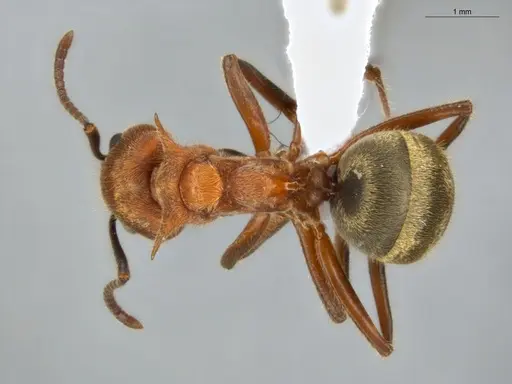
Literature
Loading...Loading products...