

Dolichoderus nigricornis
- Scientific Name
- Dolichoderus nigricornis
- Tribe
- Dolichoderini
- Subfamily
- Dolichoderinae
- Author
- Clark, 1930
- Distribution
- Found in 1 countries
Dolichoderus nigricornis Overview
Dolichoderus nigricornis is an ant species of the genus Dolichoderus. It is primarily documented in 1 countries , including Australia. Detailed taxonomic data and occurrence records can be further explored via authoritative databases such as AntWeb or the Global Biodiversity Information Facility (GBIF).
Dolichoderus nigricornis
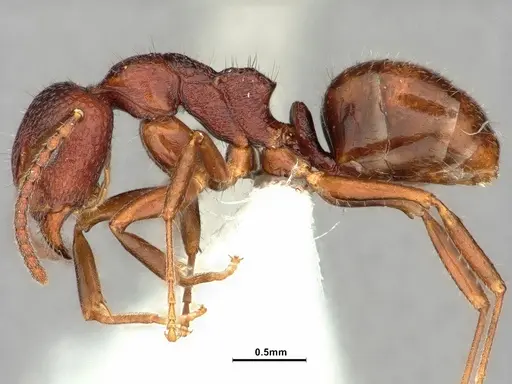
Dolichoderus nigricornis is an Australian ant species with a distinctive appearance, workers have a bright red to reddish-brown head and mesosoma that contrasts sharply with their dark brown to black abdomen (gaster). Workers measure 0.92-1.03mm in head length, making them a small to medium-sized ant [1]. This species is widespread across southern Australia, found in dry sclerophyll and riparian woodlands where they forage actively on trees and the ground [1][2].
These ants are diurnal foragers that travel in columns, searching for honeydew from aphids and other Hemiptera while also scavenging for protein sources [2]. Their colonies nest in soil under rocks, a common nesting preference among Australian Dolichoderus species. They are part of a genus endemic to Australia, making them a unique choice for antkeepers interested in keeping species outside the typical European and North American fare [2].
Quick Summary
- Difficulty: Medium
- Origin & Habitat: Southern Australia, dry sclerophyll and riparian woodlands. Nests in soil under rocks [1][2].
- Colony Type: Likely monogyne (single queen) based on typical Dolichoderus colony structure. Colony size appears moderate for the genus.
- Colony: Monogyne
- Founding: Claustral
- Size & Growth:
- Queen: Estimated 5-7mm based on genus patterns, direct measurements not available
- Worker: 0.92-1.03mm head length,0.78-0.90mm head width [1]
- Colony: Estimated several hundred workers based on genus patterns
- Growth: Moderate, typical for temperate Australian species
- Development: Estimated 6-10 weeks based on related Dolichoderus species and temperate development patterns (Development time is estimated, no direct studies found for this species. Expect similar timelines to other Australian Dolichoderus species.)
- Antkeeping:
- Temperature: Keep at 22-26°C. Southern Australia experiences moderate temperatures, so they do not need extreme heat. Room temperature within this range works well, with a slight gradient if possible.
- Humidity: Moderate, they tolerate drier conditions than many tropical species. Keep nest substrate lightly moist but allow some drying between waterings. Avoid constant saturation.
- Diapause: Yes, southern Australia has distinct seasons. Provide a winter rest period of 8-12 weeks at 10-15°C during austral winter (roughly June-August in the northern hemisphere timing, or align with your local winter).
- Nesting: Soil nests under rocks in nature, test tube setups work well for founding colonies. For established colonies, a naturalistic setup with a soil chamber and access to a foraging area mimics their natural habitat. Y-tong or plaster nests with soil chambers also work.
- Behavior: Workers are diurnal and active foragers that travel in columns along the ground and up vegetation [2]. They are general scavengers but also tend aphids and other Hemiptera for honeydew, meaning they will readily accept sugar water or honey. They are not particularly aggressive toward keepers but may spray formic acid when threatened, this is a mild defense mechanism typical of Dolichoderus ants. Escape prevention should be moderate as they are not tiny ants, but they are active and may explore beyond their nest. They do not have a painful sting.
- Common Issues: colonies may decline if kept too humid, they prefer drier conditions than many tropical ants, winter dormancy is important, skipping hibernation can weaken colonies over time, newly caught colonies may have parasites or diseases from the wild, quarantine and monitor closely, foraging columns mean they explore widely, ensure formicarium has secure boundaries, slow founding phase, claustral queens take time to raise first workers, patience is essential
Nest Preferences and Housing
In the wild, Dolichoderus nigricornis nests in soil under rocks, taking advantage of the stable microclimate beneath stones in their often harsh Australian habitats [1]. For captive care, test tube setups work well for founding colonies, the queen seals herself into a humid chamber where she raises her first brood. Once the colony reaches 20-30 workers, you can transition to a formicarium with a soil chamber. A naturalistic setup with a soil-filled chamber and a separate foraging area mimics their natural nesting preferences well. The soil layer should be lightly moist but not waterlogged, these ants are adapted to drier conditions than many rainforest species. Avoid overly compact soil, they prefer loose, workable substrate that allows for some tunnel construction.
Feeding and Diet
Dolichoderus nigricornis is a generalist forager with a particular fondness for honeydew. In captivity, offer sugar water, honey, or diluted maple syrup as a constant carbohydrate source, they will readily accept these. For protein, they scavenge and will take dead insects, small mealworms, fruit flies, and other small arthropods. They are diurnal foragers, so offer food in the morning or afternoon when workers are most active [2]. A varied diet helps maintain colony health, alternate between sugar sources and protein prey. Since they naturally tend aphids and other Hemiptera in the wild, they are well-adapted to processing sugary secretions. Feed protein prey 2-3 times per week for growing colonies, and keep sugar water available at all times.
Temperature and Seasonal Care
As a species from southern Australia, Dolichoderus nigricornis prefers moderate temperatures in the 22-26°C range. They do not require the high temperatures that tropical species need, and excessive heat can be harmful. Room temperature is often suitable for this species. During the austral winter (roughly June-August if mimicking southern hemisphere seasons, or your local winter), colonies benefit from a diapause period. Reduce temperatures to 10-15°C for 8-12 weeks. This winter rest period helps maintain colony health and aligns with their natural seasonal cycle. If you keep them at room temperature year-round without a winter break, the colony may become stressed and have reduced longevity. Watch for natural slowing of activity in winter, this signals when to reduce temperatures. [1]
Behavior and Colony Dynamics
Workers of Dolichoderus nigricornis are diurnal and form distinct foraging columns, they travel in organized lines along the ground and up vegetation, searching for food sources [2]. This behavior makes them entertaining to watch as workers stream back and forth between the nest and food sources. When threatened, Dolichoderus ants can spray formic acid as a defense mechanism, this is a mild irritant rather than a painful sting. The colony will typically retreat rather than attack aggressively. Queens are likely claustral founders, after mating, the queen seals herself into a chamber and raises her first workers alone, feeding them stored fat and trophic eggs until the nanitic (first) workers emerge. Growth is moderate, expect several months before you see significant colony expansion from a founding queen.
Frequently Asked Questions
How long does it take for Dolichoderus nigricornis to raise first workers?
Expect 6-10 weeks from egg to first worker under optimal conditions (22-26°C). This is an estimate based on related Dolichoderus species, direct development studies for this specific species are not available. The founding queen will be inactive while raising her first brood, sealed in her chamber.
What temperature range is best for Dolichoderus nigricornis?
Keep them at 22-26°C. They are from temperate southern Australia and do not need high temperatures. Room temperature is often suitable. Avoid temperatures above 30°C as this can stress the colony.
Do Dolichoderus nigricornis need hibernation?
Yes, they benefit from a winter rest period. Reduce temperatures to 10-15°C for 8-12 weeks during winter. This diapause period aligns with their natural seasonal cycle in southern Australia and helps maintain colony health long-term.
Can I keep multiple Dolichoderus nigricornis queens together?
This species is likely monogyne (single queen) in nature. Combining unrelated queens has not been documented and is not recommended, they would likely fight. Start with one queen per colony for best success.
What do Dolichoderus nigricornis eat?
They are generalist scavengers. Offer sugar water, honey, or maple syrup constantly for carbohydrates. For protein, provide small insects like fruit flies, mealworms, or dead arthropods. They naturally tend aphids for honeydew, so sugar sources are readily accepted.
How big do Dolichoderus nigricornis colonies get?
Colony size is estimated at several hundred workers based on genus patterns. They are not among the largest ant species, but established colonies can be quite active and impressive to watch due to their foraging behavior.
Are Dolichoderus nigricornis good for beginners?
They are rated as medium difficulty. They are more forgiving than tropical species regarding humidity but require proper winter dormancy. Their moderate size and non-aggressive nature make them manageable, but the need for seasonal cooling may require extra attention.
When should I move my colony to a formicarium?
Start with a test tube setup for the founding queen. Once the colony reaches 20-30 workers and you see workers actively foraging, you can transition to a formicarium with a soil chamber. A naturalistic setup with soil works well since they naturally nest under rocks in soil.
Why are my Dolichoderus nigricornis dying?
Common causes include: too high humidity (they prefer drier conditions), skipping winter dormancy, temperatures above 30°C, or stress from frequent disturbances. Also check for parasites in wild-caught colonies. Ensure the nest is not overly wet and that they have a proper winter rest period.
References

This caresheet is licensed under CC BY-SA 4.0 .
ANTWEB1008170
View on AntWeb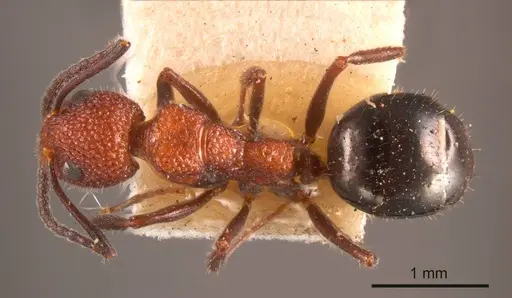
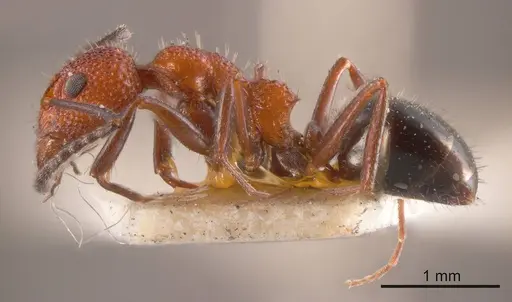
CASENT0886066
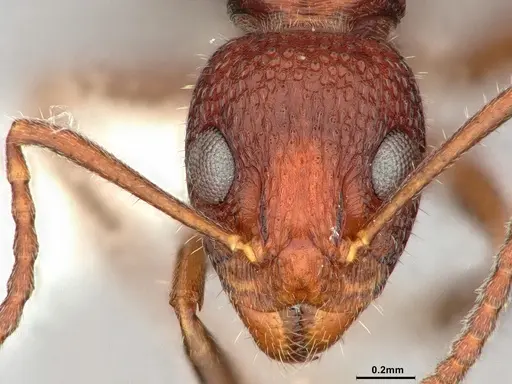
View on AntWeb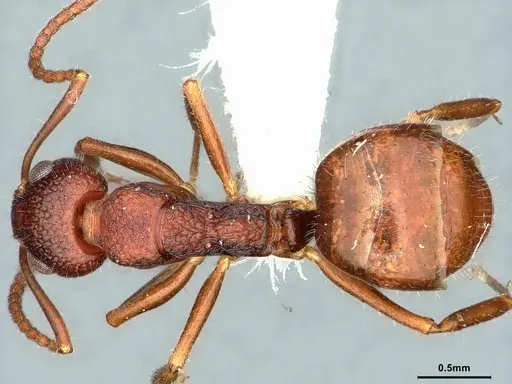
Literature
Loading...Loading products...