

Dolichoderus niger
- Scientific Name
- Dolichoderus niger
- Tribe
- Dolichoderini
- Subfamily
- Dolichoderinae
- Author
- Crawley, 1922
- Distribution
- Found in 1 countries
Dolichoderus niger Overview
Dolichoderus niger is an ant species of the genus Dolichoderus. It is primarily documented in 1 countries , including Australia. Detailed taxonomic data and occurrence records can be further explored via authoritative databases such as AntWeb or the Global Biodiversity Information Facility (GBIF).
Dolichoderus niger
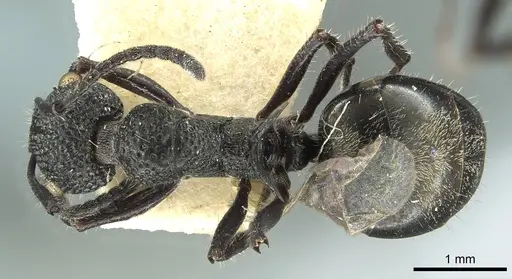
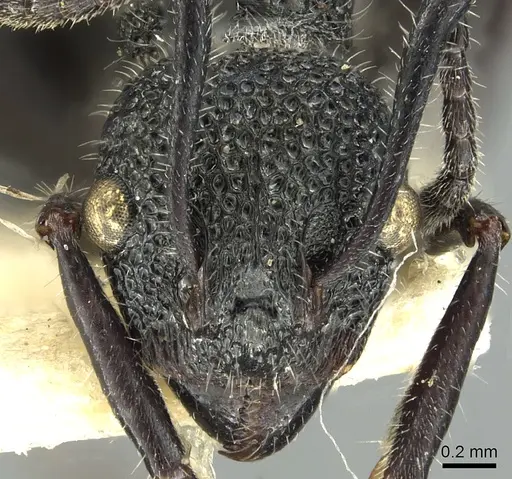
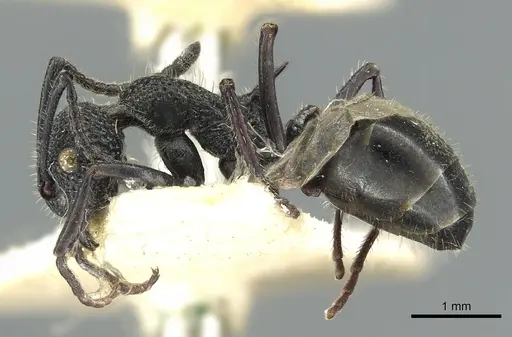
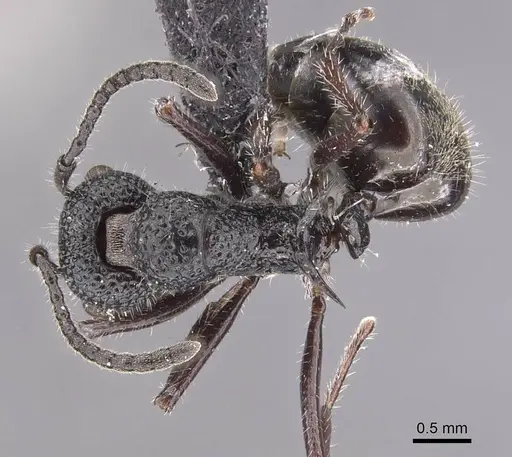
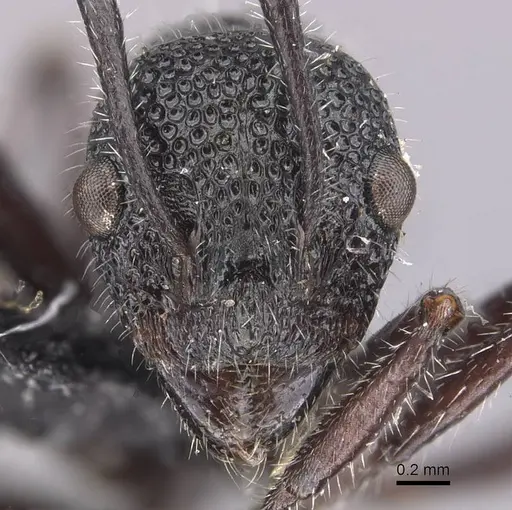
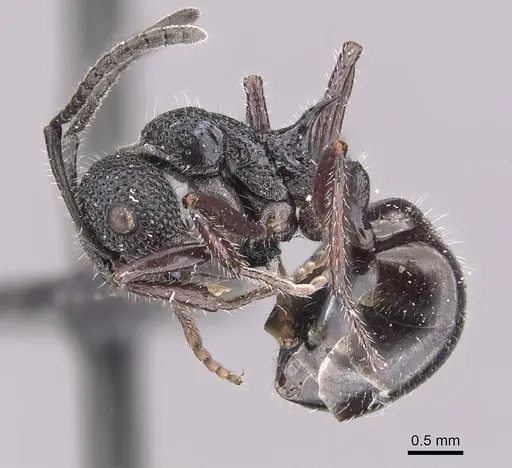
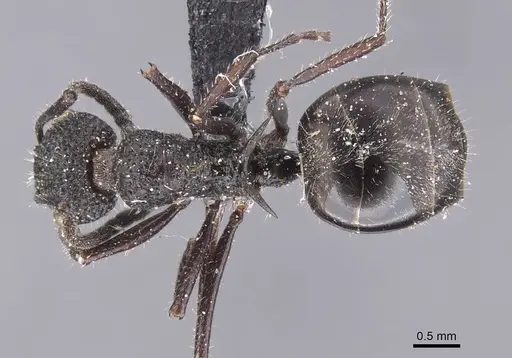
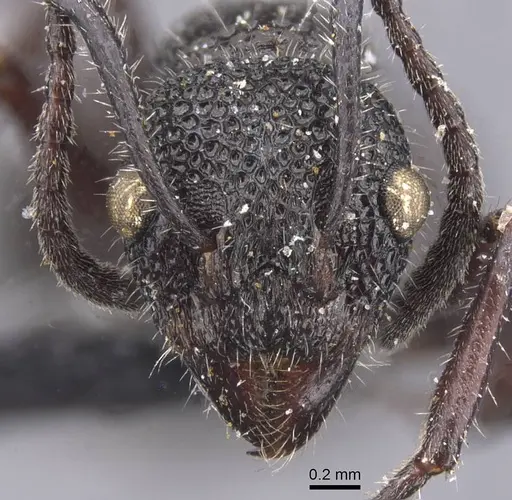
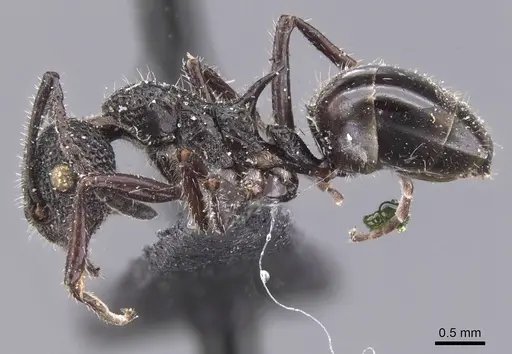
Dolichoderus niger is a small, dark ant species native to southern Western Australia. Workers measure 1.2-1.4mm in head width with long legs that are uniformly colored dark red-brown to reddish-black, distinguishing them from the similar D. rufotibialis which has bi-colored legs. The species has a rounded pronotum without spines and distinctive upward-directed propodeal spines forming a V-shape. This ant was originally described as a variety of D. ypsilon in 1922 before being elevated to full species status in 2013 [1].
These ants inhabit low mallee and scrub habitats across southern Western Australia, including relictual native woodlands in the Perth metropolitan area. Workers are diurnal foragers that scavenge and tend aphids and other Hemiptera for honeydew. They typically travel in columns along the ground or on low vegetation, nesting in soil under rocks or in rotten wood [2]. As with all Australian Dolichoderus species, D. niger is endemic to Australia and cannot be found anywhere else in the world.
Quick Summary
- Difficulty: Medium
- Origin & Habitat: Southern Western Australia, specifically low mallee and scrub habitats, including relictual native woodlands in the Perth metropolitan area [1][2].
- Colony Type: Colony structure is unconfirmed. Based on typical Dolichoderus patterns, likely single-queen colonies, but this requires verification.
- Size & Growth:
- Queen: Undocumented, estimated 5-7mm based on genus patterns
- Worker: 1.20-1.39mm head width,1.27-1.43mm head length [1]
- Colony: Unknown, likely moderate colonies typical of Dolichoderus genus
- Growth: Moderate, inferred from genus patterns
- Development: Estimated 6-10 weeks based on related Dolichoderus species at optimal temperature (Direct development data unavailable for this species, estimate based on genus-level patterns)
- Antkeeping:
- Temperature: Keep at 22-26°C. Australian species from temperate regions can tolerate slightly cooler conditions, but warmth accelerates development. A heating cable on one side of the nest creates a useful gradient.
- Humidity: Moderate humidity around 50-70%. These ants nest in soil under rocks in nature, so keep the nest substrate slightly moist but not waterlogged. Allow some drier areas for workers to regulate their own moisture needs.
- Diapause: Likely required. Western Australian temperate ants typically need a winter rest period of 8-12 weeks at 10-15°C. Reduce feeding and keep them cool during this period.
- Nesting: Natural nesting is in soil under rocks or in rotten wood. In captivity, a Y-tong (AAC) nest or plaster nest works well. Provide a moisture source and ensure chambers are appropriately sized for their small worker size.
- Behavior: Workers are diurnal and relatively active during daylight hours. They forage in columns and will readily tend aphids for honeydew in addition to scavenging protein. They are not particularly aggressive but will defend their colony if threatened. Escape risk is moderate due to their small size, use standard barrier methods like fluon on test tube rims. They are generalist scavengers with moderate activity levels.
- Common Issues: limited availability, this species is rarely available in the antkeeping hobby due to its restricted range, escape prevention, small worker size means they can slip through small gaps, check all connections regularly, slow colony growth, like many Dolichoderus, colonies may grow slowly initially, requiring patience, humidity management, overwatering can cause fungal problems, monitor substrate moisture carefully, winter mortality, colonies that aren't given proper diapause conditions often fail to thrive the following season
Housing and Nest Setup
Dolichoderus niger workers are small at around 1.2-1.4mm, so nest chambers should be appropriately scaled. Y-tong (AAC) nests work well for this species, providing good visibility and humidity control. Alternatively, plaster nests with built-in water reservoirs maintain stable moisture levels. Since they naturally nest under rocks or in rotten wood, a naturalistic setup with a soil layer and flat stones can also work, though it makes observation more difficult.
The outworld should include a water source and allow for easy feeding. These ants forage actively, so provide enough space for them to travel between the nest and food areas. Standard test tube setups work for founding colonies, but be prepared to move them to a proper formicarium once the colony reaches 20-30 workers. Escape prevention is important, check that all connections and lids are secure, as small workers can slip through tiny gaps. [2]
Feeding and Diet
In the wild, D. niger workers are general scavengers that also tend aphids and other Hemiptera for honeydew. They forage in columns along the ground and low vegetation, collecting both protein and sugar sources [2]. In captivity, offer a varied diet: sugar water or honey should be available constantly, and protein sources like small crickets, mealworms, or other insects should be offered 2-3 times per week.
Since they naturally tend aphids, they may also accept aphid colonies or aphid sugar secretions if you want to replicate their natural behavior. Remove uneaten protein within 24-48 hours to prevent mold. Young colonies can be fed more frequently with smaller portions, while established colonies can handle larger prey items.
Temperature and Seasonal Care
Maintain nest temperatures around 22-26°C for optimal brood development. Australian species from temperate regions like Western Australia can tolerate brief cool periods, but consistent warmth produces better results. A heating cable placed on one side of the nest creates a temperature gradient that allows ants to self-regulate.
As a species from southern Western Australia, D. niger likely requires a diapause period during winter. Reduce temperatures to 10-15°C for 8-12 weeks during the cooler months, gradually transitioning in and out. During diapause, reduce feeding significantly but ensure water is still available. Do not feed during the deepest part of winter rest. [1]
Colony Development and Growth
Little specific data exists on the development timeline for D. niger. Based on typical Dolichoderus genus patterns, expect 6-10 weeks from egg to first worker at optimal temperatures. Founding colonies may take several months to establish their first workers, so patience is essential.
Colony growth is likely moderate rather than fast. Unlike some tropical species that can explode in population, Dolichoderus colonies tend to grow steadily but slowly. A mature colony likely reaches several hundred workers, though exact maximum sizes for this species are undocumented. Focus on consistent care rather than expecting rapid expansion.
Behavior and Observation
D. niger workers are diurnal and relatively easy to observe. They show characteristic Dolichoderus behavior: active foraging in columns, tending hemiptera for honeydew, and moderate defensiveness when their nest is disturbed. Unlike some aggressive ant species, they are generally calm and won't aggressively swarm unless the nest is directly threatened.
Their small size and dark coloration make them visually distinctive. Watch for their characteristic foraging patterns, they often establish trails between the nest and food sources. They are not known for being particularly escape-prone compared to some tiny species, but standard precautions should still be taken. [2]
Frequently Asked Questions
How long does it take for Dolichoderus niger to get their first workers?
Direct data is unavailable, but based on typical Dolichoderus development, expect 6-10 weeks from egg to first worker at optimal temperature (22-26°C). Founding colonies require patience, the queen will remain sealed in her chamber raising brood until the first nanitic workers emerge.
What do Dolichoderus niger ants eat?
They are generalist scavengers that accept both sugar and protein. Offer sugar water or honey constantly, and protein sources like small insects 2-3 times weekly. They also naturally tend aphids for honeydew, so aphid colonies or honeydew substitutes may be accepted.
What temperature do Dolichoderus niger ants need?
Keep the nest at 22-26°C. A heating cable on one side creates a gradient. They can tolerate slightly cooler conditions since they're from temperate Western Australia, but warmth speeds up brood development.
Do Dolichoderus niger ants need hibernation?
Yes, likely required. As a species from southern Western Australia's temperate climate, they probably need 8-12 weeks of winter rest at 10-15°C. Reduce feeding and keep them cool during this period.
How big do Dolichoderus niger colonies get?
Exact maximum colony size is undocumented for this species. Based on genus patterns, expect moderate colonies of several hundred workers. They are not known for forming supercolonies.
Can I keep multiple Dolichoderus niger queens together?
Colony structure is unconfirmed for this species. Without documented evidence of polygyny, it's not recommended to combine unrelated queens. Single-queen colonies are the safest approach for beginners.
Are Dolichoderus niger good for beginners?
This species is rated as medium difficulty. While not the most challenging species, they are rarely available in the antkeeping hobby due to their restricted range in Western Australia. They require typical antkeeping skills but aren't particularly difficult once established.
Why is my Dolichoderus niger colony dying?
Common causes include: improper humidity (too wet causes fungal problems, too dry causes desiccation), lack of proper diapause, overfeeding leading to mold, or temperatures outside their preferred range. Check all environmental parameters and adjust accordingly.
Where is Dolichoderus niger found in the wild?
This species is restricted to low mallee and scrub habitats across southern Western Australia, including relictual native woodlands in the Perth metropolitan area. All Australian Dolichoderus species are endemic to Australia.
How do I identify Dolichoderus niger?
Workers have uniformly dark red-brown to reddish-black legs (unlike the bi-colored legs of similar species D. rufotibialis), a rounded pronotum without spines, and distinctive upward-directed propodeal spines forming a V-shape. They are small ants around 1.2-1.4mm in head width.
References

This caresheet is licensed under CC BY-SA 4.0 .
Literature
Loading...Loading products...