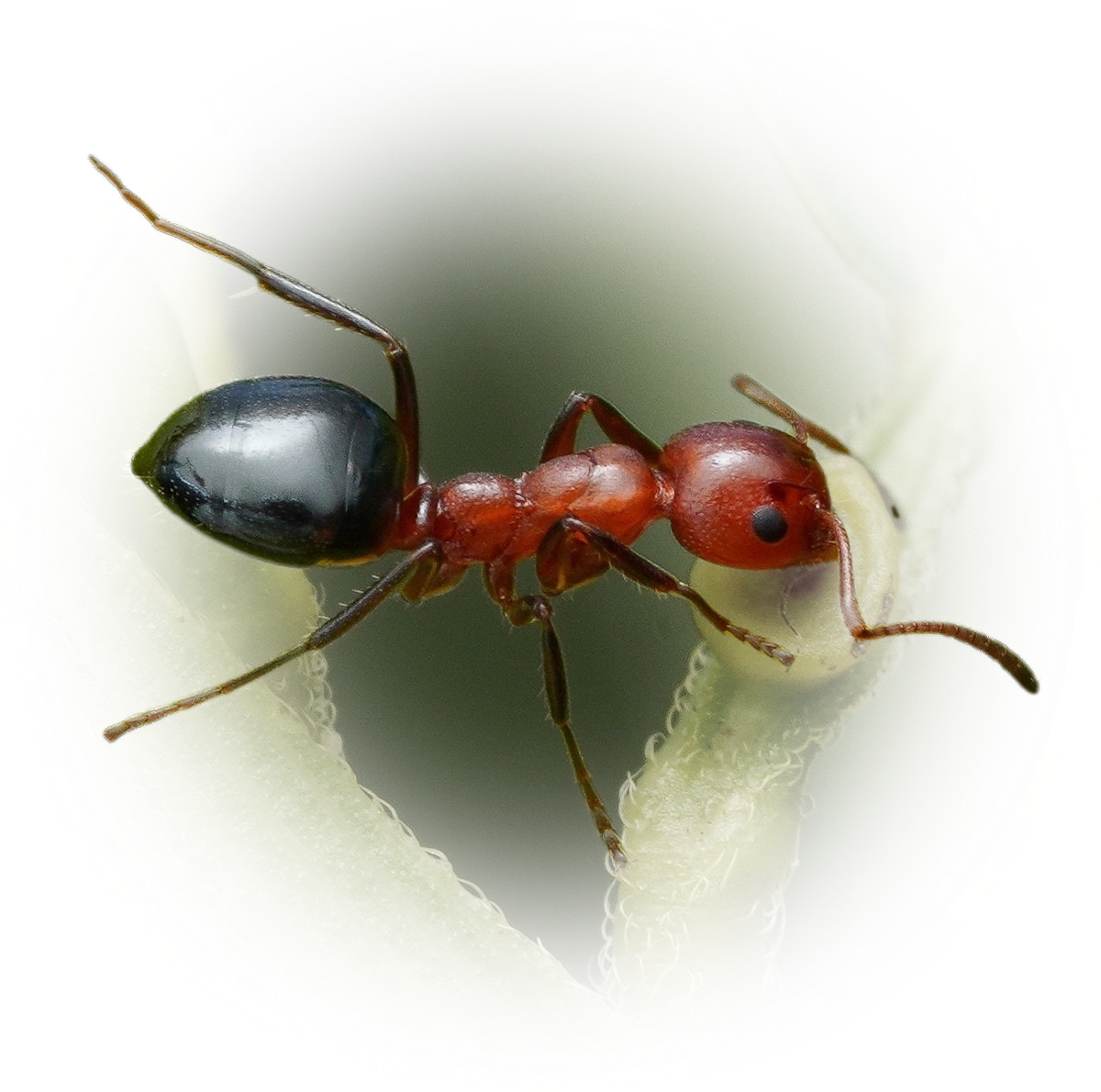

Dolichoderus mariae
- Scientific Name
- Dolichoderus mariae
- Tribe
- Dolichoderini
- Subfamily
- Dolichoderinae
- Author
- Forel, 1885
- Common Name
- Mary's Odorous Ant
- Distribution
- Found in 2 countries
Dolichoderus mariae Overview
Dolichoderus mariae (commonly known as the Mary's Odorous Ant) is an ant species of the genus Dolichoderus. It is primarily documented in 2 countries , including Canada, United States of America. Detailed taxonomic data and occurrence records can be further explored via authoritative databases such as AntWeb or the Global Biodiversity Information Facility (GBIF).
Dolichoderus mariae - "Mary's Odorous Ant"
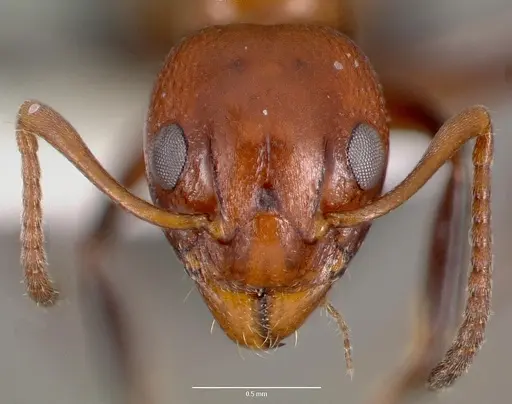
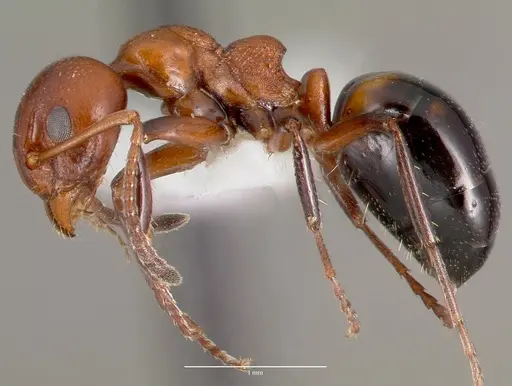
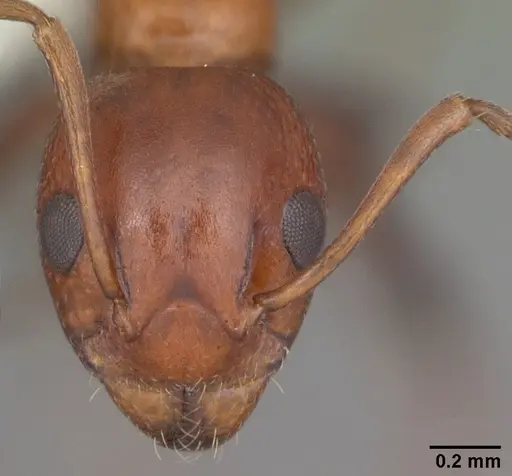
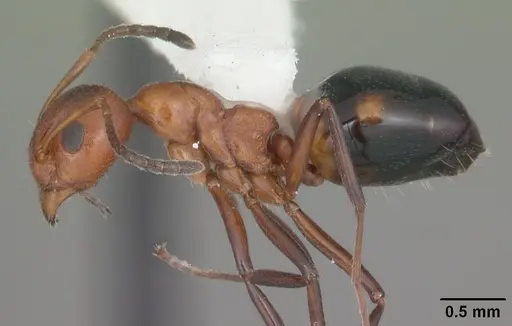
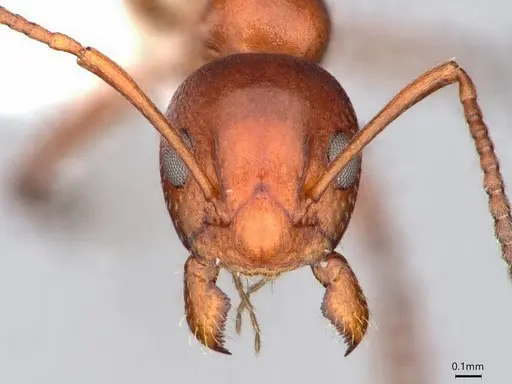
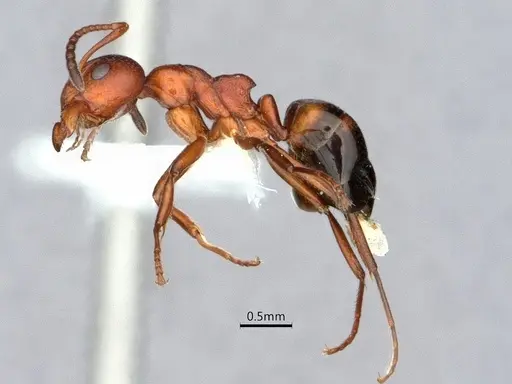
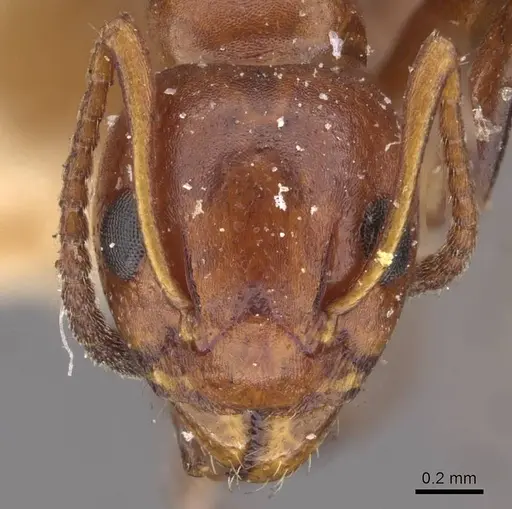
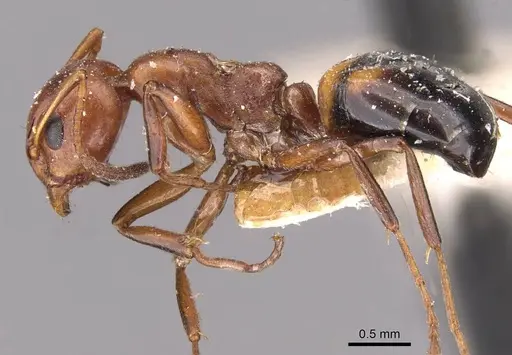
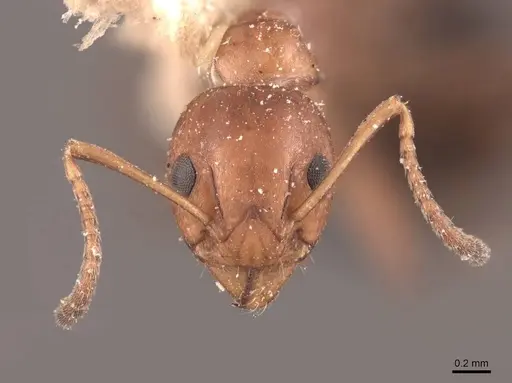
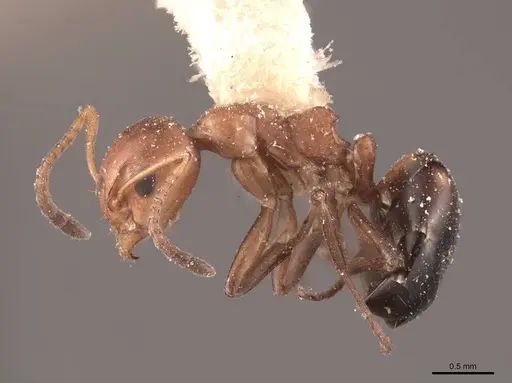
Dolichoderus mariae is a distinctive North American ant known for its striking bicolored appearance, a reddish-brown head and mesosoma contrasting with a dark brown to black abdomen. Workers measure 3.5-4.5mm and lack the erect hairs typical of many ant species, giving them a relatively smooth look [1]. This ground-nesting species creates fascinating thatch mounds from plant material and is famous for its highly social structure, colonies are polygyne (multiple queens) and polydomous (maintaining many connected nests) [2]. The ants are remarkably docile and slow-moving, you can literally insert your finger deep into a colony without panicking them [2]. They are primarily honeydew consumers that tend large aphid and scale insect colonies, supplemented by scavenging dead insects.
Quick Summary
- Difficulty: Medium
- Origin & Habitat: Eastern United States from Massachusetts west through Illinois to Minnesota and Oklahoma, south to Florida and Mississippi. Also found in Mexico and recently Saskatchewan, Canada [1][3]. In the wild, they inhabit moist areas including bogs, swamps, and marsh edges, typically nesting under wiregrass clumps, blackberry plants, or cattails with fibrous root systems [2][4]. They prefer sandy soils and are commonly found in pine flatwoods and woodland edges [5][6].
- Colony Type: Highly polygyne (multiple queens) and polydomous (multiple connected nests). Colonies expand from 1-2 overwintering nests to up to 60 satellite nests during summer, connected by above-ground trails [2]. Worker-to-queen ratio varies seasonally, around 300 workers per queen in midsummer versus 2,000-2,400 in fall/winter [2].
- Colony: Optionally polygyne
- Founding: Claustral, Pleometrosis
- Size & Growth:
- Queen: Not specifically measured in papers, queens become physogastric (abdomen swollen with eggs) [2]
- Worker: 3.5-4.5mm [1], some sources cite 5.5-6.5mm [7]
- Colony: 1,000-10,000 workers per colony [8]. Individual nest units contain 13,000-76,000 workers depending on season [2]
- Growth: Moderate, egg to worker timeline not directly measured, but colonies produce workers year-round with peaks in fall [2]
- Development: Approximately 6-8 weeks estimated based on related Dolichoderus species and seasonal production patterns [9]. Eggs laid in late May-June develop into workers by August-September [9]. (Only 3-5% of eggs survive to adulthood. Queen egg-laying rate depends heavily on worker numbers, queens with 30 workers lay 22.4 eggs/day versus nearly zero without workers [2].)
- Antkeeping:
- Temperature: Keep at room temperature, roughly 20-24°C. In the wild, nuptial flights occur between 56-74°F (about 13-23°C), with most activity in the 60-70°F range [10]. Avoid temperatures above 25°C as flights stop above 74°F. A gentle gradient is beneficial.
- Humidity: This species prefers moist conditions. In the wild, they nest in low areas near marshes, bogs, and swamps [4]. Keep the nest substrate consistently damp but not waterlogged. They do well with a water tube or moisture chamber.
- Diapause: Yes, colonies contract to 1-2 overwintering nests during winter and show minimal brood production from October through January [2]. Reduce temperature to around 10-15°C for 2-3 months during winter, mimicking their natural cycle.
- Nesting: Ground-nesting species that does well in naturalistic setups with soil or sandy substrate. They build thatch mounds from plant material in captivity, so provide dried leaves, grass, or other plant matter they can shred [2]. A Y-tong or acrylic nest with a dirt section works well. They need vertical space for their thatch structures.
- Behavior: Dolichoderus mariae is exceptionally docile and slow-moving. They are not aggressive and rarely bite. Workers tend aphids and scale insects for honeydew and scavenge dead insects, they do not hunt live prey [2]. They build extensive trail networks between their multiple nests and are highly tolerant of handling. Escape risk is moderate, workers are 3.5-4.5mm so standard barriers work well. They produce anal gland secretions for defense rather than stinging.
- Common Issues: colonies are polygyne and polydomous, keeping them in a single nest may cause stress, they need space for multiple chambers and trails, queen egg-laying depends heavily on worker numbers, isolated queens or small groups will stop laying eggs within days [2], low egg survival rate (3-5%) means colonies grow slowly, don't be alarmed if many eggs don't make it, winter contraction is normal, don't mistake reduced activity for death, they reduce to 1-2 nests, they produce thatch mounds in captivity which can mold if humidity is too high, ensure good ventilation while maintaining moisture
Housing and Nest Setup
Dolichoderus mariae is a ground-nesting ant that requires a naturalistic or hybrid setup to thrive. They excavate chambers under plants with fibrous roots and build distinctive thatch mounds from shredded plant material [2]. In captivity, provide a nest area with moist sandy soil or a dirt section in a hybrid formicarium. Add dried leaves, grass clippings, or small plant matter on top, the ants will shred these to create their characteristic thatch dome [2]. A water tube connected to a cotton reservoir maintains humidity without flooding. Because they are polydomous (maintaining multiple nests), they do best with more space than a single compact nest, consider connecting multiple chambers or providing room for expansion. Standard escape prevention works well since workers are 3.5-4.5mm, but ensure all connections are secure.
Feeding and Diet
These ants are primarily honeydew consumers. In the wild, they tend large colonies of aphids and scale insects, visiting multiple plant species including longleaf pine, turkey oak, saw palmetto, and gallberry [2]. They supplement their diet by scavenging dead insects within their territory. In captivity, offer sugar water or honey constantly, they readily accept sweet liquids. For protein, provide small dead insects like fruit flies, small crickets, or mealworms. They are not active hunters and won't chase live prey. Feed sugar sources 2-3 times per week and protein every 1-2 weeks. Remove uneaten protein after 48 hours to prevent mold. The ants are slow-moving foragers that use established trails, so place food near their main chambers [2][11].
Seasonal Care and Overwintering
Dolichoderus mariae has a dramatic seasonal cycle that you should replicate for long-term colony health. From spring through summer, colonies expand dramatically, starting with 1-2 overwintering nests and expanding to up to 60 satellite nests by late summer, all connected by above-ground trails [2][12]. During this expansion phase, the colony produces the most brood and sexuals. By October, colonies begin contracting back to 1-2 main nests. In winter (roughly November through February), activity drops significantly, no eggs, larvae, or brood are present, and worker numbers in each nest-unit drop to their lowest [2]. Provide a winter rest period of 2-3 months at 10-15°C. Do not be alarmed when the colony seems to disappear into fewer nests, this is normal behavior. The ants may form a small thatch dome even in winter if temperatures occasionally warm. Resume normal feeding and warming in early spring as queens become physogastric and egg-laying resumes [2].
Colony Structure and Multi-Queen Care
This species is one of the most highly social ants you can keep, they are naturally polygyne (multiple queens) and polydomous (multiple nests) [2]. Unlike most ants where multiple queens lead to fighting, D. mariae queens coexist peacefully and actively produce eggs together. The worker-to-queen ratio changes dramatically through the year, roughly 300 workers per queen during peak summer reproduction versus 2,000-2,400 workers per queen in fall and winter [2]. This means your colony needs many workers to support egg production. Queens can lay 33+ eggs per day initially, but this drops to near zero if accompanied by fewer than 5 workers [2]. When setting up a colony, aim for at least 30 workers per queen for sustained egg production. The ants maintain absolute territorial boundaries, if you combine workers from different colonies, they will fight [2]. Only keep ants from the same colony together.
Nuptial Flights and Reproduction
If your colony produces alates (reproductives), you'll witness an impressive display. Mating flights occur in early morning, typically between 7:00 and 8:30 a.m., the day after heavy rains [2]. Flights occur from July through September, with peak activity in August [10][9]. Males begin flying at around 58-67°F while females wait until 63-67°F, flights stop entirely above 74°F [10]. Thousands of alates can participate in a single flight. Interestingly, most female alates (roughly 95%) stay in the nest and mate there rather than flying away, while males disperse widely [2]. Workers actively assist, touching and pulling alates to encourage upward movement for takeoff, or herding them back down if weather turns bad [10]. If you want to capture alates for breeding, place a light trap or collection container near the nest during July-September early morning hours after rain.
Frequently Asked Questions
How long does it take for Dolichoderus mariae to produce first workers?
Based on related Dolichoderus species and their seasonal cycle, expect approximately 6-8 weeks from egg to worker at room temperature [9]. However, note that only 3-5% of eggs survive to adulthood, so don't be alarmed by low numbers [2]. Queens need at least 30 workers to sustain egg production, smaller groups will stop laying within days [2].
Can I keep multiple queens together in one nest?
Yes, this species is naturally polygyne, meaning multiple queens coexist peacefully in the same colony [2]. In fact, queens actually need each other, isolated queens stop laying eggs quickly. The worker-to-queen ratio is critical though, aim for at least 30 workers per queen for sustained reproduction. Never combine ants from different colonies as they will fight [2].
What do Dolichoderus mariae eat?
They are primarily honeydew consumers. Offer sugar water or honey constantly as a carbohydrate source. For protein, provide small dead insects like fruit flies, small crickets, or mealworms every 1-2 weeks. They are scavengers, not hunters, so prey should be dead or disabled. They will also tend aphids if present in their setup [2].
Do they need hibernation or winter rest?
Yes, they require a winter rest period. In the wild, colonies contract to 1-2 nests from October through January with virtually no brood production [2]. Reduce temperature to 10-15°C for 2-3 months during winter. This is essential for colony health, without proper seasonal cycling, queens may not become physogastric and egg production will suffer in spring.
Are Dolichoderus mariae good for beginners?
They are intermediate in difficulty. While remarkably docile and tolerant of handling, their complex polydomous social structure and seasonal nesting requirements make them more challenging than simple species. They need more space than typical single-nest ants and require proper winter rest. The slow growth rate (only 3-5% egg survival) can be frustrating. They are excellent for antkeepers ready to move beyond beginner species like Lasius or Tetramorium.
Why did my colony disappear to just one or two nests?
This is completely normal seasonal behavior. D. mariae is polydomous, colonies expand to up to 60 nests in summer but contract dramatically each winter [2]. By mid-winter, they typically occupy only 1-2 overwintering nests. The ants haven't died, they've consolidated. Don't dig them up or disturb them during this period. Reduce feeding and temperature slightly, and watch for expansion again in spring.
When will my colony produce alates (queens and males)?
Colonies produce sexuals (alates) primarily in July, with an average of 480 males and 380 females per nest [2]. Sexual larvae appear in April and peak in July. Nuptial flights occur July-September, typically after heavy rains in early morning [2]. To encourage alate production, ensure the colony is well-established (1,000+ workers), feed generously through spring and summer, and maintain proper seasonal cycling with winter cooling.
How big do Dolichoderus mariae colonies get?
Colony size ranges from 1,000 to 10,000 workers depending on maturity [8]. Individual nest units contain 13,000-76,000 workers depending on season, the highest numbers occur October through January, dropping to the lowest April through July when queens are producing heavily [2]. A mature colony can occupy up to 60 connected nests in summer.
References

This caresheet is licensed under CC BY-SA 4.0 .
ANTWEB1038003
View on AntWeb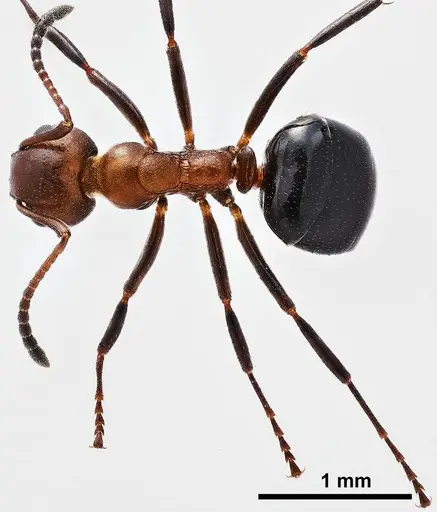
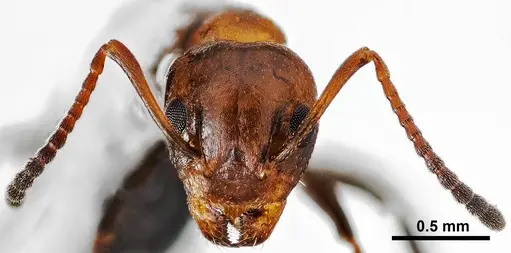
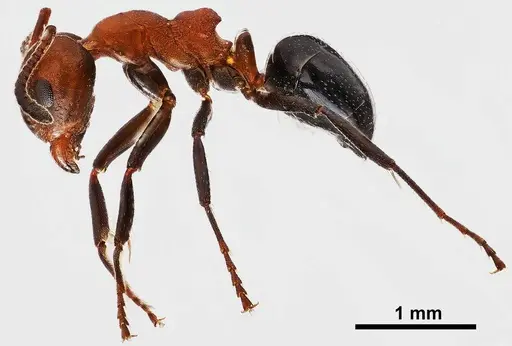
CASENT0003312
View on AntWeb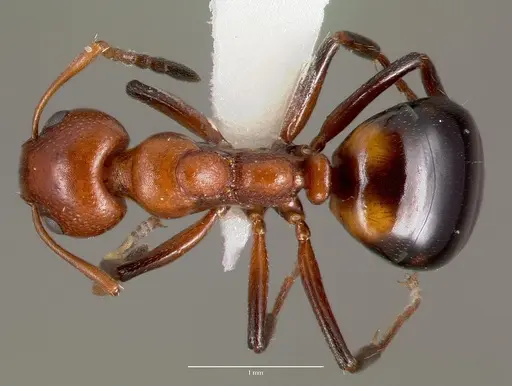
CASENT0103850
View on AntWeb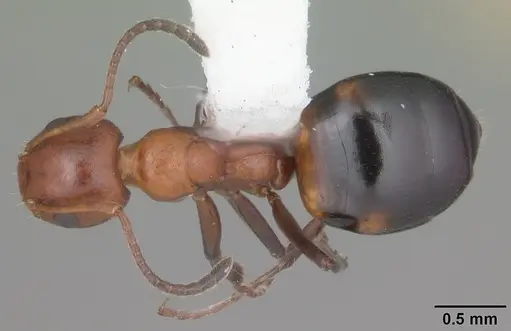
CASENT0170173
View on AntWeb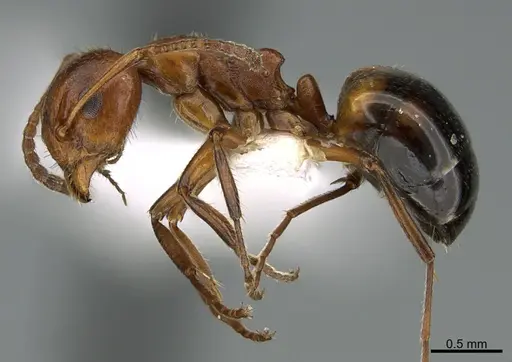
CASENT0886000
View on AntWeb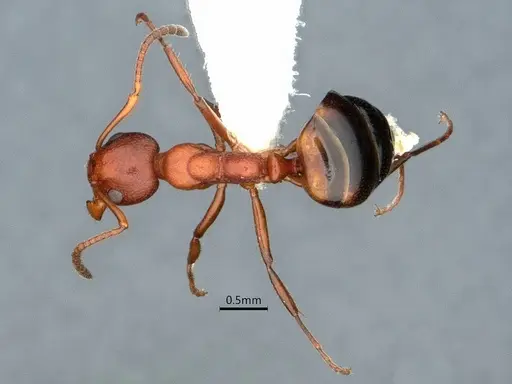
CASENT0909456
View on AntWeb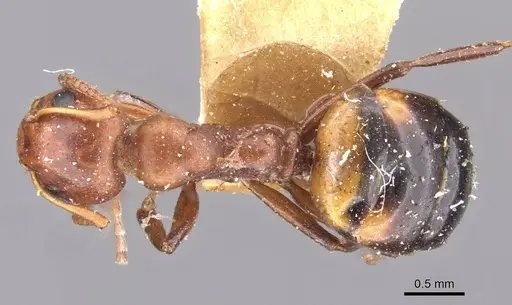
FMNHINS0000045063
View on AntWeb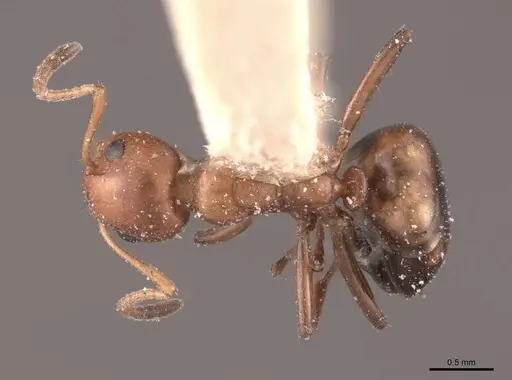
Literature
Loading...Loading products...