

Dolichoderus lutosus
- Scientific Name
- Dolichoderus lutosus
- Tribe
- Dolichoderini
- Subfamily
- Dolichoderinae
- Author
- Smith, 1858
- Distribution
- Found in 12 countries
Dolichoderus lutosus Overview
Dolichoderus lutosus is an ant species of the genus Dolichoderus. It is primarily documented in 12 countries , including Brazil, Colombia, Costa Rica. Detailed taxonomic data and occurrence records can be further explored via authoritative databases such as AntWeb or the Global Biodiversity Information Facility (GBIF).
Dolichoderus lutosus
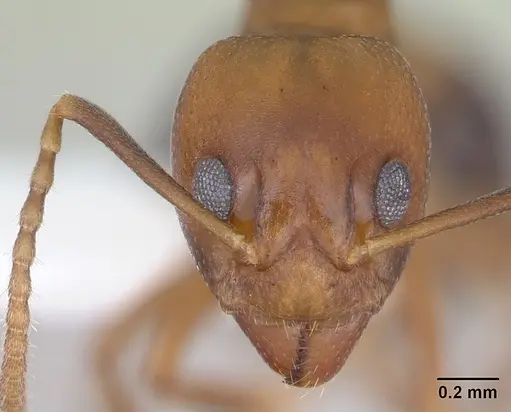
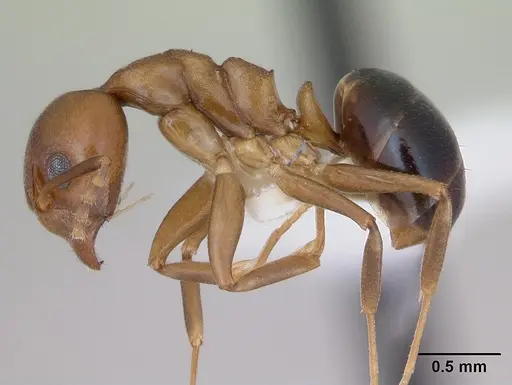
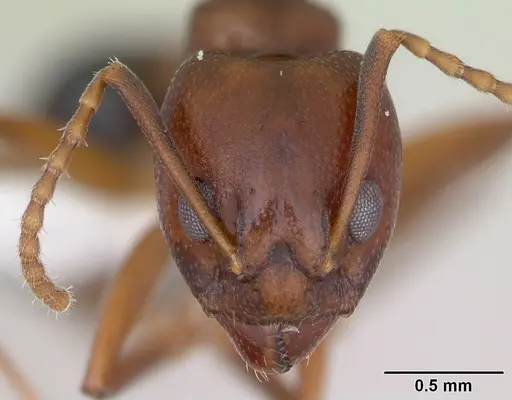
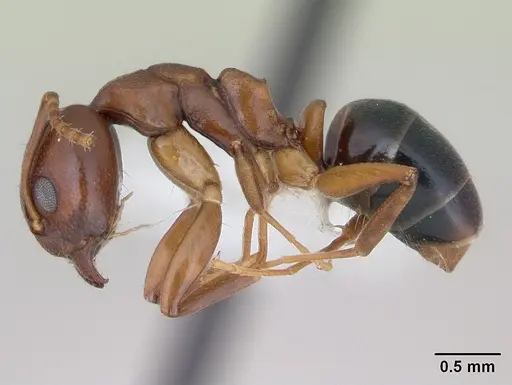
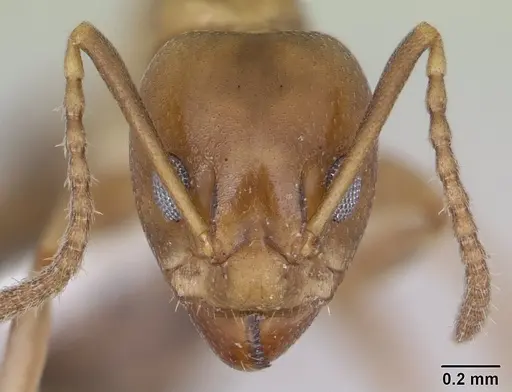
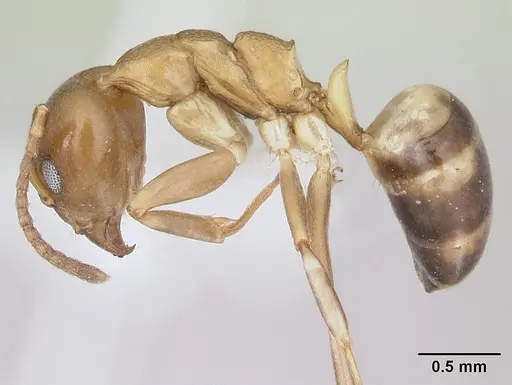
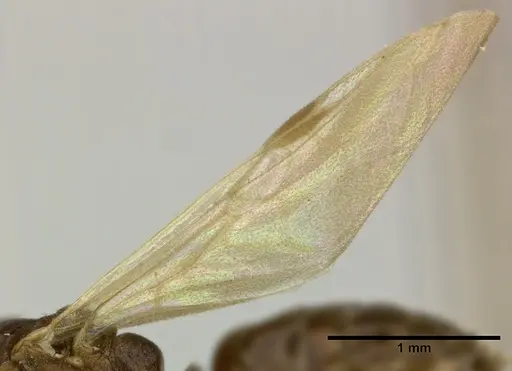
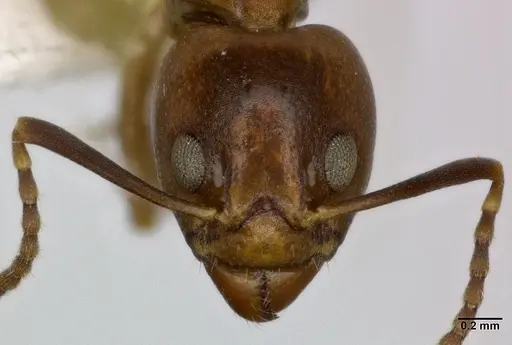
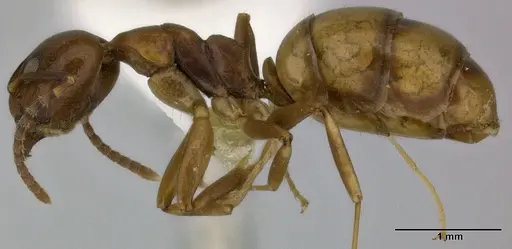
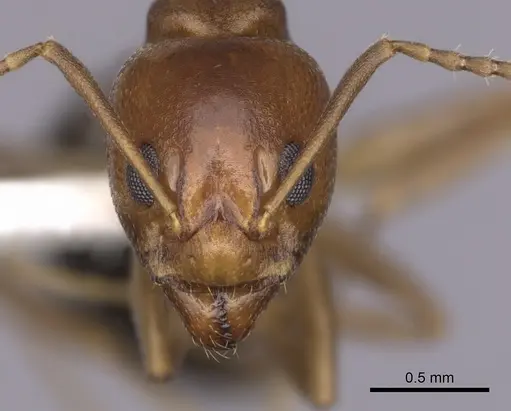
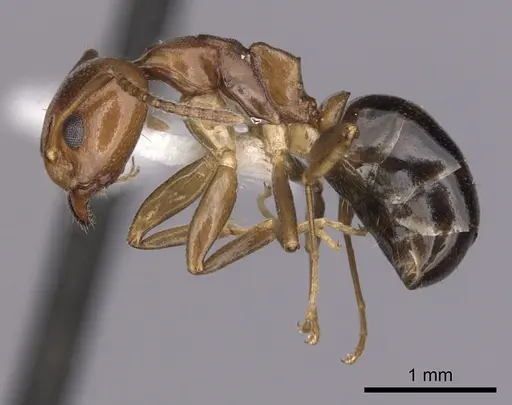
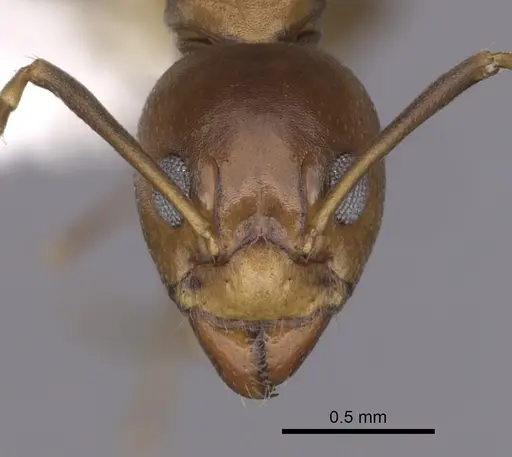
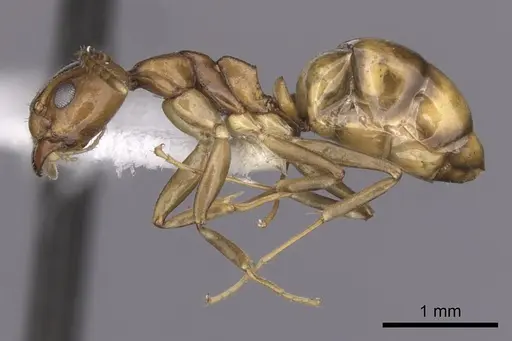
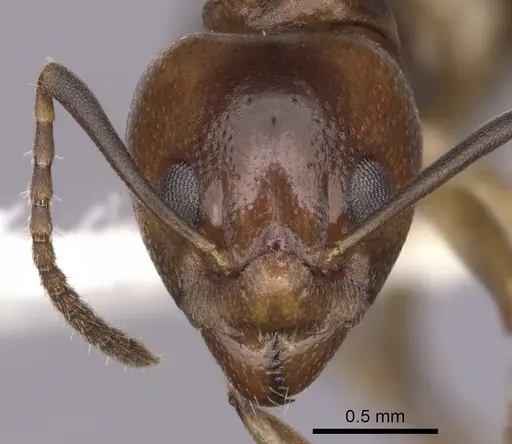
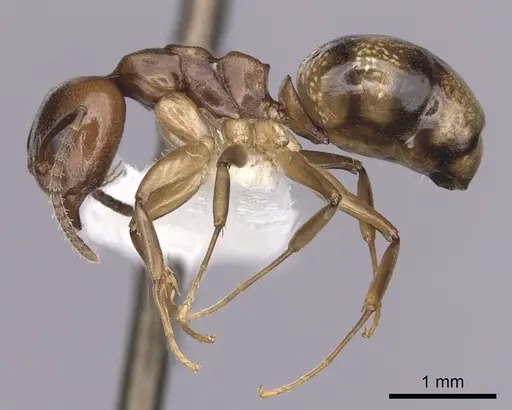
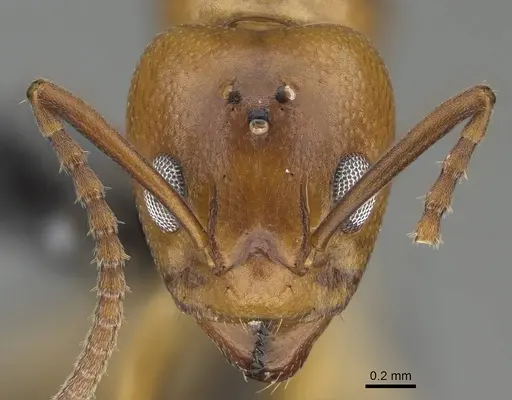
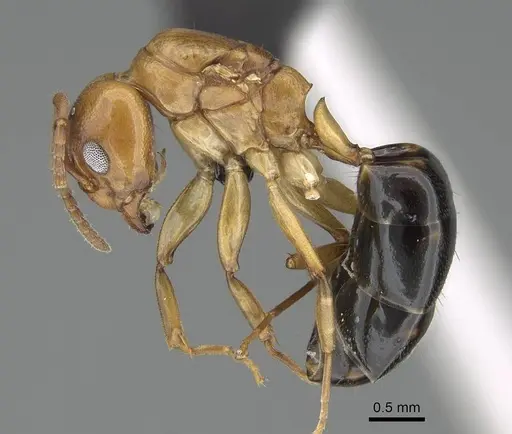
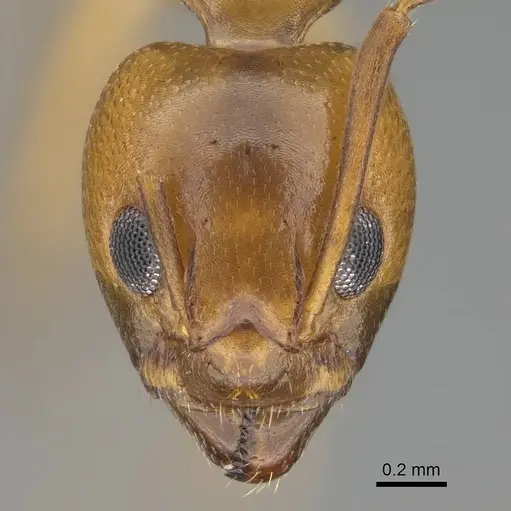
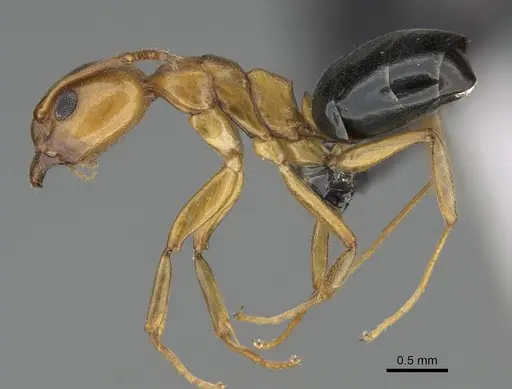
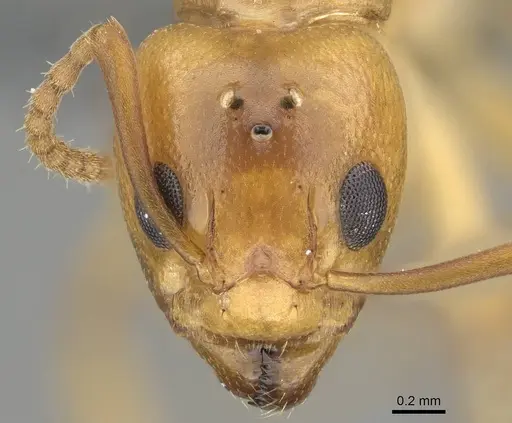
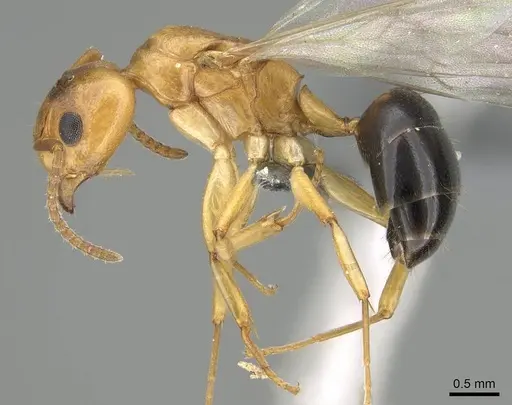
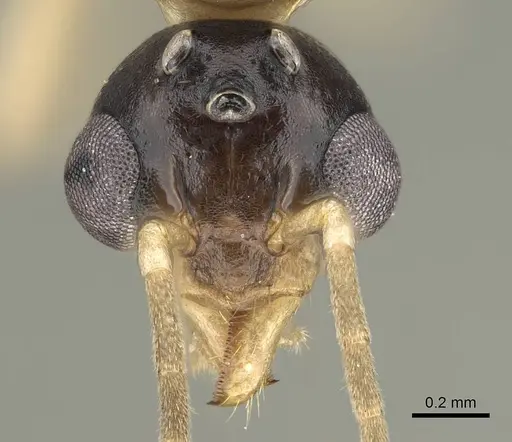
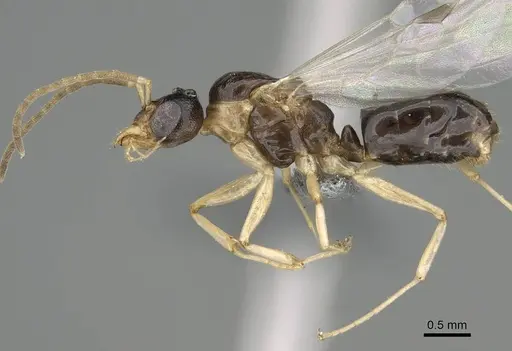
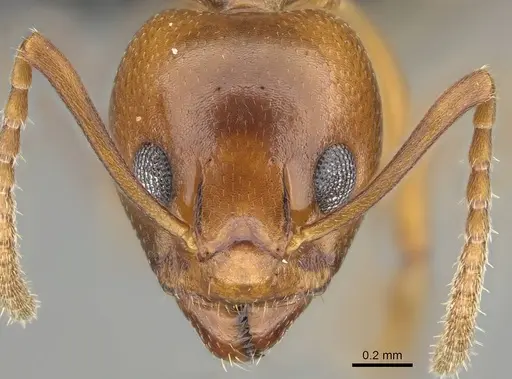
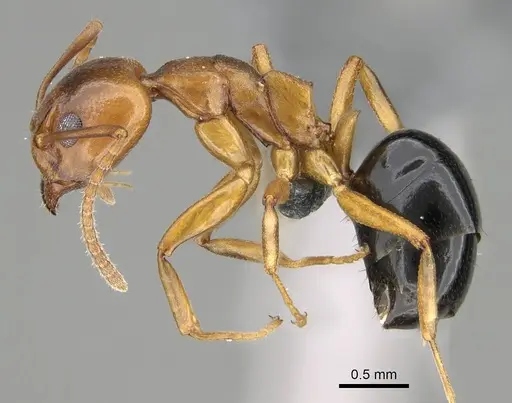
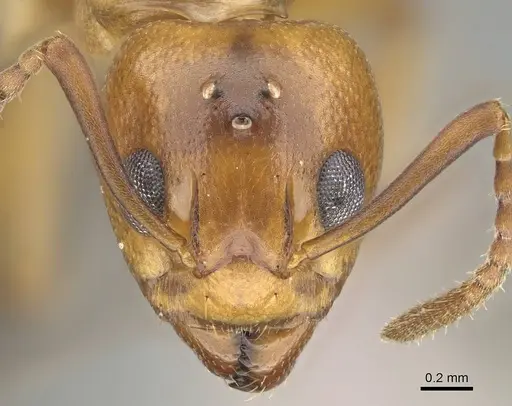
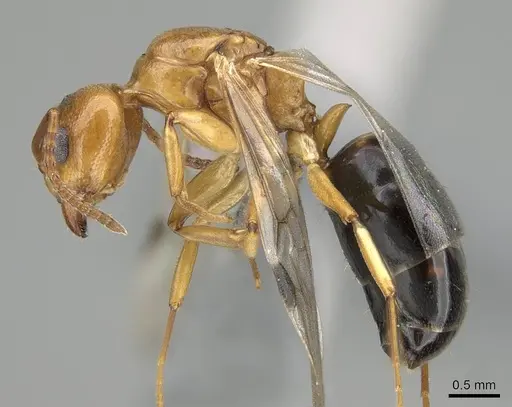
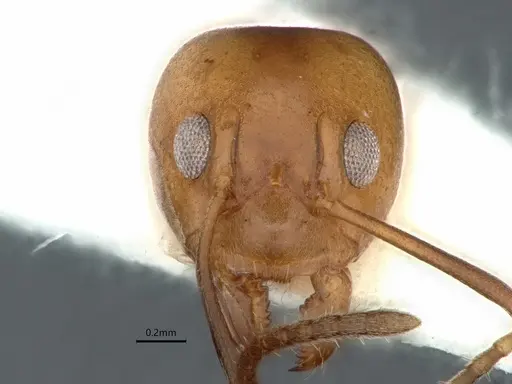
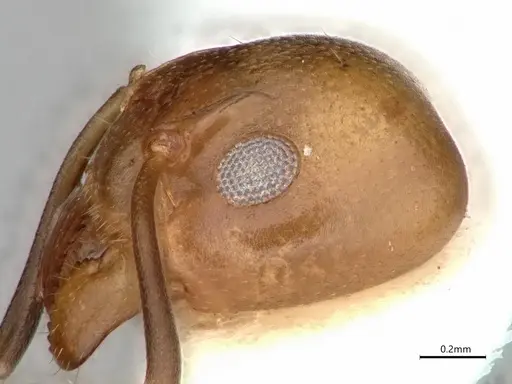
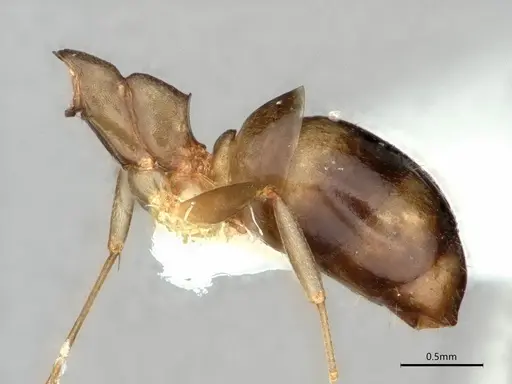
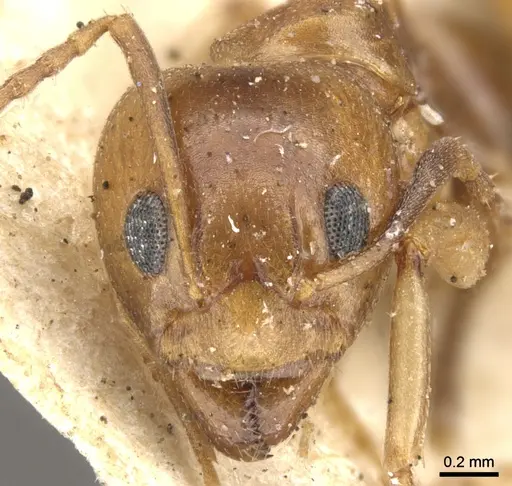
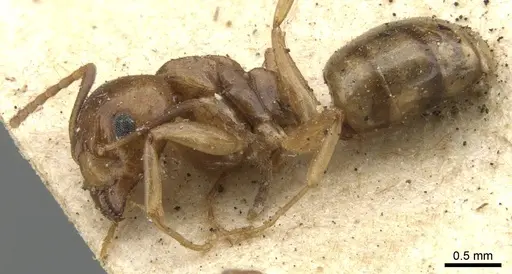
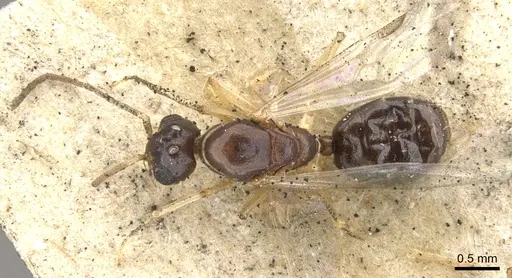
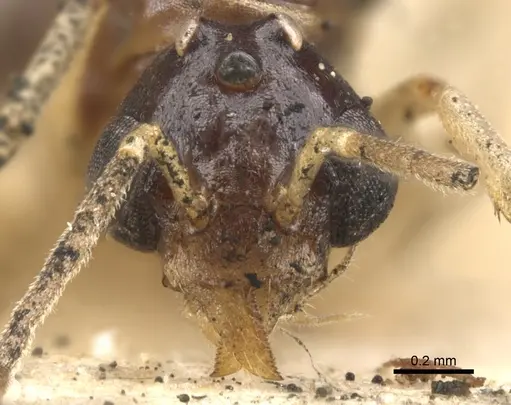
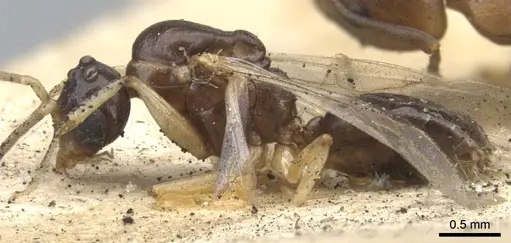
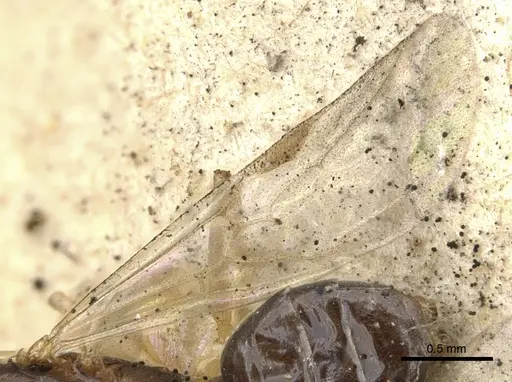
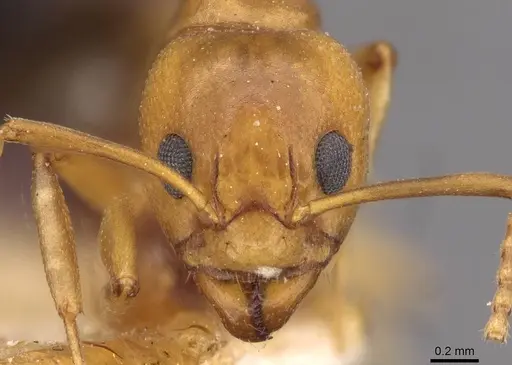
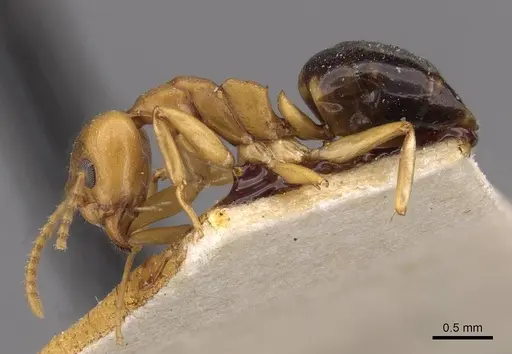
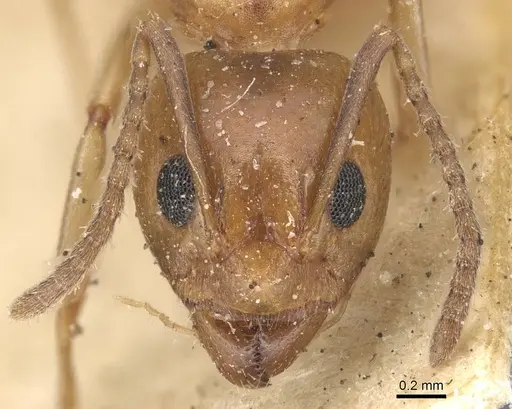
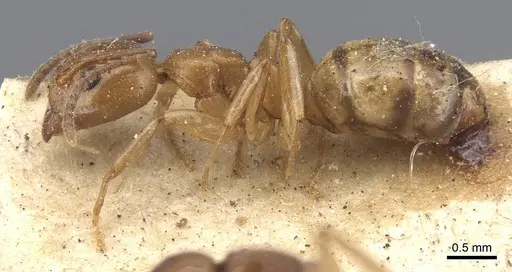
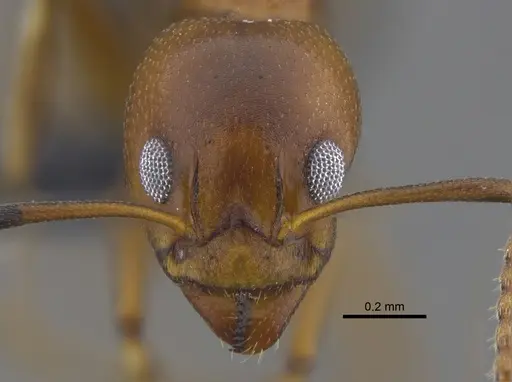
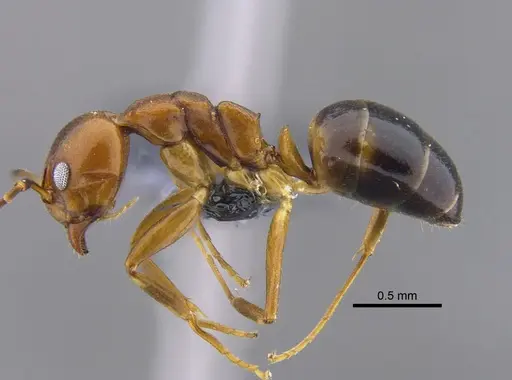
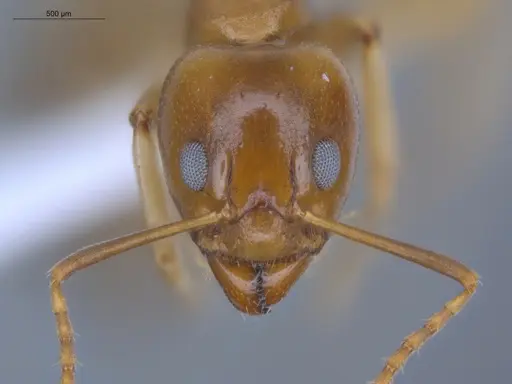
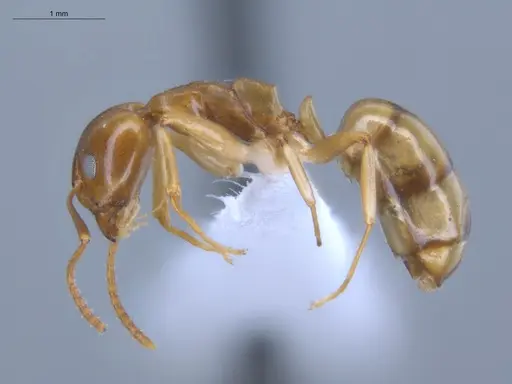
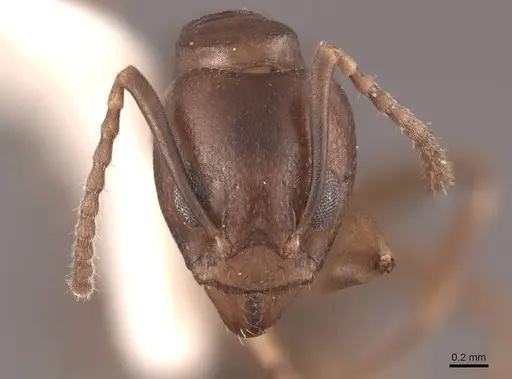
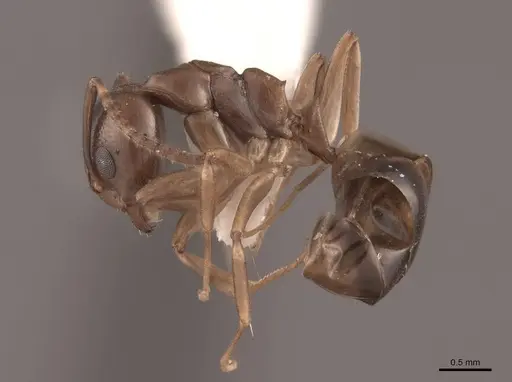
Dolichoderus lutosus is a small arboreal ant native across the Neotropics, ranging from southern Mexico to Brazil. Workers are reddish-brown with a darker gaster, measuring about 4mm. They lack erect hairs on their antennae and legs, giving them a relatively smooth appearance. These ants nest almost exclusively in narrow hollow twigs and dead stems in trees, occasionally using carton material to seal nest entrances [1].
What makes D. lutosus interesting is its dual nature, it's one of the most common ants in its range (particularly in Costa Rica), yet forms surprisingly small colonies. Unlike many aggressive arboreal ants, they are timid and quick to flee when disturbed. They produce a white, foamy substance when handled but lack the strong odor typical of other dolichoderines. They also have an unusual relationship with myrmecophyte plants, nesting opportunistically in Cordia and Triplaris trees while avoiding the dominant resident ants [1].
Quick Summary
- Difficulty: Medium
- Origin & Habitat: Neotropical region, found from southern Mexico through Central America to Brazil, Paraguay, and Caribbean islands. Inhabits a wide range of elevations from sea level to 800m, commonly found in coffee plantations, riparian areas, and forest edges, but also in continuous forest canopies [1][2].
- Colony Type: Likely polygynous (multiple queens) based on research showing small colony sizes with high proportions of alates. Colonies are small, typically with fewer than 100 individuals found in single twig nests or small cavity systems [3][4].
- Colony: Polygyne
- Founding: Claustral
- Size & Growth:
- Queen: Head width 1.2mm, body mass 1.606mg [5][6]
- Worker: Approximately 4mm (2 lines) [7]
- Colony: Small colonies, typically under 100 workers, often just 1-3 individuals per nest [8][4]
- Growth: Slow
- Development: Unknown for this species, no direct development studies found. Based on typical Dolichoderus patterns, expect 6-10 weeks at tropical temperatures. (Colony growth is inherently slow due to small colony sizes. Queens are claustral (seal themselves in to raise first workers on stored fat reserves).)
- Antkeeping:
- Temperature: Tropical species, keep at 24-28°C. They naturally occur in warm, humid lowland and premontane forests. A heating cable on one side of the nest creates a suitable gradient.
- Humidity: High humidity preferred, these are forest canopy ants. Keep nest substrate consistently moist but not waterlogged. They naturally experience humid conditions in hollow twigs.
- Diapause: No, as a tropical species, they do not require hibernation. However, slight temperature reductions during cooler months may simulate natural seasonal shifts in their range.
- Nesting: Arboreal nesting is essential, they require narrow gauge dead stems or twigs. Y-tong (AAC) nests with small chambers work well, or naturalistic setups with small-diameter twigs/branches. Avoid large, open spaces, they prefer tight, enclosed chambers scaled to their small size.
- Behavior: Timid and non-aggressive, when threatened, they rapidly flee into leaf litter rather than attacking. They are larger than most twig-nesting ants but don't use this size aggressively. Workers can produce a white, foamy substance when handled. They are arboreal omnivores, foraging in the canopy and visiting extrafloral nectaries. Colonies show limited recruitment, they don't form massive foraging trails. Escape prevention should be good despite their small size because they prefer to hide rather than escape aggressively [1][3].
- Common Issues: small colony size means slow growth, beginners may lose patience and overfeed, causing mold issues, arboreal nesting requirements are specific, they won't thrive in standard ground-nest setups, wild-caught colonies may have parasites from their native range, they avoid dominant ants like Azteca, in captivity, ensure they're not stressed by competition, test tube setups may be too large, they prefer tight twig-sized chambers
Nest Preferences and Housing
Dolichoderus lutosus is an obligate arboreal nester, this is the most critical aspect of their care. In the wild, they nest almost exclusively in narrow-gauge dead twigs and stems, typically simple stem fragments lodged in vegetation. They occasionally use small amounts of carton material to seal nest entrances, leaving just a tiny entrance hole [1].
For captive care, Y-tong (AAC) nests with small, tight chambers work well. The chambers should be appropriately scaled to their tiny 4mm size, avoid large, open spaces. Naturalistic setups with small-diameter twigs or bamboo sections also mimic their natural nesting sites. The nest should be positioned to allow for some humidity while preventing condensation buildup.
Because they're arboreal, they need access to an outworld where they can forage up off the ground. A simple foraging area with small protein prey and sugar water is sufficient. Avoid housing them in setups designed for ground-nesting ants like Lasius or Formica.
Feeding and Diet
These ants are arboreal omnivores with a generalist diet. In the wild, they forage in the canopy and are known to visit extrafloral nectaries on at least 26 plant species in Mexico [9]. They also likely collect honeydew from aphids and scale insects, and hunt small prey.
In captivity, offer sugar water or honey as a constant energy source. For protein, small live prey like fruit flies, pinhead crickets, or small mealworms work well. Given their small colony sizes, portion control is important, remove uneaten prey after 24-48 hours to prevent mold. Their small size means even tiny prey items are substantial meals for them.
They are not particularly aggressive foragers, so prey should be small enough for them to handle. Their timid nature means they may avoid large or defended prey items.
Temperature and Seasonal Care
As a tropical species from the Neotropics, D. lutosus requires warm temperatures year-round. Keep the nest area at 24-28°C, with a slight gradient allowing workers to choose their preferred temperature. A heating cable placed on top of the nest (not underneath, to prevent drying) can maintain these temperatures.
Unlike temperate ants, they do not require a true hibernation or diapause period. However, slight seasonal variations are natural, their range includes areas with distinct wet and dry seasons. You might observe slightly reduced activity during cooler months, but this is not a required dormancy.
Their elevation range (sea level to 800m) suggests they can tolerate some temperature variation, but they clearly prefer warmer conditions. Avoid temperatures below 20°C for extended periods. [2][1]
Behavior and Colony Dynamics
The most notable behavioral trait of D. lutosus is their timidity. When disturbed, they do not attack, they rapidly flee into the leaf litter or hide in their narrow nest channels. This is unusual among arboreal ants, many of which are quite aggressive. When held with forceps, workers produce a white, foamy substance as a defensive response, but they lack the strong odor typical of other dolichoderine ants [1].
Colony structure appears to be polygynous (multiple queens), which explains their small colony sizes. Research in artificial nests found mean colony sizes of just 1.6 workers, with maximum of 3 [8]. This is unusually small for an established ant species and suggests colonies may spread across multiple connected nests rather than concentrating all individuals in one location.
They are also known to be excluded by dominant arboreal ants like Azteca. In coffee forest studies, they were significantly more likely to nest on trees without Azteca present [3]. This suggests they are subordinate in ant hierarchies and may struggle if housed with more aggressive species.
Growth and Development
Direct development data for D. lutosus is not available, but we can make informed estimates based on their biology. Queens are confirmed claustral founders, they seal themselves in a chamber and raise the first workers (nanitics) on stored fat reserves without foraging [5][6]. This is typical of the genus.
Given their tropical distribution and small colony size, expect development from egg to first worker to take approximately 6-10 weeks at optimal temperatures (around 26°C). The first workers will be smaller than mature workers (nanitics), which is normal.
Colony growth is inherently slow, wild colonies typically remain small (under 100 workers). This is not a species that will rapidly fill a formicarium. Patience is essential. The small colony size also means each individual is valuable, avoid stress from overhandling or frequent nest disturbances.
Frequently Asked Questions
Can I keep Dolichoderus lutosus in a test tube?
Test tubes can work for founding colonies, but these ants prefer tight, twig-sized chambers rather than the wide bore of standard test tubes. A Y-tong nest with small chambers or a naturalistic setup with small twigs is more appropriate for established colonies. The key is providing narrow, enclosed spaces that mimic their natural hollow twig nests.
How long does it take for first workers to emerge?
Exact timing is unconfirmed for this species, but based on claustral founding and typical Dolichoderus development, expect 6-10 weeks from founding to first nanitic workers at 26°C. Colony growth is slow regardless, these ants naturally maintain small colonies.
Are Dolichoderus lutosus good for beginners?
Not ideal for beginners. Their specific arboreal nesting requirements, small colony sizes, and slow growth require experienced care. They're also from a tropical setup that needs year-round heating. However, they're not aggressive and don't require complex escape prevention, which is a plus.
Can I keep multiple queens together?
Yes, research suggests they are naturally polygynous (multiple queens per colony). However, combining unrelated foundress queens in captivity has not been documented. If you're starting with a wild-caught colony, it likely already contains multiple queens.
How big do Dolichoderus lutosus colonies get?
Surprisingly small. Wild colonies typically contain under 100 workers, often much fewer. They appear to maintain multiple small nests rather than concentrating into large colonies. Don't expect the massive populations typical of Lasius or Formica species.
What do Dolichoderus lutosus eat?
They are omnivores. Offer sugar water or honey as a constant energy source, plus small protein prey like fruit flies, pinhead crickets, or small mealworms. They also visit extrafloral nectaries in the wild, so they may accept sweet liquids readily.
Do they need hibernation?
No, as a tropical species, they do not require hibernation. Keep them warm year-round at 24-28°C. Slight seasonal temperature variations are acceptable but not necessary.
Why are my Dolichoderus lutosus dying?
Common causes include: wrong nesting (they need arboreal/twig setups, not ground nests), temperatures below 20°C, low humidity, or stress from overhandling. Their small colony sizes also mean each loss is significant. Ensure they have proper arboreal housing with small chambers, warmth, and humidity.
When should I move them to a formicarium?
Move them when the test tube or founding setup becomes crowded, but consider that they prefer tight twig-sized chambers. A Y-tong nest with small chambers is ideal. They don't need large spaces, their wild colonies remain small even in mature nests.
References

This caresheet is licensed under CC BY-SA 4.0 .
CASENT0173839
View on AntWeb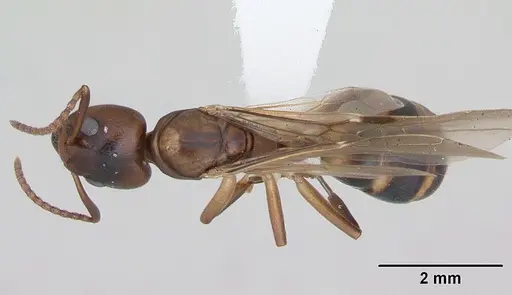
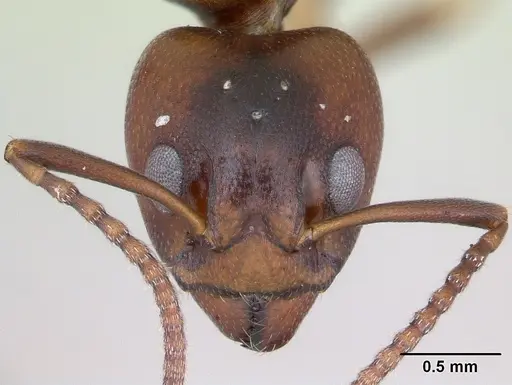
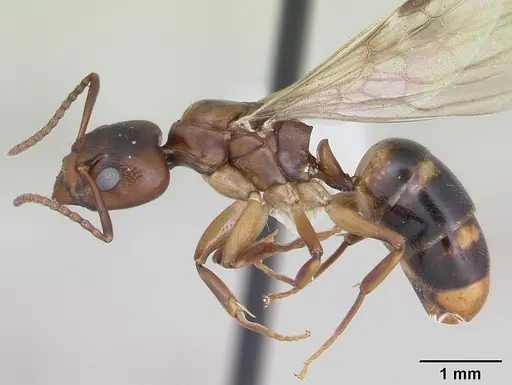
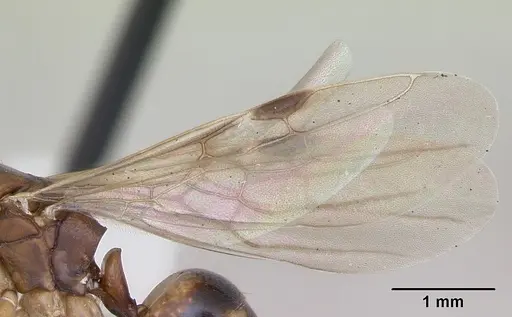
CASENT0173840
View on AntWeb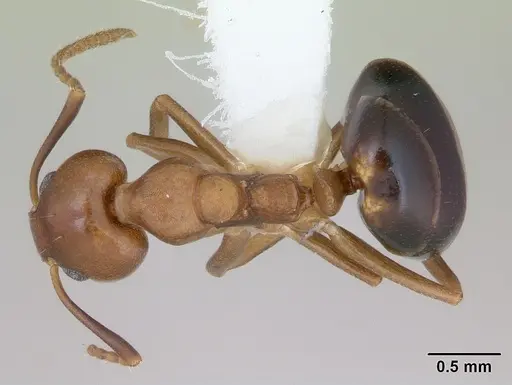
CASENT0173841
View on AntWeb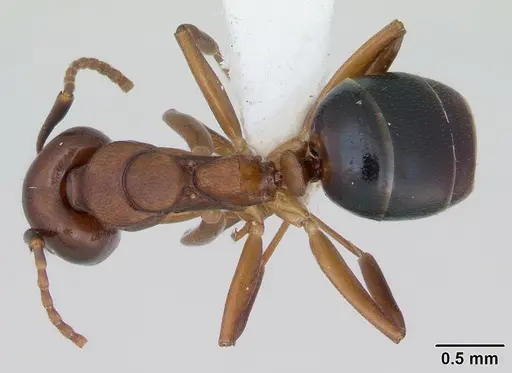
CASENT0178712
View on AntWeb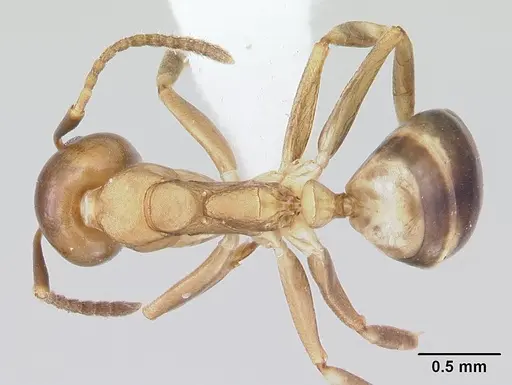
CASENT0246573
View on AntWeb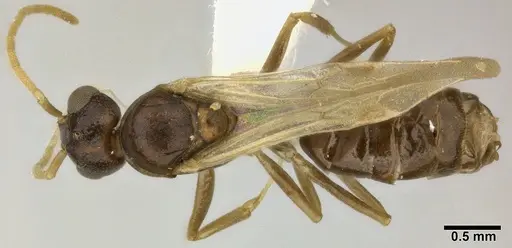
CASENT0246574
View on AntWeb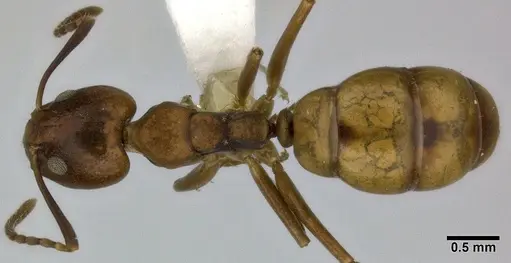
CASENT0249640
View on AntWeb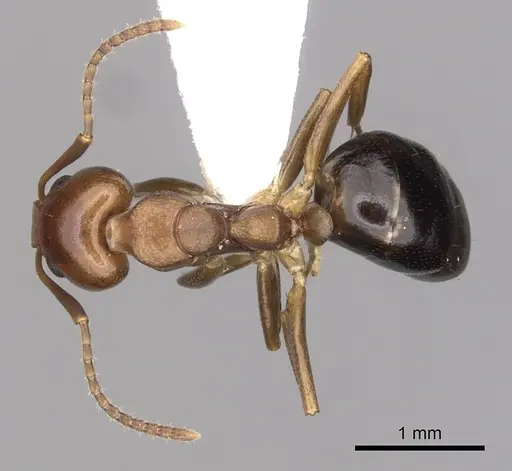
CASENT0249641
View on AntWeb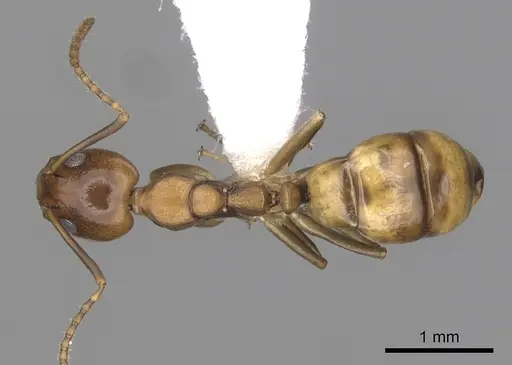
CASENT0249642
View on AntWeb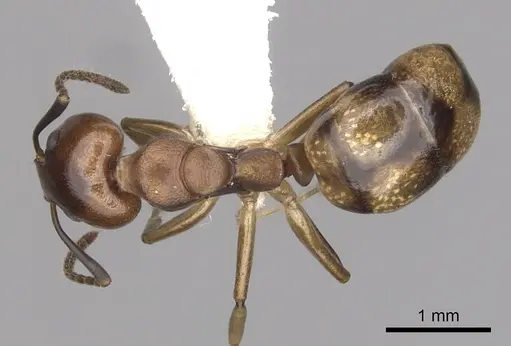
CASENT0318485
View on AntWeb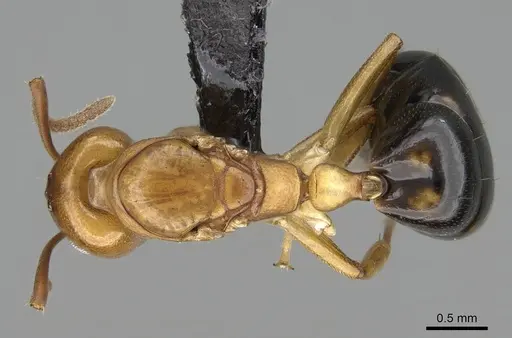
CASENT0318503
View on AntWeb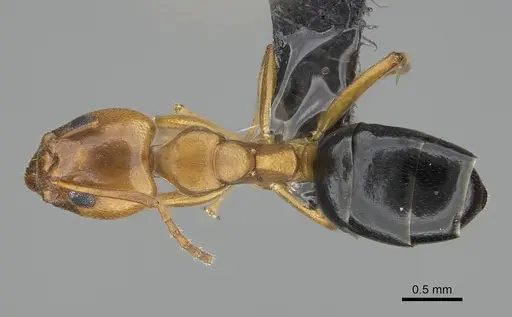
CASENT0729141
View on AntWeb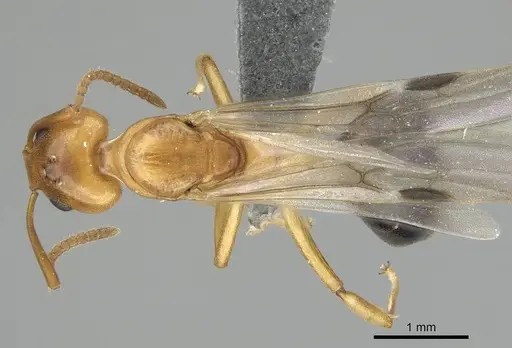
CASENT0729148
View on AntWeb
CASENT0766289
View on AntWeb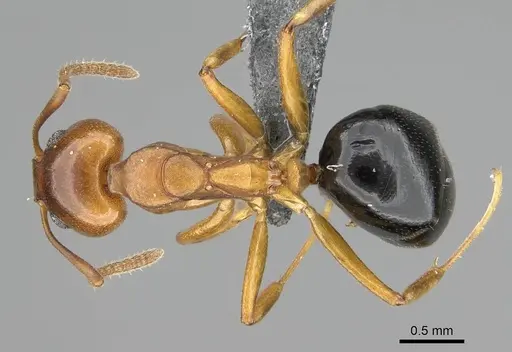
CASENT0768062
View on AntWeb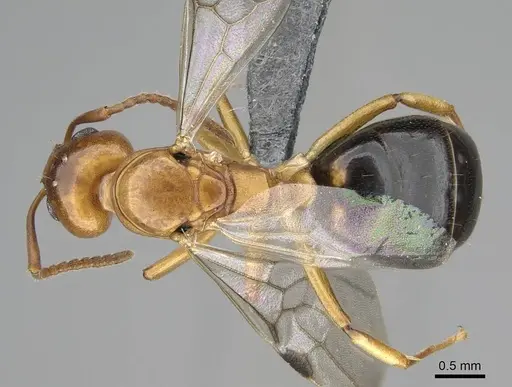
CASENT0866533
View on AntWeb
CASENT0902953
View on AntWeb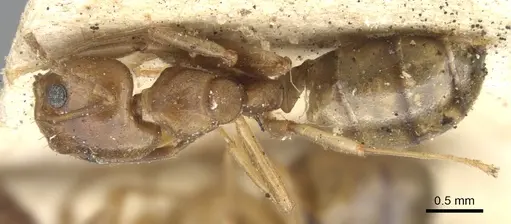
CASENT0902954
View on AntWeb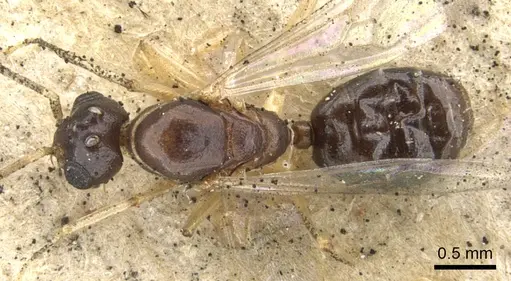
CASENT0909470
View on AntWeb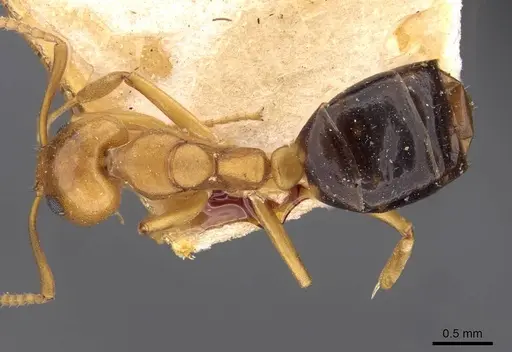
CASENT0915567
View on AntWeb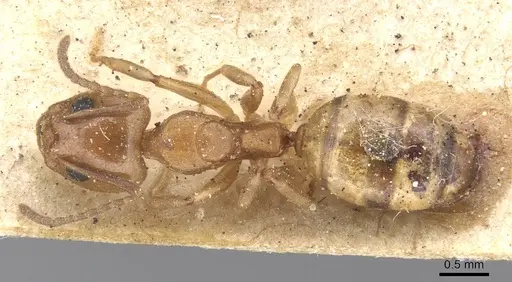
CBUMAGENT41849
View on AntWeb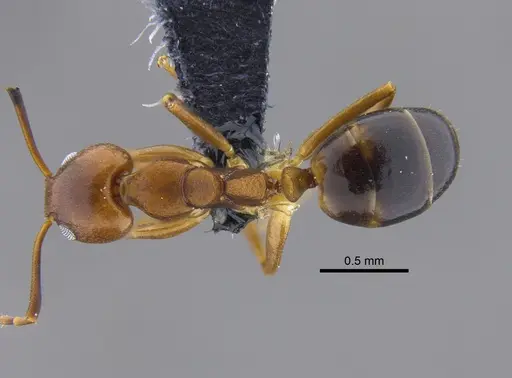
ECOFOG-CSG15-0170-02
View on AntWeb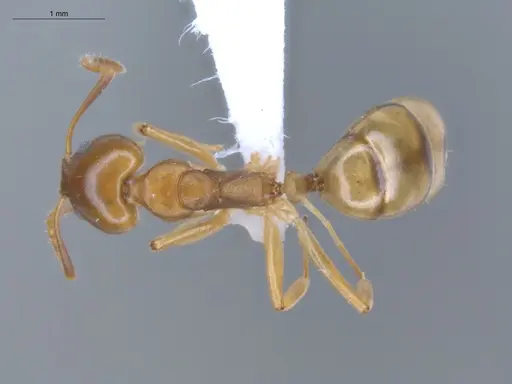
FMNHINS0000045060
View on AntWeb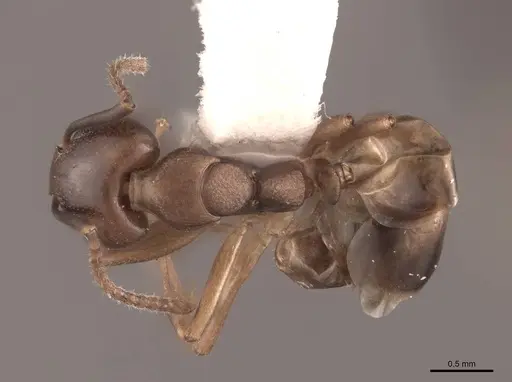
Literature
Loading...Loading products...