

Dolichoderus longicollis
- Scientific Name
- Dolichoderus longicollis
- Tribe
- Dolichoderini
- Subfamily
- Dolichoderinae
- Author
- MacKay, 1993
- Distribution
- Found in 3 countries
Dolichoderus longicollis Overview
Dolichoderus longicollis is an ant species of the genus Dolichoderus. It is primarily documented in 3 countries , including Brazil, Colombia, Peru. Detailed taxonomic data and occurrence records can be further explored via authoritative databases such as AntWeb or the Global Biodiversity Information Facility (GBIF).
Dolichoderus longicollis
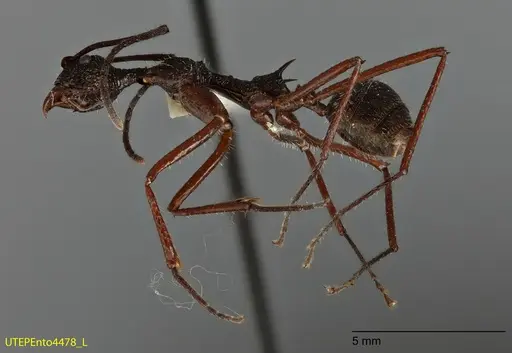
Dolichoderus longicollis is a Neotropical ant species native to Colombia, first described by Mackay in 1993. Workers are dark brown with a notably long occipital neck (giving the species its name 'longicollis' meaning long neck), well-developed propodeal spines, and a strongly punctured dorsal gaster. The eyes extend beyond the lateral margin of the head in frontal view. This species is known only from the Chocó and Valle del Cauca regions of Colombia, which are among the most biodiverse and humid areas in the country [1][2]. As a Dolichoderus species, these ants are arboreal or semi-arboreal in nature, typically nesting in trees, under bark, or in hollow twigs in their native rainforest habitat.
Quick Summary
- Difficulty: Medium
- Origin & Habitat: Native to the Neotropical rainforests of Colombia, specifically the Chocó and Valle del Cauca regions. These areas feature high humidity and warm temperatures year-round [1][2].
- Colony Type: Likely monogyne (single queen colonies) based on typical Dolichoderus genus patterns. Colony structure in the wild has not been specifically documented for this species.
- Colony: Monogyne
- Founding: Semi-claustral
- Size & Growth:
- Queen: Estimated 7-9mm based on genus patterns, not directly measured for this species
- Worker: Estimated 4-6mm based on genus patterns, worker described but exact measurements not specified in original description [1]
- Colony: Estimated 200-500 workers based on typical Dolichoderus colony sizes
- Growth: Moderate, based on genus patterns
- Development: Estimated 6-8 weeks at optimal tropical temperatures based on related Dolichoderus species (Development time is inferred from genus patterns since no specific study exists for this species)
- Antkeeping:
- Temperature: Keep at 24-28°C. These are tropical ants from warm, humid Colombian rainforests. A heating cable on one side of the nest can help maintain warmth if room temperature is below this range.
- Humidity: High humidity required, aim for 70-85%. The Chocó region of Colombia is one of the wettest places on Earth. Keep the nest substrate consistently moist but not waterlogged. Provide a water tube for drinking access.
- Diapause: No, as tropical ants from Colombia, they do not require hibernation. Maintain warm temperatures year-round.
- Nesting: Dolichoderus ants are arboreal/semi-arboreal. They prefer nests that mimic tree hollows or bark cavities. Y-tong (AAC) nests or plaster nests with narrow chambers work well. Avoid fully enclosed test tube setups, they need some ventilation and space to move between nest chambers and outworld.
- Behavior: Dolichoderus ants are generally not aggressive but can use defensive secretions when threatened. They are active foragers that search for honeydew from aphids and scale insects, plus small insects and nectar. Workers are medium-sized and relatively fast-moving. Escape risk is moderate, they are not tiny ants but can climb smooth surfaces. Use standard barrier methods (fluon on rim edges). They are not known for stinging but may bite if handled roughly.
- Common Issues: tropical humidity requirements mean mold can be a problem if ventilation is poor, balance humidity with adequate airflow, as arboreal ants, they may struggle in fully enclosed test tube setups, provide access to an outworld with foraging space, wild-caught colonies from Colombia may carry tropical mites or parasites that can affect captive colonies, maintaining consistent warmth year-round is essential, temperature drops below 22°C can slow or stop colony activity, they are not commonly available in the antkeeping hobby, making established colonies difficult to obtain
Nest Preferences and Housing
Dolichoderus longicollis is an arboreal or semi-arboreal species, meaning in the wild they nest in elevated locations like tree hollows, under bark, or in hollow twigs. In captivity, they do best in nests that mimic these conditions. Y-tong (AAC) nests work well because they provide narrow chambers that these ants prefer, plus easy access to an outworld. Plaster nests can also work if kept appropriately moist. Avoid standard test tube setups, these ants need space to move between nest chambers and an outworld for foraging. The nest should have multiple connected chambers but not be too large, aim for chambers that are roughly 1.5-2 times the worker length. Provide some ventilation to prevent mold while maintaining humidity. [1]
Feeding and Diet
Like other Dolichoderus species, these ants are omnivorous with a preference for sweet liquids. They will readily consume sugar water, honey, or maple syrup as a carbohydrate source. For protein, offer small insects like fruit flies, small crickets, or mealworms. They also feed on honeydew from aphids or scale insects, so if you keep aphids nearby they will tend them. Feed protein 2-3 times per week and provide a constant sugar water source. Remove uneaten prey after 24-48 hours to prevent mold. Fresh fruit slices (like melon or apple) can also be accepted as a sugar source. Unlike some aggressive hunters, these ants are moderate foragers that will scavenge as well as hunt small prey.
Temperature and Seasonal Care
As tropical ants from Colombia's Chocó region, Dolichoderus longicollis requires warm temperatures year-round. Keep the nest area at 24-28°C (75-82°F). A heating cable placed on one side of the nest can create a gentle temperature gradient that allows the ants to regulate their own temperature by moving between warmer and cooler areas. Do not let temperatures drop below 22°C for extended periods, this can slow colony development significantly or cause brood to develop abnormally. There is no diapause or hibernation requirement for this species. Room temperature in most homes (20-24°C) may be slightly cool, so monitor colony activity and consider adding supplemental heating if workers cluster away from the nest area. [1][2]
Humidity Requirements
The Chocó region of Colombia is famous for being extremely wet, some areas receive over 10,000mm of rain annually. These ants evolved in high-humidity conditions and need a moist environment to thrive. Keep the nest substrate consistently damp but not waterlogged. The substrate should feel moist to the touch but you should not see standing water. A water tube attached to the nest provides drinking access, which is important since these active foragers need water. However, balance humidity with adequate ventilation to prevent mold growth. If you see condensation constantly pooling or mold appearing, improve ventilation slightly while maintaining moisture. The outworld can be drier than the nest area. [1][2]
Behavior and Colony Dynamics
Dolichoderus ants are known for their defensive secretions rather than outright aggression. When threatened, they can release a pungent odor from their anal glands, this is their primary defense mechanism, not biting or stinging. Workers are active foragers that will search both the nest area and outworld for food. They communicate through chemical trails and can recruit nestmates to good food sources. Colonies grow moderately, you can expect the first workers (nanitics) to appear within 6-8 weeks under optimal conditions, with colony size reaching a few hundred workers over 1-2 years. Queens are relatively long-lived, as is typical for Dolichoderus species. The colony will produce new reproductives (alates) as it reaches maturity, typically after the colony has several hundred workers.
Frequently Asked Questions
How long does it take for Dolichoderus longicollis to produce first workers?
Based on typical Dolichoderus development, expect 6-8 weeks from egg to first worker at optimal temperatures (24-28°C). This is an estimate since specific development time has not been documented for this species.
What temperature do Dolichoderus longicollis need?
Keep them at 24-28°C (75-82°F). These are tropical ants from Colombia's warm, humid Chocó region. Room temperature may be too cool, consider using a heating cable on one side of the nest.
Can I keep Dolichoderus longicollis in a test tube?
Test tubes are not ideal for this species. Dolichoderus ants are arboreal/semi-arboreal and prefer nests with some elevation and space to move between chambers and an outworld. Use a Y-tong or plaster nest instead.
Do Dolichoderus longicollis need hibernation?
No. As tropical ants from Colombia, they do not require hibernation or diapause. Keep them warm year-round at 24-28°C.
What do Dolichoderus longicollis eat?
They are omnivorous. Offer sugar water, honey, or maple syrup as a constant carbohydrate source. For protein, feed small insects like fruit flies, small crickets, or mealworms 2-3 times per week. They also will scavenge and feed on honeydew.
How big do Dolichoderus longicollis colonies get?
Based on typical Dolichoderus colony sizes, expect 200-500 workers at maturity. This is an estimate since wild colony size has not been specifically documented for this species.
Are Dolichoderus longicollis good for beginners?
This species is rated as Medium difficulty. The main challenges are maintaining high humidity and warm temperatures year-round. They are not aggressive and don't require special diets. However, they are not commonly available in the antkeeping hobby.
Where is Dolichoderus longicollis found in the wild?
This species is known only from the Chocó and Valle del Cauca regions of Colombia, one of the wettest and most biodiverse areas in the world. It has also been recorded from Vichada in the Orinoquia region [1][3][4].
How do I set up a nest for Dolichoderus longicollis?
Use a Y-tong (AAC) or plaster nest with multiple narrow chambers. These arboreal ants prefer chambers scaled to their size, not too large or too small. Provide access to an outworld for foraging. Keep the nest material moist and maintain temperatures of 24-28°C.
References

This caresheet is licensed under CC BY-SA 4.0 .
CASTYPE16040
View on AntWeb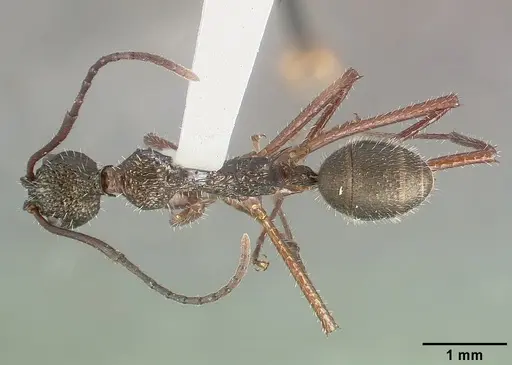
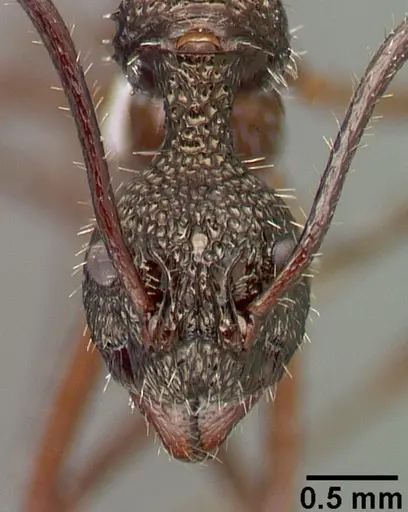
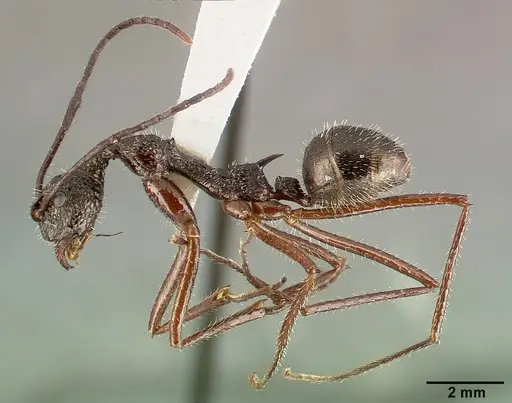
UTEPENTO4478
View on AntWeb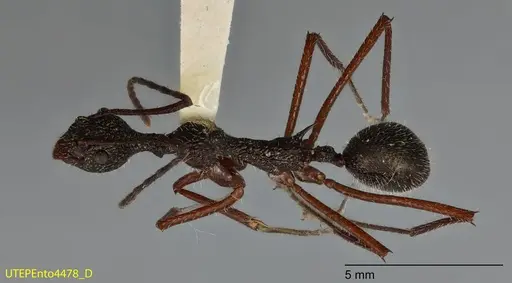
Literature
Loading...Loading products...