

Dolichoderus lobicornis
- Scientific Name
- Dolichoderus lobicornis
- Tribe
- Dolichoderini
- Subfamily
- Dolichoderinae
- Author
- Kempf, 1959
- Distribution
- Found in 3 countries
Dolichoderus lobicornis Overview
Dolichoderus lobicornis is an ant species of the genus Dolichoderus. It is primarily documented in 3 countries , including Brazil, Ecuador, Peru. Detailed taxonomic data and occurrence records can be further explored via authoritative databases such as AntWeb or the Global Biodiversity Information Facility (GBIF).
Dolichoderus lobicornis
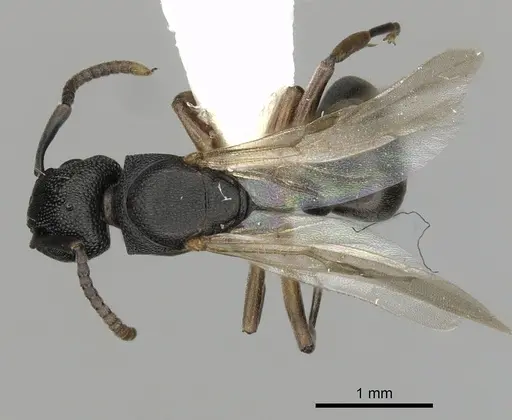
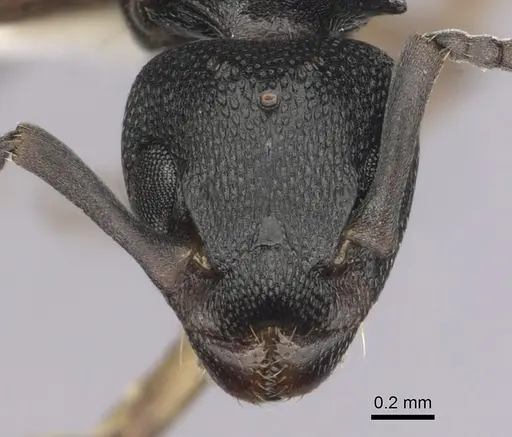
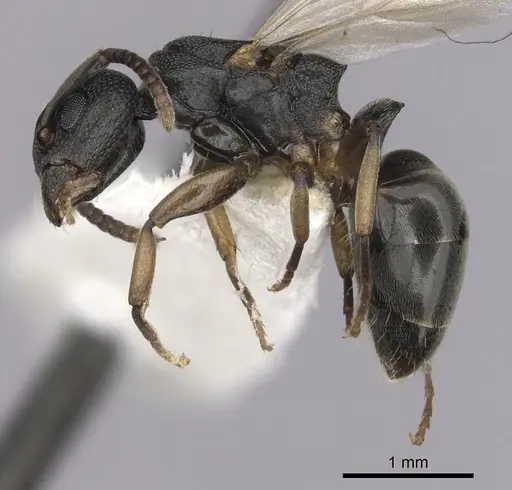
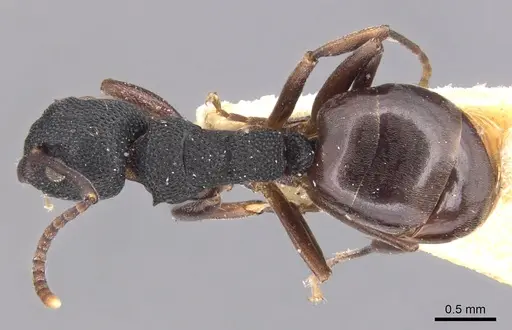
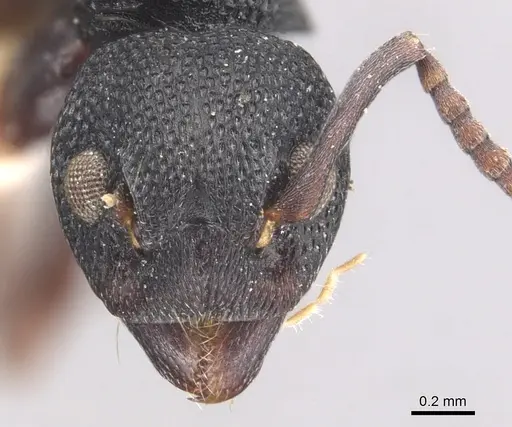
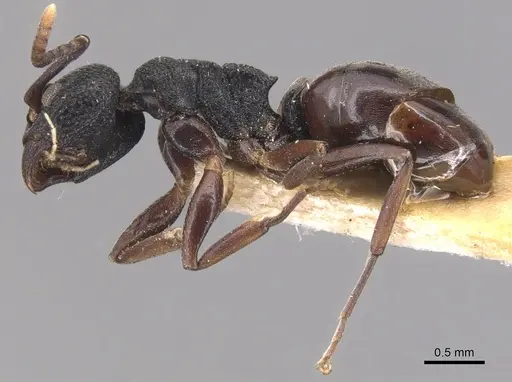
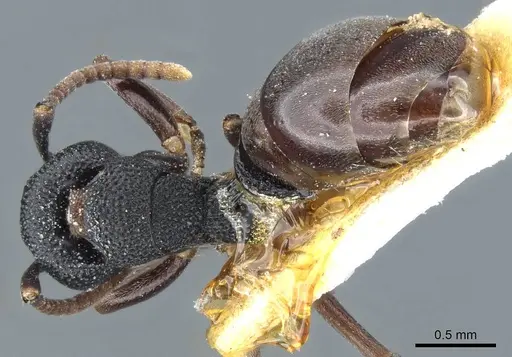
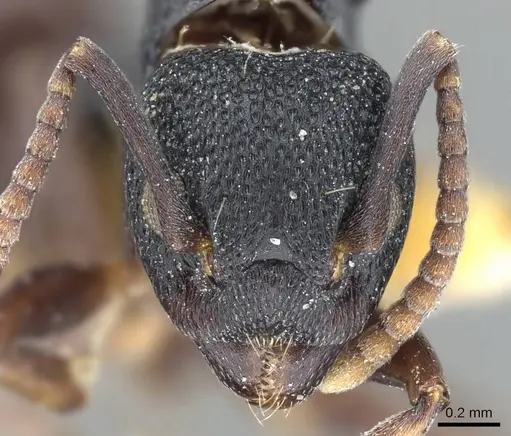
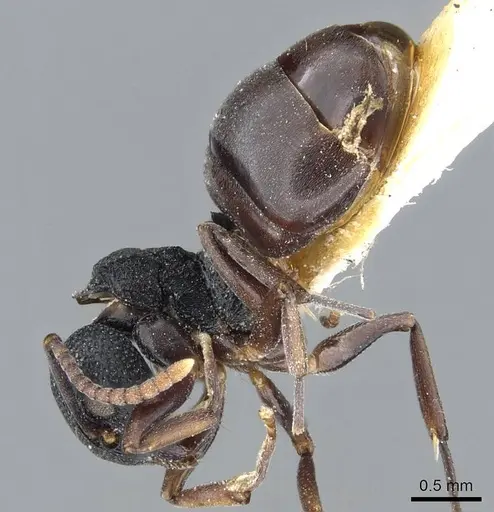
Dolichoderus lobicornis is a Neotropical ant species native to South America, found across Brazil, Colombia, Peru, and Ecuador. Workers are relatively small ants with distinctive morphological features including a flattened and expanded scape (antenna) with a rounded lobe at the base, and a posterior coxa with a well-developed basidorsal tubercle. The mesosoma has coarse reticulate-rugose and foveolate sculpture, while the petiolar apex has an inclined crest that is mesially acuminated [1]. These ants are exclusively arboreal, found primarily in the canopy and tree layers of tropical forests, though they also occur at ground level in some habitats [2][3]. This species was originally described as Dolichoderus lobicornis in 1959 and was later transferred to the genus Dolichoderus in 1992 [4].
Quick Summary
- Difficulty: Medium
- Origin & Habitat: Neotropical rainforests of Brazil, Colombia, Peru, and Ecuador. Found in both canopy and soil layers in Venezuelan forests [2], and exclusively arboreal in Brazilian Cerrado tree layers [3].
- Colony Type: Colony structure is unconfirmed. Based on typical Dolichoderus patterns, likely single-queen (monogyne) colonies.
- Colony: Monogyne
- Founding: Claustral
- Size & Growth:
- Queen: Estimated 6-8mm based on genus patterns
- Worker: Estimated 3-5mm based on genus patterns
- Colony: Estimated moderate colony size (hundreds of workers) based on typical Dolichoderus colonies
- Growth: Moderate
- Development: Estimated 6-8 weeks at tropical temperatures based on genus patterns (Development timeline is inferred from related Dolichoderus species, not directly studied for this species)
- Antkeeping:
- Temperature: Keep at 24-28°C (tropical conditions). A gentle temperature gradient allows ants to regulate their own exposure to warmth.
- Humidity: Moderate to high humidity (60-80%). These forest ants need moisture but not saturation, keep the nest substrate damp but not waterlogged.
- Diapause: No, as a tropical species, they do not require hibernation. Maintain consistent warm temperatures year-round.
- Nesting: Arboreal nesters in nature, they inhabit hollow branches, tree cavities, and epiphytes. In captivity, a Y-tong (AAC) nest or plaster formicarium with small chambers works well. Provide climbing structures and branches since they naturally live above ground.
- Behavior: These ants are arboreal and relatively calm in temperament. They are not aggressive but will defend their nest if threatened. Workers forage actively in the upper portions of the enclosure. Escape prevention is important, use fine mesh barriers as they can climb well. They have a mild chemical defense typical of Dolichoderinae (they release unpleasant-smelling compounds when disturbed) but no sting.
- Common Issues: tropical species requires consistent warmth, cold temperatures can slow or stop brood development, arboreal nature means they need vertical space and climbing structures, poorly documented species means some care parameters are estimates based on genus patterns, escape risk exists due to their climbing ability, ensure secure barriers, overfeeding can lead to mold in the nest, remove uneaten food promptly
Natural History and Distribution
Dolichoderus lobicornis is a Neotropical ant species found across northern South America. The species has been documented in Brazil (particularly Santa Catarina, Goiás, Pará, Rio de Janeiro, São Paulo, and Mato Grosso states), Colombia (Amazonas region), Peru (Madre de Dios), and Ecuador [1][5][6]. In Venezuela, they have been found both in the forest canopy and in soil samples at San Ignacio [2]. Notably, in Brazilian Cerrado ecosystems, this species is exclusively arboreal, found only in the tree layer with 13% relative frequency, and completely absent from soil and shrub layers [3]. This arboreal lifestyle is characteristic of many Dolichoderus species, which typically nest in hollow branches, tree cavities, and epiphytes rather than in ground nests.
Nest Preferences and Housing
In captivity, these arboreal ants need vertical space with climbing structures. A Y-tong (AAC) nest or plaster formicarium works well, with the addition of branches, twigs, or other climbing materials. The nest chambers should be appropriately sized for workers in the 3-5mm range. Since they naturally live in tree cavities, providing dark, enclosed spaces for the nest site mimics their natural environment. The outworld should include vertical elements for foraging, these ants are comfortable moving upward and will utilize branches and other structures to navigate their enclosure. Ensure escape prevention is solid, as their climbing ability is good.
Feeding and Diet
Dolichoderus ants are generalist omnivores. They likely feed on honeydew (the sugary waste from aphids and scale insects), extrafloral nectars, and small insects in the wild. In captivity, offer a consistent sugar source such as sugar water, honey, or diluted maple syrup. For protein, provide small insects like fruit flies, small crickets, or mealworms. Based on typical Dolichoderus feeding patterns, they are not specialized predators but will accept most small arthropods. Feed protein 2-3 times per week and keep sugar water available at all times. Remove uneaten prey after 24 hours to prevent mold.
Temperature and Seasonal Care
As a tropical species from the Neotropical region, Dolichoderus lobicornis requires warm temperatures year-round. Maintain the nest area at 24-28°C. A heating cable on one side of the nest creates a gentle gradient allowing workers to self-regulate their temperature preference. These ants do not require hibernation or diapause, maintaining consistent tropical conditions is key for healthy brood development. Cooler temperatures can slow or halt brood development entirely. Room temperature within this range is acceptable, but monitor that it stays consistently warm.
Behavior and Colony Dynamics
This species exhibits typical Dolichoderine behavior, they are generally calm and not particularly aggressive toward keepers. When threatened, they can release chemical compounds from their anal gland that produce an unpleasant smell, which is their primary defense mechanism rather than stinging (Dolichoderinae ants lack a functional stinger). Workers are active foragers that will explore the upper portions of their enclosure. Based on typical genus behavior, colonies likely grow to several hundred workers over time. The queen is expected to be claustral, she seals herself in a chamber after mating and raises her first brood using stored fat reserves until nanitic (first) workers emerge.
Frequently Asked Questions
How long does it take for Dolichoderus lobicornis to produce first workers?
Based on typical Dolichoderus development patterns, expect 6-8 weeks from egg to first worker at optimal tropical temperatures (24-28°C). This is an estimate since this specific species has not been directly studied.
What do Dolichoderus lobicornis ants eat?
They are generalist omnivores. Offer a constant sugar source (sugar water, honey, or maple syrup) and protein sources like small insects (fruit flies, small crickets, mealworms) 2-3 times per week.
What temperature do Dolichoderus lobicornis need?
Keep them at 24-28°C. As a tropical species, they require consistent warmth year-round and do not tolerate cool temperatures well.
Can I keep Dolichoderus lobicornis in a test tube?
Test tubes can work for founding colonies, but these arboreal ants will do better in setups with vertical climbing space. Consider transitioning to a Y-tong or plaster nest with branches as the colony grows.
Are Dolichoderus lobicornis good for beginners?
This species is rated as Medium difficulty. They are more challenging than common beginner species like Lasius or Tetramorium because they require tropical temperatures and have less documented care information. Some experience with ant keeping is helpful.
Do Dolichoderus lobicornis need hibernation?
No. As a tropical Neotropical species, they do not require hibernation or winter cooling. Maintain warm temperatures year-round.
How big do Dolichoderus lobicornis colonies get?
Based on typical Dolichoderus colony sizes, expect colonies to reach several hundred workers over time. The exact maximum is not documented for this species.
What type of nest is best for Dolichoderus lobicornis?
A Y-tong (AAC) nest or plaster formicarium works well. These arboreal ants need vertical climbing structures in their enclosure, so add branches or twigs for them to traverse.
Where is Dolichoderus lobicornis found in the wild?
They are native to South America, found in Brazil, Colombia, Peru, and Ecuador. They are exclusively arboreal, living in forest canopies and tree layers rather than in soil.
Why are my Dolichoderus lobicornis not developing?
Check temperature first, they need 24-28°C for proper brood development. Cooler temperatures will slow or stop development entirely. Also ensure humidity is adequate and remove uneaten food to prevent mold.
Is Dolichoderus lobicornis aggressive?
No, they are generally calm and not aggressive toward keepers. Their main defense is chemical, they release smelly compounds when disturbed rather than attacking.
References

This caresheet is licensed under CC BY-SA 4.0 .
Literature
Loading...Loading products...