

Dolichoderus laminatus
- Scientific Name
- Dolichoderus laminatus
- Tribe
- Dolichoderini
- Subfamily
- Dolichoderinae
- Author
- Mayr, 1870
- Distribution
- Found in 8 countries
Dolichoderus laminatus Overview
Dolichoderus laminatus is an ant species of the genus Dolichoderus. It is primarily documented in 8 countries , including Brazil, Colombia, Costa Rica. Detailed taxonomic data and occurrence records can be further explored via authoritative databases such as AntWeb or the Global Biodiversity Information Facility (GBIF).
Dolichoderus laminatus
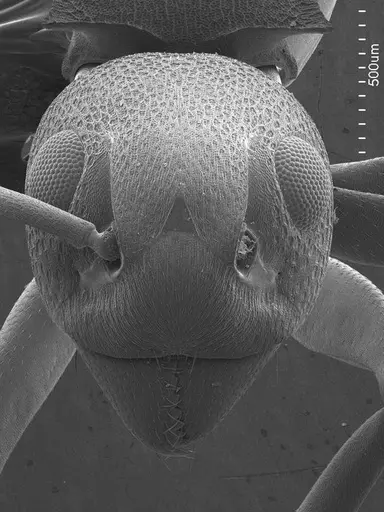
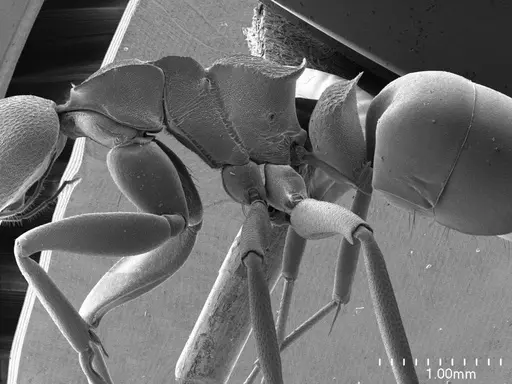
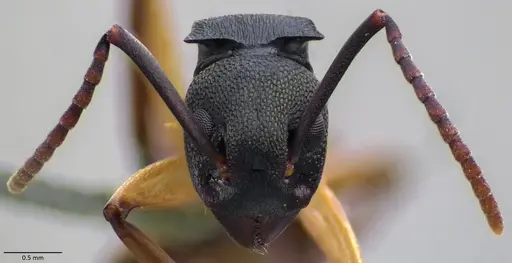
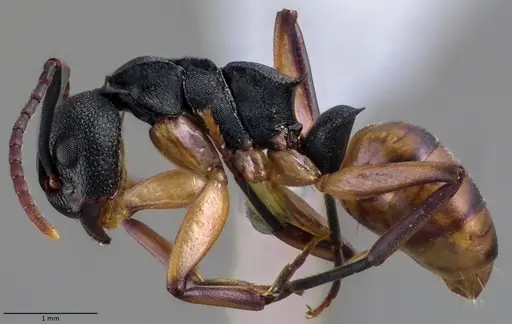
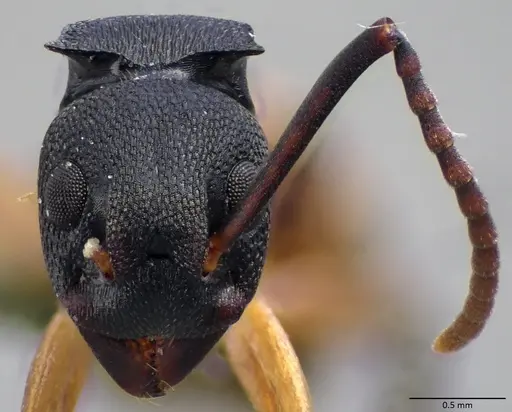
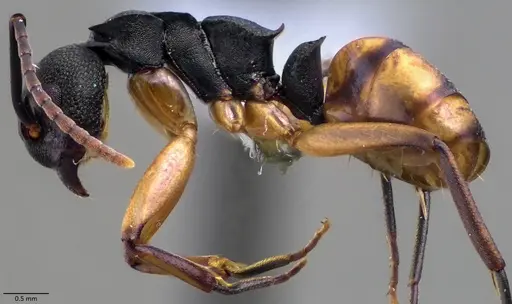
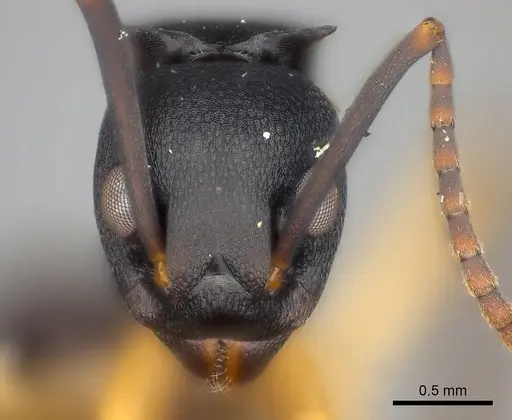
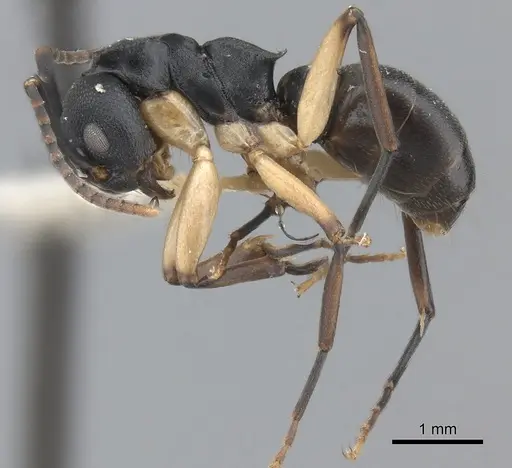
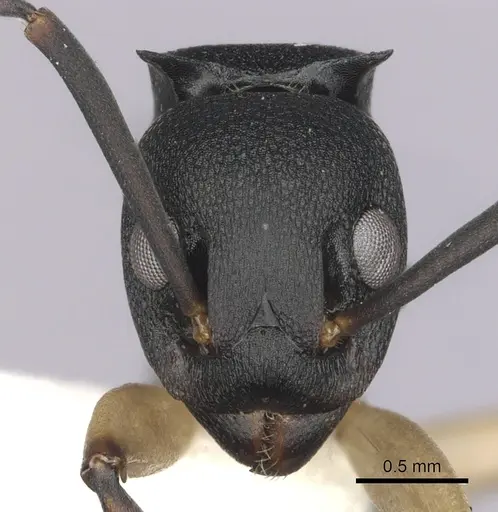
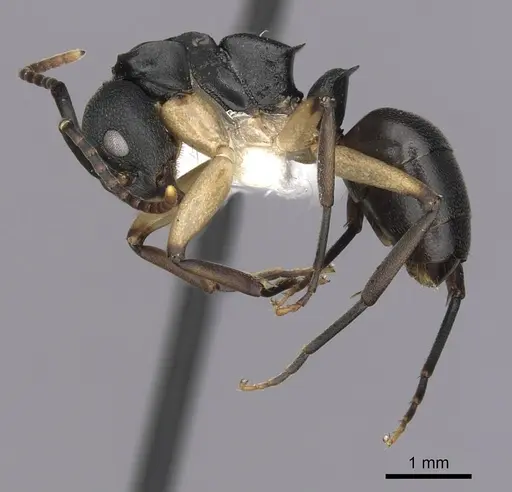
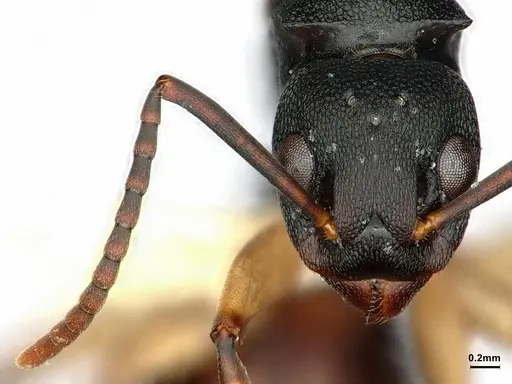
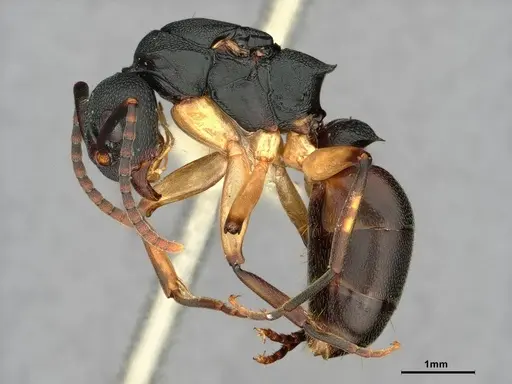
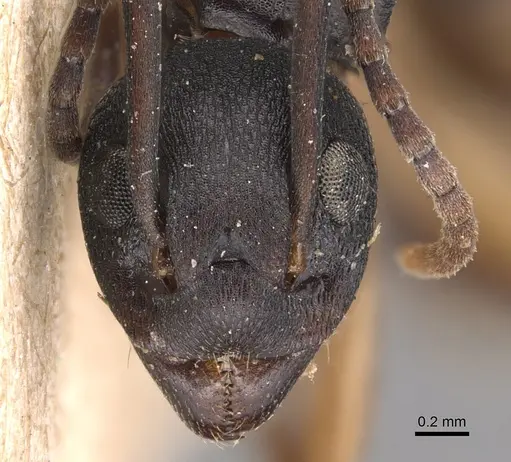
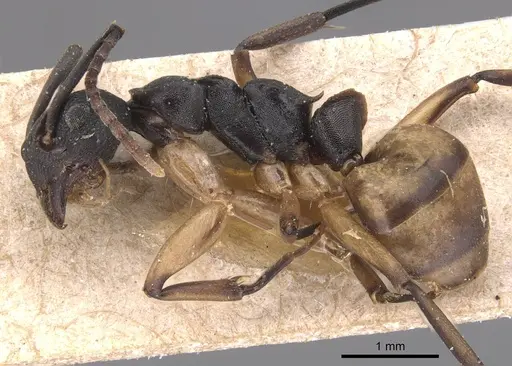
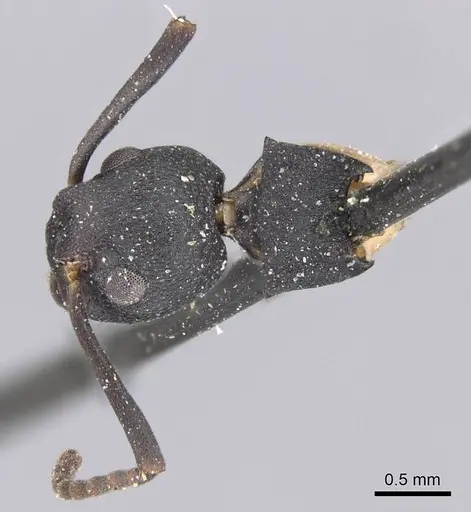
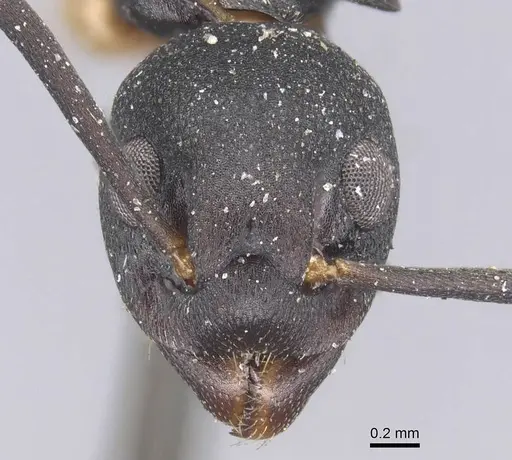
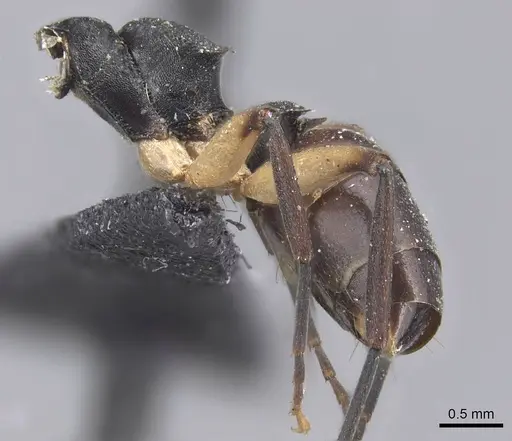
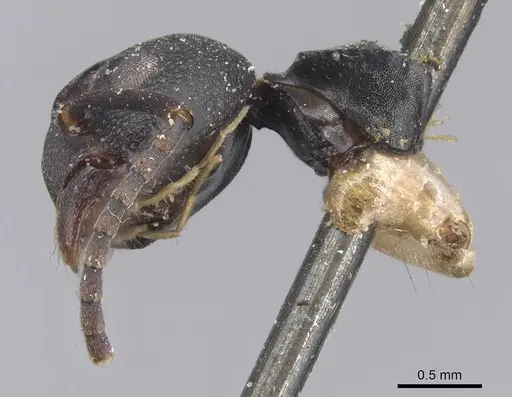
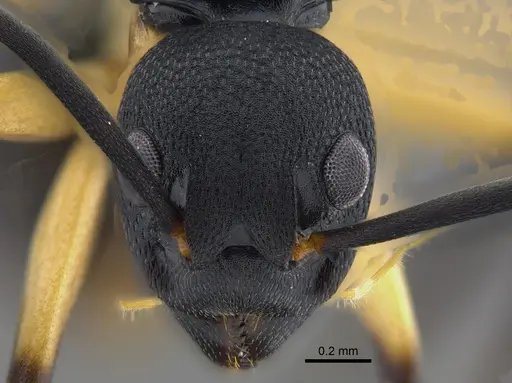
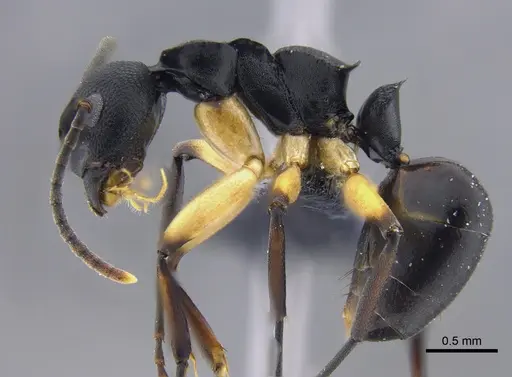
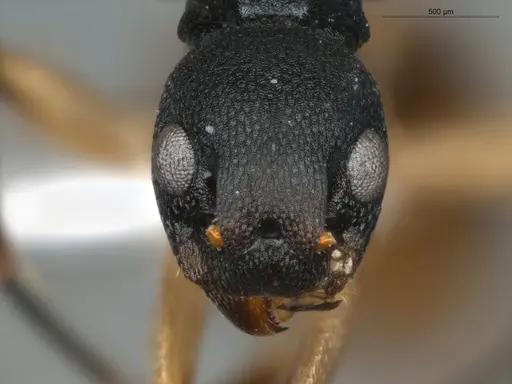
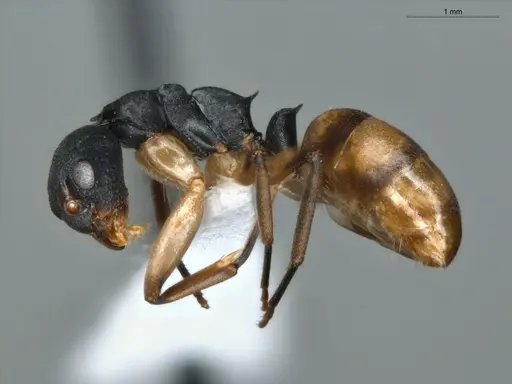
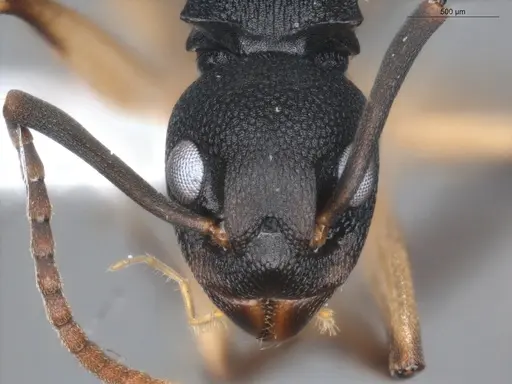
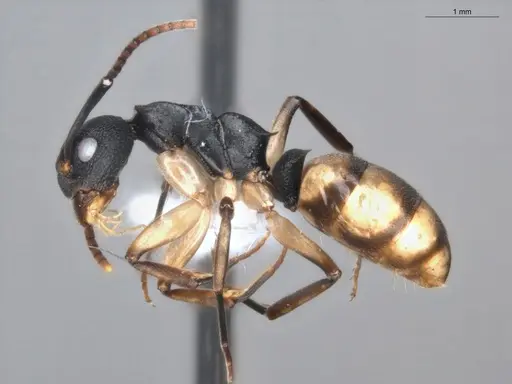
Dolichoderus laminatus is a Neotropical ant species known for its striking appearance, glossy black body with distinctive orange legs. Workers measure around 6mm and have a nearly hairless body, with only a few erect hairs on the tip of the abdomen. The mesonotum is about as long as it is wide, which helps distinguish it from similar species [1]. These ants range from Costa Rica through Colombia to Brazil, living in the canopy of tropical rainforests [2][3].
Unlike most ant species, D. laminatus has a fascinating parasitic founding strategy. Queens are non-claustral, meaning they cannot start colonies alone like typical ants. Instead, they must invade the nests of other social insects (likely other ant species or termites) to establish their colony [4][5]. This makes them a more advanced species to keep, as you'll need to provide a host colony or understand their unique reproductive needs.
Quick Summary
- Difficulty: Expert
- Origin & Habitat: Neotropical rainforests from Costa Rica to Brazil, including Colombia, Ecuador, French Guiana, Guyana, Panama, Suriname, and Venezuela. They live arboreally in the forest canopy, nesting under bark of trees like Leuhea and Bombacopsis, or in arboreal termite nests [2][3][6].
- Colony Type: Polydomic, colonies can have multiple nests spread across different locations. One documented colony had over 1000 workers plus 168 males and 28 alate females [6]. The colony structure involves non-claustral queens that require host colonies to establish.
- Colony: Polygyne
- Queen: Socially parasitic, Temporary parasitic
- Size & Growth:
- Queen: Head width 1.1mm, wingspan 8.17mm [4][5], estimated body length 6-7mm based on worker size
- Worker: 6mm [1]
- Colony: 1000+ workers documented in wild colonies [6]
- Growth: Unknown, likely moderate to slow given parasitic founding
- Development: Unknown, no direct development data available. Based on related Dolichoderus species and tropical conditions, estimate 6-10 weeks at optimal temperature. (Development timeline is unconfirmed. Non-claustral species may have different development patterns than typical ants.)
- Antkeeping:
- Temperature: Tropical species, keep at 24-28°C. Provide a temperature gradient allowing workers to regulate their exposure [inferred from tropical habitat].
- Humidity: High humidity (70-85%), these are rainforest canopy ants. Keep nest substrate consistently moist but not waterlogged.
- Diapause: No, as a tropical species, they do not require hibernation. Maintain consistent warm conditions year-round.
- Nesting: Arboreal nesting preferences, they naturally nest under bark or in tree hollows. In captivity, a naturalistic setup with cork bark, wood pieces, or a Y-tong/plaster nest with access to vertical spaces works well. They prefer having their nest elevated, not on the ground.
- Behavior: Nocturnal and arboreal, workers forage at night in the forest canopy. They are not aggressive and lack the characteristic 'tapinoma' odor that many Dolichoderus species have [6]. Escape prevention is important, while not tiny, they are active and will explore. They are polydomic in the wild, meaning they maintain multiple connected nests, so they may benefit from having multiple chambers or connected setups as the colony grows.
- Common Issues: non-claustral founding means you cannot start a colony from a single queen alone, you need a host colony or must acquire an established colony, tropical humidity requirements can lead to mold problems if ventilation is inadequate, nocturnal activity means most foraging happens at night, don't assume they're not eating if you only check during the day, polydomic nature may cause stress in single-nest setups, consider providing multiple connected chambers, establishing colonies can be slow due to parasitic founding requirements
Understanding Non-Claustral Founding
This is the most critical aspect of keeping Dolichoderus laminatus. Unlike most ant species where a queen seals herself in a chamber and raises her first workers alone on stored fat, D. laminatus queens are non-claustral. They cannot survive on fat reserves alone and must invade existing colonies of other social insects to establish their colony [4][5]. This is a temporary parasitic strategy, the queen uses the host colony's workers to raise her first brood until her own workers emerge. In the wild, they are known to nest in arboreal termite colonies (Nasutitermes ephratae) [6]. For antkeepers, this means you cannot start a colony from a single foundress the way you would with Lasius or Camponotus. You will need either an established colony or must provide a suitable host colony.
Housing and Nest Setup
D. laminatus is an arboreal species that naturally nests under bark, in rotting wood, and inside tree hollows. They are commonly found in orchid plants (Cattleya) and prefer nesting in elevated locations near rivers in tropical forests [6]. For captivity, create a naturalistic setup with cork bark, pieces of wood, or a Y-tong/plaster nest with vertical orientation. These ants do best with multiple connected chambers, reflecting their polydomic nature in the wild. The outworld should include climbing structures and branches since they forage in the canopy. Keep humidity high (70-85%) and ensure the nest area stays consistently moist but never waterlogged.
Feeding and Diet
While specific dietary studies are lacking for D. laminatus, Dolichoderus species are generally omnivorous. They likely feed on honeydew from aphids and scale insects, extrafloral nectaries, and small insects. In captivity, offer sugar water or honey regularly, along with small insects like fruit flies, small crickets, or mealworms. As nocturnal foragers, place food in the evening and check the next morning. Their arboreal lifestyle suggests they may prefer liquid sugar sources they can access from leaves and bark surfaces. Feed protein prey 2-3 times per week and keep sugar water available constantly.
Temperature and Humidity
As a Neotropical species from Costa Rica to Brazil, D. laminatus requires warm, humid conditions. Keep temperatures in the range of 24-28°C with a slight gradient so workers can choose their preferred zone. Room temperature may be too cold, consider using a heating cable on one side of the nest. High humidity is essential, aim for 70-85% relative humidity. Use a water reservoir in your setup and mist regularly, but ensure good ventilation to prevent mold. These ants live in rainforest canopies, so they are accustomed to stable, warm, and humid conditions year-round. Do not allow temperatures to drop below 22°C for extended periods. [6]
Colony Behavior and Dynamics
D. laminatus colonies can be quite large, with documented wild colonies exceeding 1000 workers [6]. They are polydomic, meaning they maintain multiple nests in different locations, this is unusual among ants and reflects their arboreal lifestyle moving between tree hollows and bark spaces. Workers are nocturnal, foraging through the canopy at night. Unlike many Dolichoderus species, they lack the characteristic 'tapinoma' odor (a unpleasant smell many ants in this genus produce when threatened) and are described as non-aggressive [6]. This makes them easier to handle than some related species. However, their complex colony structure and parasitic founding requirements make them a species for experienced antkeepers.
Frequently Asked Questions
Can I start a Dolichoderus laminatus colony from a single queen?
No. This is a non-claustral species, queens cannot found colonies alone. They must invade existing colonies of other social insects (likely termites or other ants) to establish their colony. You will need to acquire an established colony or provide a host colony [4][5].
What do Dolichoderus laminatus ants eat?
They are omnivorous like other Dolichoderus species. Offer sugar water or honey regularly, along with small insects (fruit flies, small crickets, mealworms). Feed protein 2-3 times per week and keep sugar water available constantly. They are nocturnal, so place food in the evening.
Are Dolichoderus laminatus ants aggressive?
No, they are described as non-aggressive and lack the 'tapinoma' odor that many related species have [6]. This makes them easier to handle than some other Dolichoderus species.
What temperature do Dolichoderus laminatus ants need?
Keep them warm at 24-28°C. As a tropical species from Central and South America, they need consistent warmth year-round. Room temperature may be too cold, consider using a heating cable on part of the nest.
How big do Dolichoderus laminatus colonies get?
Wild colonies can exceed 1000 workers, with one documented colony having over 1000 workers plus 168 males and 28 alate females [6].
Do Dolichoderus laminatus ants need hibernation?
No. As a tropical species, they do not require hibernation. Maintain warm, humid conditions year-round.
What kind of nest should I use for Dolichoderus laminatus?
Use an arboreal-style setup, Y-tong or plaster nests work well, with cork bark or wood pieces for naturalistic elements. They prefer elevated nests and multiple connected chambers reflecting their polydomic nature in the wild.
Are Dolichoderus laminatus good for beginners?
No. This is an expert-level species due to their non-claustral parasitic founding strategy. Unlike typical ants, you cannot start a colony from a single queen, they require host colonies to establish. This makes them unsuitable for beginners.
Why are my Dolichoderus laminatus dying?
Common causes include: temperature too low (below 22°C), humidity too low or too high (aim for 70-85%), mold from poor ventilation, or stress from incorrect founding requirements. As a non-claustral species, they have specific needs that differ from typical ants.
References

This caresheet is licensed under CC BY-SA 4.0 .
ANTWEB1008520
View on AntWeb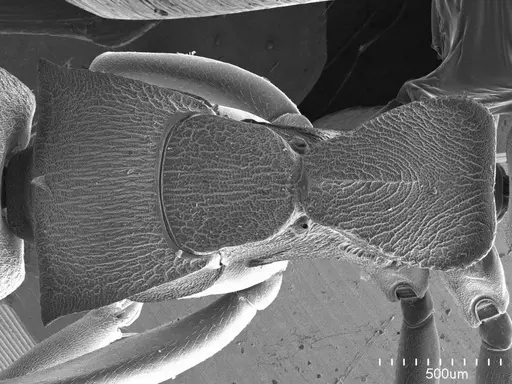
ANTWEB1060019
View on AntWeb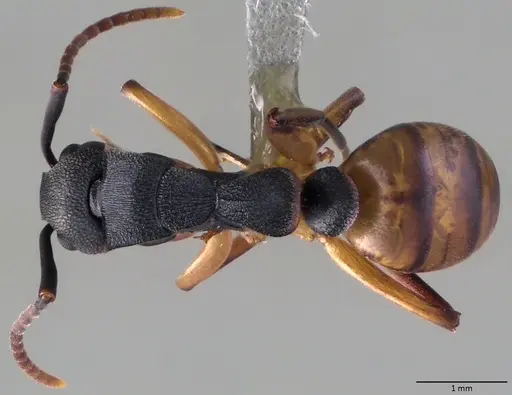
ANTWEB1060029
View on AntWeb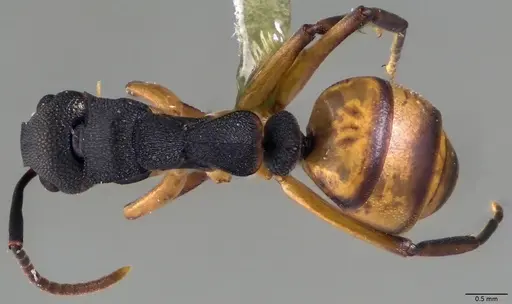
CASENT0217397
View on AntWeb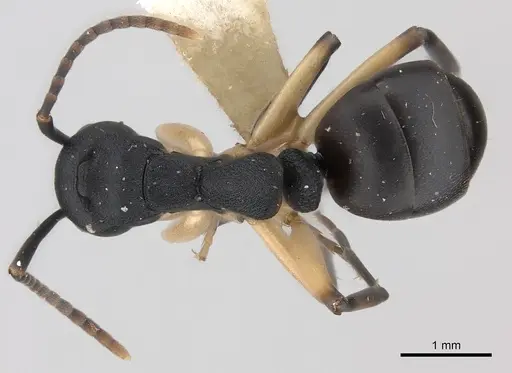
CASENT0249656
View on AntWeb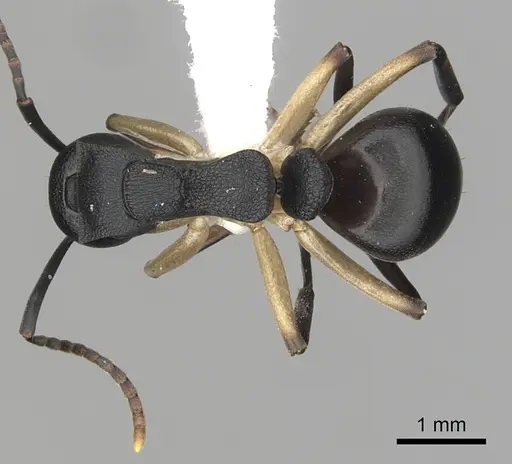
CASENT0886064
View on AntWeb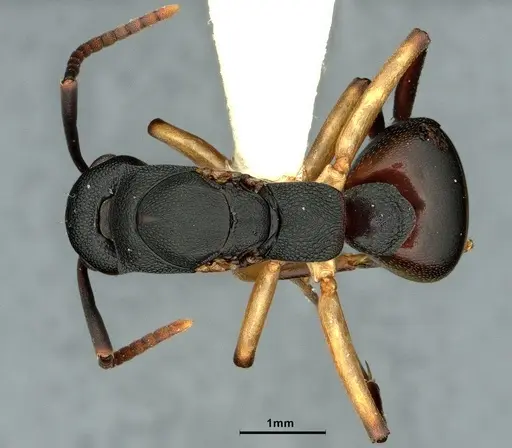
CASENT0905038
View on AntWeb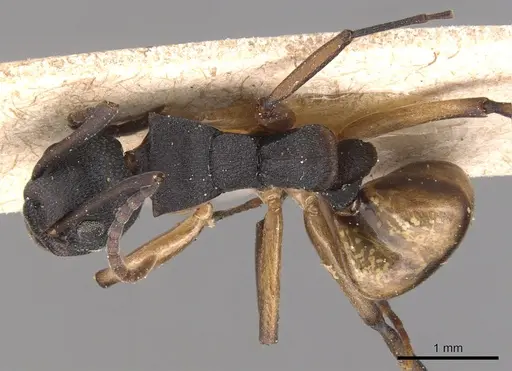
CASENT0915565
View on AntWeb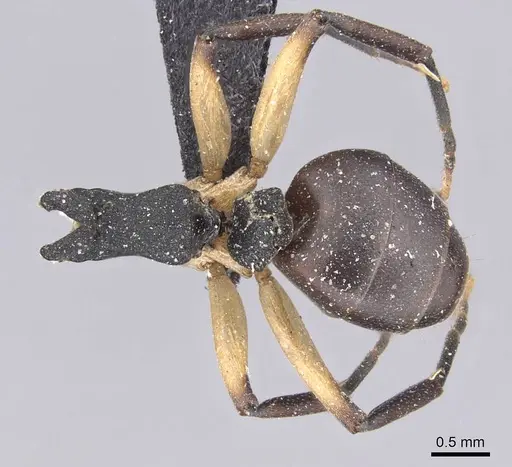
CBUMAGENT41853
View on AntWeb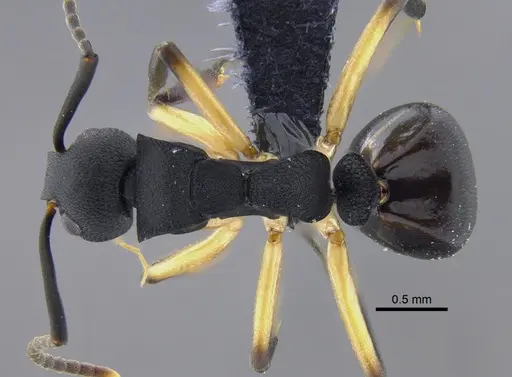
ECOFOG-KR17-0072-09
View on AntWeb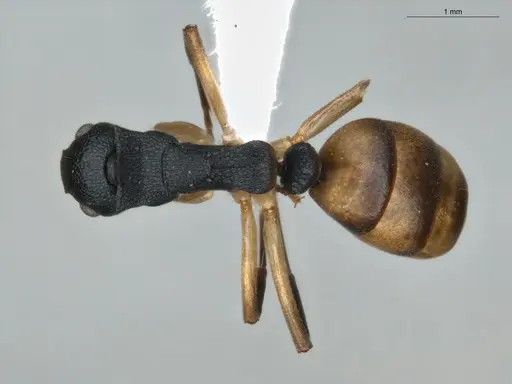
ECOFOG-KR19-0051-03
View on AntWeb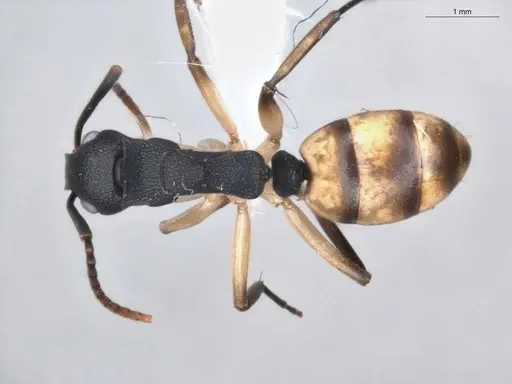
Literature
Loading...Loading products...