

Dolichoderus imitator
- Scientific Name
- Dolichoderus imitator
- Tribe
- Dolichoderini
- Subfamily
- Dolichoderinae
- Author
- Emery, 1894
- Distribution
- Found in 10 countries
Dolichoderus imitator Overview
Dolichoderus imitator is an ant species of the genus Dolichoderus. It is primarily documented in 10 countries , including Bolivia, Plurinational State of, Brazil. Detailed taxonomic data and occurrence records can be further explored via authoritative databases such as AntWeb or the Global Biodiversity Information Facility (GBIF).
Dolichoderus imitator
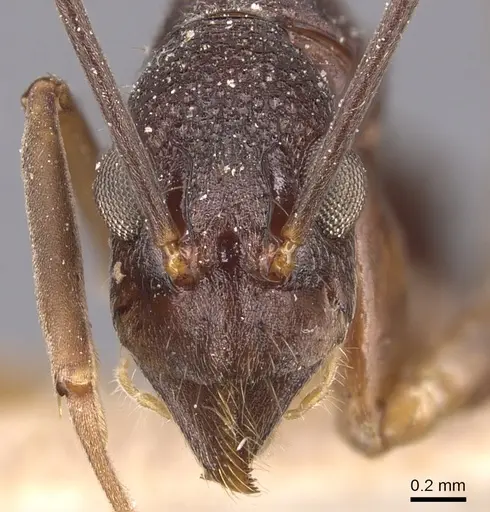
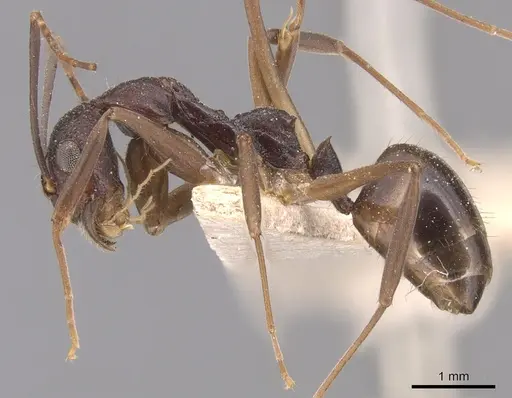
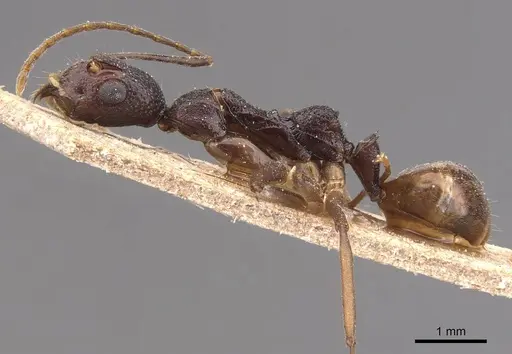
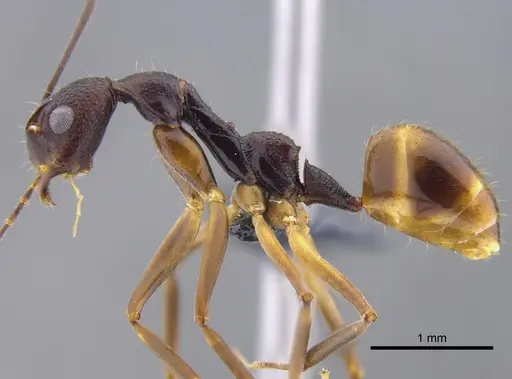
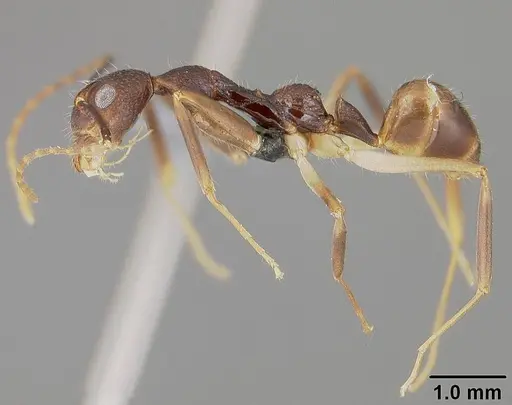
Dolichoderus imitator is a Neotropical ant species found across northern South America, from Bolivia through Brazil, Colombia, Ecuador, and French Guiana [1]. Workers are small, slender ants with an elongated head and mesosoma, distinctive erect hairs on the body dorsum, and a bidentate petiole (two teeth at the rear) [2]. This species is unusual within its genus because it is the only Neotropical Dolichoderus that lives on the ground (terricolous), all other related species are arboreal, living in trees [3]. They inhabit humid tropical rainforests, typically found in leaf litter at elevations up to 900 meters [4].
What makes D. imitator particularly interesting is its evolutionary position. It sits at a basal (early branching) position in the Dolichoderus family tree, meaning it represents an ancient lineage that split off before most other Neotropical Dolichoderus species evolved [3]. This ground-dwelling lifestyle is a unique adaptation among its arboreal relatives, making them an intriguing species for keepers interested in observing distinct behavioral differences from typical Dolichoderus ants.
Quick Summary
- Difficulty: Medium
- Origin & Habitat: Found across the Neotropical region: Bolivia, Brazil, Colombia, Ecuador, and French Guiana. They live in humid tropical rainforests, primarily in forest leaf litter at elevations from near sea level to 900m [4][2]. This is a ground-dwelling species unlike most Neotropical Dolichoderus which are arboreal [3].
- Colony Type: Colony structure is not well documented in scientific literature. Based on related Dolichoderus species, likely monogyne (single queen) colonies. Further research needed to confirm queen number and colony size.
- Size & Growth:
- Queen: Estimated 5-7mm based on genus patterns, direct measurements not available in research literature
- Worker: Estimated 3-4mm based on genus patterns, research papers measured specimens but did not provide explicit size ranges
- Colony: Unknown, no colony size data found in available research
- Growth: Unknown, development timeline has not been directly studied
- Development: Estimated 6-8 weeks based on typical Dolichoderus genus development at tropical temperatures (24-28°C) (This is an estimate based on genus-level patterns since species-specific development data is not available. Expect faster development compared to temperate species due to their tropical origin.)
- Antkeeping:
- Temperature: Keep at 24-28°C. As a tropical species from humid rainforests, they need warm, stable temperatures. A heating cable on one side of the nest creates a suitable gradient. Avoid temperatures below 22°C as this could stress the colony.
- Humidity: High humidity is essential, aim for 70-85%. These ants live in forest floor litter where conditions are consistently moist. Use a moist substrate (like coco fiber or soil mix) in the outworld and keep the nest area humid. Provide a water tube for drinking access.
- Diapause: No true diapause required. As a tropical species, they do not need hibernation. However, slight temperature reductions during cooler months may be beneficial to simulate natural seasonal cycles, but keep them warm year-round.
- Nesting: Ground-dwelling species that naturally nests in leaf litter and soil. In captivity, a naturalistic setup with a moist soil/coco fiber substrate works well. Test tubes can work for founding colonies but provide a soil chamber for the colony to expand into. Y-tong or acrylic nests with moist substrate are also suitable.
- Behavior: Dolichoderus imitator is a ground-dwelling ant that forages in leaf litter. They are likely moderate foragers, searching for small prey and honeydew. Unlike their arboreal relatives, they spend more time on the ground. Their small size means they can escape through tiny gaps, excellent escape prevention is critical. They are not known to be particularly aggressive but will defend their nest. Workers likely communicate using chemical trails, typical of Dolichoderus species. They may be preyed upon by army ants in the wild [5].
- Common Issues: tropical species needs warm temperatures year-round, cold stress can kill colonies, high humidity requirements mean mold can be an issue if ventilation is poor, small size makes escape likely without fine mesh barriers and tight-fitting lids, limited availability in the antkeeping hobby means founding colonies may be difficult to obtain, ground-dwelling behavior means they need more horizontal space than typical arboreal Dolichoderus
Natural History and Distribution
Dolichoderus imitator is native to the Neotropical region, with confirmed records from Bolivia, Brazil, Colombia, Ecuador, and French Guiana [1]. In Colombia specifically, they have been recorded across multiple departments including Amazonas, Antioquia, Cundinamarca, Guainía, Guaviare, Magdalena, Meta, Putumayo, Vaupés, and Valle del Cauca at elevations ranging from near sea level to 980 meters [2][6].
What makes this species distinctive is its ecological niche. While most Neotropical Dolichoderus species live in trees (arboreal), D. imitator is uniquely adapted to ground life. It is the only known terricolous (ground-dwelling) Neotropical Dolichoderus species [3]. This adaptation likely evolved as a response to competition for tree-based nesting sites or to exploit different food resources found in leaf litter.
They inhabit humid tropical rainforests, specifically the forest floor layer known as leaf litter. Research in French Guiana found them in various forest types including Liana forest, Plateau forest, Transition forest, and Inselberg forest [7]. Studies show they are more frequently encountered in younger secondary forests (frequency 0.4) than in primary forests (frequency 0.2), suggesting they may benefit from disturbed areas [8].
Morphology and Identification
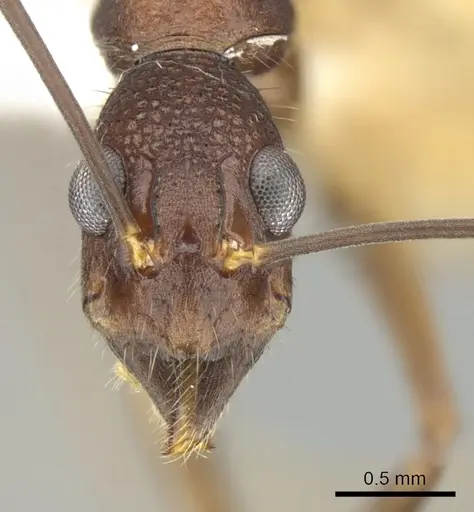
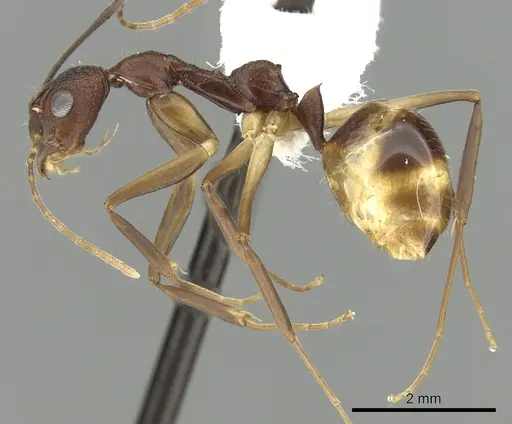
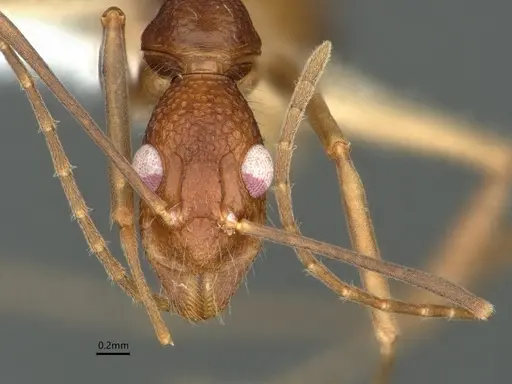
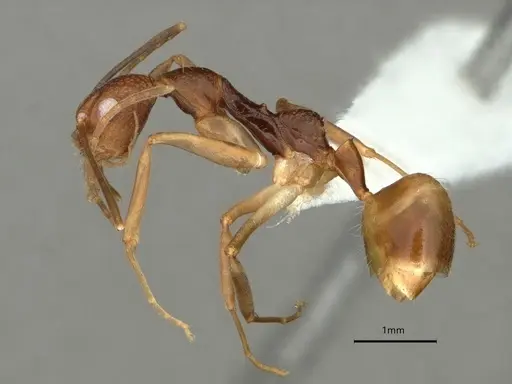
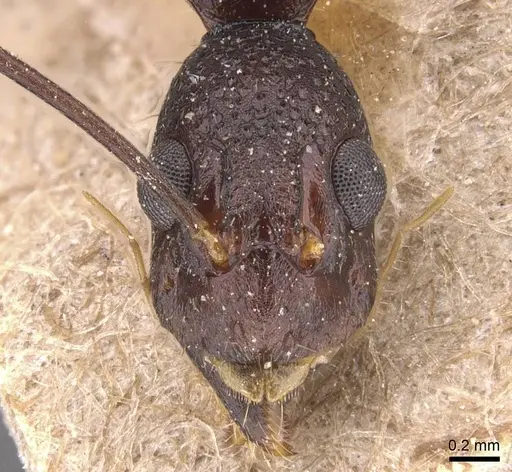
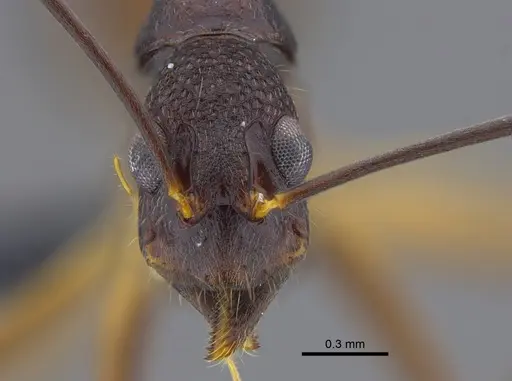
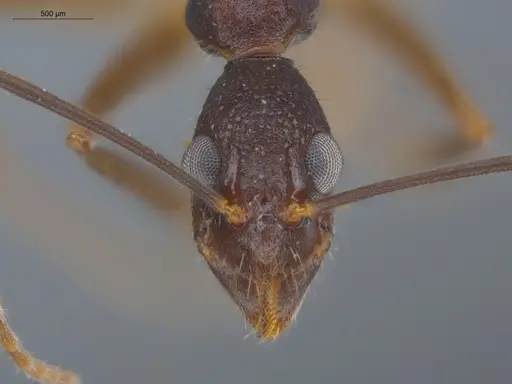
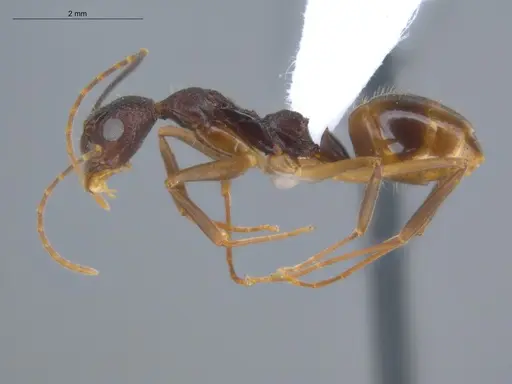
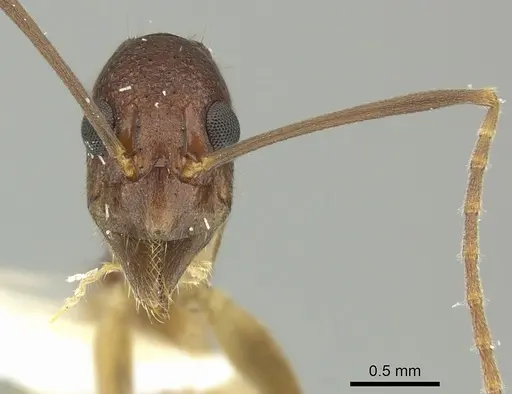
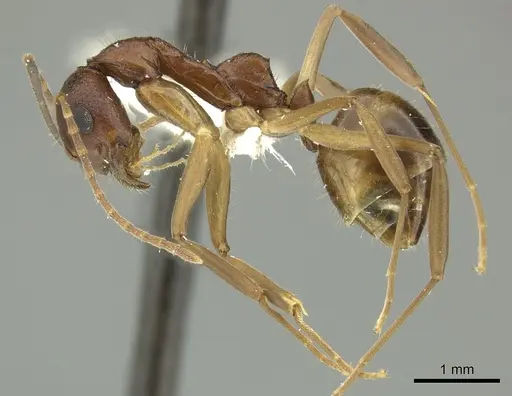
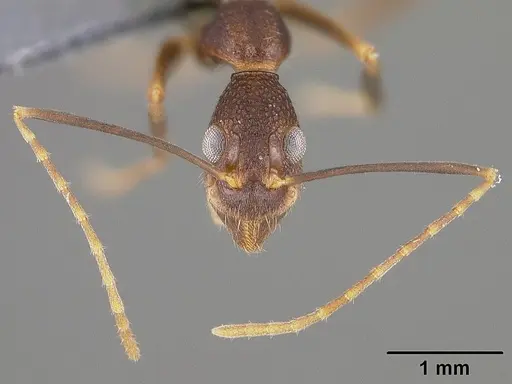
Workers of Dolichoderus imitator have several distinctive physical features that help identify them. They possess an elongated head with exposed antennal insertions (the antennae are not buried in a deep socket) [2]. The eyes protrude from the lateral margins of the head, giving them a distinctive look compared to related species. The mesosoma (the middle body section) is elongated and narrow, while the pronotum (first segment of the thorax) has a punctate surface with longitudinal depressions resembling fossae (grooves) [2].
The propodeal spines are poorly developed (small or absent), and the petiole (the narrow waist segment) is bidentate, meaning it has two distinct teeth or points [2]. Erect hairs are present on the body dorsum (upper surface) but notably absent from the scapes (antenna shafts) and tibiae (leg segments), this hair pattern is a key identification feature.
The species is part of the D. imitator complex, though currently recognized as the single species in this complex [3]. Chromosome studies show they have 2n = 38 chromosomes, which is relatively high compared to some related species [3][9].
Housing and Nest Setup
Since Dolichoderus imitator is a ground-dwelling species, your setup should mimic their natural forest floor habitat. A naturalistic setup works best, use a container with a moist substrate layer (5-10cm deep) made from a mix of coco fiber, soil, and some sand for drainage. This allows the ants to create their own chambers and tunnels, which is closer to how they live in the wild.
For founding colonies (queen alone), a test tube setup can work initially, but transfer to a naturalistic or soil-based formicarium once the first workers (nanitics) emerge. The substrate should stay consistently moist but not waterlogged, think of the damp conditions found in rainforest leaf litter.
Because they are ground-dwellers, they need more horizontal floor space than height. A shallow, wide formicarium or plastic box with a soil floor works better than tall vertical setups. Provide a water tube with a cotton stopper for drinking access, as they cannot rely solely on food moisture.
Escape prevention is critical, these are small ants that can squeeze through tiny gaps. Use tight-fitting lids, apply fluon or barrier grease to container edges, and ensure any ventilation holes are covered with fine mesh (at least 0.5mm or smaller).
Temperature and Humidity Requirements
As a tropical species from humid rainforests, Dolichoderus imitator requires warm and humid conditions. Keep the nest area at 24-28°C (75-82°F). A heating cable placed on one side of the nest creates a gentle temperature gradient that allows the ants to regulate their own conditions. Avoid temperatures below 22°C as prolonged cold stress can weaken and kill colonies.
Humidity should be maintained at 70-85%. This is higher than many common ant species require. The nest substrate should feel consistently moist to the touch. You can achieve this by misting the outworld regularly and keeping the water tube filled. However, balance humidity with adequate ventilation to prevent mold growth, stagnant, overly humid conditions cause fungal problems.
Since they come from a tropical environment with minimal seasonal temperature variation, they do not require a true diapause or hibernation period. However, slight seasonal variations are natural, so minor temperature fluctuations between seasons are acceptable as long as they remain in the warm range.
Feeding and Diet
In the wild, Dolichoderus imitator forages in leaf litter for small arthropods and likely tends aphids or scale insects for honeydew. As a ground-dwelling species, their diet probably includes small insects, mites, and other micro-arthropods found in forest floor debris.
In captivity, offer a varied diet: protein sources like small crickets, fruit flies, mealworms, and other small insects. Sugar sources are also important, offer sugar water, honey, or diluted maple syrup. Since they are ground-dwellers that may not climb well to reach high sugar sources, place sugar water in shallow dishes or directly on the substrate.
Feed small amounts 2-3 times per week for established colonies. Remove any uneaten prey after 24-48 hours to prevent mold. Always provide a fresh water source. Since their exact dietary preferences are not well-documented in scientific literature, observe what your colony accepts and adjust accordingly.
Colony Development
Specific colony development data for Dolichoderus imitator is not available in scientific literature. Based on typical Dolichoderus genus patterns and their tropical origin, expect the following timeline: queen lays eggs after mating (nuptial flight), eggs hatch into larvae in about 1-2 weeks, larvae develop for 2-3 weeks, then pupate. First workers (nanitics) emerge approximately 6-8 weeks after egg-laying at optimal temperatures (24-28°C).
Nanitics will be smaller than normal workers and may have slightly softer exoskeletons. The colony grows gradually at first, with worker numbers increasing slowly over the first few months. Once the colony reaches 20-30 workers, growth typically accelerates as more foragers can gather food.
Colony size in the wild is unknown, but related Dolichoderus species often reach several hundred workers. Given their ground-dwelling lifestyle and the limited research on this species, expect moderate colony growth rates. Patience is key, tropical species often grow differently than the faster temperate species most keepers are familiar with.
Frequently Asked Questions
How long does it take for Dolichoderus imitator to produce first workers?
Expect first workers (nanitics) approximately 6-8 weeks after the queen lays eggs, at optimal temperatures of 24-28°C. This is an estimate based on typical Dolichoderus genus development patterns since species-specific data is not available.
What temperature should I keep Dolichoderus imitator at?
Keep them at 24-28°C (75-82°F). As a tropical rainforest species, they need warm, stable temperatures. A heating cable on one side of the nest creates a suitable gradient. Avoid temperatures below 22°C.
Do Dolichoderus imitator ants need hibernation?
No, they do not require hibernation. As a tropical species from humid rainforests, they need warm conditions year-round. Minor seasonal temperature variations are acceptable, but keep them in the 22-28°C range throughout the year.
What do Dolichoderus imitator ants eat?
They likely accept small insects (crickets, fruit flies, mealworms) for protein and sugar sources (honey, sugar water, maple syrup). Feed small amounts 2-3 times per week and remove uneaten food to prevent mold.
How big do Dolichoderus imitator colonies get?
Colony size is not well documented in scientific literature. Based on related species, they likely reach several hundred workers. Growth is expected to be moderate, be patient as tropical species often develop differently than temperate ants.
Can I keep multiple Dolichoderus imitator queens together?
Colony structure (monogyne vs polygyne) has not been documented for this species. Based on typical Dolichoderus patterns, single-queen colonies are most likely. It is not recommended to combine unrelated queens until more is known about their natural colony structure.
What type of nest is best for Dolichoderus imitator?
A naturalistic setup with moist substrate (coco fiber/soil mix) works best since they are ground-dwelling. They need horizontal space more than height. Test tubes work for founding, but transfer to a soil-based formicarium once the colony establishes.
Why are my Dolichoderus imitator ants dying?
Common causes include: cold stress (temperatures below 22°C), low humidity (below 70%), mold from poor ventilation, or escape. Check that temperatures are warm and stable, humidity is adequate, and that you have excellent escape prevention. Small ants are also vulnerable to drowning in water tubes, ensure proper setup.
Is Dolichoderus imitator a good species for beginners?
This species is rated as Medium difficulty. While not the most challenging, it requires specific conditions (high humidity, warm temperatures) that may be more demanding than common temperate species. Experience with antkeeping basics is recommended before attempting this species.
References

This caresheet is licensed under CC BY-SA 4.0 .
CASENT0249667
View on AntWeb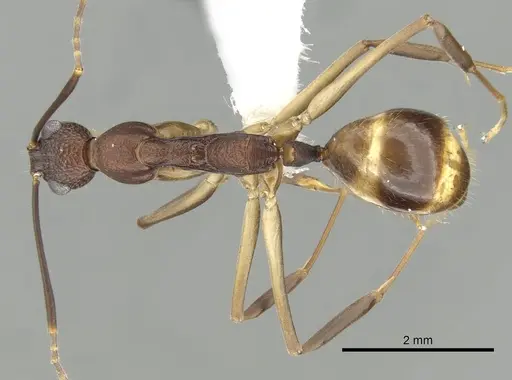
CASENT0768326
View on AntWeb
CASENT0866531
View on AntWeb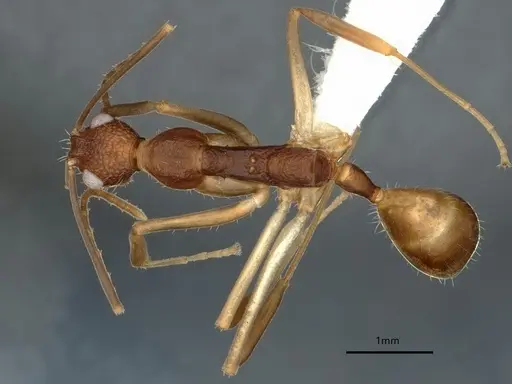
CASENT0905039
View on AntWeb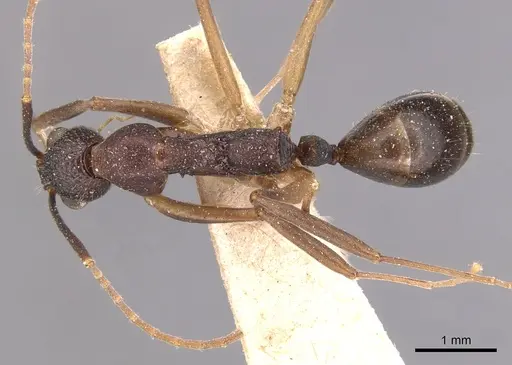
CASENT0905786
View on AntWeb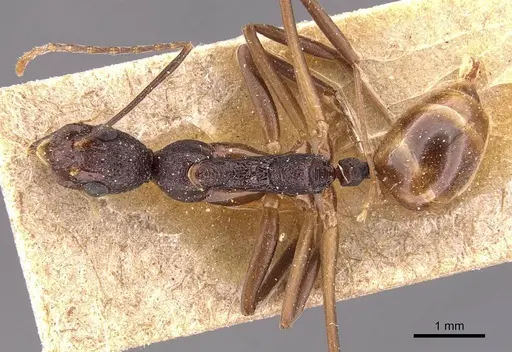
CBUMAGENT41847
View on AntWeb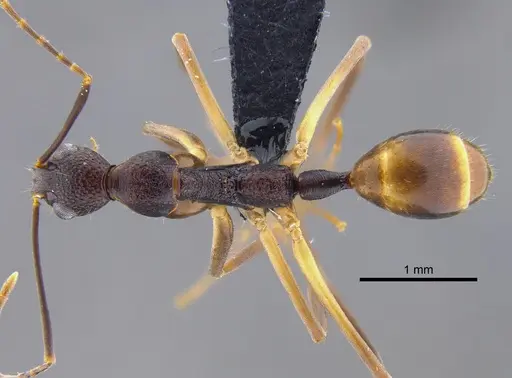
ECOFOG-OI17-0124-01
View on AntWeb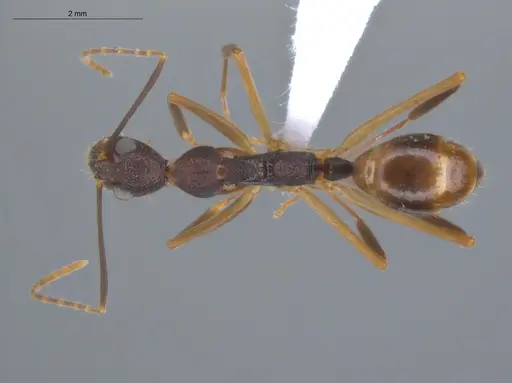
JTLC000003172
View on AntWeb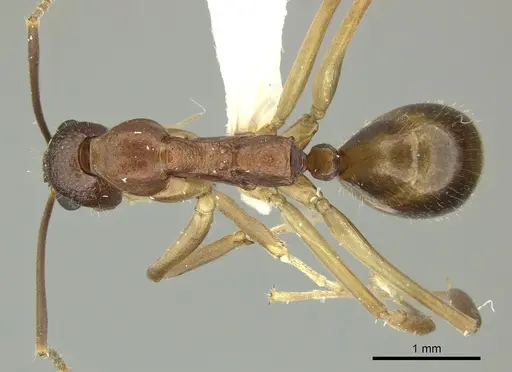
USNMENT00411879
View on AntWeb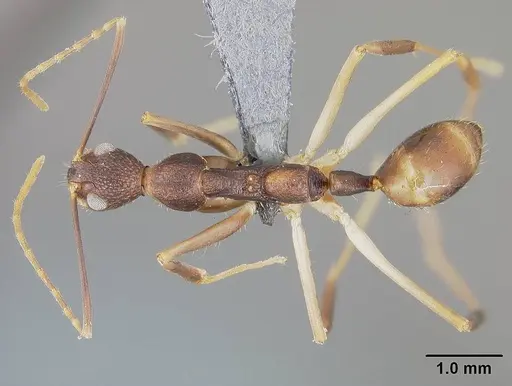
Literature
Loading...Loading products...