

Dolichoderus haradae
- Scientific Name
- Dolichoderus haradae
- Tribe
- Dolichoderini
- Subfamily
- Dolichoderinae
- Author
- MacKay, 1993
- Distribution
- Found in 1 countries
Dolichoderus haradae Overview
Dolichoderus haradae is an ant species of the genus Dolichoderus. It is primarily documented in 1 countries , including Brazil. Detailed taxonomic data and occurrence records can be further explored via authoritative databases such as AntWeb or the Global Biodiversity Information Facility (GBIF).
Dolichoderus haradae
Dolichoderus haradae is a Neotropical ant species native to the Amazon Basin in Brazil, specifically recorded from the Pará state region [1]. Workers were first described in 1993 by Mackay and are part of the Dolichoderinae subfamily, which includes ants known for their ability to spray formic acid as a defense mechanism rather than using a sting [2]. Based on canopy fogging studies in central Amazonia, this species appears to be arboreal, living and foraging in the forest canopy rather than on the ground [3]. Dolichoderus ants typically have a distinctive groove or impression on their head and a two-segmented waist (petiole), giving them a somewhat flattened appearance compared to other ant genera.
Quick Summary
- Difficulty: Unknown, limited data available
- Origin & Habitat: Amazon Basin in Brazil, specifically Pará state. Found in tropical rainforest canopy [3][1].
- Colony Type: Unconfirmed, colony structure has not been documented for this species. Most Dolichoderus species are monogyne (single queen) but some can be polygyne.
- Size & Growth:
- Queen: Undescribed, no queen measurements available for this species
- Worker: Undescribed, worker measurements not provided in original description [2]
- Colony: Unknown, no colony size data available
- Growth: Unknown
- Development: Unknown, no development data available for this species (Based on typical Dolichoderus patterns, expect 6-10 weeks at optimal tropical temperatures, but this is an estimate)
- Antkeeping:
- Temperature: Based on Amazonian origin, keep warm around 24-28°C. Monitor colony activity to fine-tune.
- Humidity: High humidity (70-85%) mimicking tropical rainforest conditions. Keep substrate consistently moist but not waterlogged.
- Diapause: Likely no true diapause, Amazon species experience year-round warm conditions. A slight cool period (around 20°C) during winter months may be beneficial but is not required.
- Nesting: Arboreal species, they naturally nest in trees and elevated locations. Y-tong (AAC) nests or plaster nests with good humidity retention work well. Provide climbing structures and vertical space.
- Behavior: Dolichoderus haradae is an arboreal species that forages in the canopy. They are not aggressive but will use their formic acid spray defense if threatened. Escape prevention is important, ensure enclosures have no small gaps. As a canopy-dwelling species, they will use vertical space and may be more active on elevated surfaces.
- Common Issues: Limited data makes care requirements uncertain, be prepared to experiment and adjust based on colony behavior, Arboreal nature means they need vertical space and climbing structures, not just horizontal floor space, High humidity needs can lead to mold issues if ventilation is poor, Wild-caught colonies may have parasites or diseases that are difficult to treat, This species is rarely available in the antkeeping hobby, making acquisition challenging
Natural History and Distribution
Dolichoderus haradae is endemic to the Amazon Basin in northern Brazil. The species was first described in 1993 from worker specimens, and more recently recorded from the Pará state, specifically from Mojuí dos Campos [1]. This region represents one of the most biodiverse areas on Earth, with consistent warm temperatures and high humidity year-round. The species has been collected through canopy fogging in central Amazonia, which involves fogging trees with insecticide to knock down insects from the canopy, this method confirms they are arboreal, living and foraging in the forest canopy rather than on the ground [3]. The Amazon rainforest provides a stable tropical environment with temperatures typically ranging from 24-28°C and humidity often above 80%.
Housing and Nest Preferences
Based on their arboreal nature, Dolichoderus haradae requires housing that accommodates their natural behavior of living in elevated locations. Y-tong (AAC) nests work well for this species as they provide good humidity control and dark chambers that mimic tree hollows. Plaster nests can also work but monitor moisture levels carefully. The key requirement is vertical space, these ants will climb and explore upward rather than just across a flat surface. Include climbing structures like fake plants, branches, or cork bark in the outworld. Test tubes can work for founding colonies but be prepared to move them to a more spacious formicarium as the colony grows. Ensure escape prevention is solid, while not particularly small, they are agile climbers.
Feeding and Diet
While specific dietary studies for D. haradae are lacking, Dolichoderus species in general are omnivorous and will accept both sugar sources and protein. In the wild, they likely forage for honeydew (a sugary substance secreted by aphids and scale insects) and small insects in the canopy. In captivity, offer sugar water or honey as a constant energy source. For protein, provide small insects like fruit flies, small mealworms, or crickets. Feed protein 2-3 times per week, removing any uneaten prey within 24 hours. Fresh fruit can also be accepted. Always ensure clean water is available.
Temperature and Humidity Requirements
As an Amazonian species, Dolichoderus haradae requires warm, humid conditions. Maintain temperatures in the range of 24-28°C, which can be achieved with a heating cable on one side of the nest to create a gentle gradient. Avoid temperatures below 22°C for extended periods as this could stress the colony. Humidity should be kept high at 70-85%, this is critical for this species. The nest substrate should remain consistently moist but never waterlogged. Using a water reservoir in the nest (like a test tube with water and cotton) helps maintain humidity. Mist the outworld occasionally but avoid creating standing water. Good ventilation is important to prevent mold while maintaining humidity.
Behavior and Defense
Dolichoderus ants lack a sting but possess a potent defense mechanism, they can spray formic acid at attackers. This is a chemical defense that can irritate skin and eyes, so handle with care and avoid provoking the colony. They are not particularly aggressive toward humans but will defend their nest vigorously. Workers are medium-sized and relatively fast-moving. As an arboreal species, they are comfortable climbing on various surfaces and will establish foraging trails. They may be more active during the day but can have irregular activity patterns. Colony size is unknown but likely reaches several hundred workers over time. [2]
Frequently Asked Questions
How long does it take for Dolichoderus haradae to produce first workers?
The exact development timeline is unknown for this species. Based on typical Dolichoderus patterns in tropical conditions, expect first workers (nanitics) approximately 6-10 weeks after the queen lays eggs, assuming optimal temperatures around 26°C. This is an estimate due to lack of specific data for this species.
Can I keep Dolichoderus haradae in a test tube?
Test tubes can work for founding colonies, but because this is an arboreal species, they will benefit from having access to vertical space relatively early. Once the colony reaches 15-20 workers, consider moving them to a formicarium with climbing structures.
What do Dolichoderus haradae eat?
They are omnivorous. Offer sugar water or honey as a constant energy source, and protein sources like small insects (fruit flies, small mealworms, crickets) 2-3 times per week.
Is Dolichoderus haradae good for beginners?
This species is not recommended for beginners due to very limited available care information. The difficulty level is uncertain. If you are experienced with tropical arboreal ants, it can be an interesting species to keep.
Do Dolichoderus haradae need hibernation?
No, hibernation is not required. As an Amazonian species, they experience year-round warm conditions. A slight temperature reduction during winter months (around 20°C) may be natural but is not necessary for colony health.
How big do Dolichoderus haradae colonies get?
Colony size is unknown for this specific species. Based on related Dolichoderus species, colonies likely reach several hundred to perhaps a thousand workers over several years.
When should I move my colony to a formicarium?
Move from a test tube setup to a formicarium when the colony reaches approximately 15-30 workers and you notice the test tube becoming cramped. Ensure the new setup maintains high humidity and provides climbing opportunities.
Can I keep multiple Dolichoderus haradae queens together?
The colony structure (monogyne vs polygyne) is unconfirmed for this species. Combining unrelated queens is not recommended due to lack of data on their founding behavior.
Why is my Dolichoderus haradae colony dying?
Common causes include: temperature too low (below 22°C), humidity too low or too high (aim for 70-85%), mold from poor ventilation, or stress from excessive disturbance. Review all environmental parameters and make gradual adjustments.
References

This caresheet is licensed under CC BY-SA 4.0 .
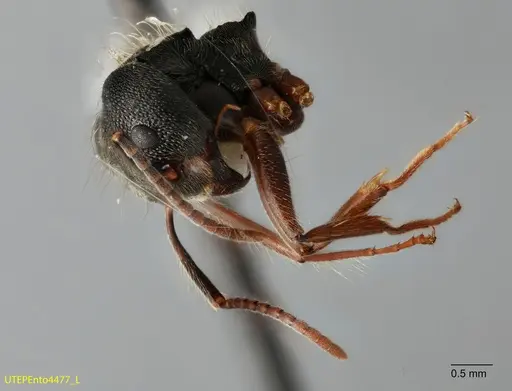
UTEPENTO4477
View on AntWeb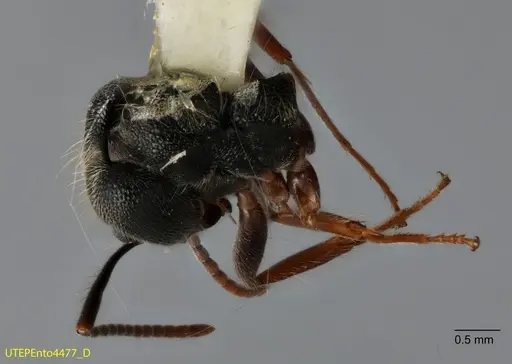
Literature
Loading...Loading products...