

Dolichoderus goudiei
- Scientific Name
- Dolichoderus goudiei
- Tribe
- Dolichoderini
- Subfamily
- Dolichoderinae
- Author
- Clark, 1930
- Distribution
- Found in 2 countries
Dolichoderus goudiei Overview
Dolichoderus goudiei is an ant species of the genus Dolichoderus. It is primarily documented in 2 countries , including Australia, New Zealand. Detailed taxonomic data and occurrence records can be further explored via authoritative databases such as AntWeb or the Global Biodiversity Information Facility (GBIF).
Dolichoderus goudiei
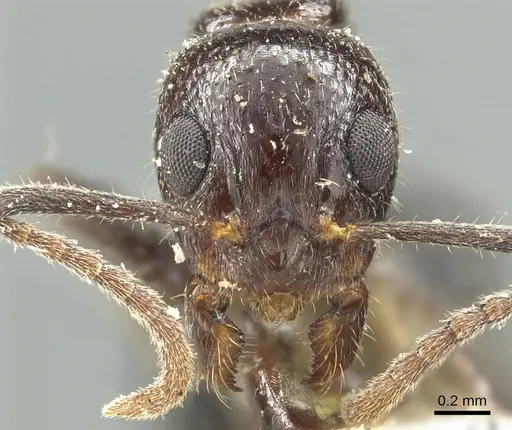
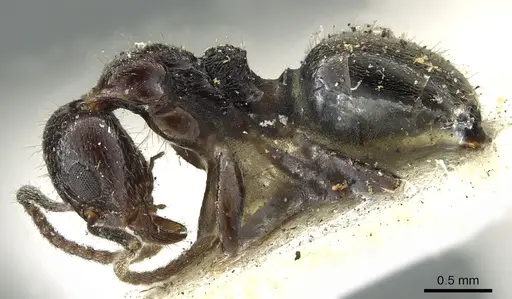
Dolichoderus goudiei is a tiny ant species native to south-eastern Australia, ranging from the ACT to south-eastern South Australia. Workers measure just 0.8-0.9mm in head width, making them one of the smaller Australian ants. They have a distinctive appearance with a reddish-brown to black head, no spines on the pronotum or propodeum, and the first segment of their abdomen (gaster) features elongated erect hairs and fine silvery flat-lying hairs. These ants inhabit dry sclerophyll and savannah woodlands, where they forage on low vegetation and tree trunks. Unlike many ants, they are strictly diurnal and form visible foraging columns. They are general scavengers but also tend aphids and other sap-sucking insects for honeydew. The species was once intercepted in New Zealand on orchid imports from Sydney but has not become established there.
Quick Summary
- Difficulty: Medium
- Origin & Habitat: South-eastern Australia (ACT to south-eastern South Australia) in dry sclerophyll and savannah woodlands [1][2]
- Colony Type: Likely single-queen colonies based on typical Dolichoderus patterns
- Colony: Monogyne
- Founding: Claustral
- Size & Growth:
- Queen: Unconfirmed, likely around 4-5mm based on genus patterns
- Worker: 0.80-0.88mm head width,0.93-0.99mm head length [1]
- Colony: Unknown for this specific species, expect moderate-sized colonies typical of Dolichoderus
- Growth: Moderate, based on small worker size and typical genus development
- Development: Estimated 6-10 weeks at optimal temperature based on related Dolichoderus species (Development timeline not directly studied, estimates based on genus patterns for small tropical/temperate ants)
- Antkeeping:
- Temperature: Keep at 22-26°C, they are from temperate to subtropical regions of Australia and tolerate a range of warm conditions [1]
- Humidity: Moderate humidity preferred. Keep nest substrate moist but not waterlogged, they naturally nest in soil under rocks or in rotten wood which provides some moisture [2]
- Diapause: Likely required, Australian temperate ants typically need a winter rest period. Provide 2-3 months at 10-15°C during austral winter (roughly May-September in Australia, adjust to your hemisphere)
- Nesting: Soil-nesting species. In captivity, a test tube setup works well for founding colonies. For established colonies, use a naturalistic setup with moist soil and a hiding spot like a small rock or piece of rotten wood. They accept Y-tong or acrylic nests with soil chambers.
- Behavior: These ants are diurnal and form distinct foraging columns, both on the ground and up into vegetation. They are general scavengers but show a strong preference for honeydew from aphids and other sap-sucking insects. Workers are small but agile, and while not particularly aggressive, they may bite if threatened. Their tiny size (under 1mm) means escape prevention is critical, they can squeeze through remarkably small gaps. They are not known for stinging. They are active foragers and benefit from a well-defined day-night cycle.
- Common Issues: tiny size means escapes are likely without fine mesh barriers and tight-fitting lids, slow founding, claustral queens may take months to produce first workers, patience is essential, colonies can be slow to grow, which may lead to overfeeding or excessive disturbance by impatient keepers, wild-caught colonies may carry parasites that can devastate captive colonies, dry conditions will cause colony decline, monitor substrate moisture regularly
Housing and Setup
For a newly caught queen, a simple test tube setup works perfectly. Fill a test tube about one-third with water, plug the water end with a cotton ball (creating a water reservoir), and place the queen in the dry portion. This setup maintains humidity while giving the queen a clear view of her surroundings. Cover the tube with a dark cloth for the first week to reduce stress, queens that feel exposed often eat their eggs. Once workers emerge (nanitics), you can continue in the test tube for several months or transition to a small formicarium. Because these ants are tiny, any formicarium should have small chambers and narrow passages scaled to their size. A naturalistic setup with moist soil and a piece of flat stone or rotten wood on top works well, this mimics their natural nesting under rocks in soil. Always use excellent escape prevention: these ants can squeeze through gaps smaller than 1mm. Apply fluon to any rim edges and use fine mesh on any ventilation holes. [2]
Feeding and Diet
In the wild, Dolichoderus goudiei are general scavengers but strongly prefer honeydew from aphids and other Hemiptera. In captivity, offer a varied diet: sugar water or honey diluted 50/50 with water should be available constantly, these ants readily accept sugar sources. For protein, offer small prey items like fruit flies, pinhead crickets, or small mealworms. Since they are tiny, prey should be appropriately sized, small fruit flies (Drosophila) are ideal. Feed protein 2-3 times per week, removing any uneaten prey after 24 hours. You can also observe if they will tend small aphids on a plant cutting, this is a more natural setup and they may actively tend and milk the aphids. Fresh water should always be available. Avoid overfeeding, excess food mold can kill colonies, especially in small setups. [2]
Temperature and Seasonal Care
Maintain temperatures between 22-26°C for optimal colony development. These ants come from temperate to subtropical regions of southern Australia and handle room temperature well in most climates. If your room is cooler, a heating cable on one side of the nest can create a gentle gradient, place it on top of the nest material, not underneath, to avoid excessive drying. During the Australian winter (roughly May-September), consider providing a diapause period at 10-15°C. This mimics their natural seasonal cycle and helps maintain colony health long-term. Reduce feeding during this period and keep the nest slightly cooler. If you are in the northern hemisphere, you might provide diapause during your winter (December-February) to match their natural cycle, or adjust to your local seasons, ants are quite adaptable and will adjust their cycle to captive conditions over time. [1]
Colony Founding
Queens of Dolichoderus goudiei are likely claustral, meaning the queen seals herself in a chamber and raises her first workers entirely on stored body fat reserves without leaving to forage. After mating during nuptial flights, the queen digs a small chamber and seals the entrance. She survives on her own stored energy while laying eggs and feeding the larvae until the first workers (nanitics) emerge. This process typically takes 4-8 weeks in most clausal ants, though it can take longer depending on temperature. The queen may not eat during this entire period. Do not disturb a founding queen, checking too often can cause her stress or lead to her eating the eggs. After nanitics emerge, the colony enters an early growth phase where the queen continues laying eggs while workers begin foraging. This is a vulnerable time, ensure food is available but do not flood the setup with prey.
Behavior and Observation
One of the most engaging aspects of keeping Dolichoderus goudiei is observing their foraging behavior. Unlike many ants that forage randomly, these ants form distinct columns, workers follow pheromone trails to and from food sources. You will often see a line of tiny ants moving purposefully across the outworld. They are diurnal, meaning they are most active during daylight hours, which makes them fun to watch during the day. Workers are generalists but show clear preference for sweet liquids (honeydew) over protein. If you provide a honey/sugar water station, you may see multiple workers clustering around it. Their small size makes them less intimidating than larger ant species, and they are not known for aggressive biting or stinging. However, their tiny size means they are easily crushed and require careful handling. They are also excellent climbers, they often forage up into vegetation in the wild, so ensure your outworld has smooth barrier edges to prevent escapes. [2]
Frequently Asked Questions
How long does it take for Dolichoderus goudiei to produce first workers?
Expect 4-8 weeks from egg to first worker under optimal conditions (around 24-26°C). The exact timeline is not documented for this species, so it may vary. Some foundress colonies can take 2-3 months, especially if temperatures are on the cooler side.
Can I keep multiple Dolichoderus goudiei queens together?
Not recommended. While Dolichoderus colonies may occasionally have multiple queens in the wild (polygyny), combining unrelated foundress queens in captivity often leads to fighting. It is best to house each queen separately until she has an established colony.
What do Dolichoderus goudiei eat?
They are general scavengers with a strong preference for sugar. Offer sugar water or honey constantly, and protein (small insects like fruit flies, pinhead crickets) 2-3 times per week. They also readily accept honeydew if you provide aphids on a plant cutting.
Are Dolichoderus goudiei good for beginners?
They are moderate difficulty. Their small size and escape risk make them slightly more challenging than larger, more robust species. However, their generalist diet and diurnal activity make them rewarding to watch. Beginners should be prepared for slower growth than faster species.
Do Dolichoderus goudiei need hibernation?
Likely yes. As an Australian temperate species, they probably benefit from a winter rest period of 2-3 months at reduced temperatures (10-15°C). This helps maintain their natural seasonal rhythm and may improve long-term colony health.
When should I move my colony to a formicarium?
Once the colony reaches 20-30 workers and the test tube is becoming crowded, you can transition to a formicarium. For Dolichoderus goudiei, a small naturalistic setup with soil chambers or a Y-tong nest with small chambers works well. Make sure any formicarium has appropriately sized chambers for their tiny workers.
Why are my Dolichoderus goudiei dying?
Common causes include: escape through tiny gaps (check your barriers), dry conditions (ensure substrate stays moist), mold from overfeeding (remove uneaten food promptly), and stress from too much disturbance. Also consider whether the queen has died, without a laying queen, the colony will eventually die out. Wild-caught colonies may also carry internal parasites that cause gradual decline.
How big do Dolichoderus goudiei colonies get?
The maximum colony size is not documented for this specific species. Based on related Dolichoderus species, expect colonies of several hundred workers at maturity. Growth is relatively slow, expect several months to a year to reach 50+ workers.
References

This caresheet is licensed under CC BY-SA 4.0 .
ANTWEB1008169
View on AntWeb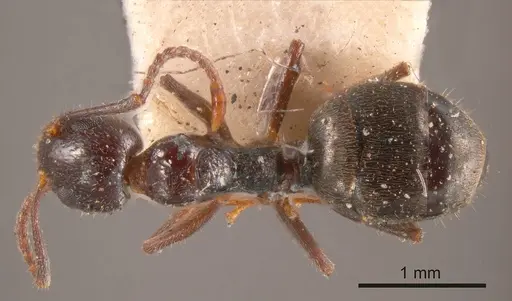
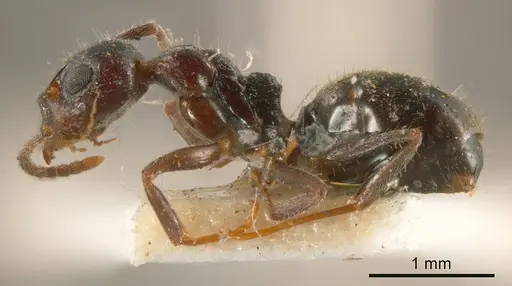
CASENT0902981
View on AntWeb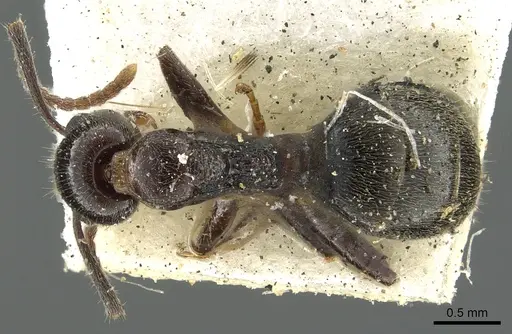
Literature
Loading...Loading products...