

Dolichoderus ferrugineus
- Scientific Name
- Dolichoderus ferrugineus
- Tribe
- Dolichoderini
- Subfamily
- Dolichoderinae
- Author
- Forel, 1903
- Distribution
- Found in 4 countries
Dolichoderus ferrugineus Overview
Dolichoderus ferrugineus is an ant species of the genus Dolichoderus. It is primarily documented in 4 countries , including Brazil, Colombia, French Guiana. Detailed taxonomic data and occurrence records can be further explored via authoritative databases such as AntWeb or the Global Biodiversity Information Facility (GBIF).
Dolichoderus ferrugineus
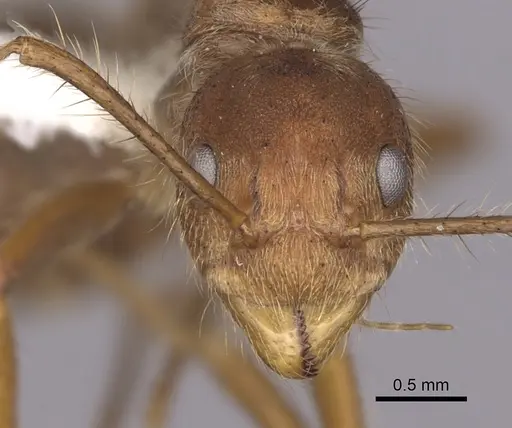
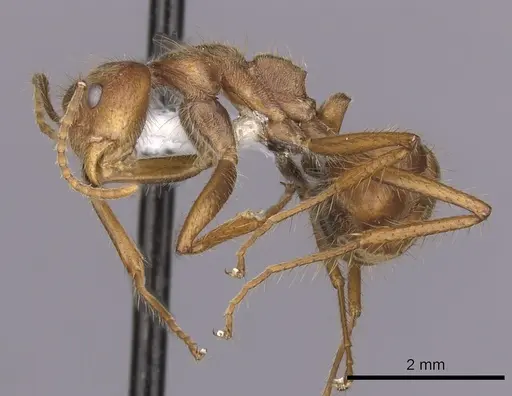
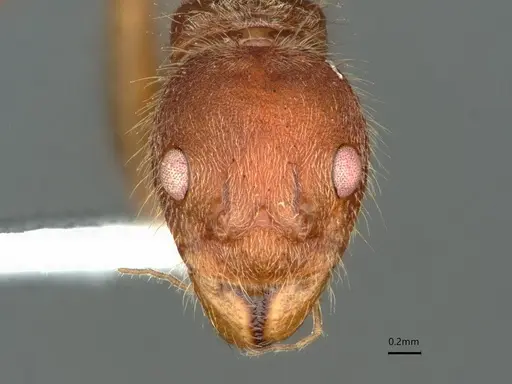
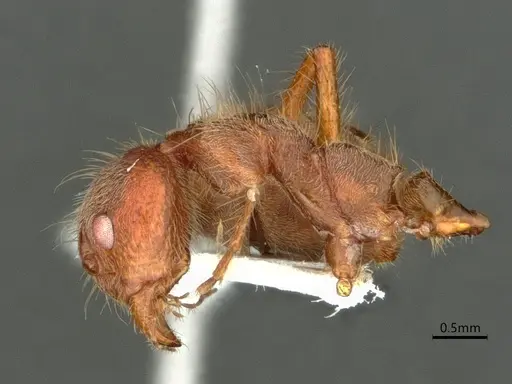
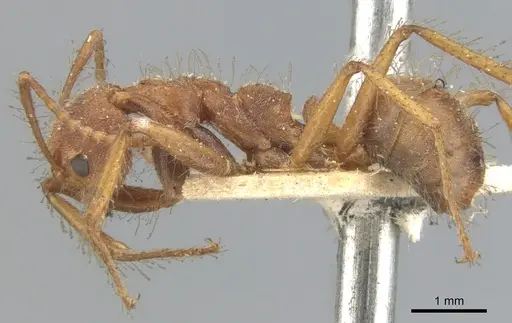
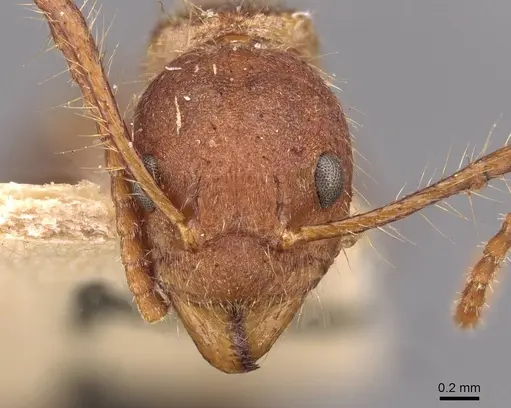
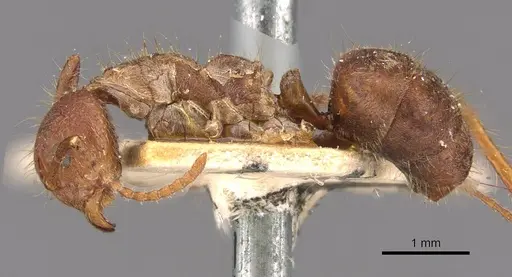
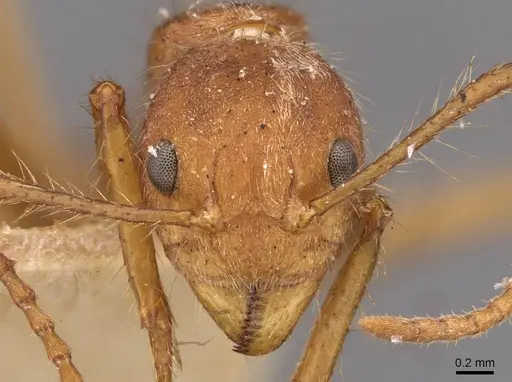
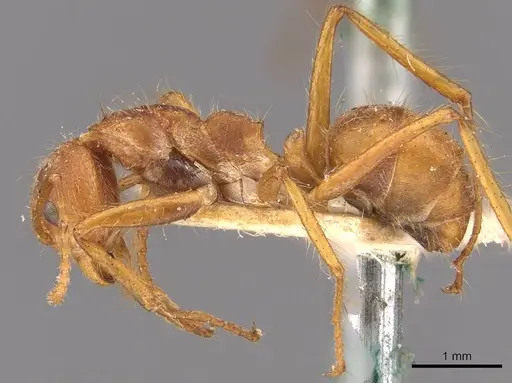
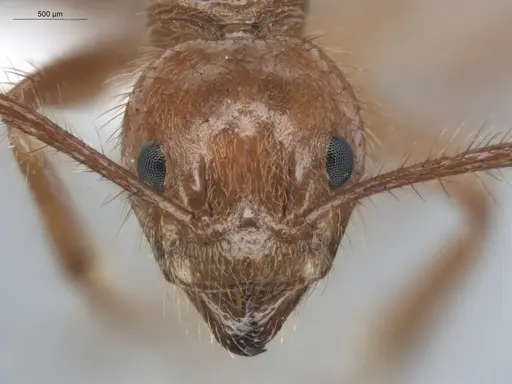
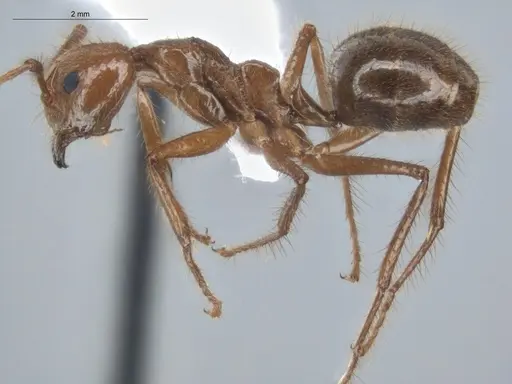
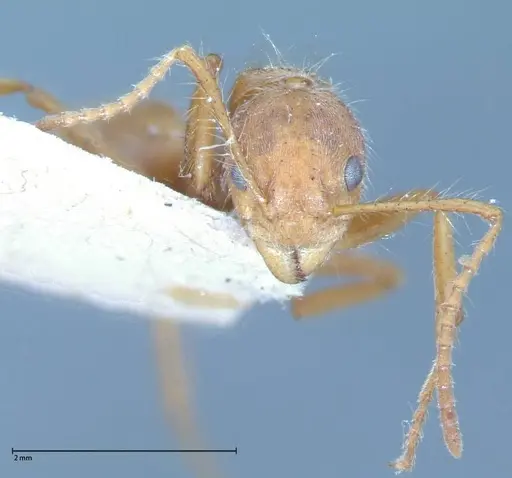
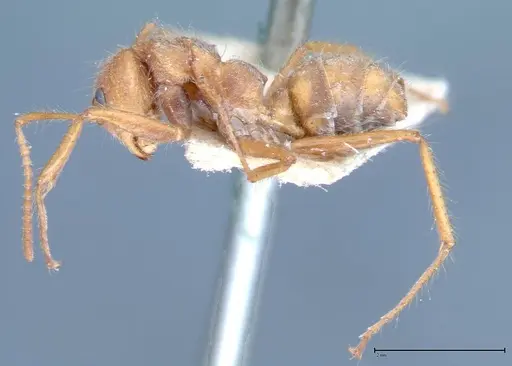
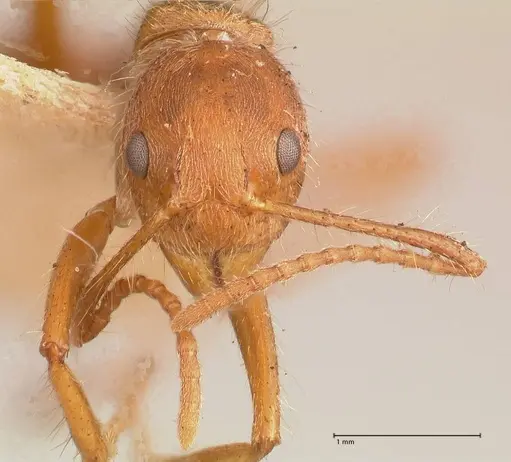
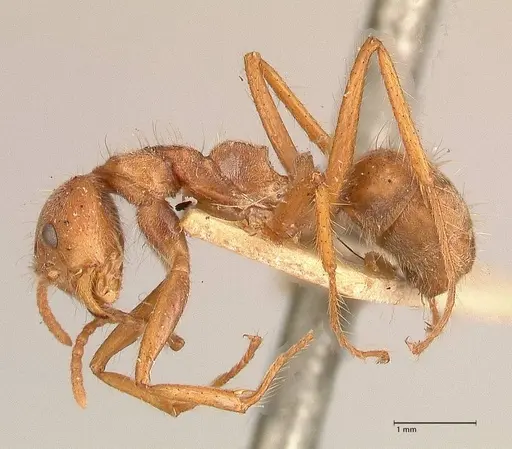
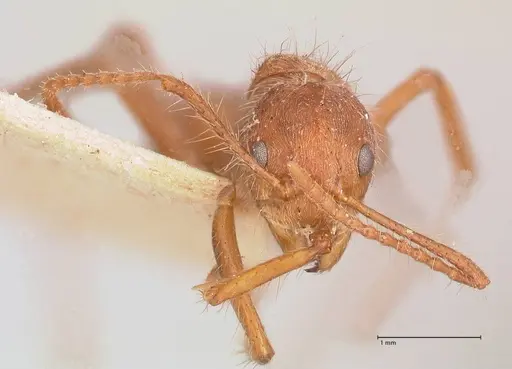
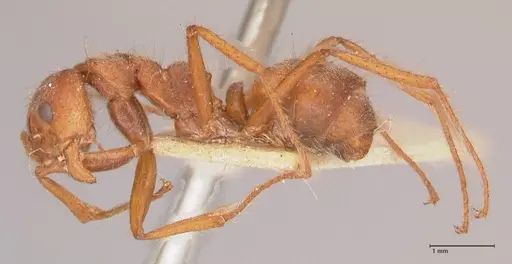
Dolichoderus ferrugineus is a medium-sized tropical ant species native to the Amazon basin region of South America. Workers display a distinctive reddish ferruginous (rusty) coloration, which gives the species its name. They have well-developed propodeal angles and a thickened petiole with scarcely visible teeth [1]. This species is found across the Neotropical region including Bolivia, Brazil, Colombia, and French Guiana, with records from the Amazon region of Peru and Ecuador [2][3]. Dolichoderus ants belong to the subfamily Dolichoderinae, which characteristically lack a stinger and instead use chemical defense through their anal gland secretions.
Quick Summary
- Difficulty: Medium
- Origin & Habitat: Amazon basin region of South America, found in Bolivia, Brazil, Colombia, French Guiana, Peru, and Ecuador. They inhabit tropical rainforest environments, typically in lowland Amazon areas [2][3].
- Colony Type: Colony structure is not well-documented for this specific species. Based on typical Dolichoderus patterns, colonies likely reach moderate sizes with multiple queens. Further research needed to confirm exact colony structure.
- Founding: Claustral
- Size & Growth:
- Queen: Approximately 6-7mm based on genus-level patterns for Dolichoderus species
- Worker: Approximately 4-5mm based on morphological descriptions [1]
- Colony: Likely reaches several hundred workers based on typical genus behavior, estimated
- Growth: Moderate, estimated based on tropical Dolichoderus patterns
- Development: Estimated 6-8 weeks at tropical temperatures based on related Dolichoderus species, estimated (Development likely faster in warm tropical conditions compared to temperate species)
- Antkeeping:
- Temperature: Keep at 24-28°C, these are tropical ants requiring warm, stable temperatures. A heating cable on one side of the nest can create a gentle gradient.
- Humidity: High humidity is essential, aim for 70-85% relative humidity. These ants come from damp rainforest environments. Keep the nest substrate consistently moist but not waterlogged.
- Diapause: No, as a tropical species, they do not require hibernation. Maintain warm temperatures year-round.
- Nesting: In nature they likely nest in rotting wood, under bark, or in arboreal cavities in tropical forests. In captivity, a Y-tong (AAC) nest or plaster nest works well. Keep the nest humid and provide a water tube for moisture.
- Behavior: Dolichoderus ferrugineus is generally not aggressive but will use chemical defense when threatened. They are arboreal and active foragers, likely collecting honeydew from aphids and small insects. Workers are medium-sized and relatively fast-moving. Escape prevention is important, they can climb smooth surfaces but are not particularly small or prone to escaping like some tiny species. They are primarily nocturnal or crepuscular foragers.
- Common Issues: tropical species may struggle if temperatures drop below 22°C, keep them warm, high humidity requirements mean mold can be an issue if ventilation is poor, wild-caught colonies may have parasites that affect survival in captivity, slow colony establishment may cause keepers to lose patience and make mistakes, test tube setups may dry out too quickly, monitor moisture levels closely
Housing and Nest Setup
Dolichoderus ferrugineus does well in a Y-tong (AAC) nest or a plaster/naturalistic setup that can maintain high humidity. These are semi-arboreal ants that prefer humid conditions, so choose a nest that holds moisture well. Provide a water tube or hydration system to maintain substrate moisture. Since they come from tropical forests, they need consistent access to humidity, avoid setups that dry out quickly. An outworld with natural decor like pieces of wood or leaves gives them foraging space. Use test tubes for founding colonies, then move to a proper nest once the colony reaches 20-30 workers. [2]
Feeding and Diet
In the wild, Dolichoderus species primarily feed on honeydew collected from aphids and scale insects, plus small insects and arthropods. In captivity, offer sugar water or honey water as a constant energy source. For protein, provide small insects like fruit flies, small crickets, or mealworms. Feed protein prey 2-3 times per week and keep sugar water available at all times. These ants are not aggressive predators, they prefer scavenging and collecting honeydew. Remove uneaten prey after 24 hours to prevent mold.
Temperature and Humidity
As a tropical species from the Amazon basin, Dolichoderus ferrugineus requires warm and humid conditions. Keep the nest area at 24-28°C, they are not tolerant of cool temperatures. A small heating cable placed on one side of the nest can create a temperature gradient, but avoid direct heat that could dry out the nest. Humidity should remain high at 70-85%. Monitor moisture levels regularly and rehydrate when the substrate begins drying. Poor temperature control is one of the most common reasons these tropical ants fail in captivity. [2][3]
Colony Development and Growth
Dolichoderus ferrugineus colonies grow at a moderate pace. A claustral queen seals herself in a chamber and raises the first brood using stored fat reserves. The first workers (nanitics) are typically smaller than mature workers. Expect 6-8 weeks from egg to first worker at optimal tropical temperatures. After that, colony growth depends on feeding and conditions. Mature colonies likely reach several hundred workers. Be patient during the founding phase, many keepers make mistakes by disturbing the queen or overfeeding too early.
Behavior and Temperament
These ants are not particularly aggressive but will use chemical defense when threatened. Dolichoderus ants have anal gland secretions that they use as a defensive chemical, this is their primary defense since they lack a stinger. Workers are active foragers, primarily at night or during twilight hours. They are not known for being escape artists like some tiny species, but they can climb smooth surfaces. They are generally peaceful toward each other within the colony. Provide a well-secured outworld lid to prevent escapes during feeding.
Frequently Asked Questions
How long does it take for Dolichoderus ferrugineus to produce first workers?
Expect 6-8 weeks from egg to first worker at optimal tropical temperatures (24-28°C). This is based on typical Dolichoderus development patterns.
What temperature do Dolichoderus ferrugineus ants need?
Keep them warm at 24-28°C. These tropical ants are not tolerant of cool temperatures, avoid anything below 22°C.
How big do Dolichoderus ferrugineus colonies get?
Based on typical genus patterns, colonies likely reach several hundred workers. Exact maximum is not documented for this species.
What do Dolichoderus ferrugineus ants eat?
They primarily feed on honeydew and small insects. In captivity, offer sugar water or honey constantly, plus small insects like fruit flies or small crickets 2-3 times per week.
Do Dolichoderus ferrugineus need hibernation?
No, they do not require hibernation. As a tropical Amazon species, they need warm temperatures year-round.
Are Dolichoderus ferrugineus good for beginners?
They are rated as medium difficulty. The main challenges are maintaining high humidity and warm temperatures consistently. If you can provide stable tropical conditions, they are manageable for intermediate keepers.
When should I move my Dolichoderus ferrugineus colony to a formicarium?
Wait until the colony has 20-30 workers and is actively foraging. For founding colonies, keep them in a test tube setup until then. Make sure the formicarium can maintain humidity.
Can I keep multiple Dolichoderus ferrugineus queens together?
Colony structure is not well-documented for this species. Combining unrelated queens is not recommended since it has not been studied for this specific species.
Why is my Dolichoderus ferrugineus colony dying?
The most common causes are temperatures dropping below 22°C, humidity levels being too low, or poor ventilation causing mold. Check your temperature and humidity levels first. Wild-caught colonies may also carry parasites.
References

This caresheet is licensed under CC BY-SA 4.0 .
CASENT0217396
View on AntWeb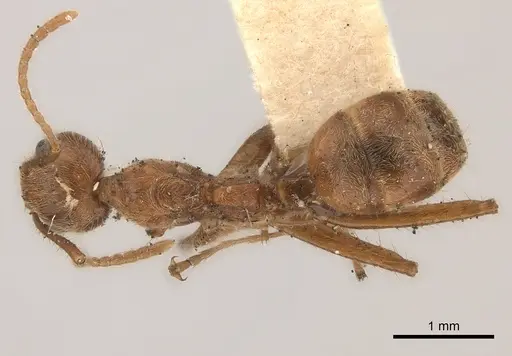
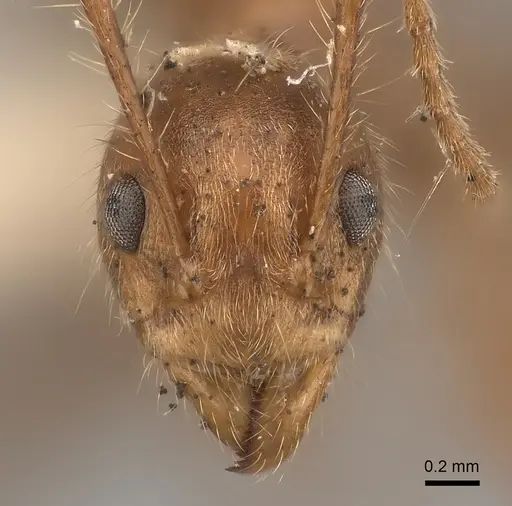
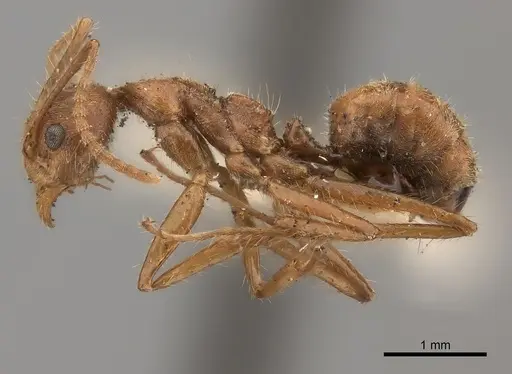
CASENT0249636
View on AntWeb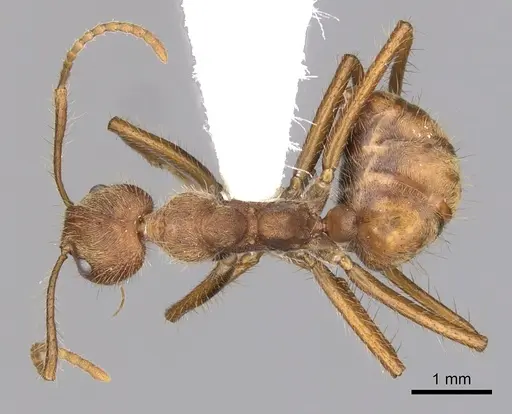
CASENT0866532
View on AntWeb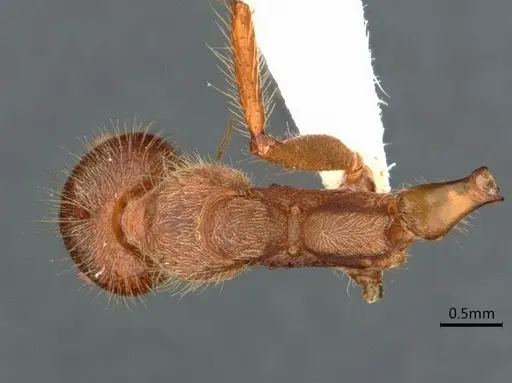
CASENT0902946
View on AntWeb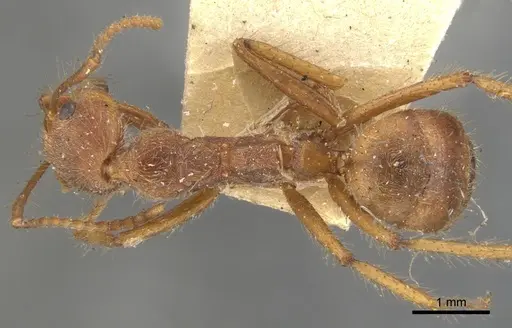
CASENT0909461
View on AntWeb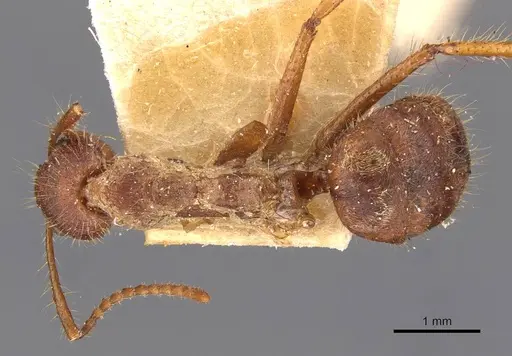
CASENT0909462
View on AntWeb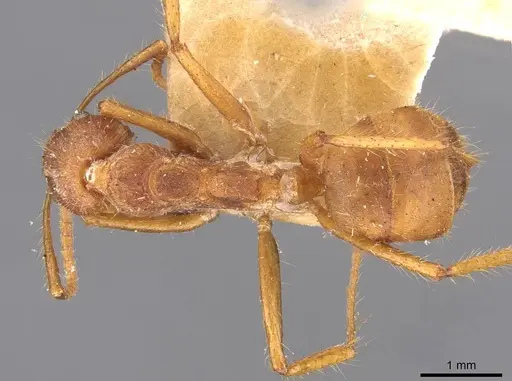
ECOFOG-BUG-2346-02
View on AntWeb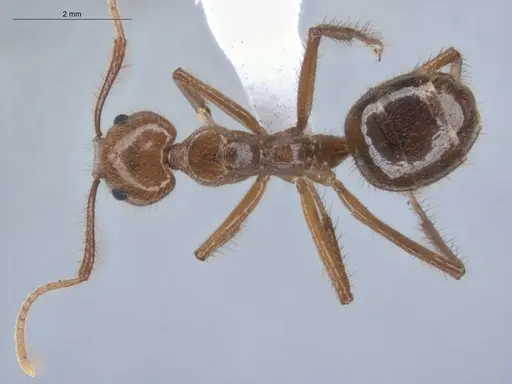
FOCOL0071
View on AntWeb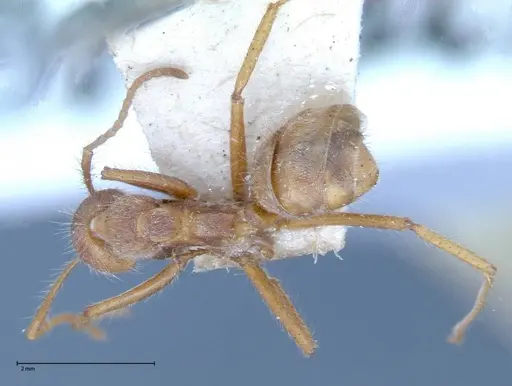
FOCOL0711
View on AntWeb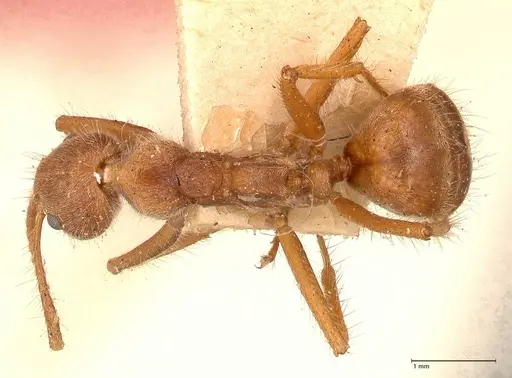
FOCOL0787
View on AntWeb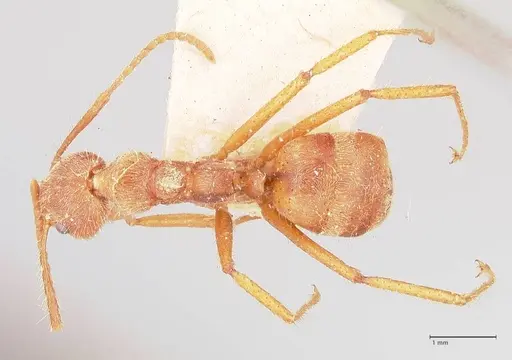
Literature
Loading...Loading products...