

Dolichoderus etus
- Scientific Name
- Dolichoderus etus
- Tribe
- Dolichoderini
- Subfamily
- Dolichoderinae
- Author
- Shattuck & Marsden, 2013
- Distribution
- Found in 1 countries
Dolichoderus etus Overview
Dolichoderus etus is an ant species of the genus Dolichoderus. It is primarily documented in 1 countries , including Australia. Detailed taxonomic data and occurrence records can be further explored via authoritative databases such as AntWeb or the Global Biodiversity Information Facility (GBIF).
Dolichoderus etus
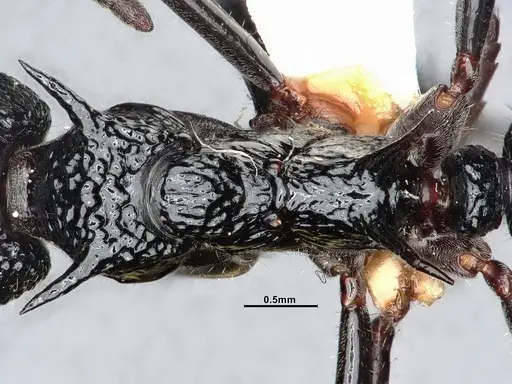
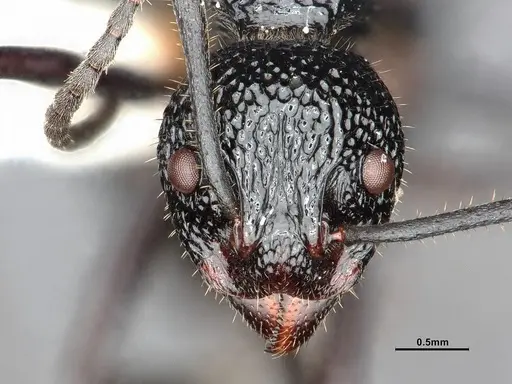
Dolichoderus etus is a medium-sized ant species native to eastern Australia, specifically coastal New South Wales. Workers measure 1.65-1.82mm in head width with distinctive spines on the pronotum and propodeum, the pronotal spines are short and point forward, giving them a unique silhouette among Australian ants [1]. Their most notable feature is the first gastral segment, which is mostly hairless but covered in fine, flattened pubescence that catches the light [1]. These ants live in forested habitats ranging from dry sclerophyll to wet sclerophyll, which is unusual for a species with such a restricted geographic range [1].
What makes D. etus interesting is their foraging behavior, they are diurnal workers that form visible columns as they travel along the ground and up into low vegetation, tending aphids and other honeydew-producing insects [2]. They are generalist scavengers but show a strong preference for the sweet honeydew that aphids produce, making them a common sight on trees and shrubs in their range.
Quick Summary
- Difficulty: Medium
- Origin & Habitat: Eastern and coastal New South Wales, Australia. Found in forested habitats ranging from dry sclerophyll to wet sclerophyll. Nests in soil under rocks or in rotten wood [1][2].
- Colony Type: Single-queen colonies (monogyne) based on typical Dolichoderus genus patterns. Colony structure is inferred from related species as specific documentation for this species is limited.
- Colony: Monogyne
- Founding: Claustral
- Size & Growth:
- Queen: Approximately 6-8mm (estimated from genus patterns, no specific measurement available)
- Worker: 1.65-1.82mm head width,1.73-1.91mm head length [1]
- Colony: Likely several hundred workers based on typical Dolichoderus colony sizes (estimated)
- Growth: Moderate, based on related species patterns
- Development: 6-10 weeks (estimated from typical Dolichoderus development at room temperature) (Development time is estimated based on genus patterns, specific data for this species is not available. Optimal development likely occurs at temperatures matching their Australian temperate habitat.)
- Antkeeping:
- Temperature: Keep at room temperature (18-24°C). Based on their coastal NSW distribution, they prefer moderate temperatures similar to temperate Australian conditions. A slight gradient is beneficial, around 20-22°C in the nest area works well.
- Humidity: Moderate humidity. These ants nest in soil under rocks in both dry and wet sclerophyll forest, so they tolerate a range. Keep the nest substrate moist but not waterlogged, with some drier areas available. Mist occasionally and provide a water tube.
- Diapause: Yes, based on their temperate Australian distribution, they likely require a winter rest period. Reduce temperature to around 10-15°C for 2-3 months during winter.
- Nesting: Soil-nesting species that naturally nests under rocks or in rotten wood. In captivity, a naturalistic setup with a soil chamber or a Y-tong/plaster nest with moist substrate works well. They prefer tight, dark chambers with access to foraging areas.
- Behavior: Workers are diurnal and form foraging columns along the ground and up vegetation [2]. They are generalist scavengers that actively tend aphids for honeydew. They are not aggressive and typically flee rather than fight when disturbed. Escape risk is moderate, their small size means they can slip through small gaps, so use standard barrier methods. They are active foragers during daylight hours.
- Common Issues: colonies may struggle if kept too dry, their natural habitat includes wet sclerophyll forest, slow founding phase means patience is required, claustral queens seal themselves in, small size requires good escape prevention despite moderate activity level, they need access to vertical surfaces and vegetation for foraging, horizontal-only setups are insufficient, wild-caught colonies may have parasites that affect captive survival
Nest Preferences and Housing
Dolichoderus etus naturally nests in soil under rocks or in rotten wood [2]. This means they need a nest with soil or a moist substrate in captivity. A naturalistic setup works best, a formicarium with a soil chamber or a Y-tong/plaster nest with a dirt section. The nest should have dark, tight chambers where the queen can seal herself during founding. Workers need access to an outworld where they can forage and tend their 'herds' of aphids.
Because they naturally nest under rocks, they do well with a setup that provides some visual darkness, you can cover part of the nest with a cloth or use a nest with darker chambers. Keep the substrate consistently moist but not soggy. A water tube attached to the nest helps maintain humidity. These ants are not arboreal nesters, so they don't need tall spaces, horizontal chambers work fine.
Feeding and Diet
In the wild, D. etus workers are general scavengers but they have a strong preference for honeydew from aphids and other Hemiptera [2]. They actively tend aphid colonies, protecting them in exchange for the sweet honeydew they produce. This means your colony will thrive with a diet that includes both protein and sugar sources.
For protein, offer small insects like fruit flies, small crickets, or mealworms. For sugar, provide honey water, sugar water, or ideally, access to live aphids on a plant in the outworld. They will readily accept sugar water and will actively farm any aphids you provide. Feed protein 2-3 times per week and keep sugar water available constantly. Remove any uneaten prey after 24 hours to prevent mold.
Temperature and Seasonal Care
As a species from coastal New South Wales, D. etus prefers temperate conditions. Room temperature (18-24°C) is ideal, with the nest area around 20-22°C. They are diurnal and most active during daylight hours when temperatures are warmest. A heating cable on one side of the nest can create a gentle gradient if your room runs cool.
Because they come from a region with distinct seasons, they need a winter rest period. In autumn, gradually reduce the temperature to around 10-15°C and keep them there for 2-3 months. During this time, they will be less active and will consume less food. Do not feed during hibernation but ensure water is available. In spring, slowly warm them back up to room temperature and resume normal feeding. [2]
Behavior and Foraging
One of the most interesting behaviors of D. etus is their foraging pattern. Workers form distinct columns, traveling along the ground and climbing up into trees and shrubs [2]. This column-forming behavior is efficient for transporting food back to the nest and is a sign of a healthy, established colony.
Workers are diurnal, meaning they are most active during the day. They are not particularly aggressive and will typically flee when threatened rather than engage in combat. However, they can deliver a mild bite if handled roughly. Their small size and moderate speed mean they are not difficult to contain with standard barriers. Watch for increased activity in the morning when they start their daily foraging runs.
Colony Founding
Based on typical Dolichoderus patterns, D. etus queens are likely claustral, they seal themselves in a chamber after mating and survive entirely on stored fat reserves until their first workers emerge. The founding phase can take 6-10 weeks or longer, depending on temperature. During this time, the queen will lay eggs, tend to the brood, and eventually raise the first workers (nanitics) alone.
Do not disturb a founding queen during this period, checking too frequently can stress her and cause her to abandon or eat the brood. Once the first workers emerge, you can begin offering tiny amounts of sugar water, but the colony will primarily rely on the queen's stored reserves for some time. The workers will gradually start foraging as the colony grows.
Frequently Asked Questions
How long does it take for Dolichoderus etus to have first workers?
Based on typical Dolichoderus development, expect first workers (nanitics) around 6-10 weeks after the queen lays eggs. This timeline depends on temperature, warmer conditions (around 22°C) speed development, while cooler temperatures slow it down. Patience is essential during the founding phase.
What do Dolichoderus etus ants eat?
They are generalist scavengers with a preference for honeydew. Feed them small insects (fruit flies, pinhead crickets, mealworms) for protein 2-3 times per week. Keep sugar water, honey water, or ideally live aphids available constantly. They will actively tend aphid colonies in their outworld.
What temperature do Dolichoderus etus ants need?
Keep them at room temperature, ideally 18-24°C with the nest around 20-22°C. They come from coastal New South Wales which has temperate conditions. A slight temperature gradient allows the ants to choose their preferred spot.
Do Dolichoderus etus ants need hibernation?
Yes, they benefit from a winter rest period. In autumn, gradually reduce temperature to 10-15°C and maintain this for 2-3 months. Reduce feeding during this time but ensure water is available. This mimics their natural seasonal cycle in temperate Australia.
Can I keep multiple Dolichoderus etus queens together?
Not recommended. Based on typical Dolichoderus behavior, they are likely monogyne (single-queen colonies). Combining unrelated queens has not been documented for this species and typically results in fighting. Start with one queen for best success.
How big do Dolichoderus etus colonies get?
Based on related species, colonies likely reach several hundred workers over time. They are not supercolonial and typically maintain a single nest with one queen. Growth is moderate, expect the colony to expand over 1-2 years.
Why are my Dolichoderus etus ants not foraging?
Check that temperatures are appropriate (18-24°C) and they have sugar available. They are diurnal, so they are most active during daylight. If recently moved, give them time to settle. Ensure the nest is dark and humid. New colonies may be shy initially.
Are Dolichoderus etus good for beginners?
They are moderate difficulty. They require more specific conditions than some hardy species (proper humidity, hibernation, vertical foraging space) but are not as challenging as tropical or specialized species. Their interesting foraging behavior makes them rewarding for intermediate keepers.
References

This caresheet is licensed under CC BY-SA 4.0 .
CASENT0886103
View on AntWeb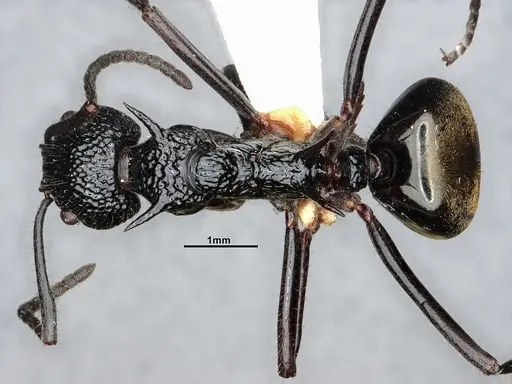
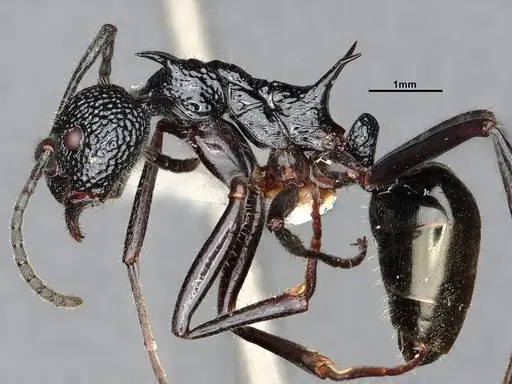
Literature
Loading...Loading products...