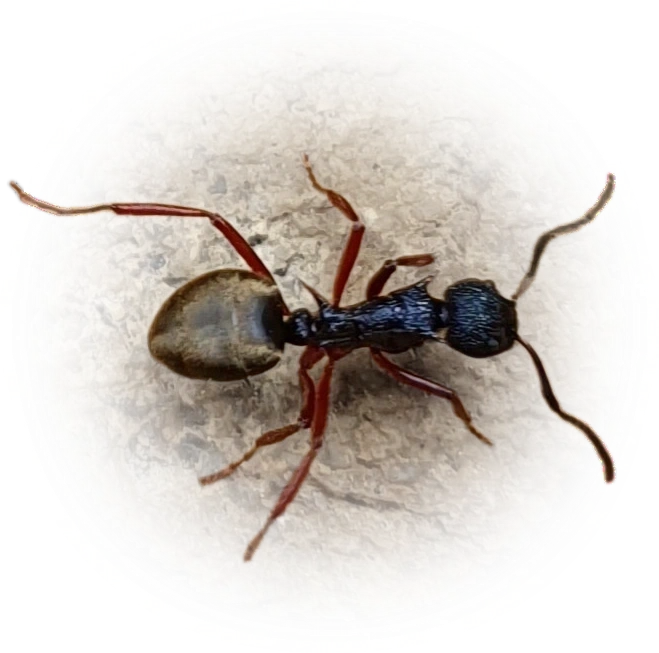

Dolichoderus doriae
- Scientific Name
- Dolichoderus doriae
- Tribe
- Dolichoderini
- Subfamily
- Dolichoderinae
- Author
- Emery, 1887
- Common Name
- Double-Spined Dolly Ant
- Distribution
- Found in 1 countries
Dolichoderus doriae Overview
Dolichoderus doriae (commonly known as the Double-Spined Dolly Ant) is an ant species of the genus Dolichoderus. It is primarily documented in 1 countries , including Australia. Detailed taxonomic data and occurrence records can be further explored via authoritative databases such as AntWeb or the Global Biodiversity Information Facility (GBIF).
Dolichoderus doriae - "Double-Spined Dolly Ant"
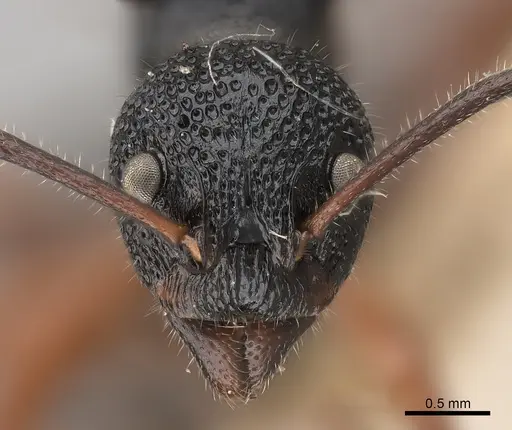
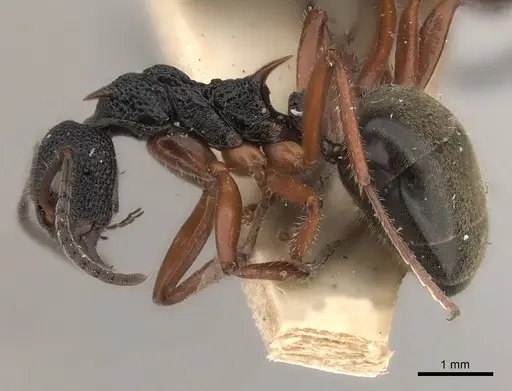
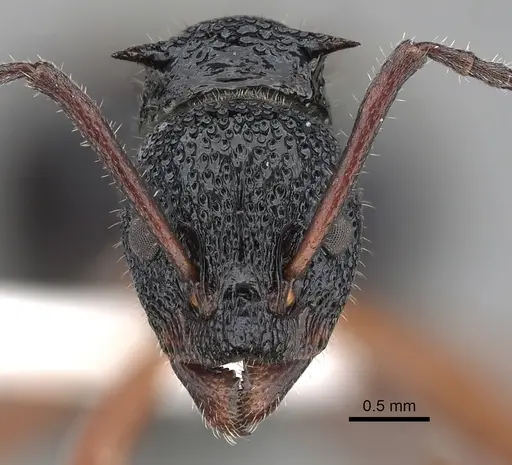
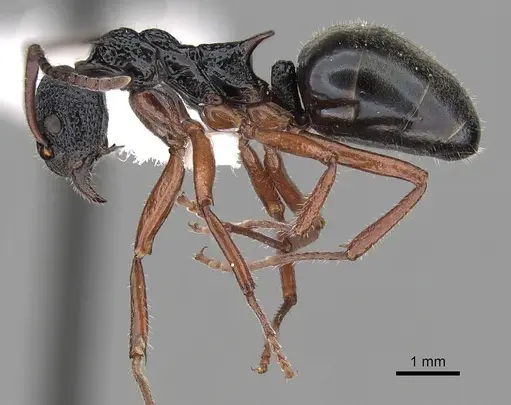
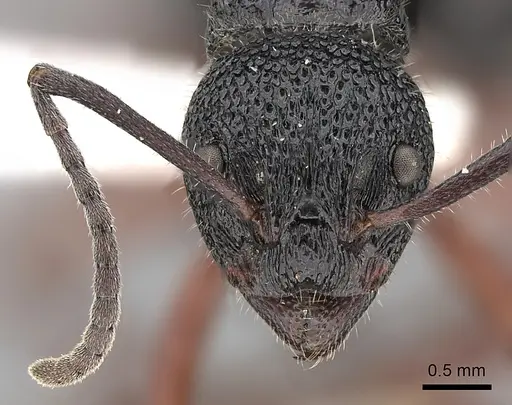
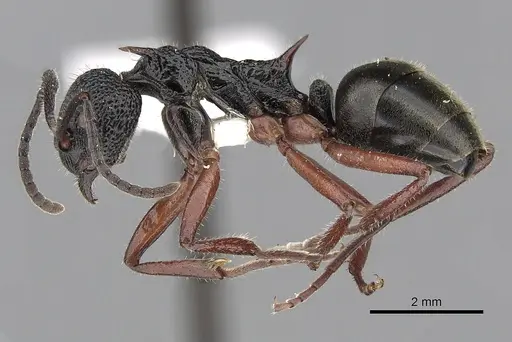
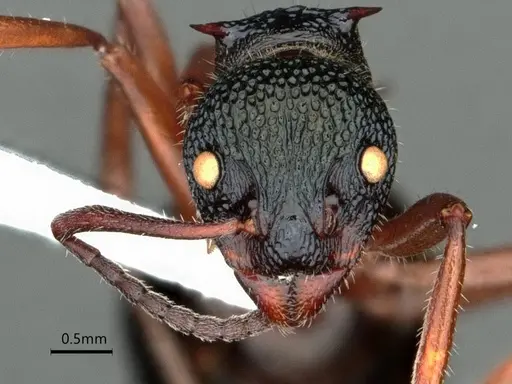
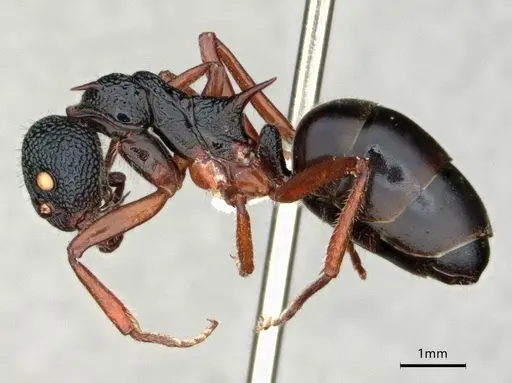
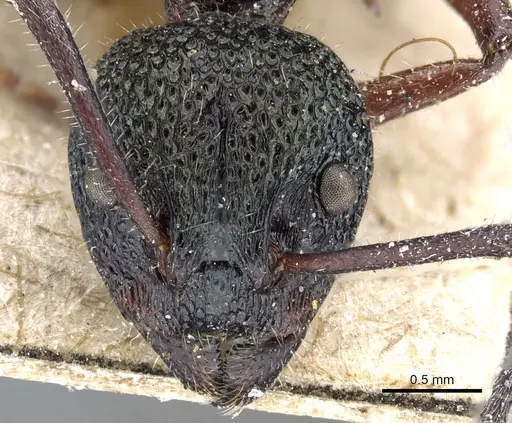
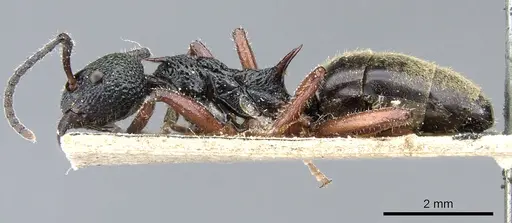
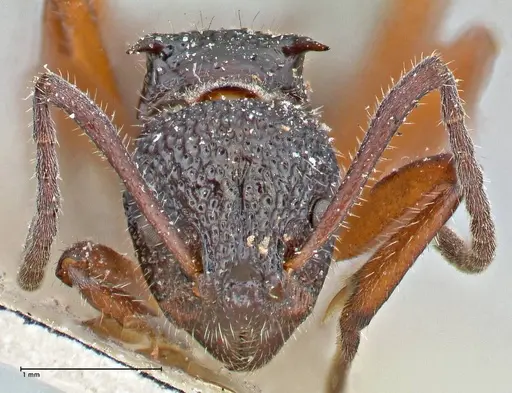
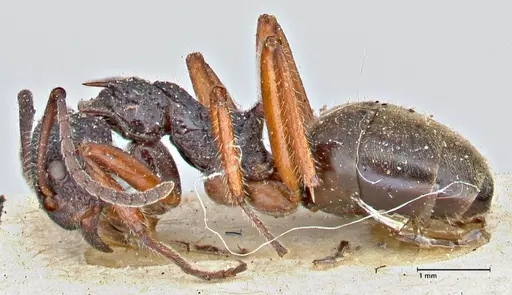
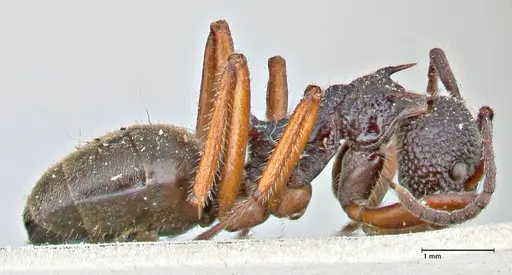
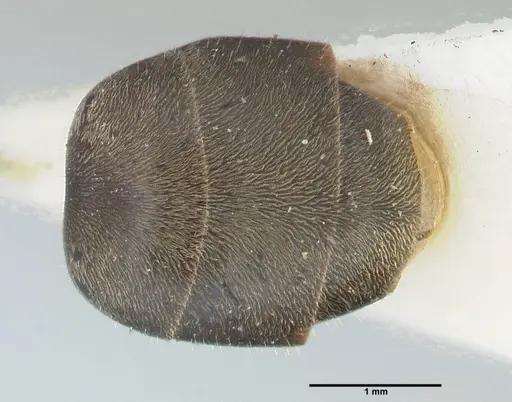
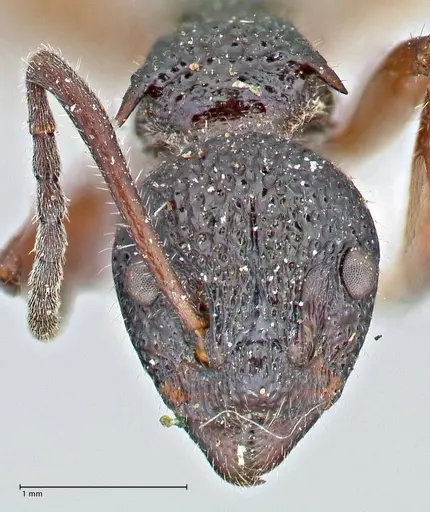
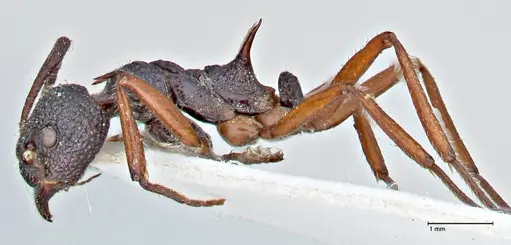
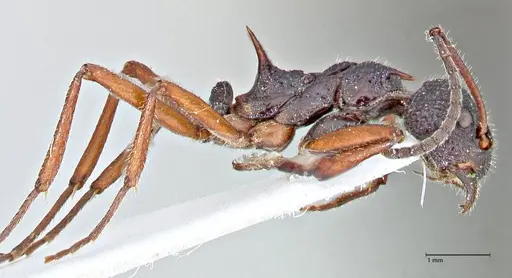
Dolichoderus doriae is a distinctive Australian ant species known for its striking appearance. Workers have a black body with bright yellow legs that strongly contrast, along with elongated spines on the pronotum and propodeum. The first abdominal segment (gaster) is covered in short erect hairs and golden pubescence. Workers measure 1.55-1.71mm in head width, making them a medium-sized ant [1]. This species belongs to the doriae group and is endemic to eastern Australia, found in forested areas from dry sclerophyll to wet sclerophyll habitats in New South Wales, ACT, and southern Victoria [1][2].
What makes D. doriae particularly interesting is its social structure, this species has evolved ergatoid queens, which are worker-like replacement queens that can take over if the primary queen dies [3]. During warm weather, workers and brood form distinctive balls on the ground surface near nest entrances to warm the larvae, a behavior unique to the doriae group [3]. They are diurnal foragers that scavenge and tend aphids for honeydew, often moving in trails along the ground and up tree trunks.
Quick Summary
- Difficulty: Medium
- Origin & Habitat: Eastern Australia, found in eastern NSW, ACT, and southern Victoria in forested areas ranging from dry sclerophyll to wet sclerophyll. Nests are in soil under rocks, along stone edges, or occasionally in rotten wood and debris at tree bases [1][2].
- Colony Type: Single-queen colonies with ergatoid (wingless) replacement queens documented. Ergatoid queens can replace the primary queen if she dies, ensuring colony survival [3][2].
- Colony: Monogyne
- Size & Growth:
- Queen: Ergatoid queens are worker-like in morphology (not fully dealate) [2]. Full queen measurements not specified in available literature.
- Worker: 1.55-1.71mm head width,1.63-1.81mm head length [1].
- Colony: Colony size data not directly specified. Based on related Dolichoderus species, likely reaches several hundred to a few thousand workers.
- Growth: Moderate, development timeline not specifically documented for this species.
- Development: Unknown, no specific development data available for D. doriae. Based on typical Dolichoderus patterns, expect 6-10 weeks at optimal temperature. (Development time is estimated from genus-level data since species-specific research is not available.)
- Antkeeping:
- Temperature: Keep at room temperature, roughly 20-26°C. This species is adapted to temperate Australian conditions and should tolerate typical indoor temperatures. Provide a gentle temperature gradient if possible.
- Humidity: Moderate humidity. Keep nest substrate moist but not waterlogged. They naturally nest in soil under rocks in areas that experience both dry and wet sclerophyll conditions, so they can handle some variation. Mist occasionally and provide a water source.
- Diapause: Likely yes, as a temperate Australian species, they probably experience reduced activity during cooler months. Consider providing a cool period (around 10-15°C) during winter, but this is inferred from habitat data rather than directly studied.
- Nesting: Soil nests under flat stones work well, this mimics their natural nesting preference. A naturalistic setup with a layer of soil and flat stones on top allows them to form their characteristic brood-warming balls. Alternatively, a Y-tong or plaster nest with chambers scaled to their medium size works. Avoid completely dry conditions.
- Behavior: D. doriae is a diurnal, generalist forager. Workers scavenge for food and tend aphids for honeydew, foraging in trails along the ground and up tree trunks [3]. They are not particularly aggressive but will defend the nest. Escape risk is moderate, they are medium-sized ants but active foragers, so standard barrier methods work well. They show the unique behavior of forming balls with workers and brood on the surface during warm weather to warm the larvae [3].
- Common Issues: colonies may fail if kept too dry, they need some moisture in the nest substrate, winter mortality can occur if proper cool period is not provided to match their temperate origin, wild-caught colonies may have parasites that affect survival in captivity, their spiny morphology can make them appear intimidating but they are not aggressive toward keepers, foraging trails mean they may explore outworld extensively, ensure proper barrier setup
Nest Preferences and Housing
In the wild, Dolichoderus doriae nests in soil beneath and along the edges of stones and branches on the ground, or occasionally in rotten wood and debris at the base of trees [2]. For captive care, a naturalistic setup works best, a container with a soil layer and flat stones placed on top mimics their natural conditions. This setup also allows you to observe their unique behavior of forming brood-warming balls during warm weather. Alternatively, a Y-tong (acrylic) nest with appropriately sized chambers works well. The chambers should be medium-sized to accommodate their 1.5-1.7mm workers. Keep the nest substrate consistently moist but not waterlogged, aim for damp soil that doesn't drip. Provide an outworld connected to the nest where foragers can search for food.
Feeding and Diet
Workers are general scavengers and diurnal foragers. They both scavenge for protein and tend aphids and other Hemiptera (sap-sucking insects) for honeydew [3]. In captivity, offer a varied diet: protein sources like small crickets, mealworms, or other small insects should be provided regularly. For carbohydrates, offer sugar water, honey, or diluted honey water, these ants will readily accept sweet liquids. Since they naturally tend aphids, they may also accept specialized ant foods containing honeydew. Feed protein 2-3 times per week and provide a constant sugar source. Remove uneaten prey after 24-48 hours to prevent mold.
Temperature and Seasonal Care
Dolichoderus doriae originates from temperate southeastern Australia, so they prefer moderate temperatures. Keep the nest area at roughly 20-26°C, room temperature is typically suitable. During warmer weather, they become more active and display their unique brood-warming behavior where workers and larvae form balls on the surface [3]. In captivity, you can simulate this by providing a warm spot (around 28°C) on one side of the outworld. For winter, as a temperate species, they likely benefit from a cool period. Reduce temperature to around 10-15°C during winter months, reducing feeding as well. This diapause-like period matches their natural seasonal cycle in NSW and Victoria.
Behavior and Colony Structure
This species has evolved ergatoid queens, worker-like, wingless females that can serve as replacement reproductives if the primary queen dies [2]. This means your colony has built-in succession planning! Workers are diurnal and forage in trails along the ground and up tree trunks [3]. They are generalists rather than specialized predators. During warm weather, you may observe their characteristic behavior of forming balls with workers and brood on the ground surface near nest entrances, this warms the larvae and speeds development [3]. They are not aggressive but will defend the nest if threatened. Their distinctive yellow legs against a black body make them easy to identify.
Escape Prevention and Handling
As medium-sized ants (workers 1.55-1.71mm), D. doriae presents moderate escape risk. They are active foragers that travel in trails, so they will explore any gaps in their enclosure. Use standard barrier methods: Fluon (polytetrafluoroethylene) applied to the inner rim of the outworld works well, or use a barrier of petroleum jelly on smooth surfaces. Ensure all connections between nest and outworld are secure. Unlike some tiny ants that squeeze through mesh, standard ant-keeping setups with tight-fitting lids are sufficient. They are not climbers like some Dolichoderus species, so smooth barrier materials are effective.
Frequently Asked Questions
How long does it take for Dolichoderus doriae to produce first workers?
The exact egg-to-worker timeline has not been documented for this species. Based on typical Dolichoderus genus patterns, expect approximately 6-10 weeks at optimal temperature (around 24°C). The first workers (nanitics) will likely be smaller than mature workers.
What do Dolichoderus doriae ants eat?
They are generalist scavengers that accept both protein and sugar. Feed small insects like crickets or mealworms for protein, and provide sugar water, honey, or diluted honey water for carbohydrates. They also naturally tend aphids for honeydew, so they readily accept sweet liquids.
Can I keep multiple Dolichoderus doriae queens together?
This species is monogyne (single-queen) with ergatoid replacement queens. The ergatoids are replacement reproductives that only become active if the primary queen dies. Combining unrelated foundress queens has not been documented and is not recommended.
What temperature do Dolichoderus doriae ants need?
Keep them at room temperature, roughly 20-26°C. This species is adapted to temperate Australian conditions and tolerates typical indoor temperatures well. A gentle temperature gradient is beneficial, provide a warm spot around 28°C on one side.
Do Dolichoderus doriae need hibernation or diapause?
As a temperate Australian species from NSW and Victoria, they likely benefit from a cool winter period. Reduce temperature to around 10-15°C during winter and reduce feeding. This matches their natural seasonal cycle, though specific diapause behavior has not been directly studied.
What size do Dolichoderus doriae colonies reach?
Colony size has not been specifically documented for this species. Based on related Dolichoderus species, colonies likely reach several hundred to a few thousand workers. They are moderate growers over several years.
Are Dolichoderus doriae good for beginners?
This species is rated as medium difficulty. They are more forgiving than tropical species but require attention to humidity and seasonal temperature changes. Their unique behaviors (brood-warming balls, ergatoid queens) make them interesting for intermediate keepers who want something beyond basic species.
What makes Dolichoderus doriae different from other ants?
Their most distinctive features are the bright yellow legs contrasting with a black body, the elongated spines on the pronotum and propodeum, and their unique social structure with ergatoid (wingless) replacement queens. During warm weather, they form balls with workers and larvae on the surface, a behavior specific to the doriae group.
When should I move my colony to a formicarium?
Move them when the colony reaches several hundred workers and the founding setup becomes crowded. A naturalistic setup with soil and stones works well from the start, or you can begin in a test tube setup and transition to a larger nest as the colony grows.
References

This caresheet is licensed under CC BY-SA 4.0 .
ANTWEB1008167
View on AntWeb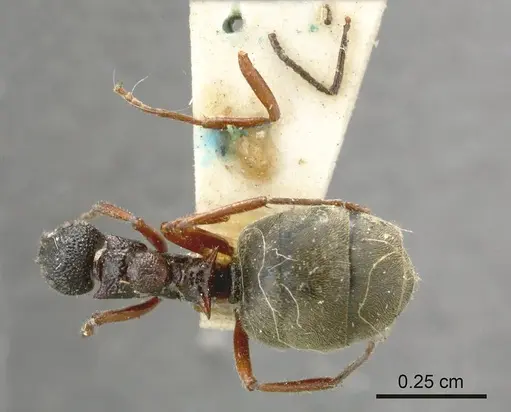
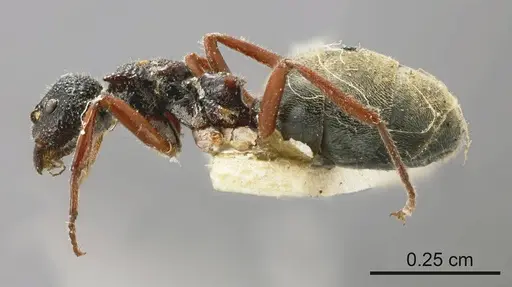
CASENT0217395
View on AntWeb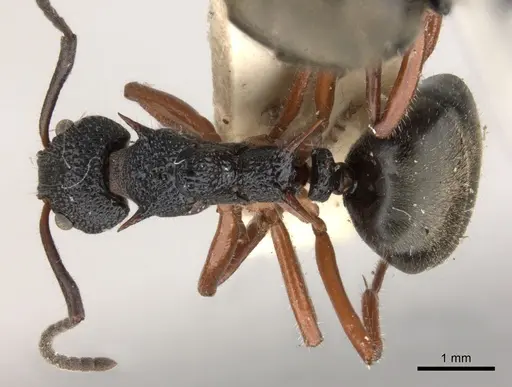
CASENT0249562
View on AntWeb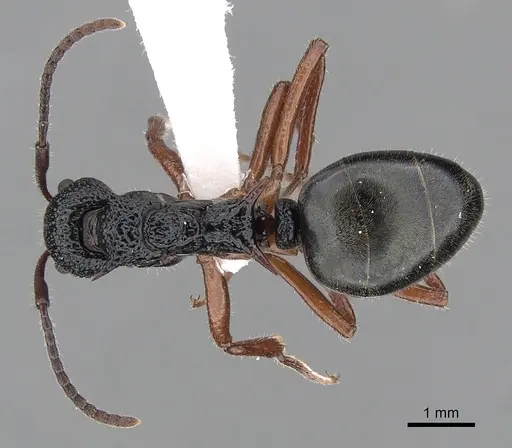
CASENT0249563
View on AntWeb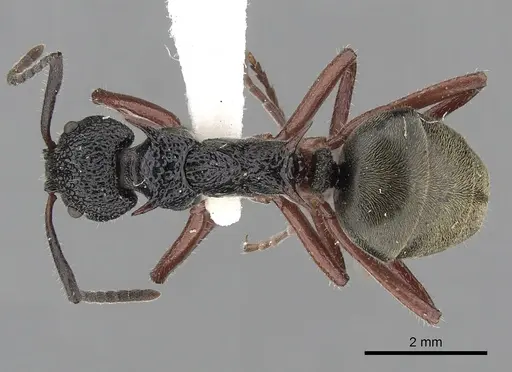
CASENT0866530
View on AntWeb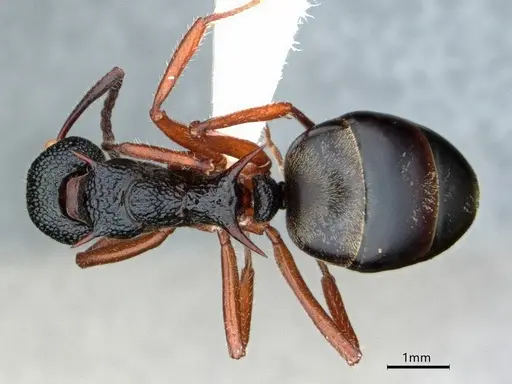
CASENT0905013
View on AntWeb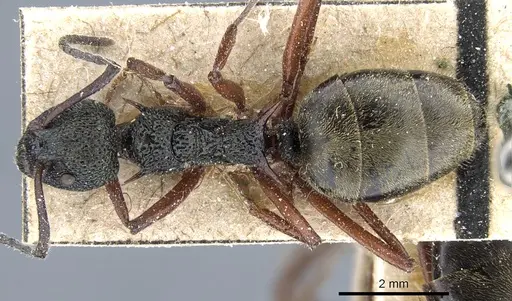
FOCOL2758
View on AntWeb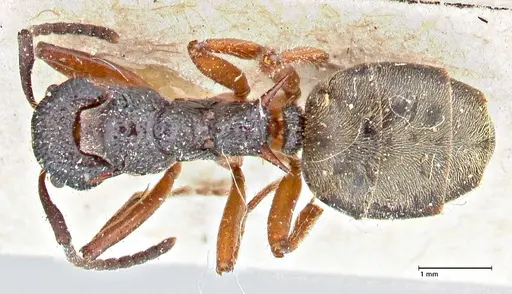
FOCOL2759
View on AntWeb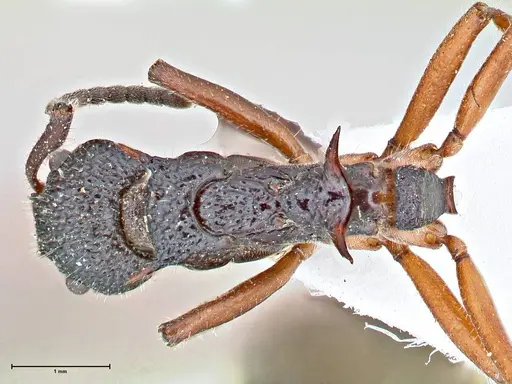
Literature
Loading...Loading products...