

Dolichoderus doloniger
- Scientific Name
- Dolichoderus doloniger
- Tribe
- Dolichoderini
- Subfamily
- Dolichoderinae
- Author
- Roger, 1862
- Distribution
- Found in 2 countries
Dolichoderus doloniger Overview
Dolichoderus doloniger is an ant species of the genus Dolichoderus. It is primarily documented in 2 countries , including Brazil, Colombia. Detailed taxonomic data and occurrence records can be further explored via authoritative databases such as AntWeb or the Global Biodiversity Information Facility (GBIF).
Dolichoderus doloniger
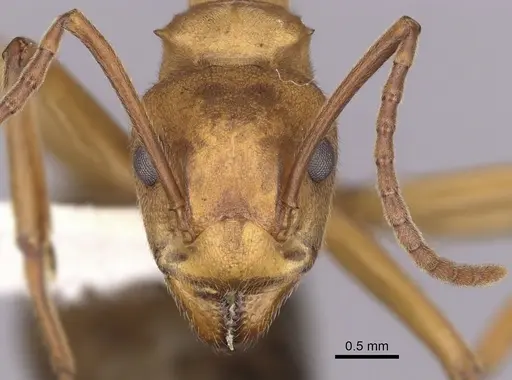
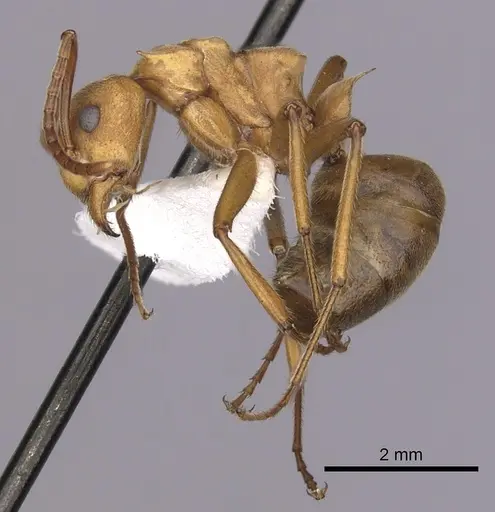
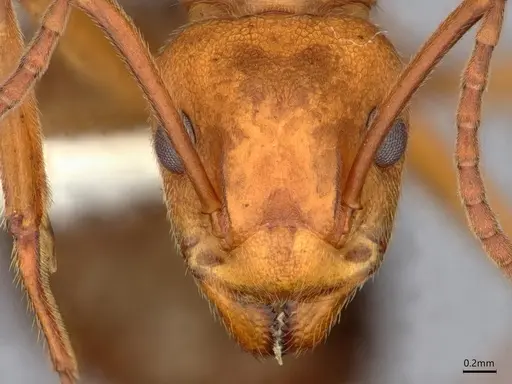
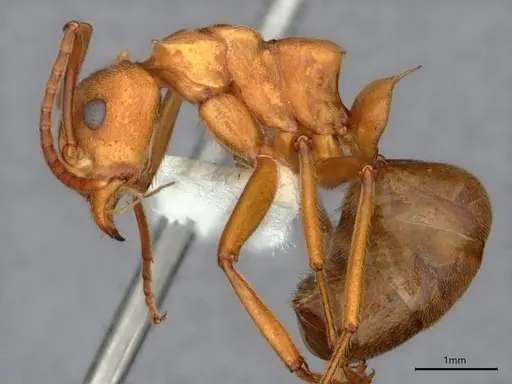
Dolichoderus doloniger is a Neotropical ant species found across Colombia, Venezuela, and Bolivia. Workers are small to medium-sized ants with a distinctive light coloration and smooth body surface, notably lacking the erect hairs found on many related species. They have a continuous petiole that ends in a spine and well-developed basidorsal tubercles on their hind coxae. These ants inhabit the tropical and subtropical forests of northern South America, where they typically nest in rotting wood or under bark in humid forest environments [1][2][3].
As a Dolichoderine ant, D. doloniger belongs to a genus known for their ability to displace native ant species and form massive supercolonies when introduced to new areas. However, this particular species remains relatively poorly studied in the wild, with most records coming from museum collections rather than behavioral observations. Their light coloration and smooth body surface make them visually distinctive among Neotropical Dolichoderus species [1].
Quick Summary
- Difficulty: Medium
- Origin & Habitat: Neotropical forests of Colombia, Venezuela, and Bolivia. Found in departments including Amazonas, Antioquia, Caldas, Guaviare, Huila, Magdalena, Putumayo, Risaralda, Valle del Cauca, Vaupés, and Vichada at various collection sites in the Colombian Orinoquia region [2][3][4].
- Colony Type: Colony structure is unconfirmed. Most Dolichoderus species are monogyne (single queen colonies), but this has not been directly studied for D. doloniger.
- Size & Growth:
- Queen: Estimated 7-9mm based on genus patterns, queen described in 1987 but measurements not specified in available literature
- Worker: Estimated 4-6mm based on genus patterns, worker described by Roger in 1862 but standard measurements not specified [1]
- Colony: Unknown, no colony size data available for this species
- Growth: Moderate, estimated based on typical Dolichoderus development patterns
- Development: Estimated 6-10 weeks at tropical temperatures (24-28°C) based on genus-level data for related Dolichoderus species (Development time is estimated from genus patterns since specific developmental data for D. doloniger is not available. Tropical species typically develop faster than temperate species.)
- Antkeeping:
- Temperature: Keep at 24-28°C. As a Neotropical species from Colombia and Venezuela, they require warm, stable temperatures similar to their natural tropical forest habitat. A heating cable on one side of the nest can create a gentle gradient if room temperature falls below this range.
- Humidity: Keep humidity high at 70-85%. These ants come from humid tropical forests and require consistently moist nest conditions. The substrate should feel damp but not waterlogged. Provide a water tube for drinking water.
- Diapause: Unknown, tropical species may not require formal hibernation, but may benefit from slight temperature reduction during seasonal transitions. No specific diapause studies exist for this species.
- Nesting: In captivity, they do well in Y-tong (AAC) nests, plaster nests, or naturalistic setups with rotting wood pieces. They prefer tight, humid chambers. Avoid dry conditions. Test tube setups work for founding colonies but may need transitioning to more spacious accommodations as the colony grows.
- Behavior: Dolichoderus ants are generally less aggressive than some genera but can be territorial. Workers are active foragers that search for honeydew and small prey. They may tend aphids for honeydew. Escape prevention should be moderate, while not among the smallest ants, they can still squeeze through small gaps. Monitor for queen health and colony activity levels. They are not known for painful stings but may use chemical defense like other Dolichoderines.
- Common Issues: humidity control is critical, these tropical ants easily die in dry conditions, colonies may stagnate if temperatures drop below their tropical requirements, wild-caught colonies may have parasites or diseases that cause captive failures, limited availability means established colonies are rare in the hobby, specific dietary requirements are poorly documented, may be picky eaters
Housing and Nest Setup
Dolichoderus doloniger does well in several captive setups. Y-tong (AAC) nests work excellently because they maintain humidity well while allowing you to observe the colony. Plaster nests are another good option, the ants can burrow and the material holds moisture. For a naturalistic approach, provide rotting wood pieces in a terrarium-style setup. The key requirement is humidity retention, these ants come from damp tropical forests and will not tolerate dry conditions. Test tubes can work for founding colonies but monitor moisture levels carefully. Ensure the nest has some darker areas where the queen can rest and chambers tight enough that workers feel secure. [1][3]
Feeding and Diet
Based on genus patterns, Dolichoderus doloniger likely feeds on honeydew from aphids and scale insects, plus small insects and arthropods. In captivity, offer sugar water or honey as an energy source, and protein sources like small crickets, mealworms, or fruit flies. Since specific dietary acceptance is not documented, offer a variety and observe what they prefer. Fresh water should always be available. Feed small amounts initially and remove uneaten food to prevent mold. Protein is especially important for brood development, offer prey items 2-3 times per week and sugar sources continuously.
Temperature and Humidity Management
As a Neotropical species from Colombia and Venezuela, D. doloniger requires warm and humid conditions. Maintain temperatures between 24-28°C year-round. A slight drop to 22-24°C is generally tolerated but avoid prolonged cool periods. Use a heating cable on one side of the nest to create a temperature gradient if your room is cooler. Humidity should stay at 70-85%, check substrate moisture regularly and rehydrate before it dries completely. A water tube attached to the nest helps maintain humidity while providing drinking water. Avoid placing the nest near air conditioning vents or in drafty areas. [2][3]
Colony Development and Growth
Colony growth for D. doloniger is expected to be moderate based on typical Dolichoderus patterns. The first workers (nanitics) should emerge 6-10 weeks after the queen lays eggs, assuming optimal temperatures around 26°C. After that, colony growth depends on proper feeding and environmental conditions. Unlike some fast-growing tropical species, Dolichoderus colonies tend to build gradually. Expect the first year to focus on establishing a healthy worker force. Once established, colonies can grow to several hundred workers over several years. Monitor brood development, if eggs and larvae are present and developing, your conditions are suitable.
Behavior and Temperament
Dolichoderus species are generally less aggressive than ants like Camponotus or some Myrmica, but they are still territorial and will defend their nest. Workers are active foragers that search systematically for food. They may form trails to food sources, similar to other Dolichoderines. Unlike some ants that have painful stings, Dolichoderus relies more on chemical defenses and may secrete defensive compounds when threatened. They are not typically escape artists in the same way as tiny ants like Pheidole, but standard escape prevention (fluon barriers, tight-fitting lids) is still recommended. Observe your colony's activity patterns, healthy colonies should have consistent foraging activity.
Frequently Asked Questions
How long does it take for Dolichoderus doloniger to produce first workers?
Based on genus patterns, expect first workers (nanitics) approximately 6-10 weeks after egg-laying at optimal temperatures of 24-28°C. This timeline is estimated since specific development data for D. doloniger is not available. Cooler temperatures will slow development significantly.
What do Dolichoderus doloniger ants eat?
Based on typical Dolichoderus diet, they likely accept sugar sources (honey water, sugar water) and protein (small insects like fruit flies, pinhead crickets, mealworms). Offer variety and remove uneaten food promptly. Fresh water should always be available.
What temperature do Dolichoderus doloniger ants need?
Keep them warm at 24-28°C. This Neotropical species requires tropical temperatures year-round. A slight reduction to 22-24°C may be tolerated but avoid cooler conditions.
Are Dolichoderus doloniger ants good for beginners?
This species is rated as medium difficulty. While not the hardest ant to keep, they have specific humidity and temperature requirements that must be maintained consistently. They are also rarely available in the antkeeping hobby, making them a more advanced species to acquire.
How big do Dolichoderus doloniger colonies get?
Colony size is not documented in scientific literature. Based on genus patterns, established colonies likely reach several hundred workers over several years. They are not among the largest ant genera.
Do Dolichoderus doloniger ants need hibernation?
Diapause requirements are unknown for this species. As a tropical species from Colombia and Venezuela, they likely do not require formal hibernation. However, slight seasonal temperature variations may be beneficial. Avoid dramatic temperature drops.
Can I keep multiple Dolichoderus doloniger queens together?
Colony structure (monogyne vs polygyne) has not been documented for this species. Most Dolichoderus are monogyne (single queen), but without specific data for D. doloniger, combining unrelated queens is not recommended.
What humidity level do Dolichoderus doloniger ants need?
Keep humidity high at 70-85%. These ants come from humid tropical forests and require consistently moist conditions. The substrate should feel damp but not waterlogged. Monitor regularly and rehydrate as needed.
Where is Dolichoderus doloniger found in the wild?
This species is native to the Neotropical region, specifically Colombia, Venezuela, and Bolivia. In Colombia, they are found in departments including Amazonas, Antioquia, Caldas, Guaviare, Huila, Magdalena, Putumayo, Risaralda, Valle del Cauca, Vaupés, and Vichada.
References

This caresheet is licensed under CC BY-SA 4.0 .
CASENT0249648
View on AntWeb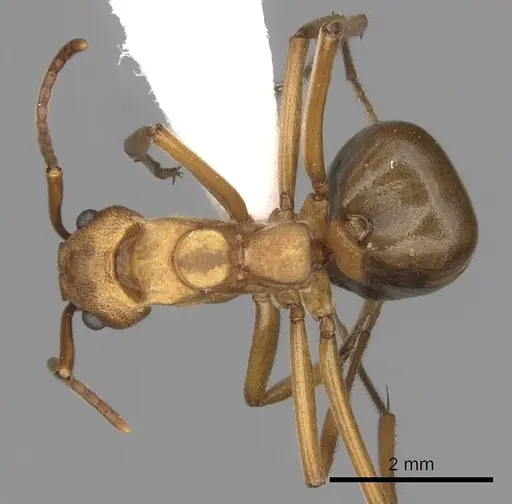
CASENT0886002
View on AntWeb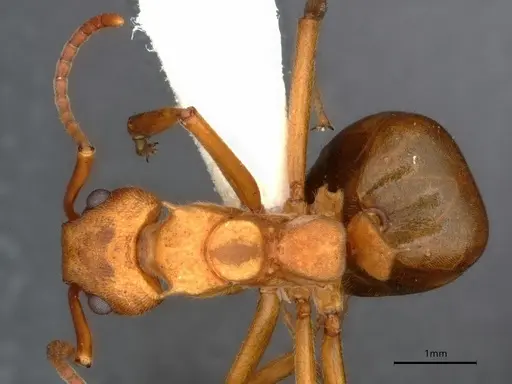
Literature
Loading...Loading products...