

Dolichoderus dentatus
- Scientific Name
- Dolichoderus dentatus
- Tribe
- Dolichoderini
- Subfamily
- Dolichoderinae
- Author
- Forel, 1902
- Distribution
- Found in 1 countries
Dolichoderus dentatus Overview
Dolichoderus dentatus is an ant species of the genus Dolichoderus. It is primarily documented in 1 countries , including Australia. Detailed taxonomic data and occurrence records can be further explored via authoritative databases such as AntWeb or the Global Biodiversity Information Facility (GBIF).
Dolichoderus dentatus
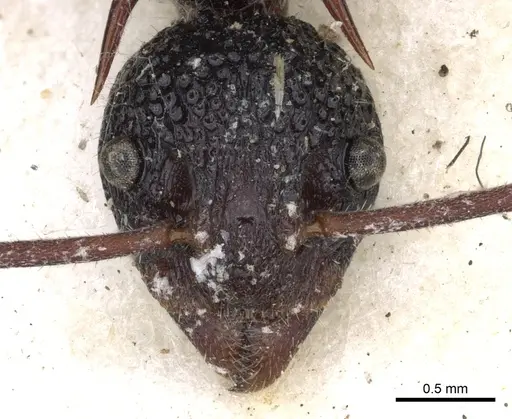
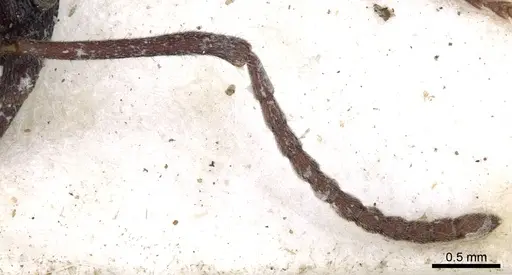
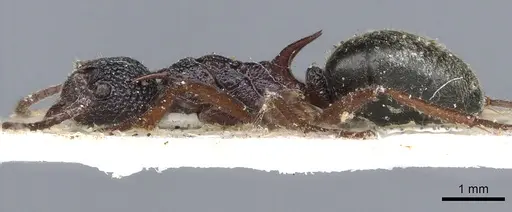
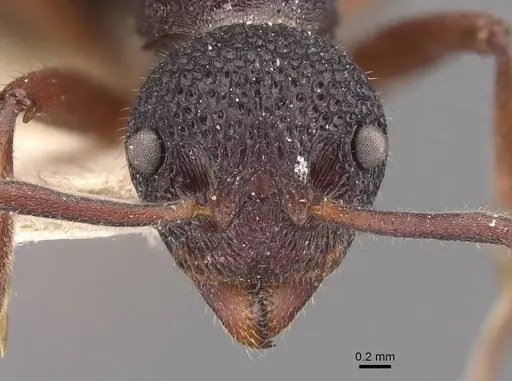
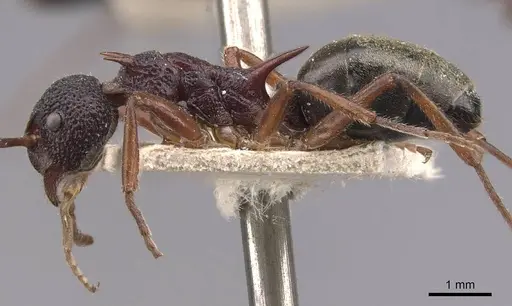
Dolichoderus dentatus is a medium-sized Australian ant easily recognized by its distinctive long spines projecting forward from the pronotum (the first segment of the thorax). Workers measure 1.6-1.7mm in head width, with a black head and gaster, brown thorax, and reddish epinotum and spines. The legs and antennae are yellowish-red. This species is endemic to eastern Queensland, Australia, where it inhabits dry sclerophyll woodlands and savannah from the Atherton Tablelands south to Cooloola Recreation Area [1]. Unlike many ants, Dolichoderus species lack a functional stinger and rely on chemical defense instead.
What makes D. dentatus interesting is its foraging behavior, these ants are diurnal and form visible columns as they travel between the nest and food sources, both on the ground and climbing through low vegetation and trees. They are generalist scavengers that also tend aphids and other Hemiptera for honeydew, making them important players in their ecosystem [2]. Their long pronotal spines, directed forward and parallel to the body's length, set them apart from all other Australian Dolichoderus species [1].
Quick Summary
- Difficulty: Medium
- Origin & Habitat: Eastern Queensland, Australia, dry sclerophyll woodlands and savannah from Atherton Tablelands south to Cooloola Recreation Area, Great Sandy National Park [1][2]
- Colony Type: Colony structure is unconfirmed. Based on typical Dolichoderus patterns, likely single-queen colonies.
- Size & Growth:
- Queen: Unconfirmed, estimated 6-8mm based on genus patterns
- Worker: 1.60-1.70mm head width [1]
- Colony: Estimated moderate-sized colonies (several hundred workers) based on genus patterns
- Growth: Moderate
- Development: Estimated 6-10 weeks based on typical Dolichoderus development patterns (Development time is estimated, no specific studies found for this species. Temperature will significantly affect development speed.)
- Antkeeping:
- Temperature: Keep at 22-26°C. Based on their Queensland habitat (dry sclerophyll, warm climate), they prefer warm conditions. A gentle gradient allows workers to regulate their temperature.
- Humidity: Moderate humidity around 50-70%. Their natural habitat is dry sclerophyll woodland, so avoid overly damp conditions. Provide a water source but keep the nest relatively dry.
- Diapause: Likely a mild winter rest period (reduced activity) during Australian winter months (June-August). Reduce feeding and lower temperatures slightly to around 15-18°C for 2-3 months.
- Nesting: In nature, they nest in soil under rocks or in rotten wood [2]. In captivity, a Y-tong (acrylic) nest or plaster nest with some moisture works well. Provide a dry nest chamber with access to a humid foraging area.
- Behavior: These ants are diurnal and form distinct foraging columns, both on the ground and climbing vegetation. They are generalist scavengers and will accept a variety of foods including proteins, sugars, and honeydew. They tend hemipterans (aphids, scale insects) for honeydew. They are not aggressive but will use chemical defense (formic acid or glandular secretions) when threatened. Escape risk is moderate, they are medium-sized ants but good climbers. Use standard barrier methods like Fluon on test tube rims.
- Common Issues: colonies may decline if kept too cold, maintain warm temperatures year-round, overly humid nesting conditions can cause health problems, keep nest dry, wild-caught colonies may have parasites, quarantine and observe new colonies, slow founding means patience is required, queens may take months to raise first workers, foraging columns can escape if barriers are inadequate, check for gaps in setup
Housing and Nest Setup
Dolichoderus dentatus naturally nests in soil under rocks or in rotten wood [2]. For captive care, a Y-tong (acrylic) nest or plaster nest works well. The key is providing a dry nest chamber with a separate humid foraging area. These ants do best with a test tube setup for the founding colony, then transitioning to a formicarium once the colony reaches 30-50 workers. The nest should have chambers scaled appropriately for medium-sized ants, not too tight, but with passages narrow enough that workers feel secure. Because they forage in columns, include plenty of foraging space. A water test tube should always be available, and sugar water or honey can be offered in the outworld.
Feeding and Diet
In the wild, D. dentatus is a generalist scavenger that also tends aphids and other Hemiptera for honeydew [2]. In captivity, offer a varied diet: protein sources like small crickets, mealworms, or other small insects 2-3 times per week. Sugar sources are important, they will readily accept sugar water, honey, or diluted honey. Since they naturally tend hemipterans, they may show strong interest in sweet liquids. Always provide a fresh water source. Remove uneaten prey after 24-48 hours to prevent mold. A varied diet supports healthy colony growth and reproduction.
Temperature and Seasonal Care
These ants come from eastern Queensland, a warm region with mild winters. Keep the nest at 22-26°C for optimal brood development. A heating cable on one side of the nest can create a gentle gradient, allowing workers to choose their preferred temperature. During the Australian winter (June-August), consider reducing temperatures to around 15-18°C and reducing feeding frequency. This winter rest period supports colony health but is less severe than temperate species diapause. Monitor colony activity, if workers become sluggish, temperatures may be too low. Avoid sudden temperature changes. [1]
Behavior and Foraging
D. dentatus is distinctly diurnal, with workers actively foraging during daylight hours. They form characteristic columns when traveling between nest and food sources, moving both along the ground and through low vegetation [2]. This foraging behavior means they are quite active and visible in captivity. They are not particularly aggressive but will release chemical secretions (formic acid and other glandular compounds) when threatened or colony is disturbed. The venom and venom apparatus have been studied, though they lack a functional stinger for injection [3]. Workers are good climbers, so ensure your setup has proper escape barriers.
Colony Development
Colony founding in D. dentatus follows typical Dolichoderus patterns, though specific studies are lacking. The queen likely seals herself in a claustral chamber and raises the first brood alone, living off stored fat reserves until nanitic (first) workers emerge. Expect the founding phase to take several months, queens may take 6-10 weeks just to produce cocoons, then additional weeks for eclosion. Nanitic workers are smaller than mature workers. Growth is moderate, a healthy colony may reach several hundred workers over 2-3 years. Colony longevity in the wild is unknown but Dolichoderus colonies can persist for many years.
Frequently Asked Questions
How long does it take for Dolichoderus dentatus to raise first workers?
Expect 6-10 weeks from egg to worker at optimal temperature (22-26°C), though this is estimated based on genus patterns. The founding queen may take several months to produce her first workers, so patience is essential.
What do Dolichoderus dentatus eat?
They are generalist scavengers. Offer protein (small insects like crickets or mealworms) 2-3 times weekly, plus constant access to sugar sources (sugar water, honey). They also naturally tend aphids for honeydew, so sweet liquids are readily accepted.
Can I keep multiple Dolichoderus dentatus queens together?
Colony structure is unconfirmed for this species. It is not recommended to combine unrelated foundress queens, as fighting and colony failure is likely. If you obtain a wild colony, it likely has a single reproductive queen.
Do Dolichoderus dentatus need hibernation?
They do not require true hibernation but benefit from a cooler winter rest period (2-3 months at 15-18°C) during Australian winter months. Reduce feeding during this time but maintain a water source.
Are Dolichoderus dentatus good for beginners?
This species is rated as medium difficulty. They are more challenging than common pet ants like Lasius or Tetramorium because they require warmer temperatures, specific nesting conditions, and longer founding periods. However, they are rewarding to watch due to their active foraging behavior.
How big do Dolichoderus dentatus colonies get?
Colony size is estimated at several hundred workers based on typical Dolichoderus patterns. They are not among the largest ant species but can form substantial colonies over 2-3 years.
Why are my Dolichoderus dentatus dying?
Common causes include: temperatures too low (keep above 22°C), overly humid nest conditions (they prefer dry nests), mold from uneaten food, or parasites from wild-caught colonies. Ensure proper ventilation, remove uneaten prey promptly, and maintain appropriate temperature and humidity levels.
When should I move Dolichoderus dentatus to a formicarium?
Move from test tube to formicarium when the colony reaches 30-50 workers or when the test tube water supply needs frequent refilling. Ensure the formicarium has appropriate chamber sizes and a humid foraging area separate from the dry nest.
Do Dolichoderus dentatus escape easily?
They have moderate escape risk. Workers are good climbers but not among the smallest ants. Use standard barriers like Fluon on test tube rims and ensure any connections between nest and outworld are secure. Check setups regularly for gaps.
References

This caresheet is licensed under CC BY-SA 4.0 .
CASENT0902977
View on AntWeb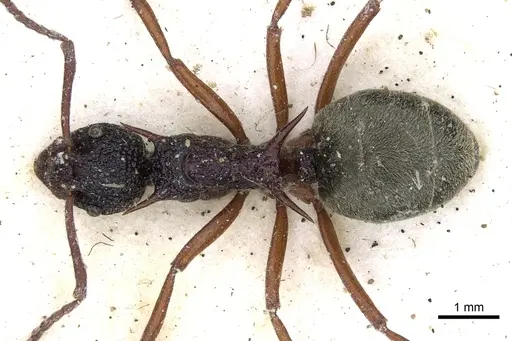
CASENT0909473
View on AntWeb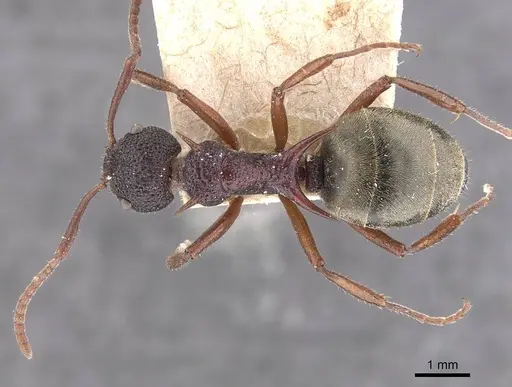
Literature
Loading...Loading products...