

Dolichoderus clarki
- Scientific Name
- Dolichoderus clarki
- Tribe
- Dolichoderini
- Subfamily
- Dolichoderinae
- Author
- Wheeler, 1935
- Distribution
- Found in 1 countries
Dolichoderus clarki Overview
Dolichoderus clarki is an ant species of the genus Dolichoderus. It is primarily documented in 1 countries , including Australia. Detailed taxonomic data and occurrence records can be further explored via authoritative databases such as AntWeb or the Global Biodiversity Information Facility (GBIF).
Dolichoderus clarki
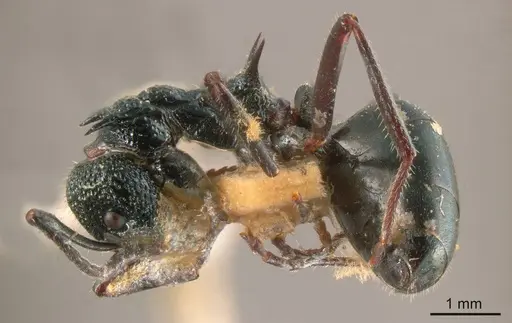
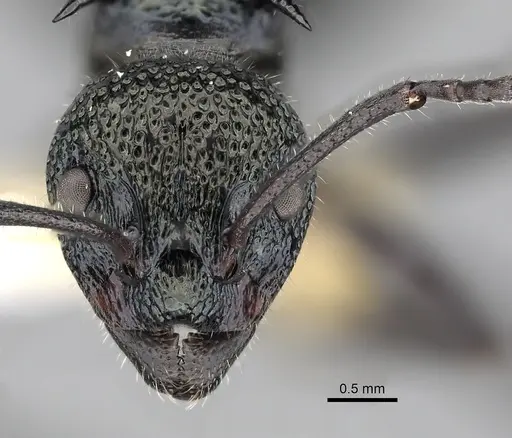
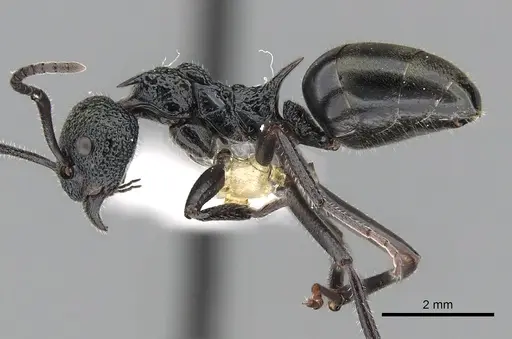
Dolichoderus clarki is a medium-sized Australian ant measuring 1.65-1.76mm in head length. Workers are black with dark brown to black legs, and can be distinguished from the similar D. doriae by their dark legs (D. doriae has yellow legs). They have distinctive elongate spines on the pronotum and propodeum, with short erect hairs on the first gastral tergite and golden pubescence on the gaster. This species is found exclusively in wet sclerophyll woodlands of central coastal New South Wales and the ACT, making it an Australian endemic with a restricted range [1]. They are diurnal foragers that travel in columns and tend aphids and other Hemiptera for honeydew [2].
Quick Summary
- Difficulty: Medium
- Origin & Habitat: Wet sclerophyll woodlands of central coastal New South Wales and the ACT [1][2].
- Colony Type: Colony structure is unconfirmed. Based on typical Dolichoderus patterns, likely single-queen colonies.
- Size & Growth:
- Queen: Unconfirmed, likely around 8-10mm based on genus patterns
- Worker: Workers measure HL 1.65-1.76mm, HW 1.59-1.69mm [1]
- Colony: Unknown, likely moderate colony size based on genus patterns
- Growth: Moderate, estimated based on typical Dolichoderus development
- Development: Estimated 6-10 weeks based on related Dolichoderus species (Development timeline is not directly studied for this species. Estimates based on genus-level data.)
- Antkeeping:
- Temperature: Keep at room temperature around 20-24°C. Based on their wet sclerophyll habitat in temperate NSW/ACT, they prefer cooler conditions than tropical species. Avoid overheating.
- Humidity: Maintain moderate to high humidity. Their natural habitat in wet sclerophyll woodlands is relatively damp. Keep nest substrate consistently moist but not waterlogged.
- Diapause: Likely yes, based on temperate origin in NSW/ACT, they likely require a winter rest period. Provide 2-3 months at 10-15°C during winter.
- Nesting: In nature they nest in soil under rocks or in rotten wood [2]. A naturalistic setup with moist soil and flat stones or a Y-tong/plaster nest with narrow chambers works well. They prefer tight, enclosed spaces.
- Behavior: Workers are diurnal and forage in columns on the ground and low vegetation [2]. They are general scavengers and tend aphids and other Hemiptera for honeydew. They are not aggressive and do not have a painful sting. Escape risk is moderate, use standard barrier methods.
- Common Issues: restricted range means wild colonies may be difficult to find and collect legally, humidity requirements may be tricky to balance, too wet causes mold, too dry causes desiccation, winter diapause is likely required for long-term colony health but timing may vary, slow colony growth may frustrate beginners expecting rapid development
Nest Preferences
In the wild, Dolichoderus clarki nests in soil generally under rocks or in rotten wood [2]. For captive care, a naturalistic setup works best, use a container with moist soil substrate and provide flat stones or pieces of wood for them to nest under. Alternatively, a Y-tong (acrylic) or plaster nest with narrow chambers scaled to their medium size works well. They prefer tight, enclosed spaces and will seal off chambers if given the opportunity. Keep the nest area humid but ensure adequate ventilation to prevent mold. A water tube connected to the nest helps maintain moisture levels.
Feeding and Diet
These ants are general scavengers and will accept a variety of foods. They particularly tend aphids and other Hemiptera for honeydew in the wild [2], so sugar sources are important. Offer sugar water, honey, or diluted honeydew weekly. For protein, provide small insects like fruit flies, small mealworms, or cricket pieces. They are diurnal foragers, so offer food during daylight hours when workers are most active. Remove uneaten food after 24-48 hours to prevent mold. A varied diet helps maintain colony health.
Temperature and Seasonal Care
Dolichoderus clarki comes from the wet sclerophyll woodlands of central coastal NSW and the ACT, a temperate region. Keep them at room temperature around 20-24°C, they prefer cooler conditions than many tropical ant species. Avoid temperatures above 28°C as this can stress the colony. During winter (Australian autumn/winter, roughly May-August in the Northern Hemisphere), they likely require a diapause period. Provide 2-3 months at 10-15°C with minimal feeding. This mimics their natural seasonal cycle and helps maintain colony health long-term. Reduce feeding during diapause and avoid disturbing the colony. [1][2]
Behavior and Foraging
Workers are diurnal and forage in columns on the ground and on low vegetation and trees [2]. They are general scavengers and will travel along established trails to food sources. This species is not particularly aggressive and poses no significant threat to keepers. They do not have a painful sting. When keeping them, ensure your outworld has secure barriers as they are moderate-sized ants that can climb smooth surfaces. They are active foragers and benefit from space to explore in the outworld.
Colony Founding
Direct observations of colony founding for this specific species are not documented in available research. Based on typical Dolichoderus genus patterns, the queen likely seals herself in a chamber (claustral founding) and lives off stored fat reserves until her first workers emerge. Provide a founding queen with a moist test tube setup and minimal disturbance. Do not offer food during the founding stage, the claustral queen does not forage. Expect 4-8 weeks before the first nanitic workers appear, then gradually introduce food as the colony grows.
Frequently Asked Questions
How long does it take for Dolichoderus clarki to produce first workers?
The exact timeline is unconfirmed for this species, but based on typical Dolichoderus development patterns, expect 6-10 weeks from egg to first worker at optimal temperature (around 20-24°C). Founding queens may take longer as they rely on stored fat reserves.
What do Dolichoderus clarki ants eat?
They are general scavengers that accept both sugar and protein. Offer sugar water, honey, or honeydew weekly. For protein, provide small insects like fruit flies, small mealworms, or cricket pieces. They also tend aphids in the wild so honeydew is a natural food source.
What temperature is best for Dolichoderus clarki?
Keep them at room temperature around 20-24°C. They come from temperate NSW/ACT and prefer cooler conditions than tropical species. Avoid temperatures above 28°C.
Do Dolichoderus clarki ants need hibernation?
Based on their origin in temperate NSW/ACT, they likely require a winter rest period. Provide 2-3 months at 10-15°C during winter with minimal feeding. This mimics their natural seasonal cycle.
What size colony does Dolichoderus clarki reach?
Colony size is not directly documented for this species. Based on typical Dolichoderus patterns, expect moderate colony sizes of several hundred workers over time. They have a restricted range in the wild.
Can I keep multiple queens together?
Colony structure is unconfirmed for this species. Dolichoderus species typically have single-queen colonies, but combining unrelated queens has not been documented. It is not recommended to house multiple foundress queens together unless you observe them founding cooperatively.
Are Dolichoderus clarki ants good for beginners?
They are rated as medium difficulty. They have specific humidity and temperature requirements from their wet sclerophyll habitat, and likely require winter diapause. They are not as straightforward as common temperate species like Lasius, but are manageable for intermediate antkeepers.
Where is Dolichoderus clarki found in the wild?
They are endemic to Australia, specifically found in wet sclerophyll woodlands of central coastal New South Wales and the ACT [1]. This restricted range makes wild collection challenging.
References

This caresheet is licensed under CC BY-SA 4.0 .
ANTWEB1008174
View on AntWeb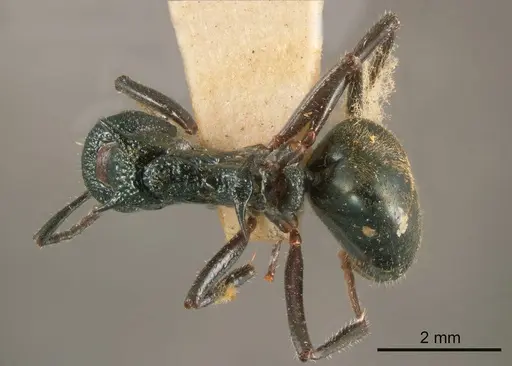
CASENT0249558
View on AntWeb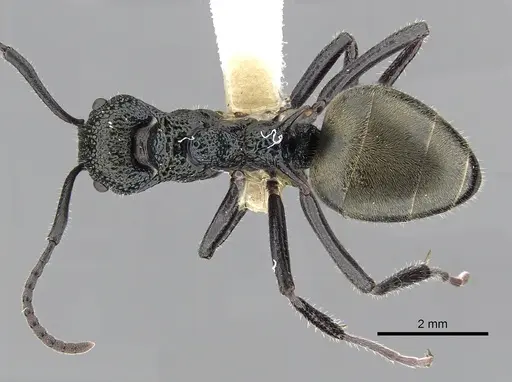
Literature
Loading...Loading products...