

Dolichoderus butteli
- Scientific Name
- Dolichoderus butteli
- Tribe
- Dolichoderini
- Subfamily
- Dolichoderinae
- Author
- Forel, 1913
- Distribution
- Found in 1 countries
Dolichoderus butteli Overview
Dolichoderus butteli is an ant species of the genus Dolichoderus. It is primarily documented in 1 countries , including Viet Nam. Detailed taxonomic data and occurrence records can be further explored via authoritative databases such as AntWeb or the Global Biodiversity Information Facility (GBIF).
Dolichoderus butteli
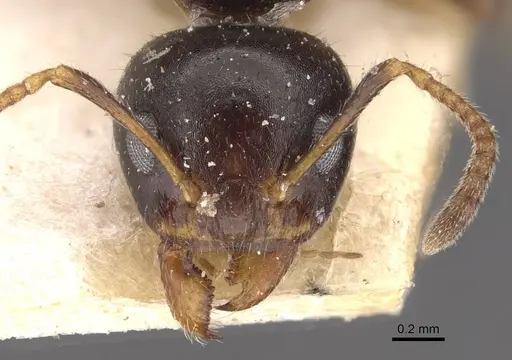
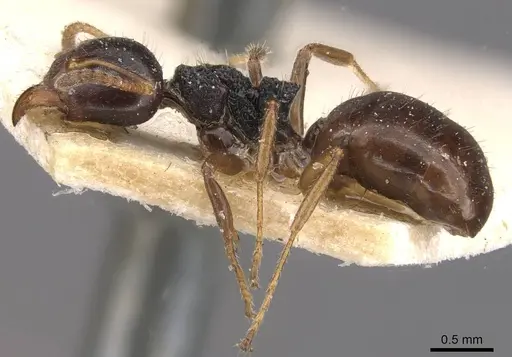
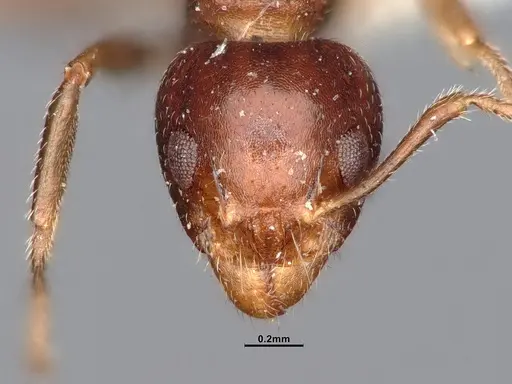
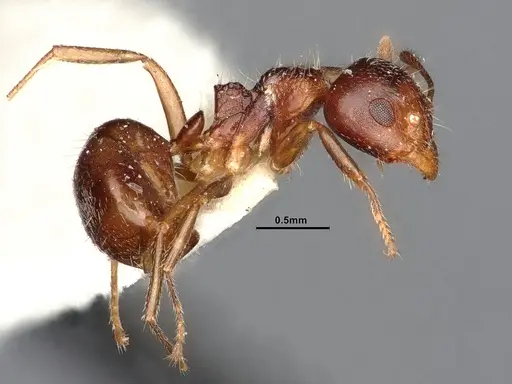
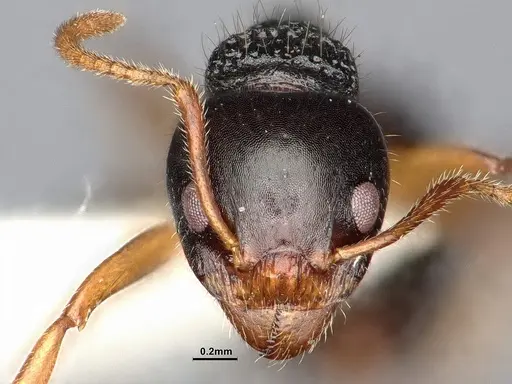
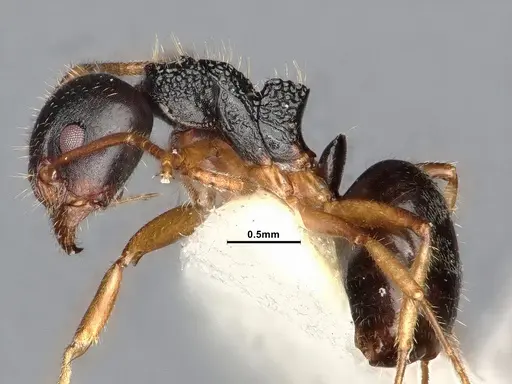
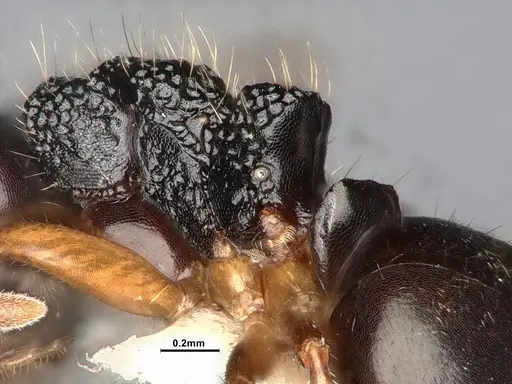
Dolichoderus butteli is a small tropical ant species native to Southeast Asia, found in Peninsular Malaysia and Sumatra. Workers are tiny, measuring under 0.80mm in head width, with a distinctive appearance featuring a finely reticulate-punctate and shining head, coarsely areolate-rugose alitrunk, and a uniquely shaped almost saddle-like propodeum. The pronotum is broad with laterally edged dorsal face, making this species well-defined and distinguishable from related species. These ants are arboreal, building their nests in trees and shrubs using carton material (a papery substance made from chewed plant fibers) on twigs and vines, where they tend to scale insects (mealybugs) for honeydew, a classic 'herdsmen' ant behavior typical of the Dolichoderus genus.
Quick Summary
- Difficulty: Medium
- Origin & Habitat: Tropical rainforest regions of Peninsular Malaysia and Sumatra, at elevations around 3,500 feet. They are arboreal nesters, constructing carton nests on twigs and vines in the forest canopy, often in highland areas like the Genting Highlands and Maxwell Hill [1].
- Colony Type: Single-queen (monogyne) colonies. Like other Dolichoderus species, colonies likely maintain one reproductive queen.
- Colony: Monogyne
- Founding: Claustral
- Size & Growth:
- Queen: Unknown, not directly measured in available literature
- Worker: Under 0.80mm head width [2]
- Colony: Likely moderate-sized colonies based on typical Dolichoderus patterns, estimated a few hundred workers
- Growth: Moderate, typical for tropical arboreal ants
- Development: 6-8 weeks at tropical temperatures (Development timeline is estimated based on genus patterns for tropical Dolichoderus species)
- Antkeeping:
- Temperature: Keep at 24-28°C, these are tropical ants requiring warm, stable temperatures typical of rainforest canopies. A gentle gradient allowing them to choose their preferred temperature works well.
- Humidity: High humidity is essential, aim for 70-85% relative humidity. Their natural arboreal habitat in tropical rainforests is consistently humid. Use moist substrate but ensure good ventilation to prevent mold.
- Diapause: No, as a tropical species, they do not require hibernation or winter rest. Maintain consistent temperatures year-round.
- Nesting: Arboreal nesters that build carton structures. In captivity, they do well in naturalistic setups with twigs/branches or acrylic nests with narrow chambers. They prefer having vertical structures and will often build carton galleries if given appropriate materials. Y-tong nests or custom acrylic arboreal setups work well.
- Behavior: Dolichoderus butteli is a calm, non-aggressive species that tends scale insects (mealybugs) for honeydew collection, a mutualistic relationship common in this genus. Workers are active foragers that patrol plants and trees searching for honeydew and small insects. They are not known to sting and pose no danger to keepers. Their small size means escape prevention should be taken seriously, they can slip through small gaps. These ants are generally docile and can be observed tending their 'herd' of mealybugs, making them fascinating to watch.
- Common Issues: high humidity requirements can lead to mold problems if ventilation is inadequate, their small size makes escape prevention critical, use fine mesh barriers, tropical species are sensitive to temperature drops below 22°C, colonies may struggle if mealybugs or other honeydew sources are not available, carton nest building may be disrupted in artificial setups causing stress
Nest Preferences and Housing
Dolichoderus butteli is an arboreal species that naturally builds carton nests on twigs and vines in the forest canopy. In captivity, you can provide a naturalistic setup with small branches or twigs where they can construct their carton galleries. Alternatively, acrylic nests with narrow chambers can work, but adding some vertical elements or small twigs inside the nest encourages natural behavior. These ants do best in setups that mimic their tree-dwelling lifestyle, think vertical space and plant material they can tend. Many keepers successfullly use modified Y-tong nests or custom acrylic arboreal formicaria. Always ensure excellent escape prevention as their small size allows them to slip through surprisingly small gaps. [2][1]
Feeding and Diet
As 'herdsmen ants', Dolichoderus butteli has a strong mutualistic relationship with scale insects (mealybugs) and other sap-sucking insects. In captivity, you can replicate this by providing them access to small mealybug colonies or by offering sugar sources. They readily accept sugar water, honey, or diluted syrup. For protein, they need small prey items like fruit flies, small crickets, or other tiny insects. A varied diet including both sugar sources and protein is essential for colony health. Offer sugar water constantly and protein prey 2-3 times per week. If keeping them near live plants with scale insects, the ants will naturally tend and protect them, creating a fascinating display of mutualism. [1]
Temperature and Seasonal Care
Being a tropical species from Southeast Asia, Dolichoderus butteli requires warm temperatures year-round. Keep the nest area at 24-28°C, with a slight gradient allowing workers to regulate their temperature preference. Avoid temperatures below 22°C as prolonged cold can weaken or kill colonies. No hibernation or diapause is required, maintain consistent tropical conditions throughout the year. A small heating cable on one side of the nest can help maintain warmth, but ensure there's a cooler area they can move to if needed. Room temperature within the 24-28°C range is acceptable in most heated homes. [2]
Behavior and Observation
One of the most fascinating aspects of keeping Dolichoderus butteli is observing their herdsmen behavior. Workers actively tend and protect scale insects (mealybugs), stroking them with their antennae to stimulate honeydew secretion. This mutualistic relationship is a key part of their natural history and makes them particularly interesting to watch. The ants will defend their 'herd' from predators and will move them to new locations within the nest if needed. Workers are active foragers that will venture out to collect honeydew and small prey. They are generally docile and non-aggressive toward keepers, making them a pleasure to work with. Their small size and arboreal nature mean they are best observed in setups that allow you to see into their nest chambers. [1]
Frequently Asked Questions
Can I keep Dolichoderus butteli in a test tube?
Test tubes can work for founding colonies, but these arboreal ants prefer having some vertical structure and plant material. A test tube setup can work for the founding stage, but consider moving them to a more naturalistic or acrylic arboreal setup once the colony reaches 20-30 workers. They will be more active and display natural behaviors in setups that mimic their tree-nesting lifestyle.
How long until first workers appear in Dolichoderus butteli?
Expect first workers (nanitics) around 6-8 weeks after the queen lays eggs, assuming temperatures around 26-28°C. This is an estimate based on typical Dolichoderus development patterns. The exact timeline can vary based on temperature and feeding. Be patient, founding colonies can take time, but once the first workers arrive, growth typically accelerates.
What do Dolichoderus butteli eat?
They need a diet of sugar sources (honey, sugar water, or syrup) and protein (small insects like fruit flies, pinhead crickets, or other tiny prey). As herdsmen ants, they also have a mutualistic relationship with scale insects/mealybugs in the wild, so they will tend and protect these if available in their setup.
Are Dolichoderus butteli good for beginners?
They are rated as medium difficulty. While not the hardest species, they do have specific requirements, high humidity, warm temperatures, and ideally access to scale insects for their natural honeydew collection. Beginners should be prepared to maintain consistent tropical conditions. If you're comfortable with humidity control and have experience with smaller ant species, they can be a rewarding choice.
Do Dolichoderus butteli need hibernation?
No, they do not require hibernation. As a tropical species from Southeast Asia, they need consistent warm temperatures year-round. Maintain temperatures between 24-28°C throughout the year. Temperature drops below 22°C for extended periods can be harmful to the colony.
How big do Dolichoderus butteli colonies get?
Based on typical Dolichoderus patterns, colonies likely reach a few hundred workers. They are not among the largest ant species, but a healthy mature colony can be quite impressive. Growth is moderate, expect a few months to reach 50 workers, and potentially a year or more to reach several hundred.
Why are my Dolichoderus butteli dying?
Common causes include: temperatures below 22°C (tropical species are cold-sensitive), low humidity (they need 70-85%), inadequate ventilation causing mold, insufficient sugar or protein in their diet, or escape due to small size. Check your setup against these parameters. Also ensure they have a proper sugar source constantly available and protein prey regularly.
When should I move my Dolichoderus butteli to a formicarium?
You can keep them in a test tube or small container for the founding stage. Once the colony reaches 30-50 workers and you notice workers exploring beyond the test tube, consider moving them to a larger naturalistic or acrylic setup. They do well in setups that provide vertical space and opportunities to tend scale insects if desired.
Can I keep multiple Dolichoderus butteli queens together?
Dolichoderus butteli is monogyne, colonies have a single queen. Combining unrelated queens is not recommended as they would likely fight. If you catch multiple founding queens, house them separately. In established colonies, only one queen should be present.
References

This caresheet is licensed under CC BY-SA 4.0 .
CASENT0886086
View on AntWeb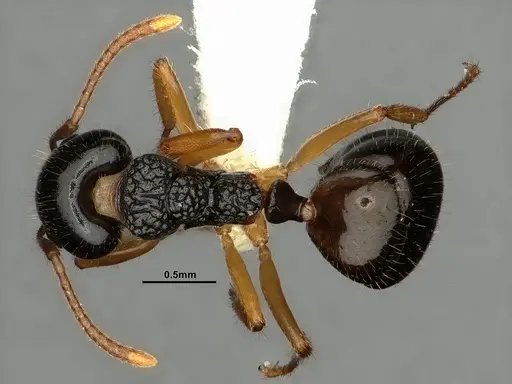
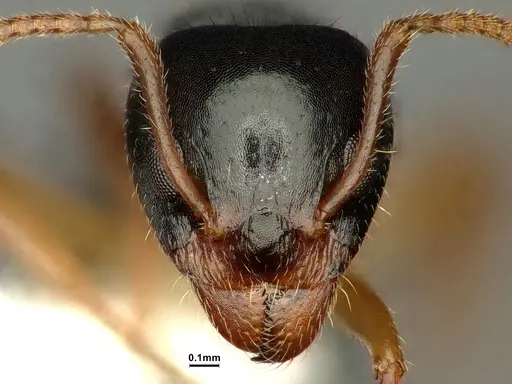
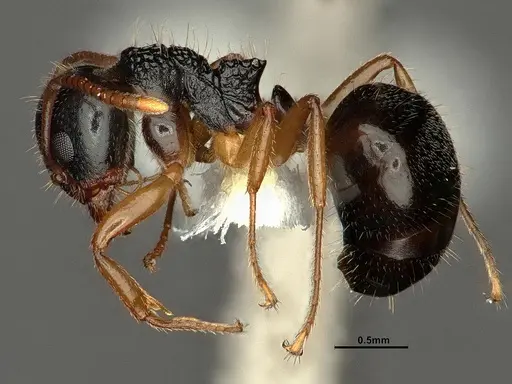
CASENT0909480
View on AntWeb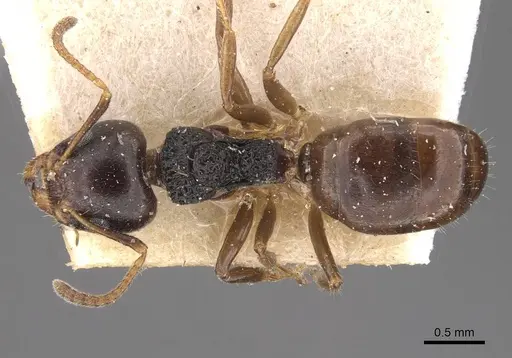
SMFHYM0005380
View on AntWeb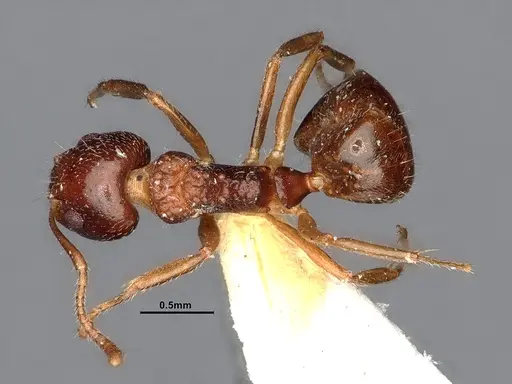
SMFHYM0008906
View on AntWeb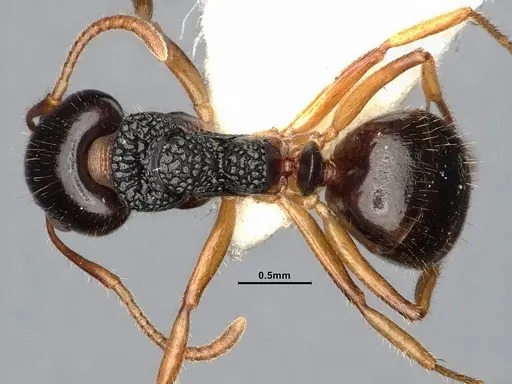
Literature
Loading...Loading products...