

Dolichoderus brevis
- Scientific Name
- Dolichoderus brevis
- Tribe
- Dolichoderini
- Subfamily
- Dolichoderinae
- Author
- Santschi, 1920
- Distribution
- Found in 1 countries
Dolichoderus brevis Overview
Dolichoderus brevis is an ant species of the genus Dolichoderus. It is primarily documented in 1 countries , including Viet Nam. Detailed taxonomic data and occurrence records can be further explored via authoritative databases such as AntWeb or the Global Biodiversity Information Facility (GBIF).
Dolichoderus brevis
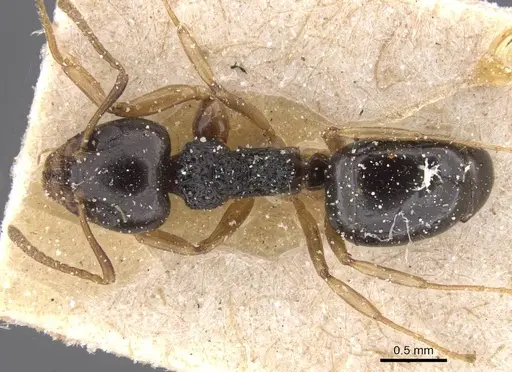
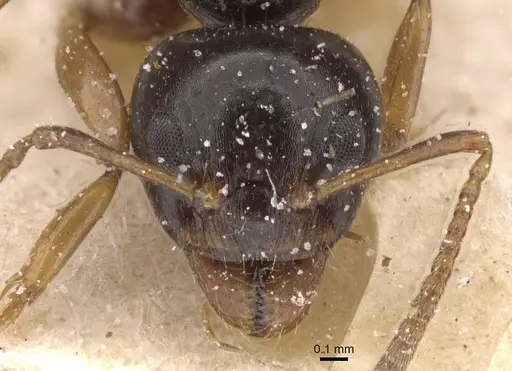
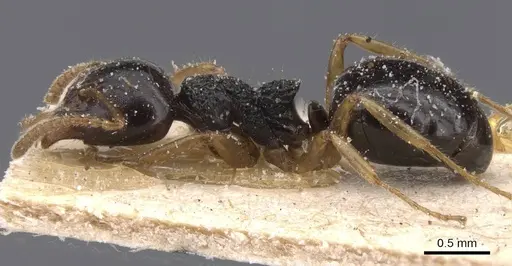
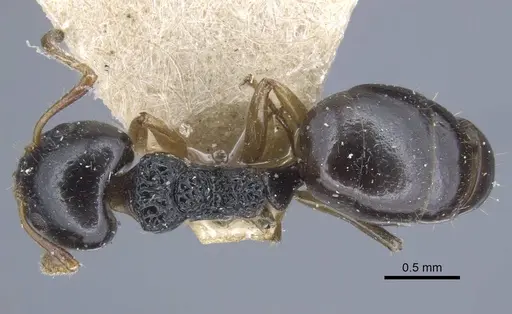
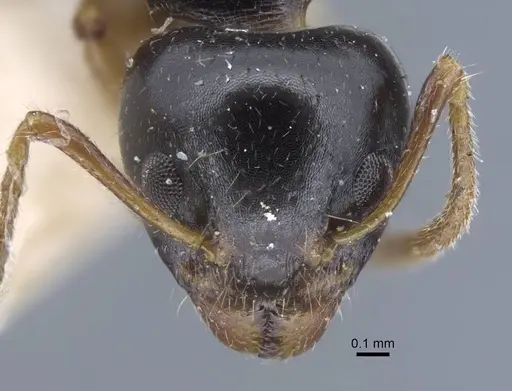
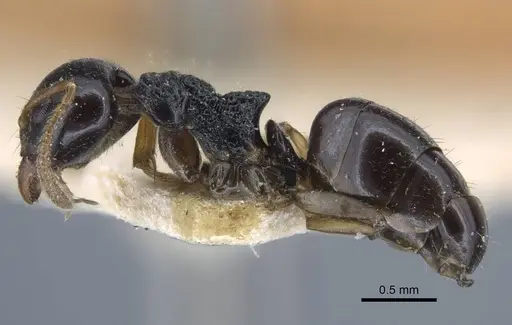
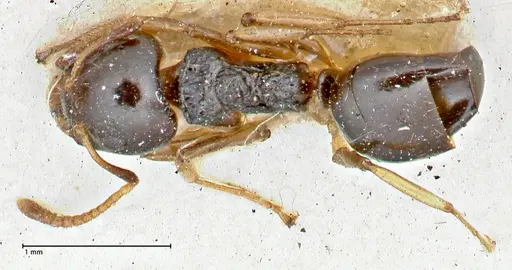
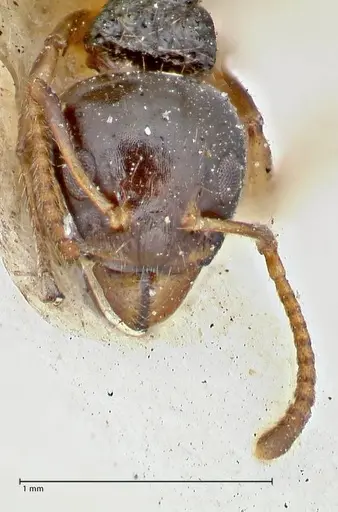
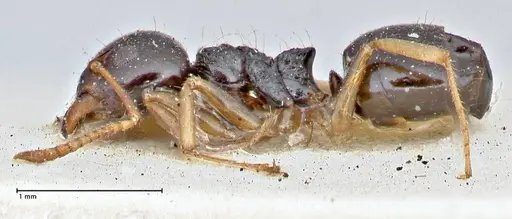
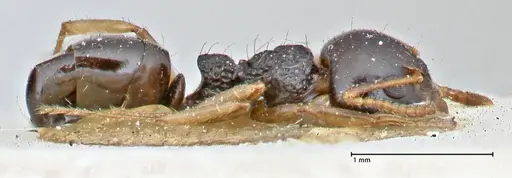
Dolichoderus brevis is a small ant species native to Southeast Asia, originally described from Laos in 1920. Workers are tiny, measuring less than 0.80mm in head width, making them one of the smaller Dolichoderus species [1]. The head is superficially reticulate or smooth and shiny, with sparse pubescence and standing hairs on the head, mesosoma, and gaster. The mesosoma has a foveolate texture, and the propodeal junction is bluntly angulated with a convex dorsal outline [1]. This species has been recorded from Laos (Vientiane and Luang Prabang), Thailand, and recently from Hainan Province, China [2][1]. Nothing is known about the biology, nesting preferences, or colony structure of this species in the scientific literature.
Quick Summary
- Difficulty: Unknown, insufficient data
- Origin & Habitat: Southeast Asia, found in Laos, Thailand, and Hainan Province, China. The specific habitat type is unconfirmed, but related Dolichoderus species typically inhabit forest edges, tropical vegetation, and human-modified areas.
- Colony Type: Unconfirmed, no data on colony structure exists for this species. Most Dolichoderus species are polygyne (multiple queens), but this has not been verified for D. brevis.
- Size & Growth:
- Queen: Unknown, no queen specimens have been described in the scientific literature
- Worker: Head width
- Colony: Unknown, no colony size data available
- Growth: Unknown
- Development: Unknown, no development data exists for this species. Based on typical Dolichoderus patterns, expect 6-10 weeks at tropical temperatures, but this is a rough estimate. (Development timeline is unconfirmed. Related Dolichoderus species typically develop faster in warm, humid conditions.)
- Antkeeping:
- Temperature: Likely 24-28°C based on tropical Southeast Asian distribution and related species patterns. Provide a gentle gradient if possible.
- Humidity: Likely requires moderate to high humidity (60-80%) based on typical Dolichoderus preferences. Keep substrate consistently moist but not waterlogged.
- Diapause: Unknown, tropical species may not require formal hibernation, but may slow down during cooler seasons.
- Nesting: Nesting preferences are unconfirmed. Most Dolichoderus species nest in rotting wood, under bark, or in soil cavities. A naturalistic setup with moist substrate or a Y-tong/plaster nest would be a reasonable starting point.
- Behavior: Behavior is unconfirmed. Most Dolichoderus ants are not aggressive and lack a functional stinger. They communicate through chemical trails and may tend honeydew-producing insects. Their small size means escape prevention is critical, use fine mesh barriers.
- Common Issues: no biological data exists, all care recommendations are estimates based on genus-level patterns, escape prevention is critical due to tiny worker size, colony growth rate is unknown, slow development may frustrate beginners, humidity requirements are unconfirmed, monitor for desiccation, no confirmed diet preferences, start with sugar water and small protein sources
Species Identification and Range
Dolichoderus brevis is a small ant species described by Santschi in 1920 from Laos. Workers can be identified by their small size (head width under 0.80mm), smooth to superficially reticulate head surface, and the presence of sparse standing hairs on the head, mesosoma, and gaster. The mesosoma has a foveolate (small pit-like) texture, and the propodeal junction is bluntly angulated with a convex dorsal outline [1]. The species is known from Vientiane and Luang Prabang in Laos, Thailand, and represents a new record for Hainan Province, China where specimens were collected from Jiaxi Forest Nature Reserve in June 1999 and Yinggeling National Nature Reserve in August 2005 [2]. This distribution suggests the species is widespread in mainland Southeast Asia.
Current Knowledge Gaps
This is one of the least studied ant species in the Dolichoderus genus. Literally nothing has been documented about the biology of Dolichoderus brevis, no one has ever observed their colony structure, founding behavior, diet preferences, or natural history. The original description from 1920 provides only morphological details, and subsequent records are limited to distribution notes. This means all antkeeping recommendations must be based on inference from related Dolichoderus species rather than direct observation of this specific species. Keepers should expect to experiment and document their own findings. Any successful colony observations would represent genuinely new scientific knowledge for this species.
Inferred Care Requirements
Based on typical Dolichoderus genus patterns and the tropical distribution of this species, reasonable starting conditions would be temperatures around 24-28°C with humidity in the 60-80% range. Most Dolichoderus species are not aggressive and lack a functional stinger, making them safe to handle. They likely feed on honeydew, nectar, and small insects, similar to related species. Given the tiny worker size (
Recommended Housing Approach
Since nothing is known about this species' nesting preferences, a naturalistic setup with moist substrate in a small container would be a reasonable starting point. A Y-tong (acrylic) nest with narrow chambers scaled to their tiny size could also work well. Given their small size, avoid tall chambers where they might fall, and ensure all connections are snug. The key is to start small and scale up as the colony grows, do not house a founding queen in a large formicarium as she may become disoriented or the brood may desiccate. Document your observations carefully, as any information about this species in captivity would be valuable.
Frequently Asked Questions
How long does it take for Dolichoderus brevis to produce first workers?
The egg-to-worker timeline is completely unknown for this species. Based on typical Dolichoderus development at tropical temperatures, expect 6-10 weeks, but this is a rough estimate. Document your own observations as no scientific data exists.
What do Dolichoderus brevis ants eat?
Diet preferences are unconfirmed. Based on related Dolichoderus species, they likely accept sugar sources (honey, sugar water) and small protein (fruit flies, small insects). Start with sugar water constantly available and offer small live prey twice weekly.
Are Dolichoderus brevis ants aggressive?
Aggression levels are unconfirmed, but most Dolichoderus species are not aggressive and lack a functional stinger. They are likely docile and safe to handle.
What temperature should I keep Dolichoderus brevis at?
Temperature requirements are unconfirmed. Based on their tropical Southeast Asian distribution, start around 24-28°C and observe colony activity. A gentle temperature gradient allows the ants to choose their preferred zone.
Do Dolichoderus brevis ants need hibernation?
Diapause requirements are unknown. As a tropical species from Southeast Asia, they likely do not require formal hibernation but may slow down during cooler seasons.
How big do Dolichoderus brevis colonies get?
Maximum colony size is unknown. No colony size data has been documented for this species.
Can I keep multiple Dolichoderus brevis queens together?
Colony structure is unconfirmed. Most Dolichoderus species are polygyne (multiple queens), but this has not been verified for D. brevis. Combining unrelated queens is not recommended as it has not been studied.
Is Dolichoderus brevis a good species for beginners?
This species cannot be recommended for beginners due to the complete lack of biological data. Every aspect of care is an educated guess. Experienced antkeepers interested in documenting new species information may find this an interesting challenge.
What size nest should I use for Dolichoderus brevis?
Use chambers scaled to their tiny size (workers are under 0.80mm). Avoid large, open spaces. A small test tube setup or Y-tong nest with narrow passages works well for founding colonies.
Why is there no information about Dolichoderus brevis care?
This species is extremely poorly studied. The original description from 1920 only covers physical characteristics, and no one has documented their biology in the scientific literature. Any captive observations would represent genuinely new scientific knowledge.
References

This caresheet is licensed under CC BY-SA 4.0 .
Literature
Loading...Loading products...