

Dolichoderus baenae
- Scientific Name
- Dolichoderus baenae
- Tribe
- Dolichoderini
- Subfamily
- Dolichoderinae
- Author
- MacKay, 1993
- Distribution
- Found in 2 countries
Dolichoderus baenae Overview
Dolichoderus baenae is an ant species of the genus Dolichoderus. It is primarily documented in 2 countries , including Colombia, Ecuador. Detailed taxonomic data and occurrence records can be further explored via authoritative databases such as AntWeb or the Global Biodiversity Information Facility (GBIF).
Dolichoderus baenae
Dolichoderus baenae is a small to medium-sized ant species native to the Neotropical region of Colombia and Ecuador. Workers measure approximately 3-4mm with a light brown coloration and distinctive dark erect hairs scattered across the mesosoma. The scape has abundant recumbent (flattened) hairs, the propodeum is rounded posteriorly, and the petiole has a poorly developed tooth. Queens are larger at around 5-6mm with caste modifications and darker longitudinal bands on the pronotum. This species is known from cloud forest habitats in the departments of Antioquia, Chocó, and Valle del Cauca in Colombia, as well as lowland forest in Ecuador at around 600m elevation [1][2][3].
As a Dolichoderine ant, D. baenae lacks a functional stinger but can defend itself by biting and spraying formic acid. The genus is known for relatively docile temperament compared to some other ant groups, making them manageable in captivity. This species remains relatively rare in the antkeeping hobby due to limited distribution and recent description.
Quick Summary
- Difficulty: Medium
- Origin & Habitat: Native to the Neotropical region of Colombia and Ecuador, specifically the cloud forest zones in Antioquia, Chocó, and Valle del Cauca departments at elevations of 600-980 meters [1][2]. Found in humid forest environments with typical Neotropical conditions.
- Colony Type: Colony structure is not directly documented in available research. Based on typical Dolichoderus patterns, likely monogyne (single queen) colonies. No data on ergatoid replacement reproductives for this species.
- Colony: Monogyne
- Founding: Claustral
- Size & Growth:
- Queen: Approximately 5-6mm based on measurements (LW=2.5mm) [1]. Signal: estimated from genus patterns.
- Worker: Approximately 3-4mm [1]. Signal: estimated from species description.
- Colony: Unknown, no colony size data available. Signal: estimated.
- Growth: Unknown, no development timing documented. Signal: estimated from genus patterns.
- Development: 6-10 weeks estimated based on typical Dolichoderus development at tropical temperatures. Signal: inferred from genus patterns. (No species-specific development data available. Temperature likely affects timeline significantly given the cloud forest origin.)
- Antkeeping:
- Temperature: Keep at 22-26°C based on their cloud forest origin in Colombia. They prefer stable, warm conditions without extreme heat. A gentle gradient allowing them to move between temperatures is beneficial [2].
- Humidity: High humidity is essential, think damp cloud forest conditions. Keep nest substrate consistently moist but not waterlogged. Provide a water tube and ensure the nest area maintains humidity around 70-80% [2].
- Diapause: Unknown, no research on overwintering requirements. Given their tropical/cloud forest origin, they likely do not require true hibernation but may have reduced activity during cooler periods. Keep at stable temperatures year-round.
- Nesting: In nature, Dolichoderus species typically nest in rotting wood, under stones, or in soil cavities in humid forest habitats. In captivity, a Y-tong (AAC) nest or plaster nest with good moisture retention works well. Provide damp substrate and avoid drying out the nest.
- Behavior: Dolichoderus baenae is generally docile and not aggressive toward keepers. Workers are active foragers that will readily explore their outworld. They lack a stinger but can bite and spray formic acid as a defense, this is mild and rarely problematic for keepers. Escape risk is moderate due to their small size, use standard barrier methods (Fluon on test tube rims, tight-fitting lids). They are not known for being particularly escape-prone compared to some tiny species. Workers are moderately fast-moving and will establish foraging trails to food sources.
- Common Issues: high humidity maintenance is critical, drying out causes colony decline and death, limited availability in the antkeeping hobby makes this species difficult to acquire, no species-specific care information means keepers must rely on genus-level guidance, cloud forest origin means they may be sensitive to temperature extremes, formic acid spray may cause mild skin irritation, handle gently if threatened
Housing and Nest Setup
Dolichoderus baenae requires a humid, stable environment that mimics their cloud forest origin. A Y-tong (AAC) formicarium or plaster nest works well because these materials retain moisture effectively. The nest chambers should be appropriately sized for their 3-4mm workers, tight chambers help them feel secure. Include a water reservoir or moisture chamber connected to the nest area to maintain humidity. The outworld should have a reliable water tube for drinking. Use a test tube setup for founding colonies, transitioning to a formicarium once the colony reaches 15-20 workers. Escape prevention should be moderate, their small size means they can squeeze through small gaps, so ensure all connections are secure and use Fluon on any smooth surfaces they might climb.
Feeding and Diet
Dolichoderus baenae is omnivorous like most Dolichoderine ants. They readily accept sugar sources including honey water, sugar water, and honeydew. For protein, offer small insects such as fruit flies, small mealworms, or cricket pieces. In the wild, they likely forage for honeydew from aphids and scale insects, plus small arthropods. Feed them a few times per week, offer protein when the brood is developing and sugar water constantly. Remove uneaten prey after 24-48 hours to prevent mold. They are not specialized predators, so a varied diet of protein and sugar sources works well.
Temperature and Seasonal Care
Maintain temperatures between 22-26°C year-round. This species comes from cloud forest habitats in the Colombian Andes, where temperatures are mild and relatively stable. Avoid temperatures below 18°C or above 30°C. They do not require hibernation or diapause due to their tropical origin, but may show slightly reduced activity during cooler periods. Room temperature within their preferred range is often suitable. If your room is cooler, use a heating cable on one side of the nest to create a gentle gradient, never apply heat directly to the nest as it can dry out the substrate and harm the colony. Monitor worker activity levels as an indicator of comfort [2].
Behavior and Colony Dynamics
Workers of D. baenae are active foragers that will establish trails to food sources. They are generally docile and non-aggressive, making them suitable for observation. When threatened, they may bite and spray formic acid, this defense mechanism is mild and rarely causes issues for keepers. Colonies grow moderately, expect several months to reach significant numbers from a founding queen. The queen lays eggs that develop through larval stages before emerging as workers. Workers are polymorphic (varying in size) within the colony, which is typical for Dolichoderus. The colony will expand gradually as the queen's egg-laying rate increases with more workers to care for brood.
Frequently Asked Questions
How long does it take for Dolichoderus baenae to produce first workers?
Based on typical Dolichoderus development, expect first workers (nanitics) approximately 6-10 weeks after the queen lays eggs, assuming optimal temperatures around 24-26°C. This timeline is estimated since no species-specific development data exists for D. baenae.
What do Dolichoderus baenae ants eat?
They are omnivorous. Offer sugar water or honey constantly for energy, and protein sources like small insects (fruit flies, small mealworms, cricket pieces) several times per week. They will also accept honeydew if available.
Are Dolichoderus baenae good for beginners?
This species is rated as medium difficulty. While generally docile and manageable, they require high humidity and stable warm temperatures that may be challenging to maintain consistently. Their care requirements are less forgiving than some hardy species.
Can I keep multiple Dolichoderus baenae queens together?
Dolichoderus baenae is likely monogyne (single queen) based on typical genus patterns. Combining unrelated queens has not been documented and is not recommended. If you obtain multiple foundress queens, house them separately.
What temperature is best for Dolichoderus baenae?
Keep them at 22-26°C. This matches their cloud forest origin in Colombia where temperatures are mild. Avoid temperatures below 18°C or above 30°C.
Do Dolichoderus baenae need hibernation?
No, they do not require hibernation. As a tropical/cloud forest species from Colombia and Ecuador, they prefer stable temperatures year-round. Simply maintain their optimal temperature range consistently.
How big do Dolichoderus baenae colonies get?
Colony size is not documented for this species. Based on typical Dolichoderus patterns, colonies likely reach several hundred workers at maximum. Growth is moderate over several years.
When should I move my colony to a formicarium?
Keep founding colonies in a test tube setup until they reach 15-30 workers. At this point, you can transition them to a proper formicarium (Y-tong, plaster, or naturalistic setup) with adequate moisture retention.
Why is my Dolichoderus baenae colony declining?
The most common causes are: low humidity (cloud forest species need damp conditions), temperature stress (too cold or too hot), poor nutrition, or mold from overwatering. Check that the nest substrate stays moist but not waterlogged, temperatures are stable within 22-26°C, and remove uneaten food promptly.
References

This caresheet is licensed under CC BY-SA 4.0 .
CASENT0249645
View on AntWeb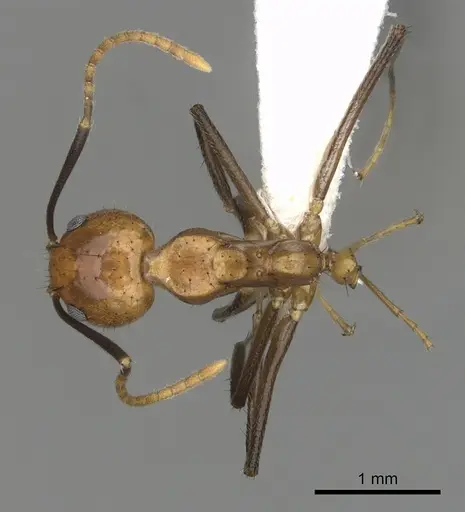
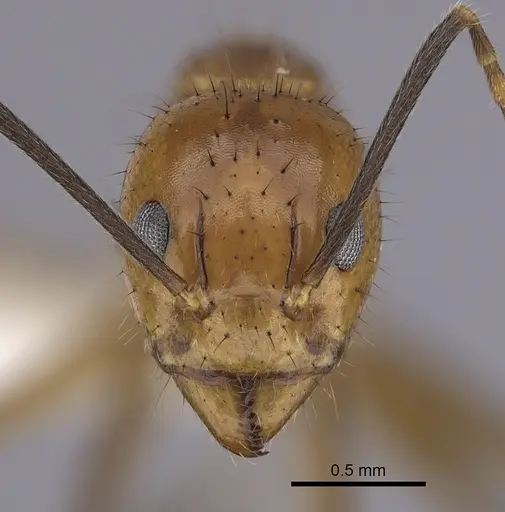
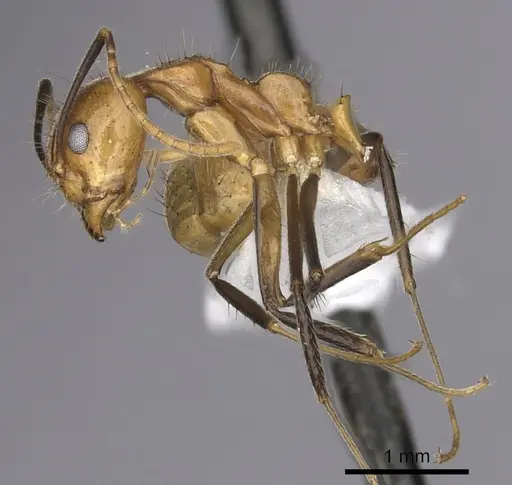
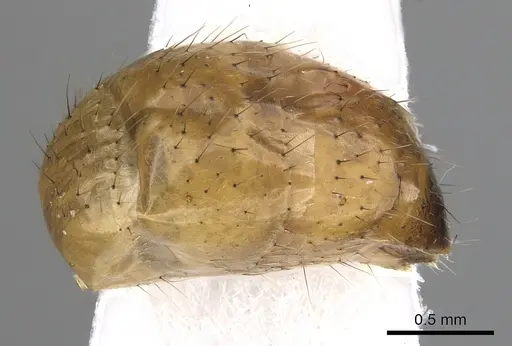
Literature
Loading...Loading products...