

Dolichoderus australis
- Scientific Name
- Dolichoderus australis
- Tribe
- Dolichoderini
- Subfamily
- Dolichoderinae
- Author
- André, 1896
- Common Name
- Soft Dolly Ant
- Distribution
- Found in 1 countries
Dolichoderus australis Overview
Dolichoderus australis (commonly known as the Soft Dolly Ant) is an ant species of the genus Dolichoderus. It is primarily documented in 1 countries , including Australia. Detailed taxonomic data and occurrence records can be further explored via authoritative databases such as AntWeb or the Global Biodiversity Information Facility (GBIF).
Dolichoderus australis - "Soft Dolly Ant"
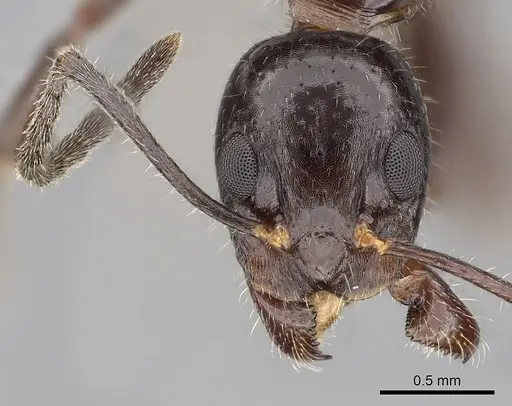
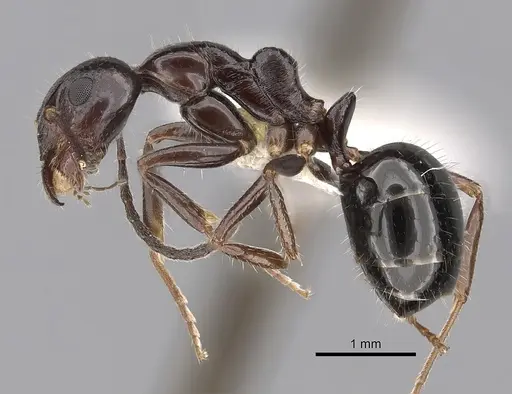
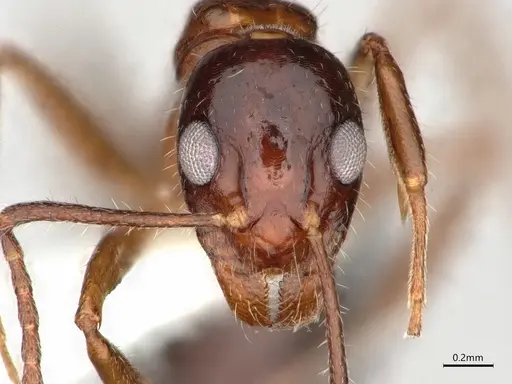
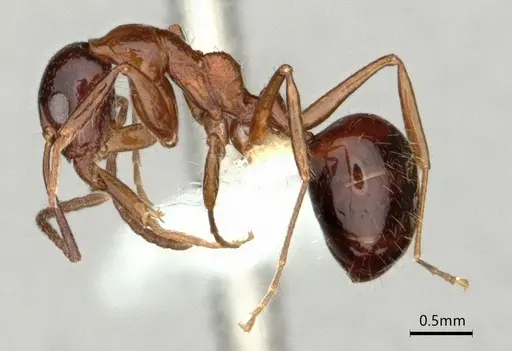
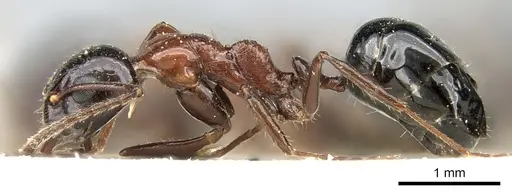
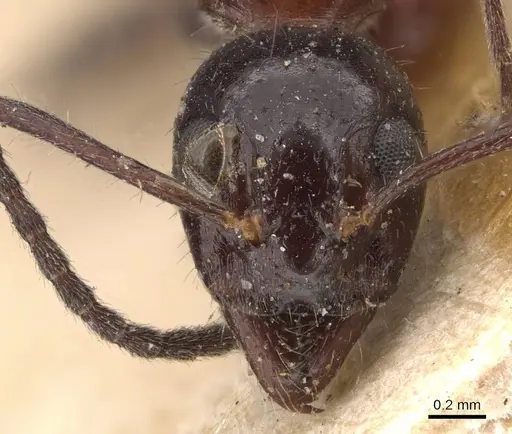
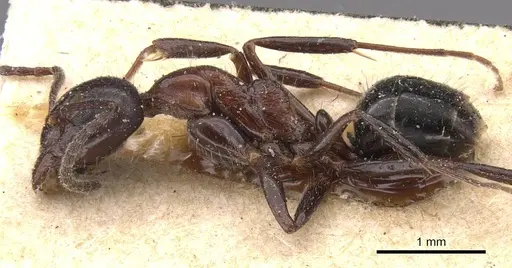
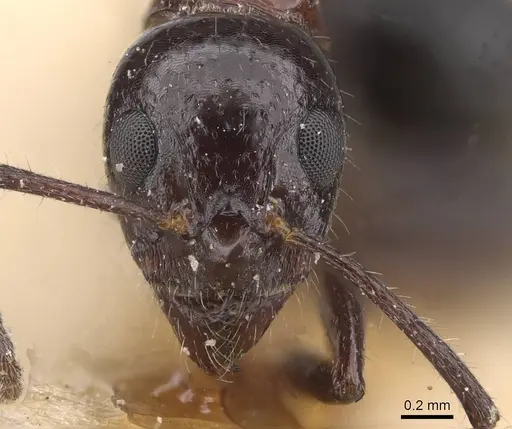
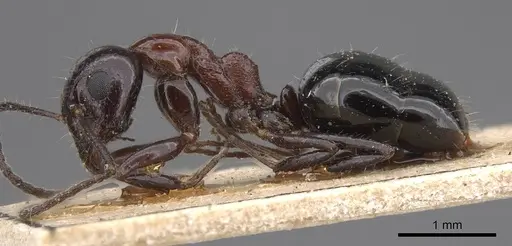
Dolichoderus australis is a medium-sized ant native to south-eastern Australia. Workers measure 4-5mm with a distinctive appearance: the head and gaster are black to reddish-brown while the thorax and node are reddish, creating a striking two-tone look [1]. The species lacks spines on the pronotum and propodeum, and has distinctive long erect hairs on the first gaster segment but no appressed pubescence [1]. These ants live in dry to wet forested areas, nesting in soil under rocks or occasionally in rotting wood [1][2]. Workers are diurnal foragers that scavenge and tend aphids for honeydew, often moving in columns along the ground and up low vegetation [2]. They are timid by nature, when disturbed, they quickly run for cover rather than stand their ground.
Quick Summary
- Difficulty: Medium
- Origin & Habitat: South-eastern Australia, in dry to wet forested areas. Nests in soil under rocks or occasionally in rotting wood [1][2].
- Colony Type: Colony structure is not well documented in scientific literature. Likely single-queen colonies based on typical Dolichoderus patterns, but this is unconfirmed.
- Founding: Claustral
- Size & Growth:
- Queen: Unconfirmed, no specific measurements found in available research
- Worker: 4-5mm (workers measure HW 0.85-1.01mm, HL 1.08-1.23mm) [1]
- Colony: Unknown, no colony size data available in research
- Growth: Moderate, inferred from typical Dolichoderus development patterns
- Development: 8-12 weeks (estimated based on typical Dolichoderus genus development at warm temperatures) (Development time is estimated, no specific studies found for this species. Dolichoderus species generally take 2-3 months from egg to worker at optimal temperatures.)
- Antkeeping:
- Temperature: Keep at 22-26°C. Being Australian, they prefer warm conditions but can tolerate room temperature. A gentle heat gradient allows them to regulate their temperature.
- Humidity: Moderate humidity around 50-70%. Keep the nest substrate moist but not waterlogged. They naturally nest under rocks in soil, so they appreciate some damp substrate but also need dry areas to escape excess moisture.
- Diapause: Likely, Australian temperate ants typically require a winter rest period. Reduce temperature to 10-15°C for 2-3 months during winter.
- Nesting: They nest in soil under rocks in the wild, so a naturalistic setup with soil and flat stones works well. Y-tong or plaster nests with moisture chambers also work. They prefer tight, enclosed chambers over open spaces.
- Behavior: Timid and non-aggressive. Workers are diurnal foragers that scavenge and tend honeydew-producing insects [2]. They forage in columns on the ground and up vegetation. When threatened, they flee rather than fight. They are not known to sting and pose no danger to keepers. Their small size (under 5mm) means they can escape through tiny gaps, use fine mesh barriers and tight-fitting lids. They are generalist feeders accepting sugars and proteins.
- Common Issues: escape prevention is critical due to their tiny size, they can squeeze through gaps smaller than 1mm, timid nature means they may be stressed by frequent disturbances or overly active outworlds, colonies may grow slowly, which can frustrate keepers expecting rapid development, humidity control is important, too wet causes fungal problems, too dry causes desiccation, wild-caught colonies may have parasites that can decimate the colony in captivity
Nest Preferences
In the wild, Dolichoderus australis nests in soil under rocks or occasionally in rotting wood [1][2]. For captive care, a naturalistic setup with a soil layer and flat stones on top works well, this mimics their natural nesting environment and allows you to observe their behavior. Alternatively, Y-tong (AAC) nests or plaster nests with moisture chambers are suitable options. They prefer tight, enclosed chambers rather than large open spaces. The nest should have a moisture gradient so ants can move between damp and drier areas as needed. A layer of substrate about 1-2cm deep is sufficient for small colonies, scaling up as the colony grows.
Feeding and Diet
Workers are generalist scavengers and diurnal foragers [2]. They readily accept sugar sources (honey water, sugar water, ripe fruit) and protein (dead insects, small crickets, mealworms). They also tend aphids and other Hemiptera for honeydew in the wild [2], so offering sweet liquids is appreciated. Feed protein 2-3 times per week for growing colonies, and keep a sugar source constantly available. Remove uneaten food after 24-48 hours to prevent mold. Since they're timid foragers, place food near their nest entrance so they don't have to travel far to find it.
Temperature and Seasonal Care
Being Australian ants from south-eastern Australia, they prefer warm conditions around 22-26°C. Room temperature is often suitable, but a heating cable on one side of the nest creates a temperature gradient they can regulate themselves. They are diurnal and most active during warmer periods. During the Australian winter (roughly June-August in the southern hemisphere), they likely enter a period of reduced activity. Keepers should provide a winter rest period by reducing temperature to 10-15°C for 2-3 months. This helps maintain natural cycles and may improve colony health long-term. [1][2]
Behavior and Temperament
Dolichoderus australis is notably timid, when disturbed, workers quickly run for cover rather than engaging in defensive behavior [3]. They are not aggressive and do not pose any sting threat to keepers. Workers forage during the day (diurnal) and often move in columns along the ground and up low vegetation [2]. This foraging behavior means they appreciate some vertical space in their outworld. Their small size (under 5mm) makes them excellent escape artists, use fine mesh (at least 0.5mm gap prevention) and ensure all connections are secure. Despite being timid, they are active and interesting to watch as they patrol their territory in search of food.
Colony Founding
Founding behavior has not been directly documented in scientific literature for this species. However, based on typical Dolichoderus genus patterns, the queen likely seals herself in a claustral chamber and raises the first workers alone using stored fat reserves. Expect a claustral founding where the queen does not leave the nest to forage during the founding stage. The first workers (nanitics) will be smaller than mature workers. Development from egg to first worker likely takes 8-12 weeks at warm temperatures, though this is an estimate based on genus patterns rather than species-specific data.
Frequently Asked Questions
How long does it take for Dolichoderus australis to produce first workers?
Based on typical Dolichoderus development, expect 8-12 weeks from egg to first worker at optimal temperatures (22-26°C). This is an estimate since no species-specific development studies exist.
What do Dolichoderus australis ants eat?
They are generalist scavengers. Offer sugar water or honey water constantly, and protein (dead insects, small crickets, mealworms) 2-3 times per week. They also tend aphids for honeydew in the wild.
What temperature do Dolichoderus australis need?
Keep them at 22-26°C. A heating cable on one side of the nest creates a gradient they can use to regulate their temperature. Room temperature is often suitable.
Do Dolichoderus australis need hibernation?
Likely yes, being Australian temperate ants, they probably need a winter rest period. Reduce temperature to 10-15°C for 2-3 months during winter.
What size colony do Dolichoderus australis reach?
Colony size data is not available in scientific literature. Based on typical Dolichoderus patterns, expect moderate-sized colonies.
Can I keep multiple Dolichoderus australis queens together?
Colony structure is not well documented for this species. Combining unrelated queens is not recommended since this has not been studied.
What nest type is best for Dolichoderus australis?
Naturalistic setups with soil and flat stones work well, mimicking their natural habitat under rocks. Y-tong or plaster nests with moisture chambers are also suitable.
Are Dolichoderus australis good for beginners?
They are rated as medium difficulty. They are timid and non-aggressive, but their small size requires good escape prevention, and colony growth may be slow.
Why are my Dolichoderus australis dying?
Common causes include: escape through tiny gaps (use fine mesh), excessive disturbance (they are timid), improper humidity (too wet or too dry), and parasites from wild-caught colonies. Ensure proper escape prevention and minimal disturbance.
References

This caresheet is licensed under CC BY-SA 4.0 .
CASENT0249564
View on AntWeb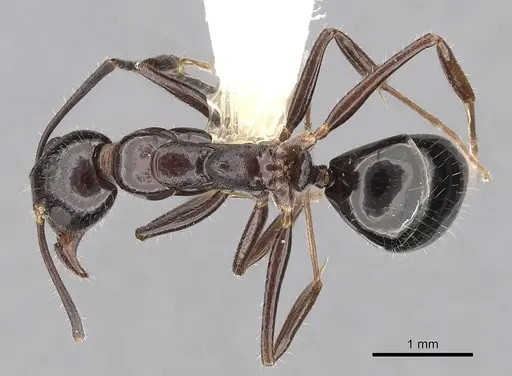
CASENT0866529
View on AntWeb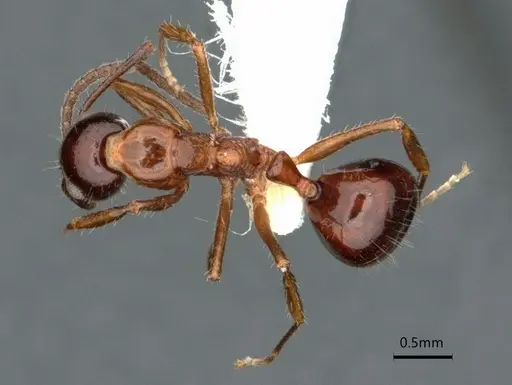
CASENT0906226
View on AntWeb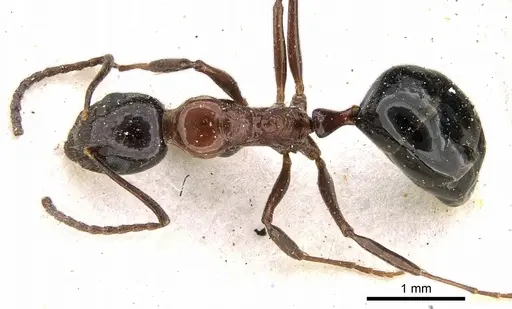
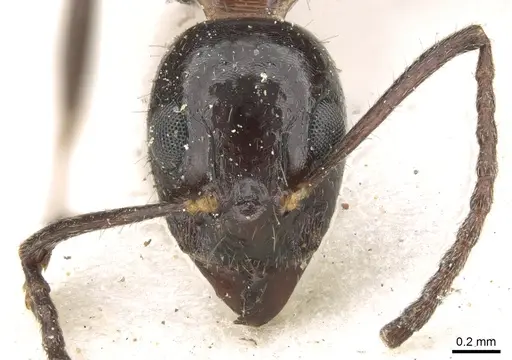
CASENT0909472
View on AntWeb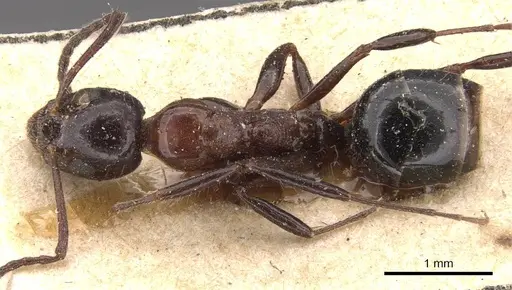
CASENT0915336
View on AntWeb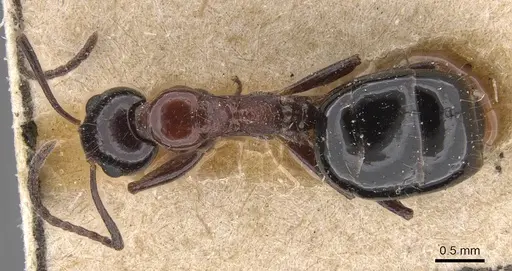
Literature
Loading...Loading products...