

Dolichoderus andinus
- Scientific Name
- Dolichoderus andinus
- Tribe
- Dolichoderini
- Subfamily
- Dolichoderinae
- Author
- Kempf, 1962
- Distribution
- Found in 1 countries
Dolichoderus andinus Overview
Dolichoderus andinus is an ant species of the genus Dolichoderus. It is primarily documented in 1 countries , including Brazil. Detailed taxonomic data and occurrence records can be further explored via authoritative databases such as AntWeb or the Global Biodiversity Information Facility (GBIF).
Dolichoderus andinus
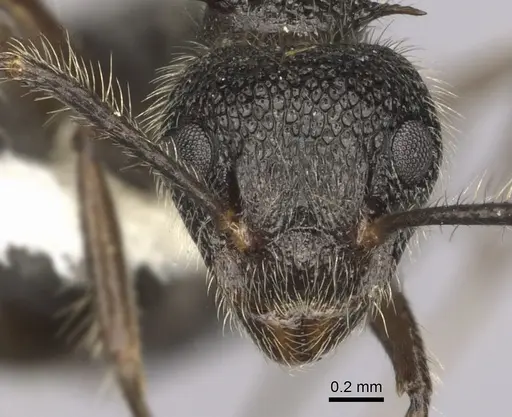
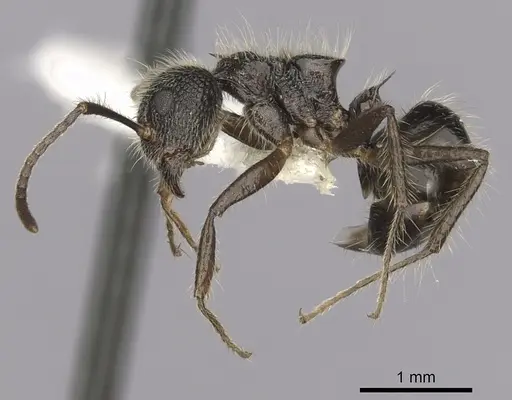
Dolichoderus andinus is a small to medium-sized ant species native to the highland regions of Peru. Workers measure approximately 4-6mm and feature the characteristic dark coloration typical of many Dolichoderus species, with a relatively smooth and glossy body surface. This species was originally described as Dolichoderus andinus in 1962 by Kempf before being reclassified into the genus Dolichoderus by Shattuck in 1992. The type specimens were collected at an elevation of 2,150 meters in the Pichita Caluga region of central Peru, indicating this is a high-altitude species adapted to cooler, more temperate mountain conditions [1][2].
As a Dolichoderine ant, this species possesses the characteristic defensive ability to release formic acid when threatened, which gives them a distinctive pungent smell when crushed. They are arboreal by nature, typically nesting in rotting wood or under bark in their natural habitat. Their high-altitude origin makes them somewhat unusual among tropical ant species, as they appear adapted to cooler conditions than many other Neotropical ants.
Quick Summary
- Difficulty: Medium
- Origin & Habitat: Native to the highlands of central Peru, specifically the Pichita Caluga region at approximately 2,150 meters elevation. This is a cool, mountainous tropical habitat [1][2].
- Colony Type: Colony structure is not extensively documented in scientific literature. Based on typical Dolichoderus patterns, they likely establish single-queen colonies (monogyne), though some related species can form multi-queen colonies.
- Colony: Monogyne
- Founding: Claustral
- Size & Growth:
- Queen: Approximately 6-8mm, estimated based on genus patterns for Dolichoderus species
- Worker: Approximately 4-6mm based on original species description [1]
- Colony: Likely reaches several hundred workers based on genus patterns, exact maximum unknown
- Growth: Moderate, typical for Dolichoderus species
- Development: Estimated 6-10 weeks at optimal temperature, based on typical Dolichoderus development patterns (Development time is inferred from genus-level data as species-specific timing has not been documented)
- Antkeeping:
- Temperature: Keep at 18-22°C. The high-altitude origin suggests they prefer cooler conditions than typical tropical ants. Avoid temperatures above 25°C. A slight temperature gradient allows workers to self-regulate [1].
- Humidity: Moderate humidity around 60-70%. These ants prefer conditions that mimic their mountain forest habitat, damp but with good ventilation. Provide a water tube as a moisture source.
- Diapause: Likely requires a mild winter rest period (diapause) given the high-altitude origin. Reduce temperature to 12-15°C for 2-3 months during winter months, mimicking natural seasonal cooling.
- Nesting: In captivity, they do well in Y-tong (AAC) nests or naturalistic setups with rotting wood pieces. They are arboreal by nature, so vertical space and climbing opportunities are appreciated. Avoid overly compact test tube setups, they prefer more spacious accommodations.
- Behavior: Dolichoderus andinus is generally calm and not particularly aggressive. When threatened, workers can spray formic acid as a defensive mechanism, which is their primary defense. They are active foragers and will search for food throughout the nest and outworld. Workers are medium-sized and relatively fast-moving. Escape prevention is important due to their moderate size, standard barriers like fluon on test tube rims work well. They are diurnal and show regular foraging patterns.
- Common Issues: High-altitude origin means they are sensitive to overheating, keep them cool, Limited documentation means colony founding can be challenging, patience is key, As arboreal ants, they may struggle in fully horizontal test tube setups, Wild-caught colonies may carry parasites, quarantine and monitor closely, Formic acid defense can be irritating if ants are crushed, but they are not aggressive toward keepers
Housing and Nest Setup
Dolichoderus andinus is an arboreal species that prefers nesting in rotting wood or under bark in the wild. In captivity, they adapt well to Y-tong (acrylic) nests or naturalistic setups that include wood pieces or cork bark. They do not do well in compact horizontal test tube setups, they need more vertical space and the ability to move between chambers. A formicarium with multiple connected chambers works better than a single large tube. Provide a water tube for humidity, but ensure good ventilation to prevent mold. Because they are from high elevations, avoid placing their nest in warm locations in your home. [1][2]
Feeding and Diet
Like other Dolichoderus species, these ants are omnivorous and will accept a variety of foods. Offer sugar water or honey as an energy source, they will readily take sweet liquids. For protein, provide small insects like fruit flies, small crickets, or mealworm pieces. They are active foragers, so place food in the outworld where they can find it easily. Remove uneaten food after 24-48 hours to prevent mold. A varied diet helps maintain colony health. Some keepers report that Dolichoderus species particularly enjoy honeydew, so you could offer this if available.
Temperature and Seasonal Care
This species requires cooler temperatures than most tropical ants due to its high-altitude origin in the Peruvian Andes. Maintain nest temperatures between 18-22°C, avoiding anything above 25°C. During winter (roughly November to February in the Northern Hemisphere), reduce temperatures to 12-15°C to provide a natural rest period. This diapause mimics the cooler conditions at 2,150m elevation and helps maintain natural seasonal rhythms. Do not feed during the coldest part of diapause, but ensure some moisture is available. Resume normal feeding and temperatures gradually in spring. [1][2]
Behavior and Defense
Dolichoderus andinus has a characteristic defense mechanism common to Dolichoderine ants, they can spray formic acid when threatened or crushed. This gives them a distinctive pungent smell. They are not particularly aggressive toward keepers and rarely bite, but the formic acid spray can be irritating to skin and eyes. Handle gently and avoid crushing any workers. In the colony, they are active and organized foragers. Workers move at a moderate pace and will establish regular foraging routes. They are diurnal, showing most activity during daylight hours.
Colony Founding and Growth
Queen founding is presumed to be claustral, meaning the queen seals herself in a chamber and raises her first workers using stored fat reserves without foraging. This is based on typical Dolichoderus genus behavior, as the specific founding behavior of D. andinus has not been directly documented. Expect the first workers (nanitics) to emerge in 6-10 weeks under optimal conditions. Growth is moderate, a healthy colony may reach several hundred workers over several years. Colonies are relatively long-lived, with queens potentially living for many years. Patience is essential, as initial growth is slow.
Frequently Asked Questions
What temperature should I keep Dolichoderus andinus at?
Keep them at 18-22°C. This species comes from high-altitude Peru (2,150m) and prefers cooler conditions than typical tropical ants. Avoid temperatures above 25°C.
How long does it take for Dolichoderus andinus to produce first workers?
Expect first workers (nanitics) in approximately 6-10 weeks after the queen lays eggs, based on typical Dolichoderus development patterns. This is an estimate as species-specific timing has not been documented.
What do Dolichoderus andinus eat?
They are omnivorous. Offer sugar water or honey for energy, and small insects like fruit flies, small crickets, or mealworm pieces for protein. They will readily accept sweet liquids.
Do Dolichoderus andinus need hibernation?
Yes, they likely need a mild winter rest period. Reduce temperatures to 12-15°C for 2-3 months during winter, mimicking their natural high-altitude seasonal conditions.
Are Dolichoderus andinus good for beginners?
They are rated as medium difficulty. The main challenges are their need for cooler temperatures and limited documentation about their specific care requirements. Experienced antkeepers will have better success.
How big do Dolichoderus andinus colonies get?
Based on related species, colonies likely reach several hundred workers over several years. The exact maximum is not documented in scientific literature.
Can I keep multiple Dolichoderus andinus queens together?
This is not recommended. While not extensively studied, they are likely single-queen (monogyne) colonies. Combining unrelated queens has not been documented and could result in aggression.
Why are my Dolichoderus andinus dying?
The most common causes are overheating (temperatures above 25°C), excessive humidity causing mold, or stress from improper handling. Ensure cool temperatures, adequate but not excessive moisture, and minimal disturbance during founding.
References

This caresheet is licensed under CC BY-SA 4.0 .
CASENT0249651
View on AntWeb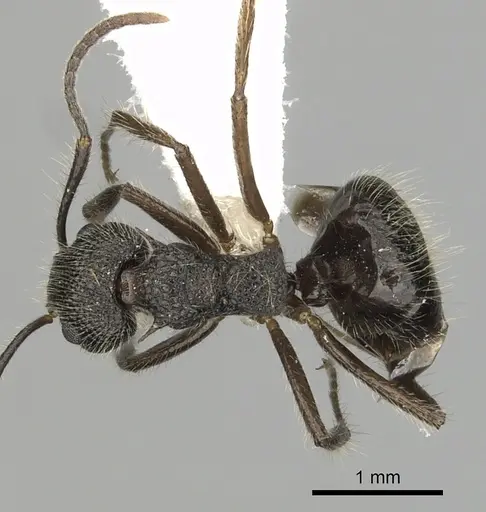
Literature
Loading...Loading products...