

Dolichoderus affinis
- Scientific Name
- Dolichoderus affinis
- Tribe
- Dolichoderini
- Subfamily
- Dolichoderinae
- Author
- Emery, 1889
- Distribution
- Found in 7 countries
Dolichoderus affinis Overview
Dolichoderus affinis is an ant species of the genus Dolichoderus. It is primarily documented in 7 countries , including China, Lao People's Democratic Republic, Myanmar. Detailed taxonomic data and occurrence records can be further explored via authoritative databases such as AntWeb or the Global Biodiversity Information Facility (GBIF).
Dolichoderus affinis
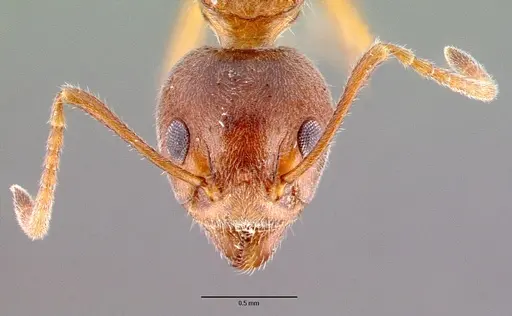
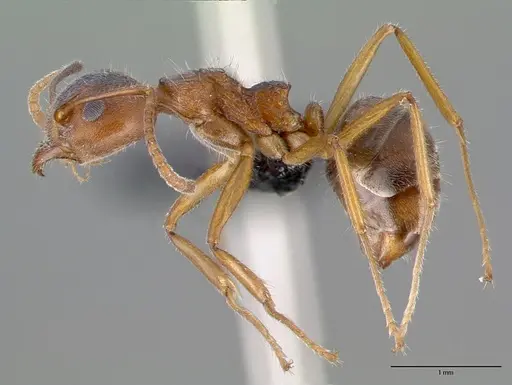
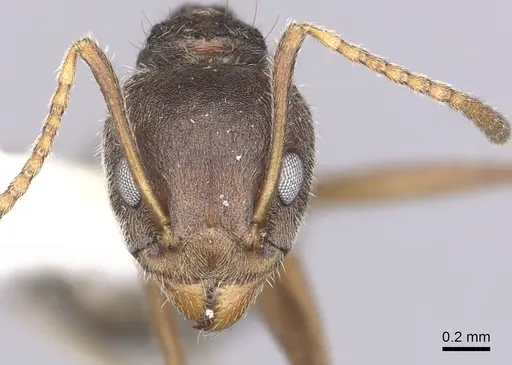
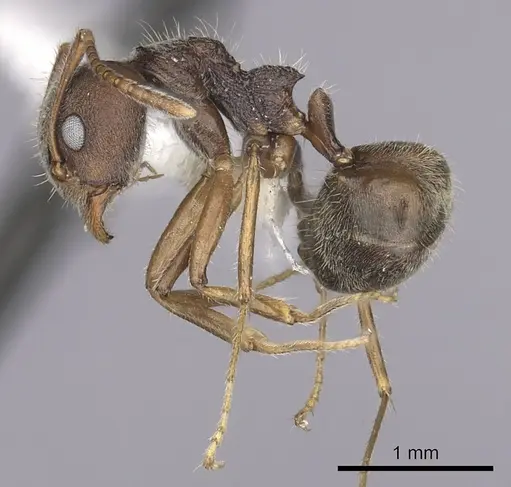
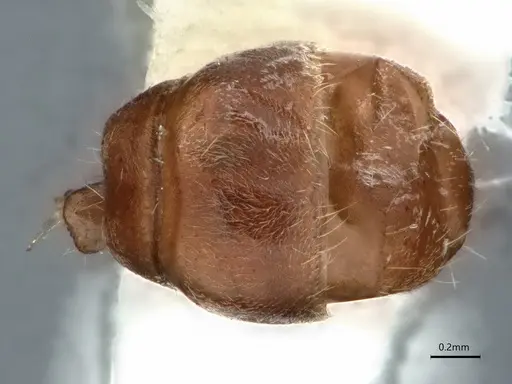
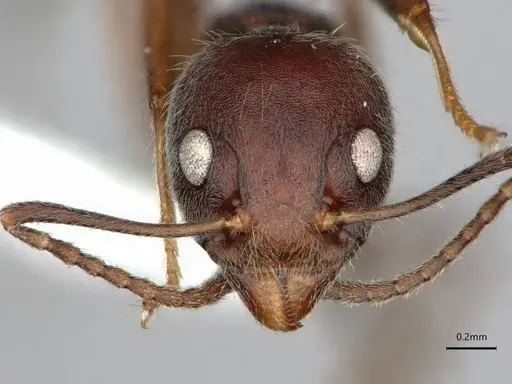
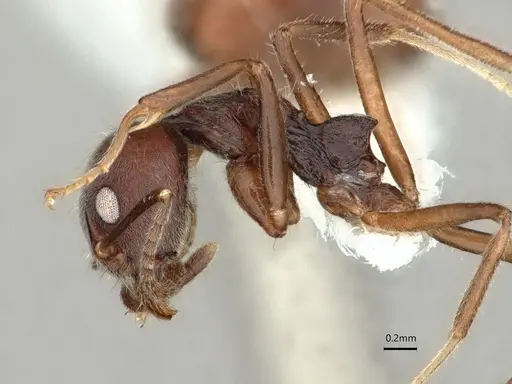
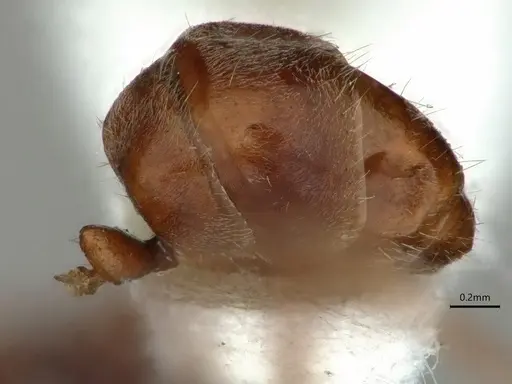
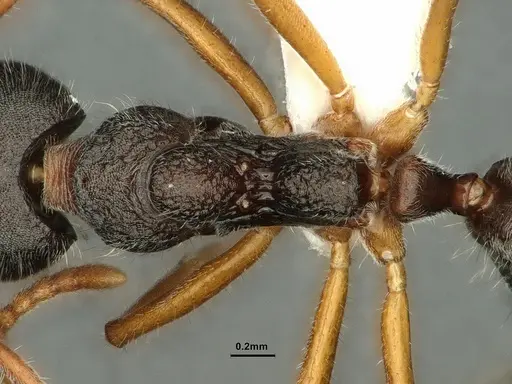
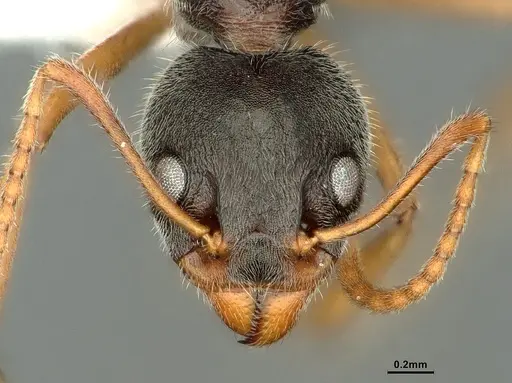
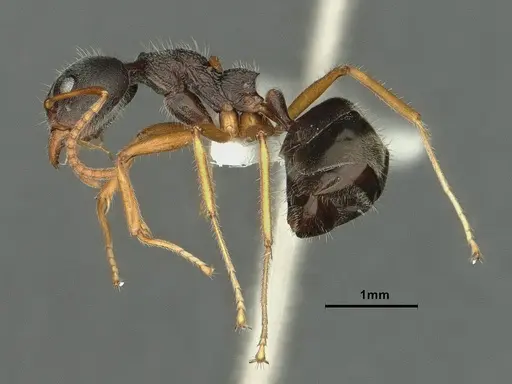
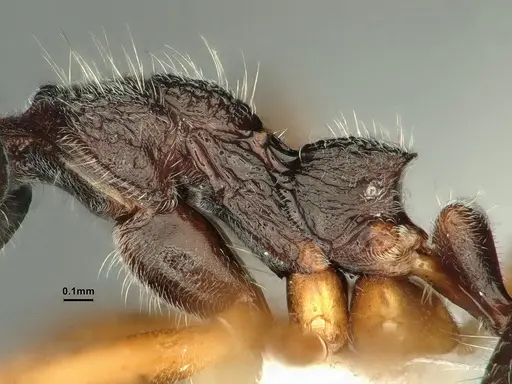
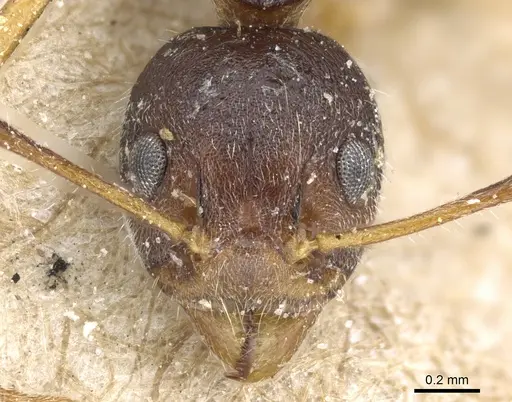
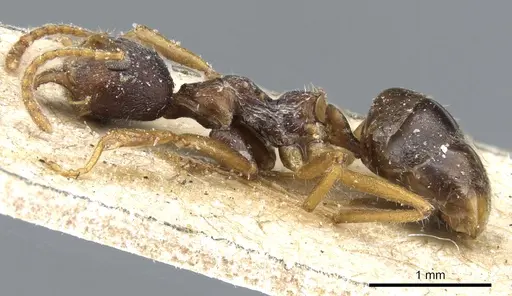
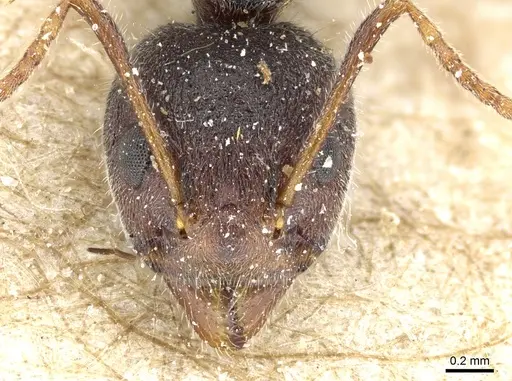
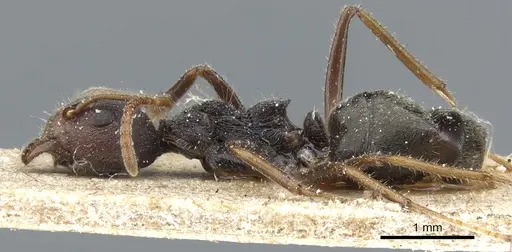
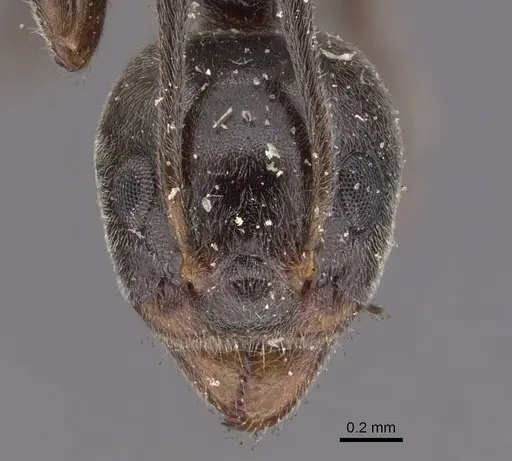
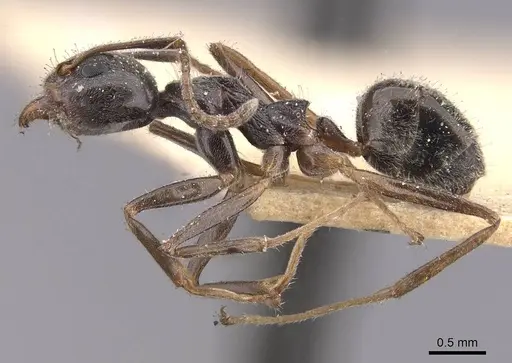
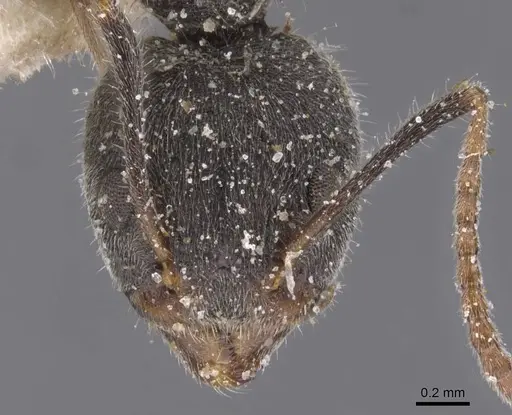
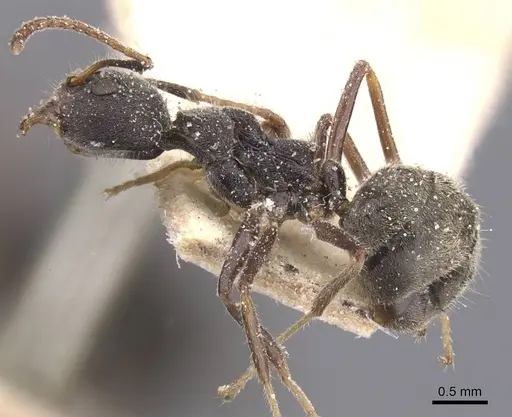
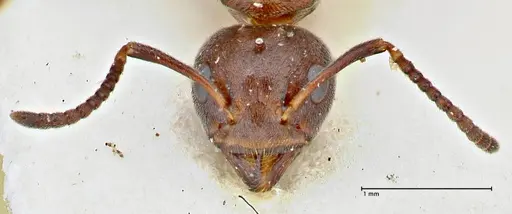
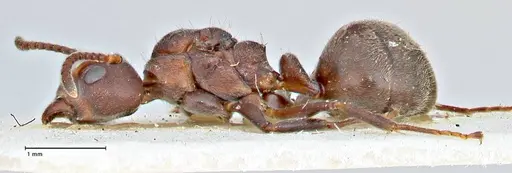
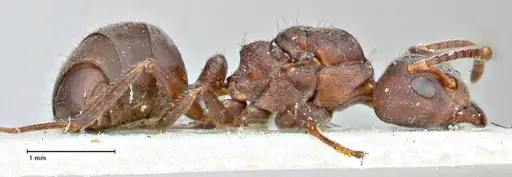
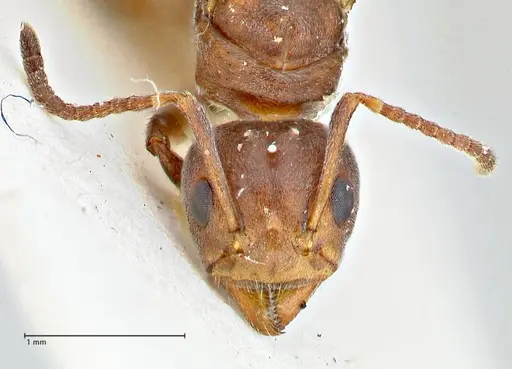
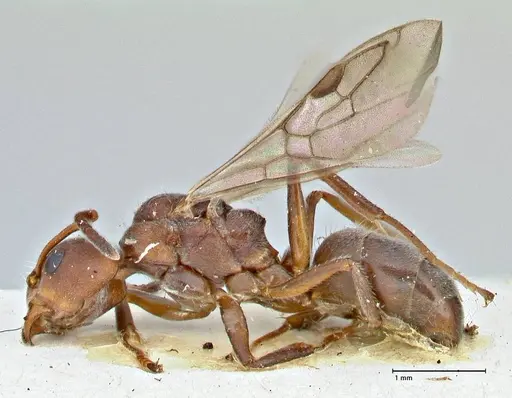
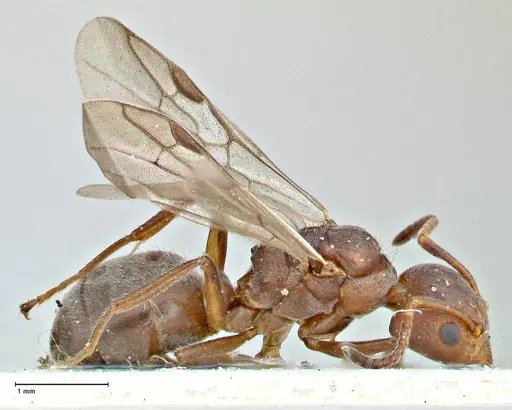
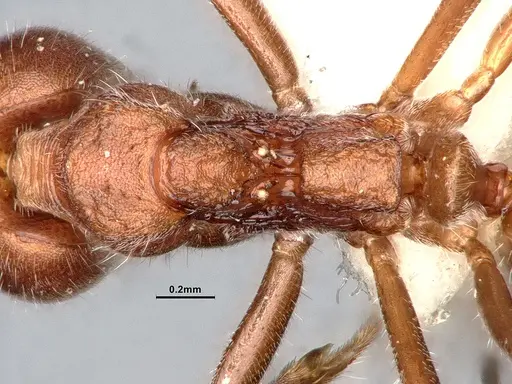
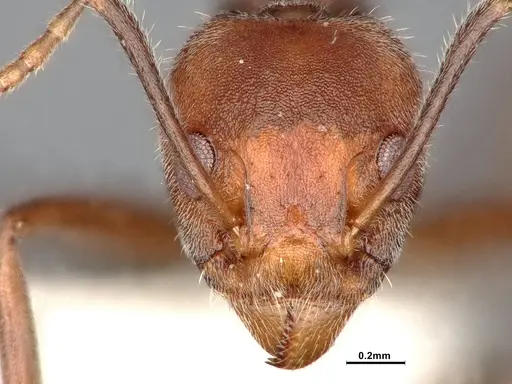
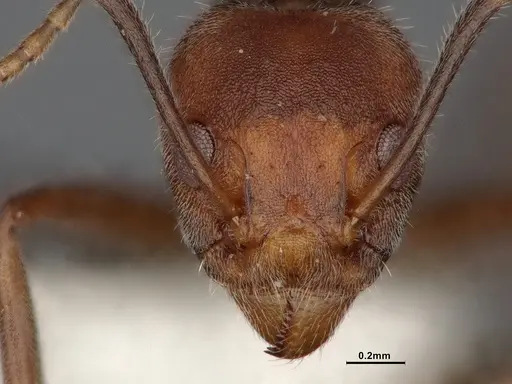
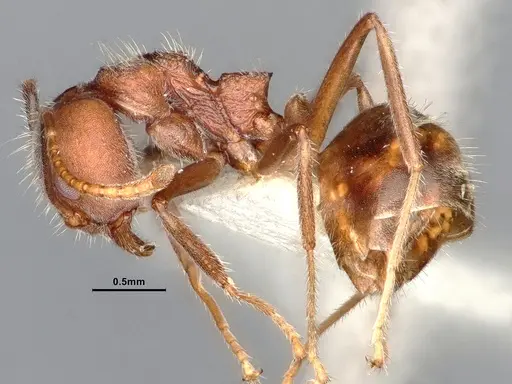
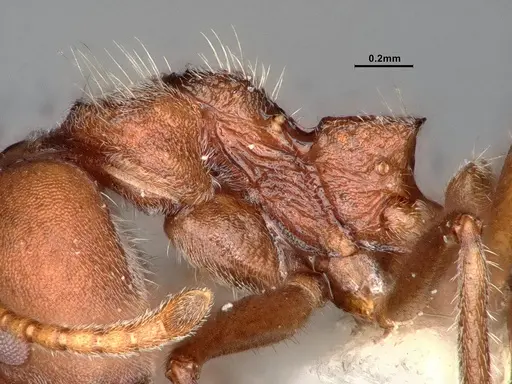
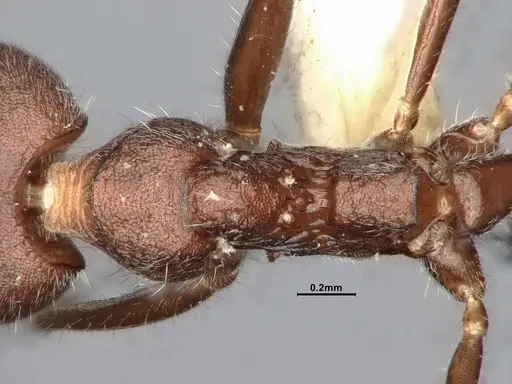
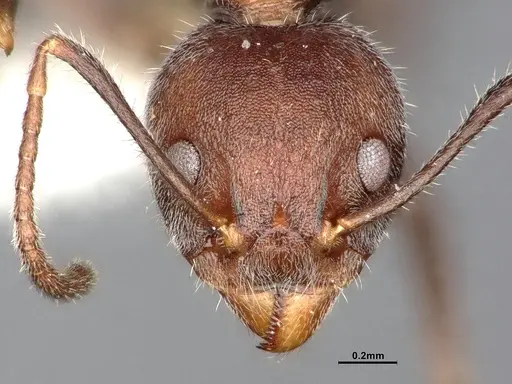
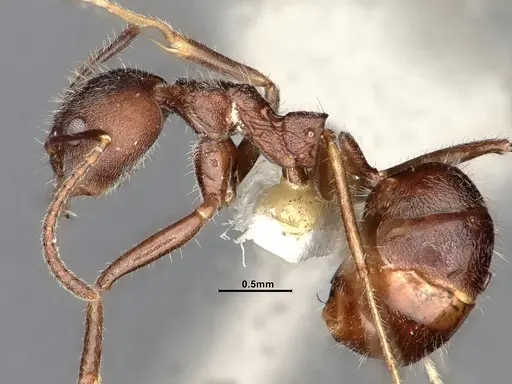
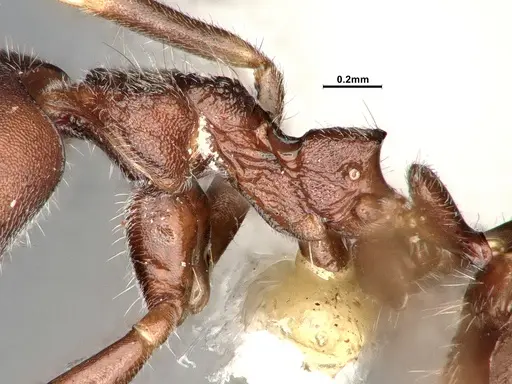
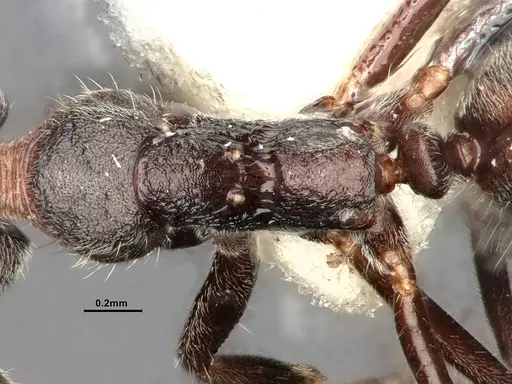
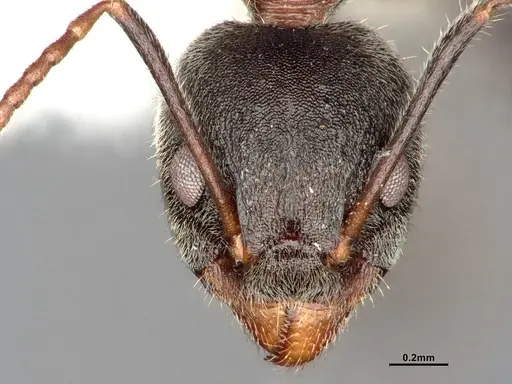
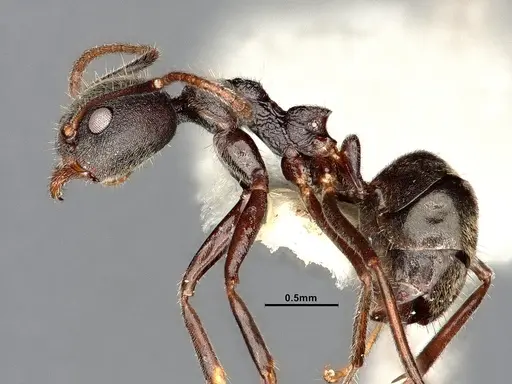
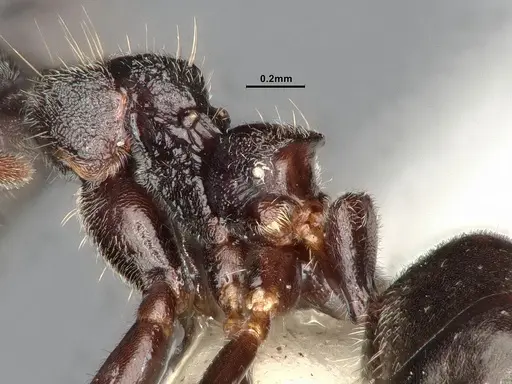
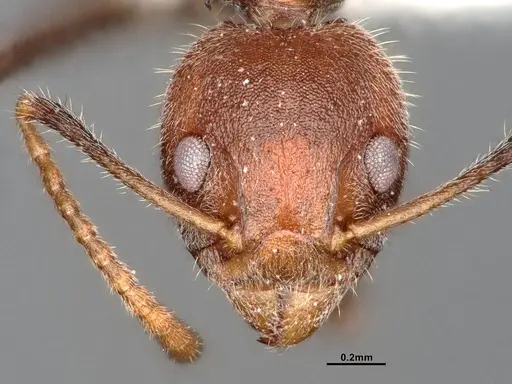
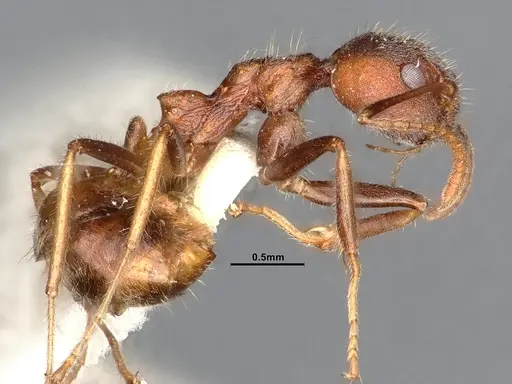
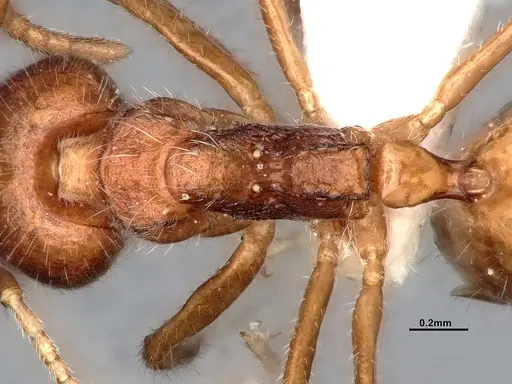
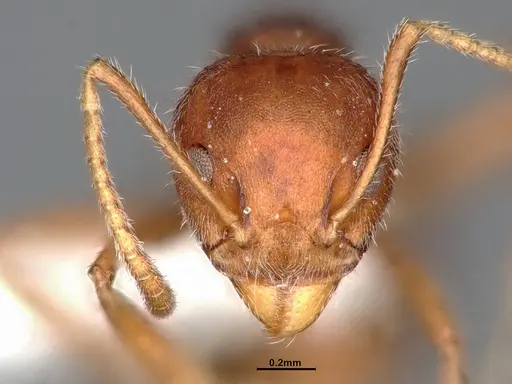
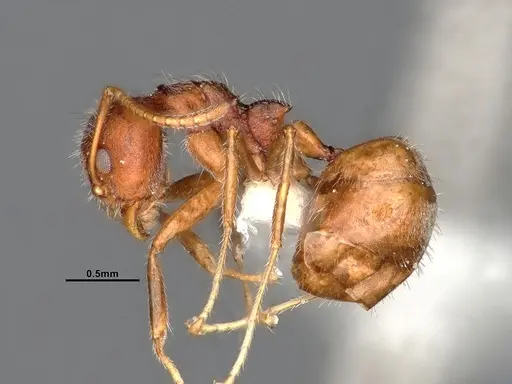
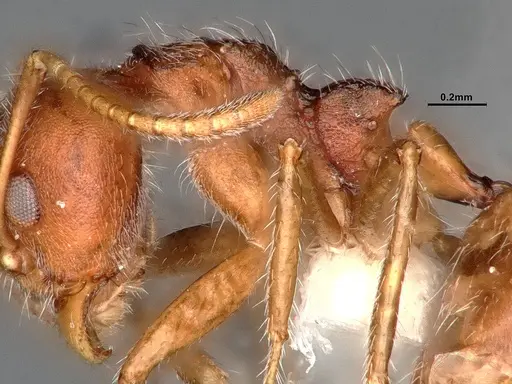
Dolichoderus affinis is a medium-sized dolichoderine ant native to South and Southeast Asia, ranging from India through Myanmar, Thailand, Malaysia, Indonesia, and the Philippines to southern China [1][2]. Workers measure 3.5-4mm with a distinctive reddish-brown to dark brown coloration, lighter on the mandibles, antennae, and legs [3][4]. The head is shining and finely punctate, the thorax is distinctly punctured and sculptured, and the abdomen is smooth and convex [4]. This species is notable for its polygynous colony structure, multiple queens live together in the same nest, and its close relationship with sap-sucking insects like mealybugs, aphids, and membracids, which the ants tend for honeydew [1]. They nest in hollow dead tree branches, bamboo internodes, and under loose bark [5].
Quick Summary
- Difficulty: Medium
- Origin & Habitat: Tropical and subtropical Asia, found across the Indomalaya region (India, Myanmar, Thailand, Malaysia, Indonesia, Philippines, Vietnam, Laos, Nepal, Brunei, Singapore) and into southern China [1][2][6]. Inhabits lowland dipterocarp forests, disturbed habitats, and forest edges. Nests in hollow dead tree branches, bamboo internodes, and under loose bark [1][5].
- Colony Type: Polygynous, multiple queens live together in the same colony [1]. Queens have been observed orienting towards light [5].
- Colony: Polygyne
- Founding: Claustral
- Size & Growth:
- Queen: Unconfirmed, no direct measurements found in available research
- Worker: 3.5-4mm [3][4]
- Colony: Likely several hundred to over 1000 workers based on typical Dolichoderus colony sizes and polygynous structure
- Growth: Moderate, estimated based on tropical Dolichoderus patterns
- Development: 6-10 weeks (estimated based on typical Dolichoderus development at tropical temperatures) (Development time is estimated from related Dolichoderus species, actual timeline may vary)
- Antkeeping:
- Temperature: Keep at 24-28°C, they are a tropical species adapted to warm, humid conditions [7]. Room temperature within this range works well. A slight heat gradient can be provided but is not essential.
- Humidity: High humidity, aim for 70-85%. These ants naturally inhabit damp tropical forests. Keep the nest substrate consistently moist but not waterlogged. Provide a water tube for drinking water.
- Diapause: No, as a tropical species, they do not require hibernation. Activity may slow slightly during cooler months but no formal diapause period is needed.
- Nesting: Prefers naturalistic setups that mimic their natural nesting sites, hollow branches, bamboo, or under loose bark [1][5]. Y-tong (AAC) nests or plaster nests with narrow chambers work well. They do well in formicariums with good humidity retention.
- Behavior: Generally calm and non-aggressive compared to many ant species. They are opportunistic foragers and are most active during post-monsoon and winter seasons in their native range [8]. Workers tend sap-sucking insects (mealybugs, aphids, membracids) for honeydew, this is a key part of their diet [1]. They do not have a painful sting. Escape risk is moderate, use standard barrier methods.
- Common Issues: tropical humidity requirements mean mold can develop if ventilation is poor, balance humidity with adequate airflow, polygynous colonies may have queen competition or aggression during founding, monitor closely if combining queens, honeydew dependence means sugar sources are important, ensure constant access to sugar water or honey, slow colony growth in the first few months can lead to overfeeding by impatient keepers, wild-caught colonies may carry parasites that can devastate captive colonies
Nest Preferences
In the wild, Dolichoderus affinis nests in hollow dead tree branches, bamboo internodes, and underneath loose bark [1][5]. They prefer dark, humid microhabitats within their tropical forest environment. For captive care, Y-tong (AAC) nests or plaster nests work well, both retain humidity while providing dark chambers that mimic their natural nesting sites. Avoid dry, airy setups. The nest should have chambers narrow enough that workers can touch the ceiling, as these ants feel more secure in snug spaces. A water tube connected to a cotton reservoir helps maintain humidity.
Feeding and Diet
This species has a strong trophobiotic relationship with sap-sucking insects, they actively tend mealybugs (pseudococcids), aphids, and membracids for honeydew [1]. In captivity, sugar water or honey should be available at all times, this is their primary energy source. They also accept protein sources like small insects (fruit flies, small mealworms, crickets). Feed protein 2-3 times per week, and keep sugar water constantly available. Unlike some ants, they are not aggressive predators, their foraging is opportunistic and centered around honeydew collection.
Temperature and Care
As a tropical species from South and Southeast Asia, Dolichoderus affinis requires warm temperatures, aim for 24-28°C [7]. Room temperature within this range is usually sufficient. They do not require hibernation or diapause, though activity may slow slightly during cooler periods. High humidity is essential, target 70-85% relative humidity. Keep the nest substrate consistently moist but not flooded. Poor humidity leads to worker mortality and colony decline. These ants are sensitive to temperature drops, so avoid placing the colony near air conditioning vents or cold windows.
Behavior and Temperament
Dolichoderus affinis is a relatively calm, non-aggressive species compared to many ants. Workers are medium-sized at 3.5-4mm and move with a characteristic steady pace [3][4]. They are most active during post-monsoon and winter seasons in their native range [8]. The species is known for its mutualistic relationships with sap-sucking insects, workers will tend and protect mealybugs, aphids, and membracids to harvest honeydew [1]. They do not possess a painful sting. Colonies are polygynous, meaning multiple queens coexist, which can lead to some initial aggression when combining unrelated queens, monitor closely during introductions.
Colony Structure
This is one of the few truly polygynous Dolichoderus species, multiple reproductive queens live together in the same colony [1]. This is different from species where a queen dies and is replaced, here, multiple queens actively reproduce together. Colonies can grow quite large given their polygynous structure. Queens have been observed orienting towards light, which may help them find suitable nesting sites after nuptial flights [5]. The presence of multiple queens means colony founding can be pleometrotic (multiple queens starting a nest together), though this has not been directly documented for this species.
Frequently Asked Questions
How long does it take for Dolichoderus affinis to produce first workers?
Based on typical Dolichoderus development, expect 6-10 weeks from egg to first worker at optimal tropical temperatures (24-28°C). This is an estimate since specific development data for this species is not available.
Can I keep multiple Dolichoderus affinis queens together?
Yes, this species is naturally polygynous, meaning multiple queens live together in the same colony [1]. However, only combine unrelated foundresses if you want to start a colony with multiple queens. Introduced queens may fight initially, so monitor them closely.
What do Dolichoderus affinis ants eat?
They primarily need sugar sources, keep sugar water or honey available at all times. They also accept small protein prey like fruit flies, small mealworms, or crickets 2-3 times per week. Their natural diet centers on honeydew from tended mealybugs, aphids, and membracids [1].
Are Dolichoderus affinis good for beginners?
They are rated as medium difficulty. The main challenges are maintaining high tropical humidity and providing constant sugar sources. They are calmer than many ants, which makes observation easier. However, their humidity requirements mean they need more attention than hardy species like Lasius.
What temperature do Dolichoderus affinis need?
Keep them at 24-28°C, they are adapted to tropical conditions [7]. Room temperature in this range works well. Avoid temperatures below 20°C, as this species is sensitive to cold.
Do Dolichoderus affinis need hibernation?
No, as a tropical species, they do not require hibernation or diapause [7]. They remain active year-round when kept warm. Activity may naturally decrease slightly during cooler months, but no special winter care is needed.
Why are my Dolichoderus affinis dying?
The most common causes are low humidity (below 60%), temperatures below 20°C, or mold from poor ventilation. Check that the nest is humid but not waterlogged, and ensure adequate airflow to prevent mold. Also ensure sugar water is always available, honeydew-dependent species can starve if sugar sources run out.
How big do Dolichoderus affinis colonies get?
Based on their polygynous structure and typical Dolichoderus patterns, colonies likely reach several hundred to over 1000 workers. The multiple-queen system supports faster growth than single-queen colonies.
What nest type is best for Dolichoderus affinis?
Y-tong (AAC) nests or plaster nests work well. They need dark chambers with high humidity, avoid dry setups like acrylic with minimal moisture. Naturalistic setups mimicking their natural hollow branch habitat are ideal [1][5].
References

This caresheet is licensed under CC BY-SA 4.0 .
CASENT0010640
View on AntWeb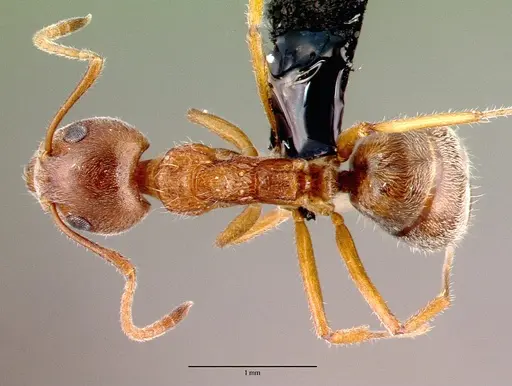
CASENT0249575
View on AntWeb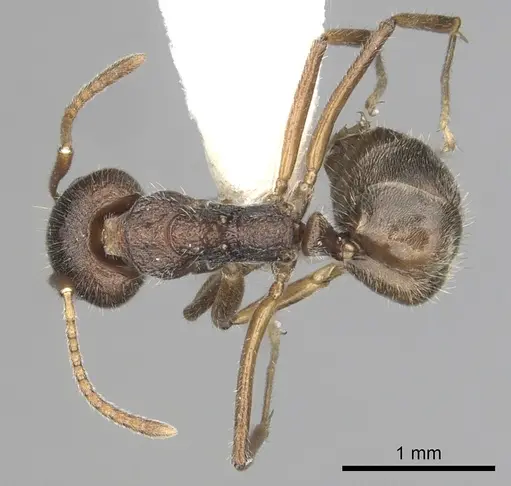
CASENT0866541
View on AntWeb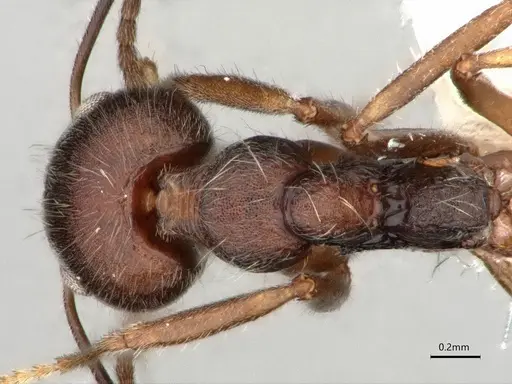
CASENT0886075
View on AntWeb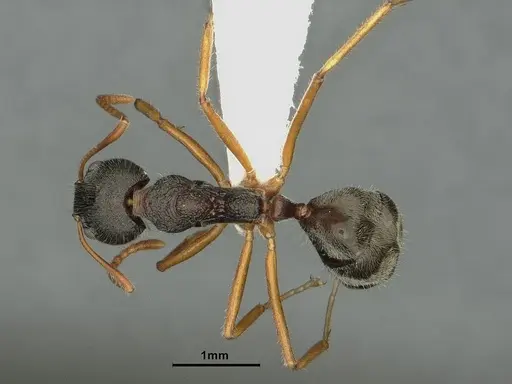
CASENT0905017
View on AntWeb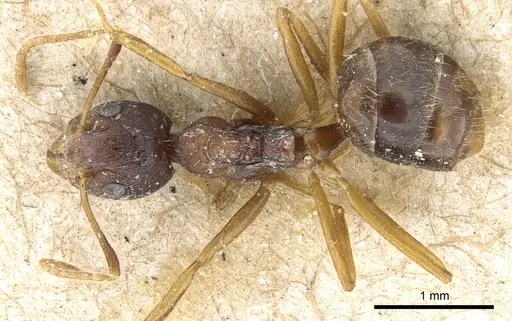
CASENT0905018
View on AntWeb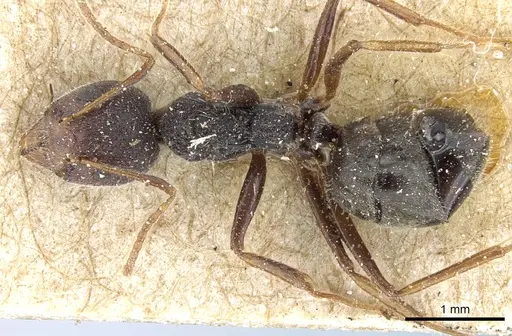
CASENT0909479
View on AntWeb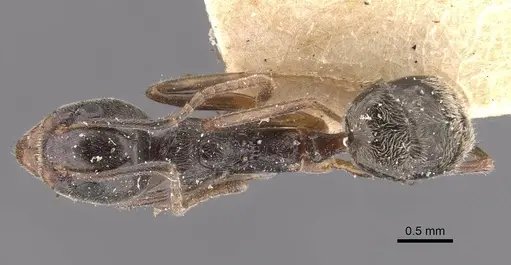
CASENT0911502
View on AntWeb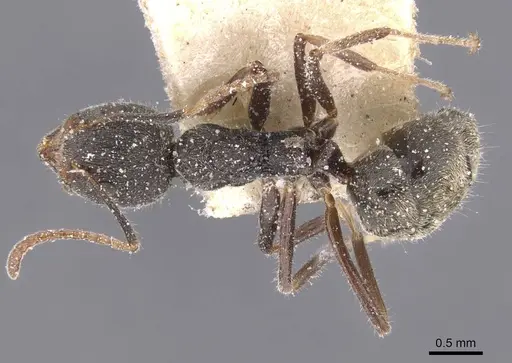
FOCOL2780
View on AntWeb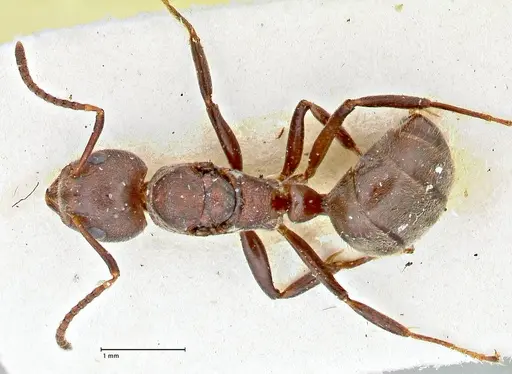
FOCOL2781
View on AntWeb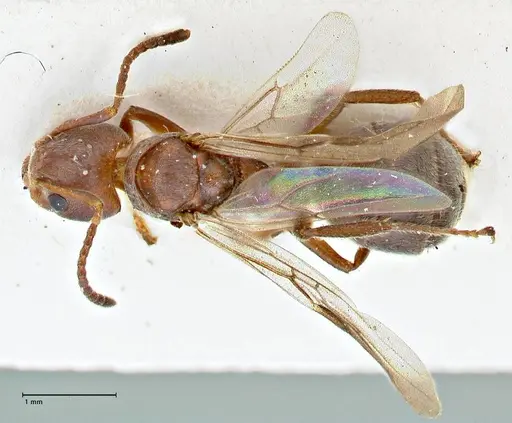
SMFHYM0008909
View on AntWeb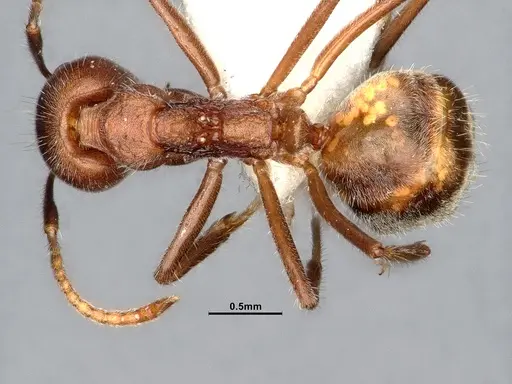
SMFHYM0008910
View on AntWeb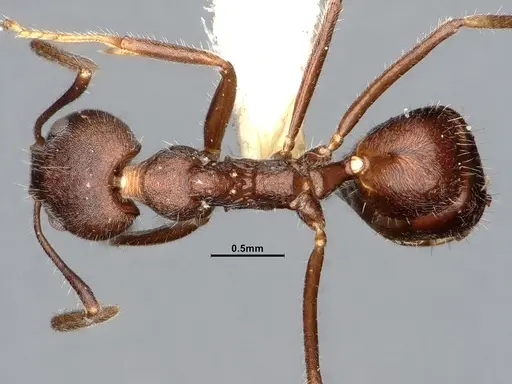
SMFHYM0008912
View on AntWeb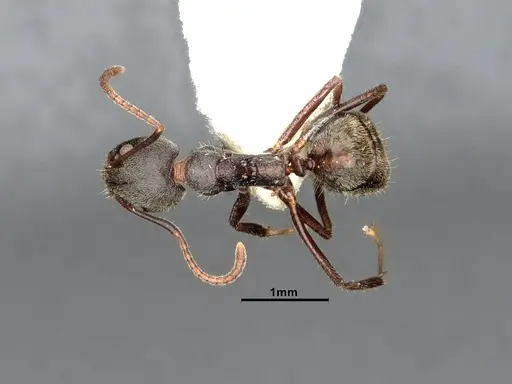
SMFHYM0008913
View on AntWeb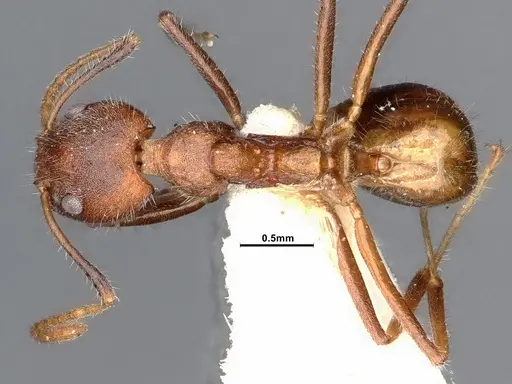
SMFHYM0008938
View on AntWeb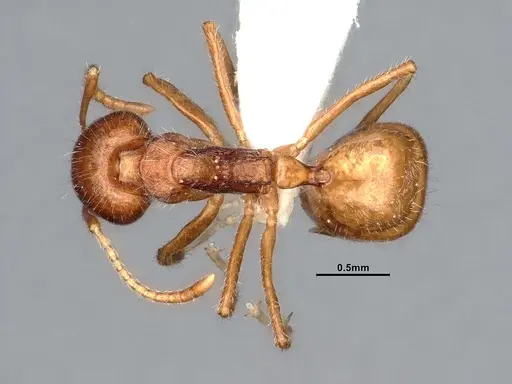
Literature
Loading...Loading products...