

Dolichoderus abruptus
- Scientific Name
- Dolichoderus abruptus
- Tribe
- Dolichoderini
- Subfamily
- Dolichoderinae
- Author
- Smith, 1858
- Distribution
- Found in 5 countries
Dolichoderus abruptus Overview
Dolichoderus abruptus is an ant species of the genus Dolichoderus. It is primarily documented in 5 countries , including Brazil, Colombia, Ecuador. Detailed taxonomic data and occurrence records can be further explored via authoritative databases such as AntWeb or the Global Biodiversity Information Facility (GBIF).
Dolichoderus abruptus
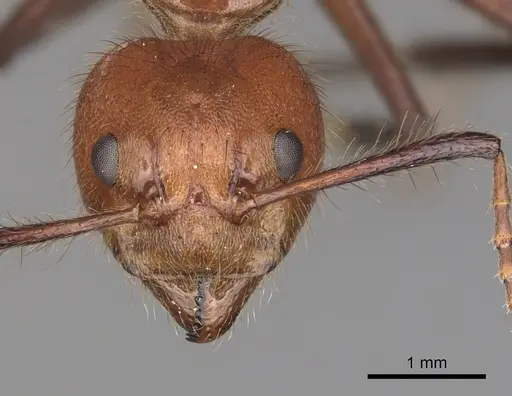
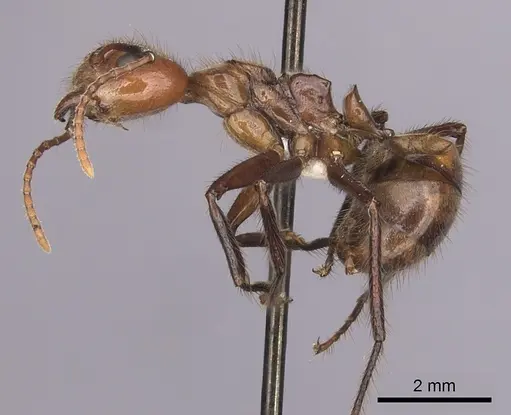
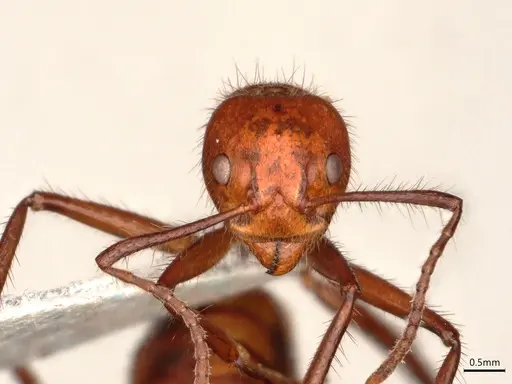
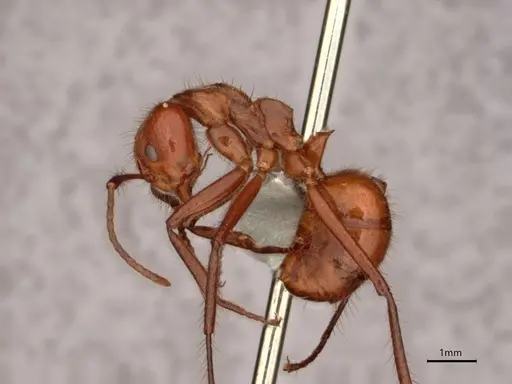
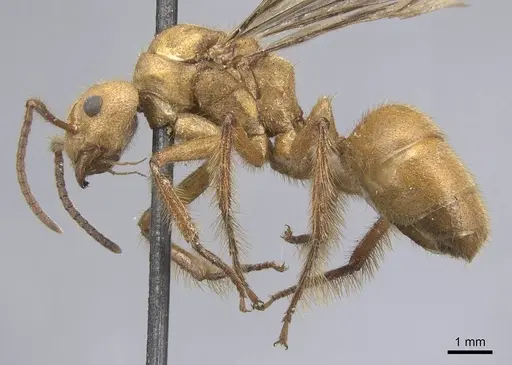
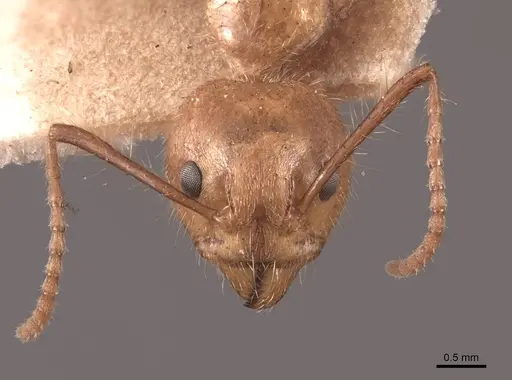
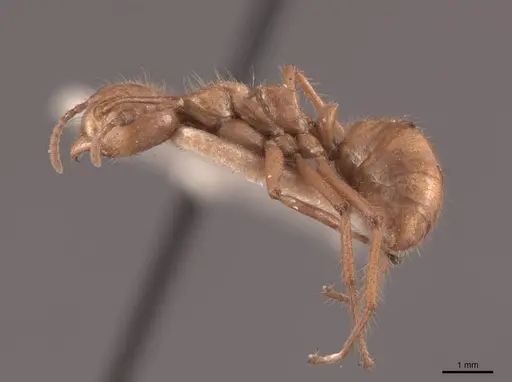
Dolichoderus abruptus is a medium-sized ant species native to the northern South American tropics. Workers measure approximately 6mm and have a distinctive appearance with a smooth, shiny gaster (abdomen), two well-developed teeth on the petiole, and numerous erect hairs across the body. They are dark brown to black in color with the characteristic Dolichoderine feature of no stinger, instead, they defend themselves using chemical secretions from their anal gland. This species is found across the Amazon region of Bolivia, Brazil, Colombia, Ecuador, French Guiana, and Peru, where they typically nest in rotting wood in humid forest environments [1][2][3].
Quick Summary
- Difficulty: Medium
- Origin & Habitat: Amazon rainforest region of northern South America, found in Bolivia, Brazil, Colombia, Ecuador, French Guiana, and Peru. They inhabit humid tropical forests, typically nesting in rotting wood or under bark in lowland Amazon areas [3][4].
- Colony Type: Likely single-queen colonies (monogyne) based on typical Dolichoderus genus patterns, though colony structure has not been directly studied for this specific species.
- Colony: Monogyne
- Founding: Claustral
- Size & Growth:
- Queen: Unconfirmed, estimated 8-10mm based on genus patterns
- Worker: Approximately 6mm (3 lines) [1]
- Colony: Unknown, likely moderate colonies of several hundred workers based on genus patterns
- Growth: Moderate, estimated based on tropical Dolichoderus species
- Development: Estimated 6-8 weeks at tropical temperatures (26-28°C) based on related Dolichoderus species (Development timeline is inferred from genus patterns, direct observations for this species are unavailable)
- Antkeeping:
- Temperature: Keep at 24-28°C. These are tropical ants from the Amazon, so they need warm, stable temperatures. A heating cable on one side of the nest creates a gradient for them to regulate.
- Humidity: High humidity required, aim for 70-85%. Keep the nest substrate consistently moist but not waterlogged. These ants come from humid rainforest environments, so drying out is a serious risk.
- Diapause: No, as a tropical species, they do not require hibernation. However, they may slow down slightly during cooler periods.
- Nesting: Best kept in a naturalistic setup with rotting wood pieces or a Y-tong/plaster nest with moisture. They prefer dark, humid nesting chambers. Avoid dry environments entirely.
- Behavior: Dolichoderus ants are generally not aggressive but will use chemical defense when threatened. They are active foragers that tend honeydew-producing insects and hunt small prey. Workers are moderate in size but can be quick-moving. They are not known to be escape artists compared to very small species, but standard barrier precautions are still recommended. They are primarily arboreal and forage in the upper levels of the forest.
- Common Issues: tropical humidity requirements mean dry environments will kill colonies quickly, wild-caught colonies may harbor parasites that can devastate captive populations, slow founding means colonies are vulnerable during the claustral period, temperature drops below 20°C can stress or kill colonies, lack of documented captive care means keepers must rely on genus-level inferences
Natural History and Distribution
Dolichoderus abruptus is distributed across the Amazon basin in northern South America. Specimens have been recorded from Bolivia, Brazil, Colombia, Ecuador, French Guiana, and Peru. In Colombia, they are found in the Amazonian departments of Amazonas, Caquetá, and Meta, typically at low elevations in humid tropical forest [4][3]. The original description was from Brazil by Frederick Smith in 1858,where the species was first collected [1]. They are part of the Dolichoderinae subfamily, which is characterized by ants that lack a functional stinger and instead use chemical defenses.
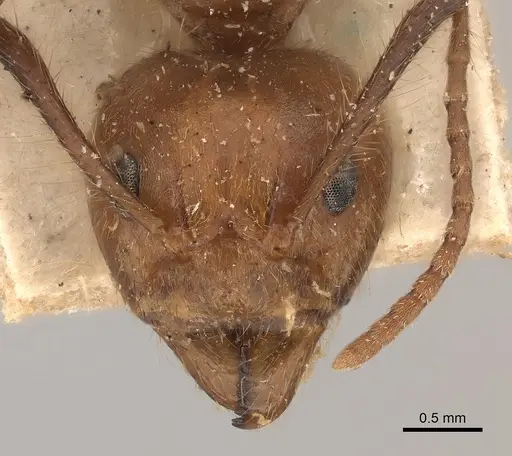
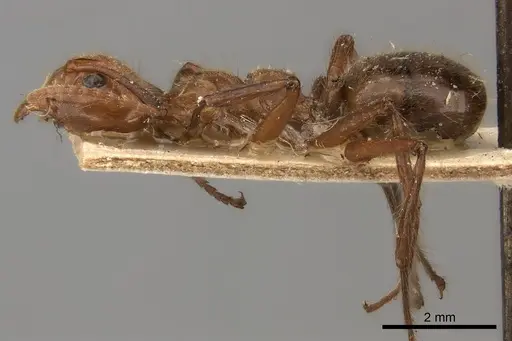
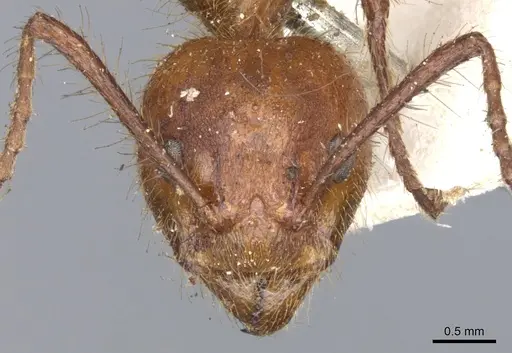
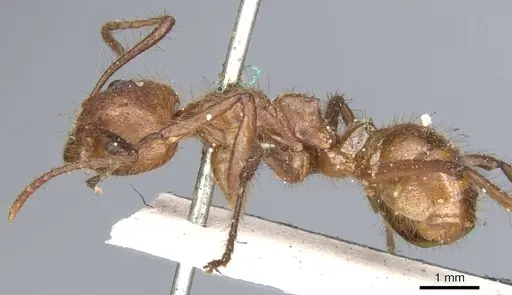
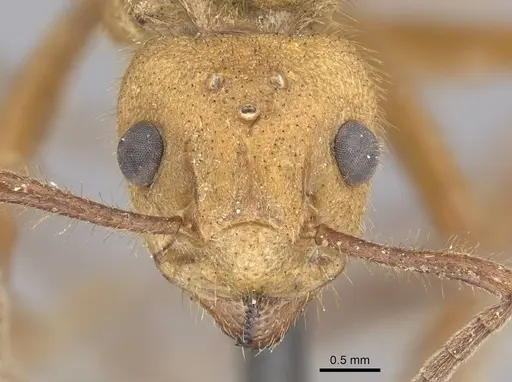
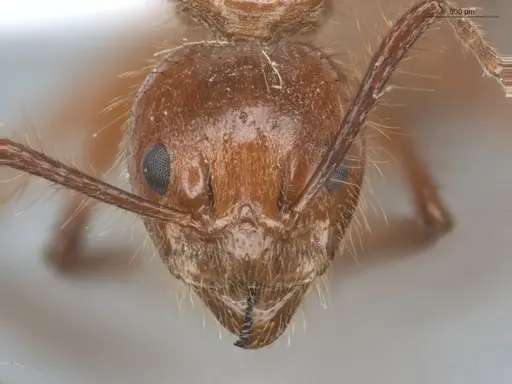
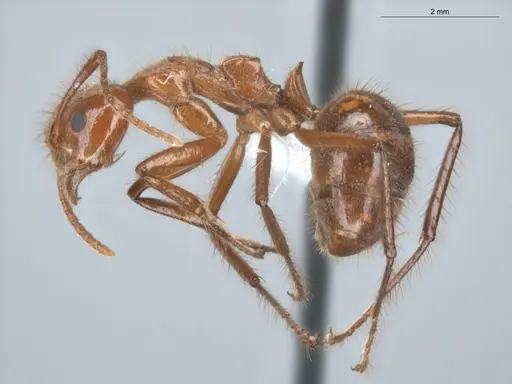
Workers of this species are approximately 6mm long with distinctive morphological features including a cordate (heart-shaped) head, two well-developed teeth on the petiole, numerous erect hairs on the body, and a smooth, shiny gaster that differentiates them from related species like D. ferrugineus which has a weakly punctate gaster [2].
Housing and Nest Preferences
In captivity, Dolichoderus abruptus should be provided with a humid nesting environment that mimics their natural habitat in rotting wood within humid forests. A Y-tong (acrylic) nest or plaster nest with moisture chambers works well. The nest should be kept dark as these ants prefer dark, enclosed spaces. Include some rotting wood pieces or bark in a naturalistic setup to provide natural nesting material.
The outworld should be simple but functional, a plastic container with barrier tape (fluon) on the inner walls works to prevent escapes. Since workers are around 6mm, they are not extremely small escape artists, but standard precautions are still important. Provide a shallow water dish and ensure the entire setup maintains high humidity (70-85%). Avoid any ventilation that creates dry airflow.
Feeding and Diet
Like other Dolichoderus species, D. abruptus likely has an omnivorous diet typical of forest-dwelling ants. They probably tend honeydew-producing insects (aphids, scale insects, mealybugs) in addition to hunting small insects and arthropods. In captivity, offer a varied diet including sugar water or honey as an energy source, and protein sources like small crickets, mealworms, or other small insects.
Feed protein 2-3 times per week and keep a constant sugar source available. Remove uneaten prey after 24-48 hours to prevent mold. Since this species comes from humid tropical forests, ensure food is not placed in dry areas of the outworld.
Temperature and Seasonal Care
As a tropical Amazon species, Dolichoderus abruptus requires warm temperatures between 24-28°C. They do not tolerate cool temperatures well, avoid anything below 20°C. Use a heating cable on one side of the nest to create a temperature gradient, but ensure the ants can move away from heat if needed. Room temperature in most homes may be too cool, so supplemental heating is often necessary.
These ants do not require hibernation or diapause. They are active year-round in their natural tropical habitat. In captivity, maintain consistent warm temperatures throughout the year. A slight reduction in activity during cooler months may occur naturally, but this is not a true diapause.
Colony Founding and Development
Based on typical Dolichoderus genus patterns, the queen likely establishes colonies through claustral founding, she seals herself in a small chamber and lives off stored fat reserves while raising her first brood. The founding chamber should be kept humid and dark. First workers (nanitics) will be smaller than mature workers but will gradually be replaced by normal-sized workers as the colony grows.
Development from egg to worker likely takes 6-8 weeks at optimal tropical temperatures (26-28°C). Growth rate is moderate, colonies will expand gradually over several months to years. The claustral period is the most vulnerable stage, so minimize disturbances during founding.
Behavior and Defense
Dolichoderus ants do not possess a functional stinger. Instead, they defend themselves using chemical secretions from their anal gland, which produces formic acid and other compounds with a strong, unpleasant odor. When threatened, they may raise their abdomen in a warning posture and release these chemicals. They are not particularly aggressive toward keepers but will defend their nest if disturbed.
Workers are active foragers, likely hunting small arthropods and tending honeydew-producing insects in the wild. They probably use chemical trails to recruit nestmates to food sources, similar to other Dolichoderine ants.
Frequently Asked Questions
How long does it take for Dolichoderus abruptus to have first workers?
Based on typical Dolichoderus development, expect first workers (nanitics) in approximately 6-8 weeks at optimal temperatures of 26-28°C. This is an estimate based on genus patterns, as specific development data for this species is not available.
What temperature do Dolichoderus abruptus ants need?
Keep them at 24-28°C. These are tropical Amazon ants that need warm conditions. Temperatures below 20°C can stress or kill the colony. Use a heating cable on part of the nest if your room temperature is below this range.
What do Dolichoderus abruptus eat?
They are omnivorous. Offer sugar water or honey as an energy source constantly, and protein sources like small insects (crickets, mealworms) 2-3 times per week. They likely also accept honeydew in captivity if you keep aphids.
Are Dolichoderus abruptus good for beginners?
This species is rated as Medium difficulty. While not the hardest species, they have specific humidity and temperature requirements that must be met. Their tropical nature means they are less forgiving of cool or dry conditions than temperate species.
How big do Dolichoderus abruptus colonies get?
Colony size is not documented for this specific species. Based on typical Dolichoderus patterns, colonies likely reach several hundred workers over several years. They are not among the largest ant species.
Do Dolichoderus abruptus need hibernation?
No. As a tropical species from the Amazon basin, they do not require hibernation or diapause. Maintain warm temperatures year-round. They may show slightly reduced activity during cooler periods but this is not true hibernation.
What humidity level do Dolichoderus abruptus need?
High humidity, aim for 70-85%. These ants come from humid rainforest environments and will not tolerate dry conditions. Keep the nest substrate consistently moist but not waterlogged. Drying out is a serious risk.
Can I keep multiple Dolichoderus abruptus queens together?
This has not been studied for this species. Based on typical Dolichoderus patterns, they likely form single-queen colonies (monogyne). Combining unrelated foundress queens is not recommended as they would likely fight.
What type of nest is best for Dolichoderus abruptus?
A Y-tong (acrylic) nest or plaster nest with moisture chambers works well. They prefer dark, humid nesting chambers. A naturalistic setup with rotting wood pieces can also work. Avoid dry nests entirely.
References

This caresheet is licensed under CC BY-SA 4.0 .
CASENT0217391
View on AntWeb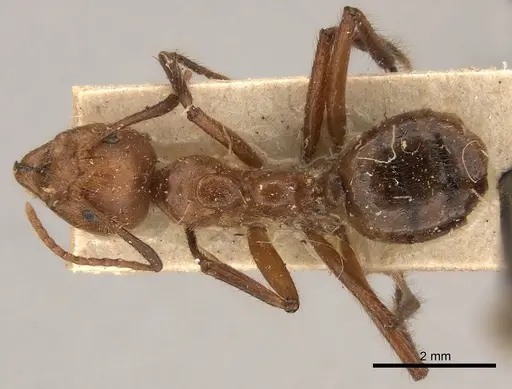
CASENT0249581
View on AntWeb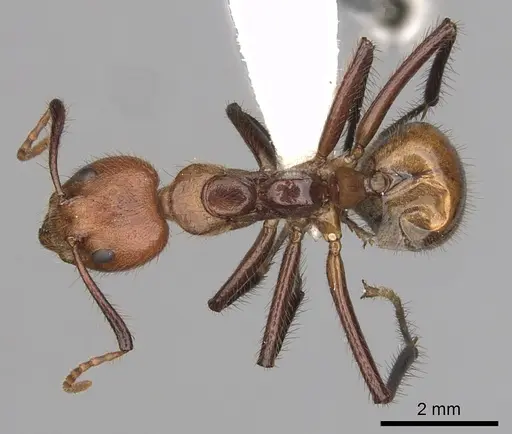
CASENT0866517
View on AntWeb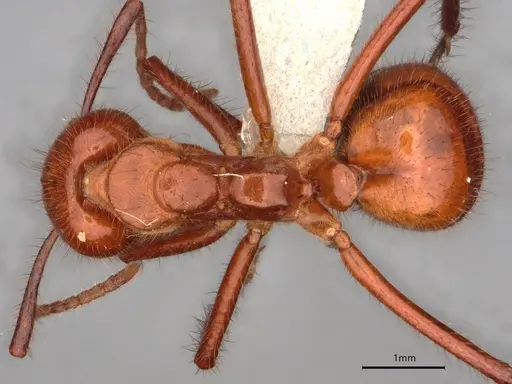
CASENT0902944
View on AntWeb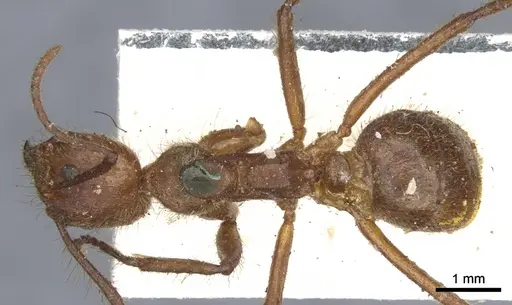
CASENT0915562
View on AntWeb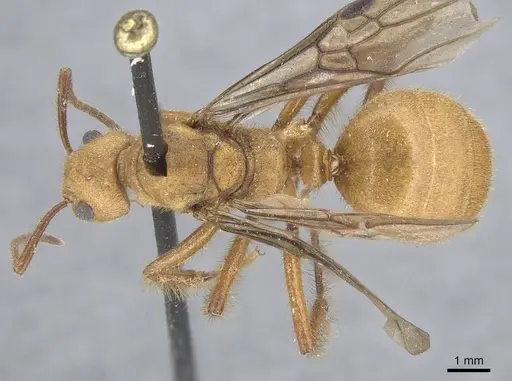
ECOFOG-BUG-0212-06
View on AntWeb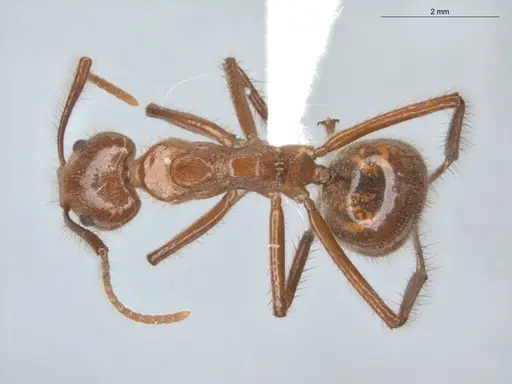
FMNHINS0000045048
View on AntWeb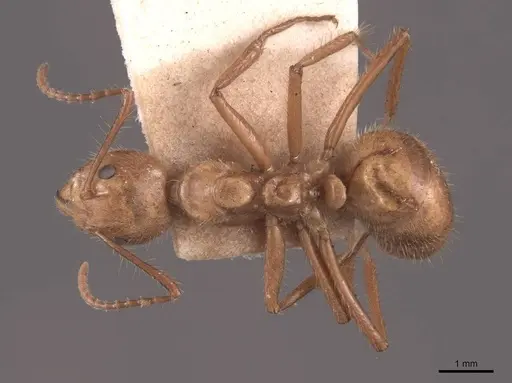
Literature
Loading...Loading products...