

Doleromyrma darwiniana
- Scientific Name
- Doleromyrma darwiniana
- Tribe
- Leptomyrmecini
- Subfamily
- Dolichoderinae
- Author
- Forel, 1907
- Common Name
- Darwin's Ant
- Distribution
- Found in 2 countries
Doleromyrma darwiniana Overview
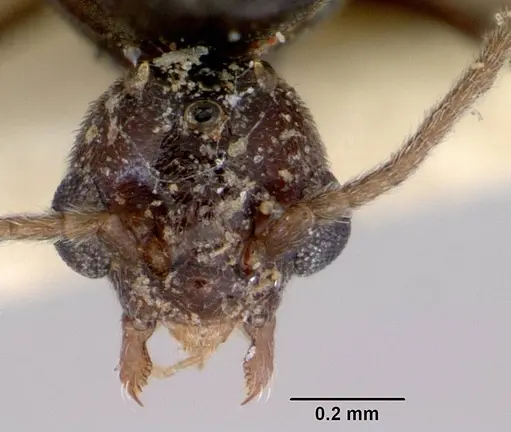
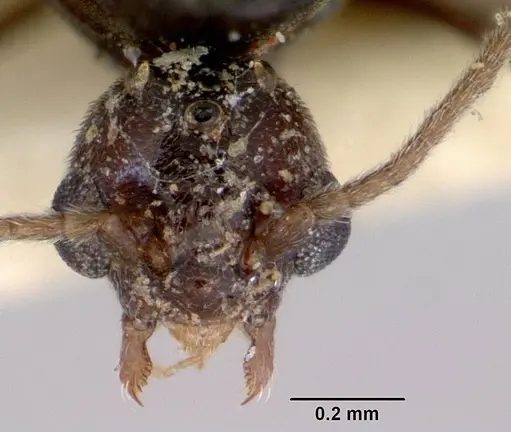
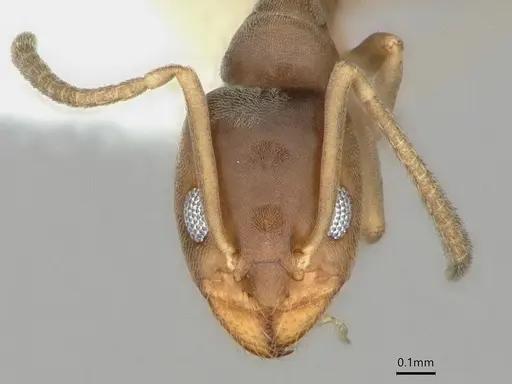
Doleromyrma darwiniana (commonly known as the Darwin's Ant) is an ant species of the genus Doleromyrma. It is primarily documented in 2 countries , including Australia, New Zealand. Detailed taxonomic data and occurrence records can be further explored via authoritative databases such as AntWeb or the Global Biodiversity Information Facility (GBIF).
Doleromyrma darwiniana - "Darwin's Ant"
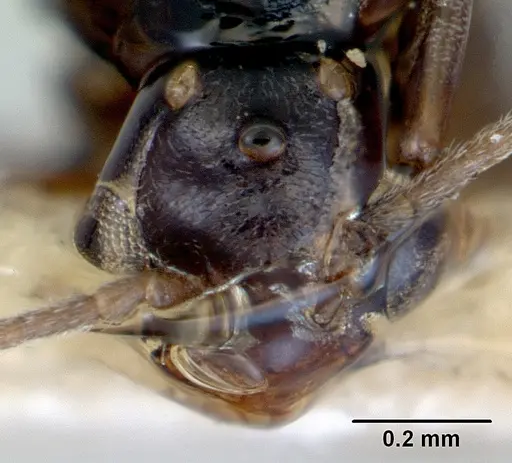
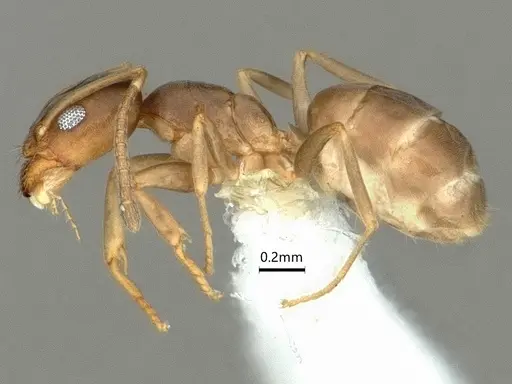
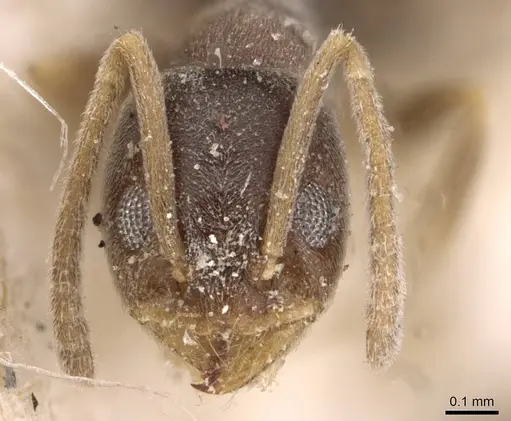
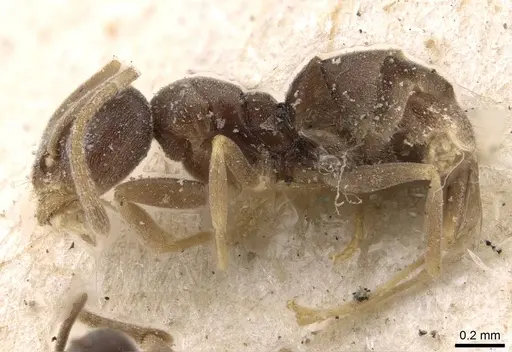
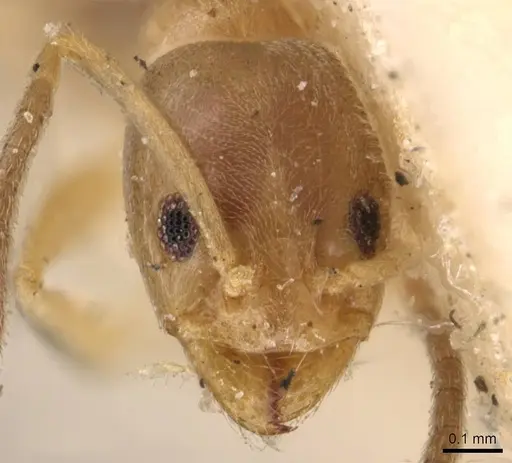
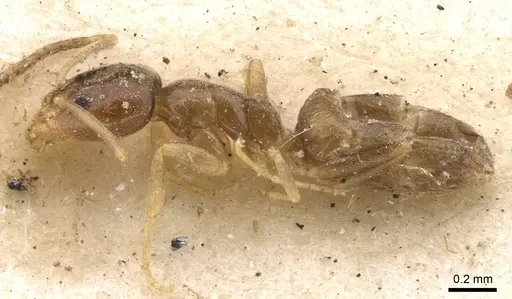
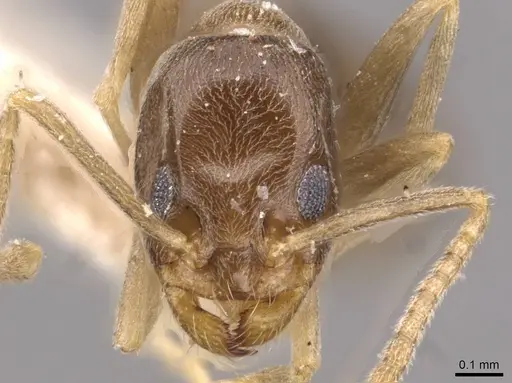
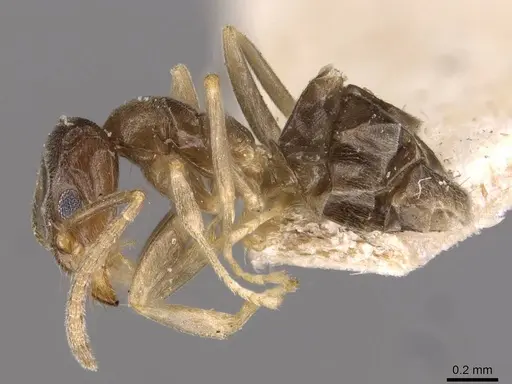
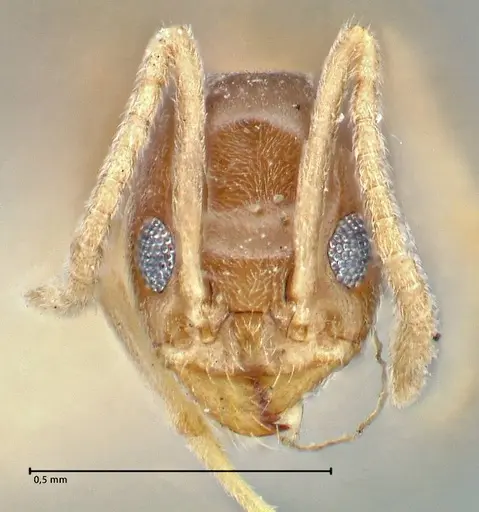
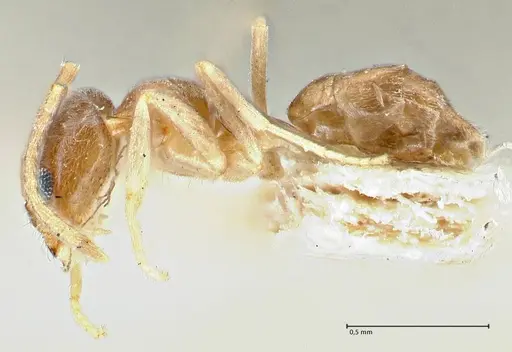
Darwin's ant is a small to medium-sized Dolichoderinae ant native to Australia that has become a significant invasive species in New Zealand. Workers are around 2.5-3mm with a dark brown to black coloration and the characteristic smooth, rounded gaster typical of dolichoderine ants. When crushed, they produce a distinctive foul odor as a defense mechanism. This species belongs to the tribe Leptomyrmecini and is part of an Australian radiation of ants [1][2]. In its native Australia, Darwin's ant forms small colonies of a few hundred workers and is considered a minor household pest. However, in New Zealand where it was introduced in 1959,the species forms extremely large colonies and has become a major pest, entering houses in large numbers to forage for sweet foods and attaining densities that displace native invertebrates [3][4].
Quick Summary
- Difficulty: Easy
- Origin & Habitat: Native to Australia, introduced to New Zealand where it is now widespread in northern and eastern parts of the North Island and northern South Island [3]. Found in urban gardens, buildings, and areas with vegetation [5].
- Colony Type: Colony structure is not directly documented in scientific literature. Based on typical Dolichoderinae patterns, likely forms single-queen colonies. Shows significant plasticity, small colonies in native Australia versus extremely large colonies in invasive New Zealand populations [3].
- Colony: Monogyne
- Founding: Claustral
- Size & Growth:
- Queen: Approximately 5-6mm (estimated based on genus typical size)
- Worker: 2.5-3mm [4]
- Colony: A few hundred workers in native Australia, extremely large colonies in invasive New Zealand populations [3]
- Growth: Moderate to fast, colonies can expand significantly once established
- Development: 6-8 weeks (estimated based on typical Dolichoderinae development) (Development time estimated from related Dolichoderinae species. Warmer temperatures within their preferred range will accelerate development.)
- Antkeeping:
- Temperature: Keep at 20-26°C. Based on their New Zealand distribution spanning from Auckland to Christchurch, they tolerate a range of temperatures but prefer warmer conditions. A heating cable on one side of the nest creates a gradient for them to choose [6].
- Humidity: Moderate humidity around 50-70%. They are adaptable and found in both urban and natural areas. Keep the nest substrate slightly moist but allow some drying areas [6].
- Diapause: Unknown, New Zealand populations remain active year-round in milder regions but may have reduced activity in winter. No specific diapause requirements documented.
- Nesting: In nature they nest in soil, under stones, and in wall cavities of buildings. For captivity, a standard test tube setup works well for founding colonies. As colonies grow, they can be moved to a Y-tong or plaster nest. They adapt well to various nest types.
- Behavior: Darwin's ants are opportunistic foragers that readily exploit sweet foods and protein sources. They are not aggressive and cannot sting, but will spray formic acid as a defense when threatened. Workers forage in large numbers and can become a nuisance in homes. They tend honeydew-producing insects and will scavenge for protein. Colonies have limited natural dispersal of only a few hundred meters per year, with spread primarily mediated by human activity [6]. Their small size means escape prevention is important, use fine mesh and tight-fitting lids.
- Common Issues: colonies can grow extremely large in captivity, monitor and provide adequate space, escape prevention is important due to small worker size, foul odor when crushed, normal defense mechanism, not a sign of illness, may attract to sweet foods in the outworld, keep sugar sources limited to prevent overpopulation, wild-caught colonies in New Zealand may carry parasites given their invasive pest status
Housing and Nest Setup
Darwin's ants are adaptable and will do well in most standard ant housing setups. For founding colonies, a simple test tube setup with a water reservoir works perfectly. The queen will seal herself in a chamber and raise her first brood alone. Once the colony reaches 20-30 workers, you can consider moving them to a formicarium. A Y-tong (acrylic) nest or plaster nest works well for this species. They don't require special humidity chambers but appreciate a moisture gradient. The outworld should have a reliable barrier, these small ants can squeeze through tiny gaps. Fluon on the rim of the outworld prevents escapes effectively. [4]
Feeding and Diet
Darwin's ants are opportunistic omnivores with a strong preference for sweet foods. They readily accept sugar water, honey, or diluted syrup. They also need protein sources, small insects like fruit flies, pinhead crickets, or mealworms are ideal. In their invasive New Zealand range, they are known to enter houses in large numbers foraging for sweet foods like sugar, fruit, and spilled drinks [3][4]. They will also tend honeydew-producing insects if available. Feed them a drop of sugar water every 2-3 days and protein prey once or twice weekly. Remove uneaten prey after 24 hours to prevent mold.
Temperature and Seasonal Care
Keep your colony at 20-26°C for optimal development. Based on their successful establishment across New Zealand from Auckland to Christchurch, they tolerate a range of conditions. A heating cable on one side of the nest creates a temperature gradient that lets the ants choose their preferred spot. In warmer months (summer), room temperature is usually sufficient. In winter, you may need to provide gentle heating if your room temperature drops below 18°C. No specific diapause is required, but you may notice reduced activity in cooler months. [6]
Behavior and Temperament
Darwin's ants are relatively docile and won't bite or sting humans. Their primary defense is producing a foul-smelling odor when crushed, this is normal behavior and not a sign your colony is unhealthy. Workers are active foragers and will readily explore their outworld in search of food. They are not aggressive toward humans but will defend their nest if threatened. Colonies can grow quite large, so ensure you have adequate space as the colony expands. Their small size (2.5-3mm) means they are excellent climbers and can scale smooth surfaces, so escape prevention is essential. [3][4]
Growth and Development
Colony growth follows typical Dolichoderinae patterns. The claustral queen seals herself in a chamber and raises the first brood on stored fat reserves. The first workers (nanitics) are typically smaller than mature workers. Once the first workers emerge, the queen resumes egg-laying and the colony enters a growth phase. In their native Australia, colonies reach a few hundred workers. However, in New Zealand's invasive range, they form extremely large colonies, this plasticity suggests they can thrive in captivity if fed well. Expect 6-8 weeks from egg to first worker at optimal temperature. [3]
Legal and Ethical Considerations
IMPORTANT: This species is invasive in New Zealand and should NEVER be released there. It is also listed as a potentially invasive species for New Caledonia [7]. If you keep this species, ensure secure containment at all times. Do not dump unused colonies or queens outside. In Australia (native range), there are no special restrictions. Always check your local regulations before acquiring this species, in some regions, keeping invasive ants may be regulated or prohibited.
Frequently Asked Questions
Can I keep Doleromyrma darwiniana in a test tube?
Yes, test tubes work perfectly for founding colonies. The queen will seal herself in and raise her first brood alone. Once the colony reaches 20-30 workers, consider moving to a larger formicarium.
How long until first workers appear?
Expect first workers (nanitics) to emerge in about 6-8 weeks at optimal temperature (20-26°C). This is typical for Dolichoderinae species.
What do Doleromyrma darwiniana eat?
They are omnivores with a sweet tooth. Offer sugar water, honey, or diluted syrup as a constant carbohydrate source. For protein, feed small insects like fruit flies, pinhead crickets, or mealworms. They will also scavenge on dead insects.
Are Darwin's ants good for beginners?
Yes, they are considered easy to keep. They are adaptable, don't require special humidity or temperature control, and are not aggressive. The main challenges are escape prevention due to their small size and managing colony growth.
How big do colonies get?
In their native Australia, colonies reach a few hundred workers. In captivity with good feeding, they can grow to several thousand workers. Be prepared to upgrade to larger nests as the colony expands.
Can I keep multiple queens together?
Not recommended. There is no documented evidence of pleometrosis (multiple queens founding together) for this species. Combining unrelated queens typically leads to fighting. Stick to single-queen colonies.
Do they need hibernation?
No specific diapause is documented. In New Zealand's milder climate, they remain active year-round. In captivity, they can be kept at room temperature throughout the year with slightly reduced activity in winter.
Why do they smell bad?
This is their natural defense mechanism. When crushed or threatened, they release a foul-smelling chemical. This is normal behavior and not a sign of illness or poor care.
What temperature should I keep them at?
Aim for 20-26°C. A heating cable on one side of the nest creates a gradient. They are adaptable and can tolerate temperatures outside this range, but growth is optimal within it.
When should I move them to a formicarium?
Move from test tube to formicarium once the colony reaches 20-30 workers. They will need more space for foraging and brood development. A Y-tong or plaster nest works well for this species.
References

This caresheet is licensed under CC BY-SA 4.0 .
CASENT0009947
View on AntWeb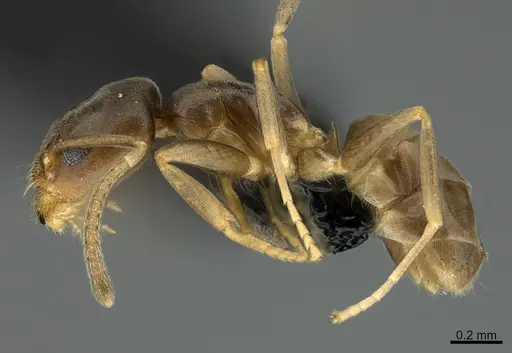
CASENT0009949
View on AntWeb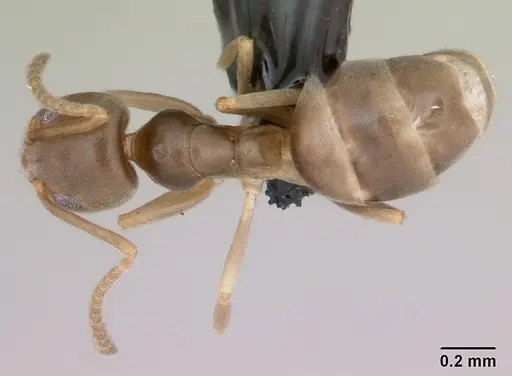
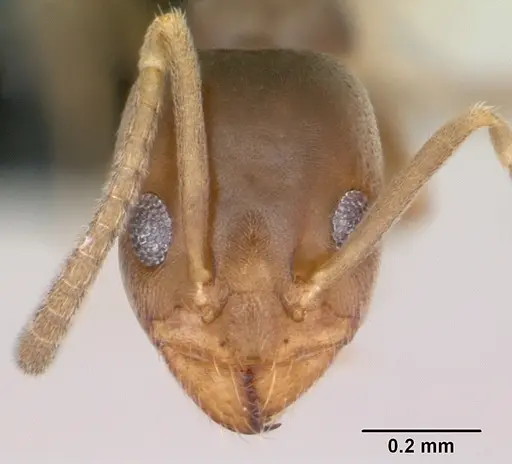
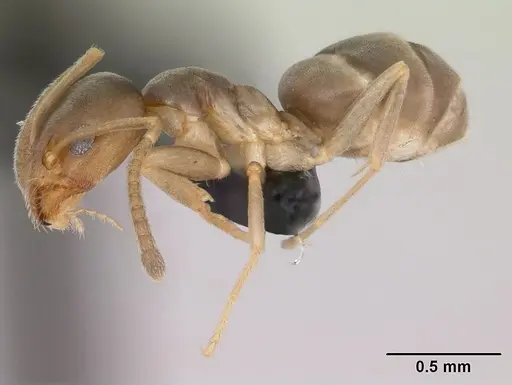
CASENT0172307
View on AntWeb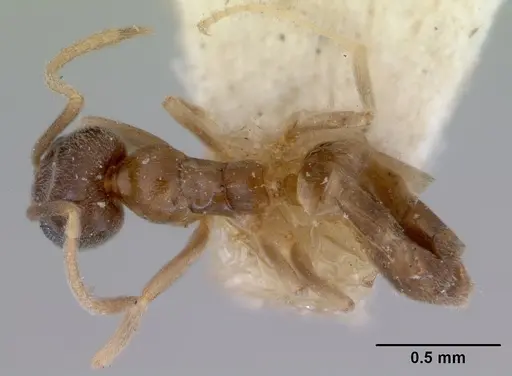
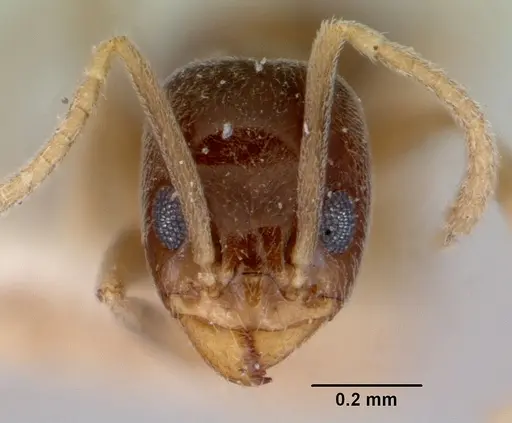
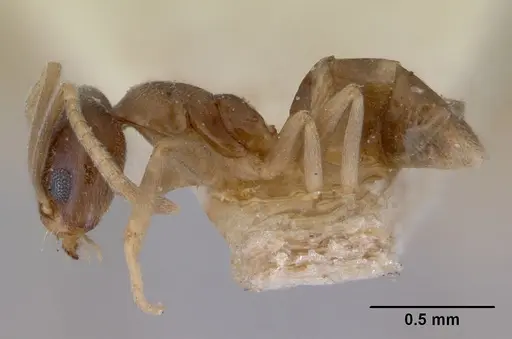
CASENT0172369
View on AntWeb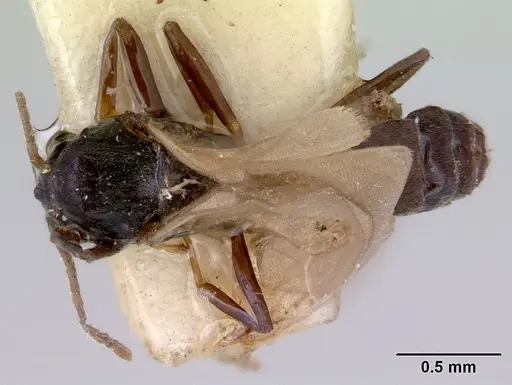
CASENT0172371
View on AntWeb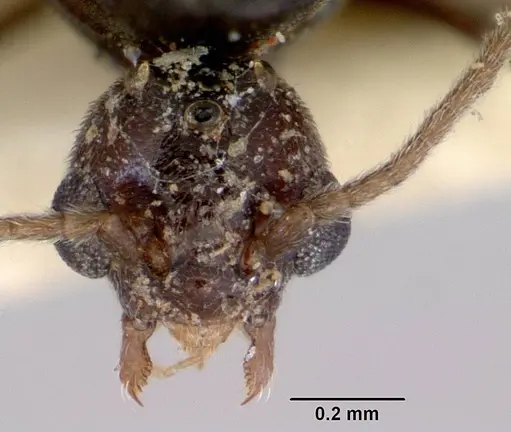
CASENT0886006
View on AntWeb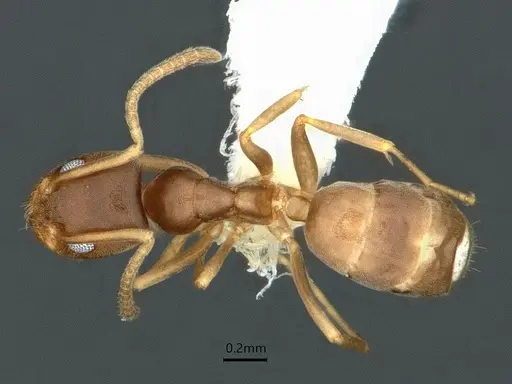
CASENT0909516
View on AntWeb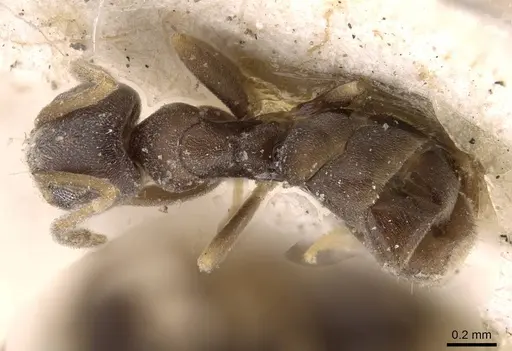
CASENT0909517
View on AntWeb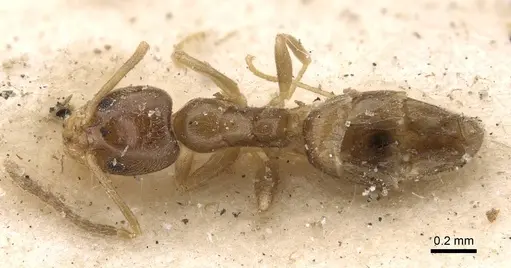
CASENT0909518
View on AntWeb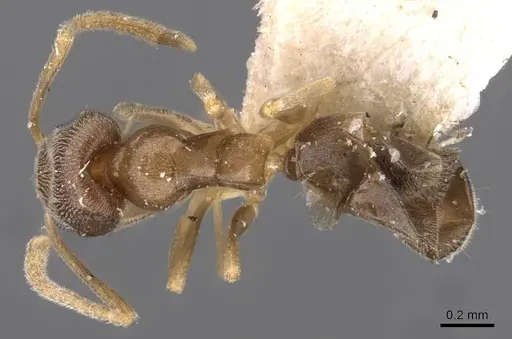
FOCOL2833
View on AntWeb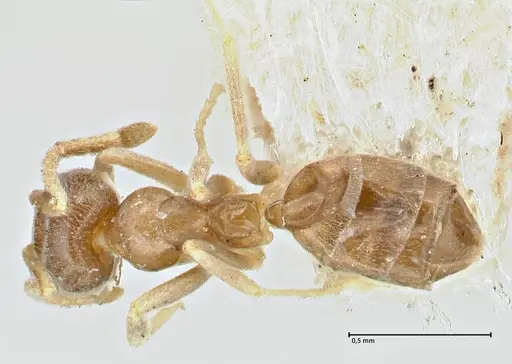
Literature
Loading...Loading products...