

Discothyrea traegaordhi
- Scientific Name
- Discothyrea traegaordhi
- Tribe
- Proceratiini
- Subfamily
- Proceratiinae
- Author
- Santschi, 1914
- Distribution
- Found in 1 countries
Discothyrea traegaordhi Overview
Discothyrea traegaordhi is an ant species of the genus Discothyrea. It is primarily documented in 1 countries , including South Africa. Detailed taxonomic data and occurrence records can be further explored via authoritative databases such as AntWeb or the Global Biodiversity Information Facility (GBIF).
Discothyrea traegaordhi
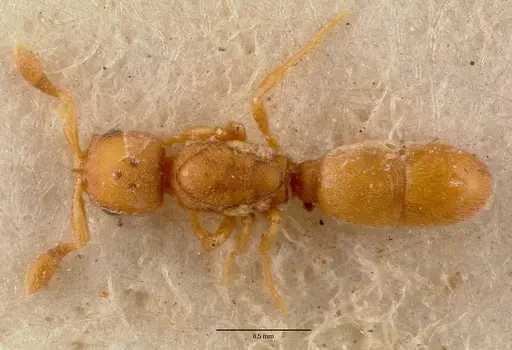
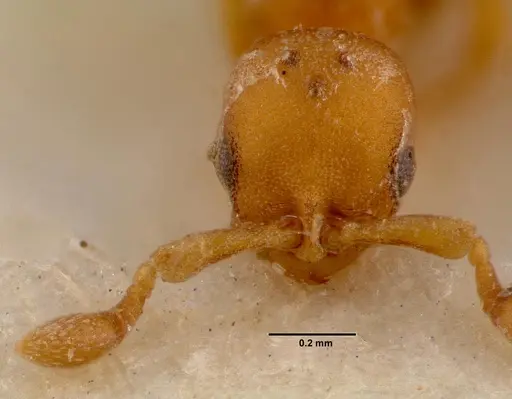
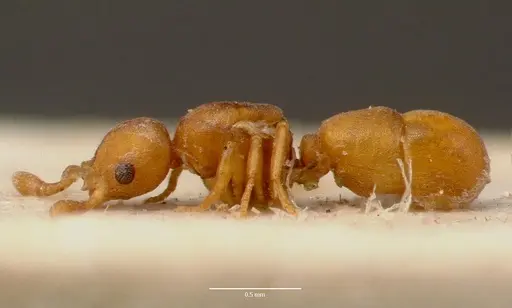
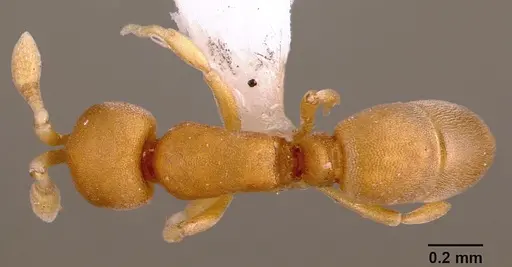
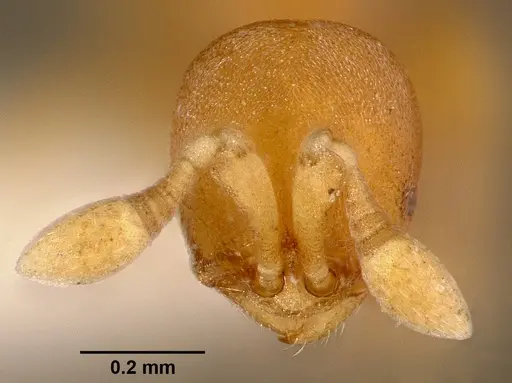
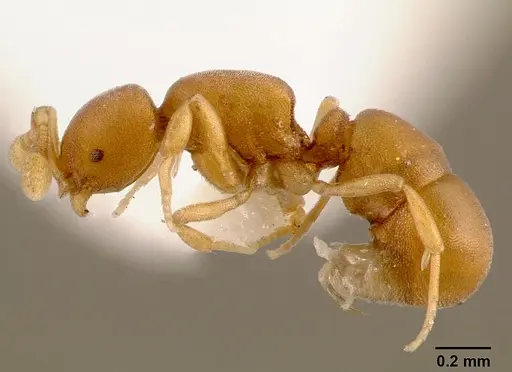
Discothyrea traegaordhi is a tiny ant species native to South Africa, found from the Eastern Cape to KwaZulu-Natal. Workers are among the smallest ants you'll encounter, measuring just 0.51-0.57mm in mesosoma length (WL). They have a distinctive appearance with relatively large eyes (visible in frontal view), short antennal scapes, and a thin petiole. Their body color ranges from pale luteous to orange-brown or darker chestnut brown, with lighter appendages. This species belongs to the Proceratiinae subfamily and was previously known as Discothyrea traegaordhi before being synonymized. They prefer forested habitats at low to medium elevations, making them a litter-dwelling species in native South African forests.
Quick Summary
- Difficulty: Hard
- Origin & Habitat: South Africa (Eastern Cape to KwaZulu-Natal). Found in forested habitats at low to medium elevations [1].
- Colony Type: Colony structure is unconfirmed. No data available on whether they are single-queen (monogyne) or multi-queen (polygyne) in the wild.
- Size & Growth:
- Queen: Undocumented in primary research. Estimated 3-4mm based on genus patterns.
- Worker: 0.51-0.57 mm WL (mesosoma length), HW 0.39-0.43 mm, SL 0.24-0.28 mm [1].
- Colony: Unknown. Based on similar tiny litter ants, likely under 100 workers.
- Growth: Unknown. Likely slow to moderate given their tiny size.
- Development: Unconfirmed. Estimated 6-10 weeks based on related Proceratiinae species. (No direct development data exists for this species. Estimates based on genus-level patterns.)
- Antkeeping:
- Temperature: Aim for 22-26°C. This range is inferred from their South African forest habitat, they likely prefer warm, stable conditions without extreme heat. Provide a gentle temperature gradient if possible.
- Humidity: Keep substrate consistently moist but not waterlogged. Their forest floor habitat suggests they need higher humidity (60-80%). Provide damp soil or substrate that holds moisture well.
- Diapause: Unknown. South African populations may experience mild seasonal slowdown, but no documented hibernation requirement.
- Nesting: Use a naturalistic setup with moist substrate (like soil or a plaster nest). Their tiny size and litter-dwelling nature mean they do well in compact nests with small chambers. Test tubes with cotton can work for founding colonies if kept humid.
- Behavior: These ants are extremely small and docile. They are not aggressive and unlikely to sting humans. Their primary defense is staying hidden in substrate. Escape prevention is critical, their tiny size means they can squeeze through standard barriers. They are likely nocturnal or crepuscular foragers based on their relatively large eyes. They probably hunt small prey in the leaf litter layer.
- Common Issues: escape prevention is critical, they are tiny enough to squeeze through standard mesh barriers, their small size makes them difficult to observe and easy to lose during transfers, wild-caught colonies may have parasites that are hard to detect due to their minute size, overfeeding can foul their small nest spaces, maintaining proper humidity without flooding tiny test tubes requires careful water management
Nest Preferences and Housing
Discothyrea traegaordhi is a litter-dwelling species that prefers humid, confined spaces. In captivity, they do well in naturalistic setups with moist substrate or compact formicaria. Given their tiny size (workers are only 0.5mm), standard formicarium chambers are far too large. Use test tubes with a small chamber area, Y-tong nests with tight chambers, or plaster nests with appropriately scaled passages. The nest material should hold moisture well without flooding. A layer of damp soil or coco fiber works as a substrate. Avoid tall, open spaces, these ants feel safest in tight, dark chambers. If using a test tube setup, keep the water reservoir small to prevent flooding the ants. [1]
Feeding and Diet
Based on genus patterns, Discothyrea traegaordhi is likely a predator or omnivore that forages for small prey in leaf litter. They probably accept small soft-bodied insects like springtails, booklice, and tiny fruit flies. Their small size means prey items should be minute, no larger than themselves. Sugar sources may be accepted, though this is unconfirmed for this species. Offer a mix of small live prey and occasional sugar water or honey diluted with water. Remove uneaten prey promptly to prevent mold in their small nest spaces. Feed sparingly, overfeeding is a common problem with tiny ants in confined nests.
Temperature and Seasonal Care
Keep them at 22-26°C, which is warm but not hot. This range is inferred from their South African forest habitat, they likely experience moderate year-round temperatures. A heating cable on one side of the nest can create a gentle gradient, but ensure it doesn't dry out the substrate. Room temperature within this range is acceptable. No documented diapause requirement exists, but South African winters are mild, so they may slow down slightly in cooler months. Monitor colony activity, if workers become less active in winter, reduce feeding and ensure humidity doesn't drop too low. [1]
Handling and Observation
These ants are extremely small and delicate. Direct handling is not recommended, use gentle techniques when transferring them. A soft brush or pipette works better than forceps. Their tiny size makes them challenging to observe, but this is part of their appeal. Use a magnifying glass or macro lens to appreciate their morphology, including the distinctive large eyes and thin petiole. They are docile and unlikely to bite or sting. Keep their setup in a quiet area with minimal vibration, as disturbance can stress small colonies. [1]
Colony Founding
Founding behavior is unconfirmed for this species. Based on typical Proceratiinae patterns, the queen likely seals herself in a small chamber and raises her first workers alone (claustral founding). However, this has not been directly documented. If you obtain a founding queen, provide a small, humid test tube or similar setup with moist substrate. Keep her in darkness and avoid disturbing her until workers emerge. Expect a small first brood, nanitics (first workers) will be tiny, matching the worker size of 0.5mm.
Frequently Asked Questions
How long does it take for Discothyrea traegaordhi to produce first workers?
The egg-to-worker timeline is unconfirmed for this species. Based on related Proceratiinae species, estimate 6-10 weeks under optimal conditions (22-26°C). The first workers (nanitics) will be very small, matching the adult worker size of around 0.5mm.
What do Discothyrea traegaordhi ants eat?
Based on genus patterns, they likely eat small soft-bodied prey like springtails, booklice, and tiny fruit flies. Their tiny size means prey should be minute. Sugar sources may be accepted but are unconfirmed. Offer small live prey and occasional diluted honey or sugar water.
Are Discothyrea traegaordhi ants good for beginners?
No. This species is not recommended for beginners. Their extremely tiny size (0.5mm workers) makes them difficult to house, feed, and observe. Escape prevention is challenging, and colony growth is likely slow. They require careful humidity management in appropriately scaled nests.
Do Discothyrea traegaordhi ants sting?
They are extremely unlikely to sting humans. Their tiny size and docile nature mean they pose no danger. Their primary defense is staying hidden in substrate rather than aggressive behavior.
What temperature do Discothyrea traegaordhi ants need?
Aim for 22-26°C based on their South African forest habitat. A gentle temperature gradient is ideal, but room temperature within this range works well. Avoid temperatures above 30°C or below 18°C.
How big do Discothyrea traegaordhi colonies get?
Colony size is unknown but likely remains small. Based on similar tiny litter-dwelling ants, colonies probably reach under 100 workers. They are not large colony species.
Can I keep multiple Discothyrea traegaordhi queens together?
Not documented. The colony structure (monogyne vs polygyne) is unconfirmed for this species. Do not attempt combining unrelated queens without documented evidence that they accept co-foundresses.
What is the best nest type for Discothyrea traegaordhi?
Use nests with small, tight chambers scaled to their tiny size. Test tubes with small water reservoirs, Y-tong nests with narrow passages, or moist plaster nests work well. Avoid large formicarium chambers designed for bigger ants.
Do Discothyrea traegaordhi ants need hibernation?
No documented diapause requirement exists. South African winters are mild, so they may experience only slight seasonal slowdown rather than true hibernation. No specific winter treatment is required, but you can reduce feeding slightly in cooler months.
Why are my Discothyrea traegaordhi ants dying?
Common causes include: escape through tiny gaps (use fine mesh), drying out (keep substrate consistently moist), overfeeding leading to mold in small spaces, and stress from excessive disturbance. Their tiny size makes them vulnerable, ensure humidity is appropriate and avoid moving them frequently.
References

This caresheet is licensed under CC BY-SA 4.0 .
Literature
Loading...Loading products...