

Discothyrea testacea
- Scientific Name
- Discothyrea testacea
- Tribe
- Proceratiini
- Subfamily
- Proceratiinae
- Author
- Roger, 1863
- Distribution
- Found in 4 countries
Discothyrea testacea Overview
Discothyrea testacea is an ant species of the genus Discothyrea. It is primarily documented in 4 countries , including Antigua and Barbuda, Colombia, Mexico. Detailed taxonomic data and occurrence records can be further explored via authoritative databases such as AntWeb or the Global Biodiversity Information Facility (GBIF).
Discothyrea testacea
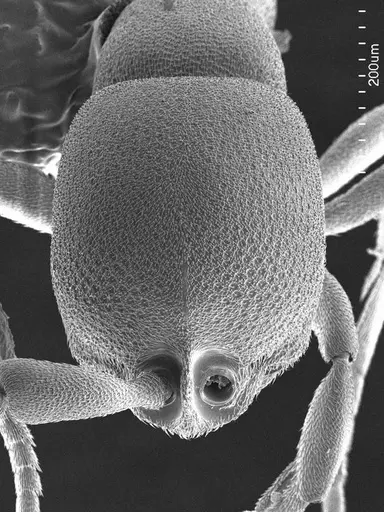
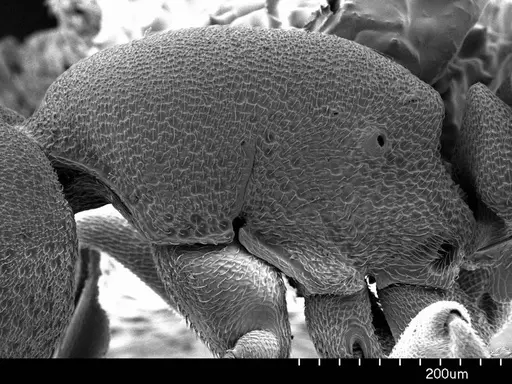
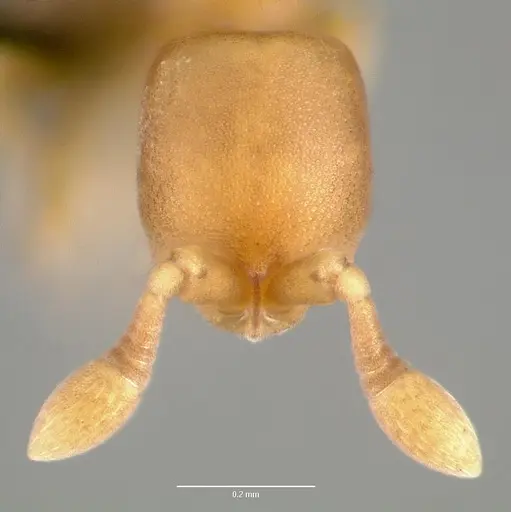
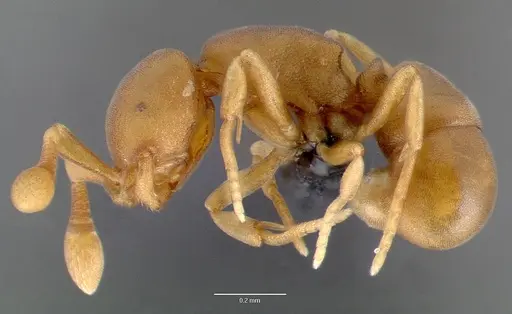
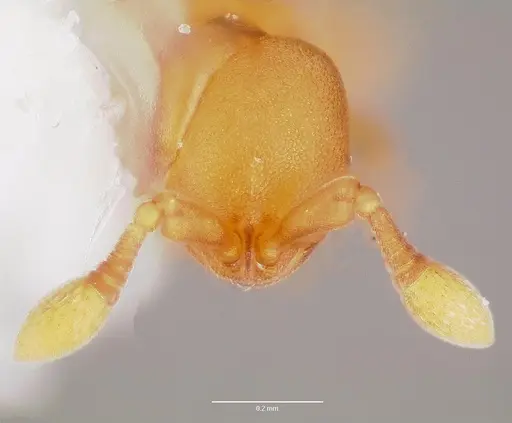
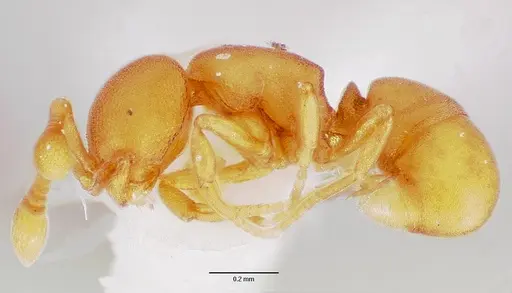
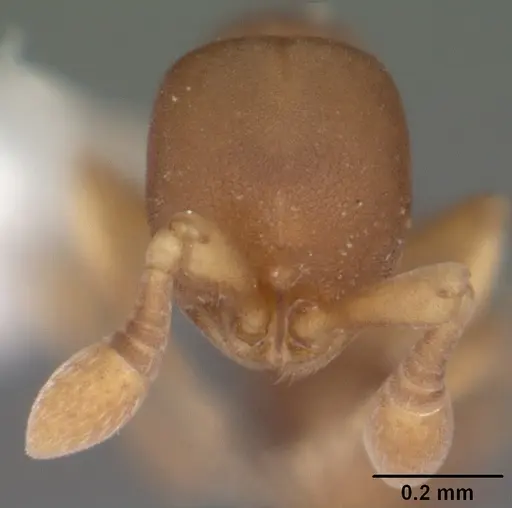
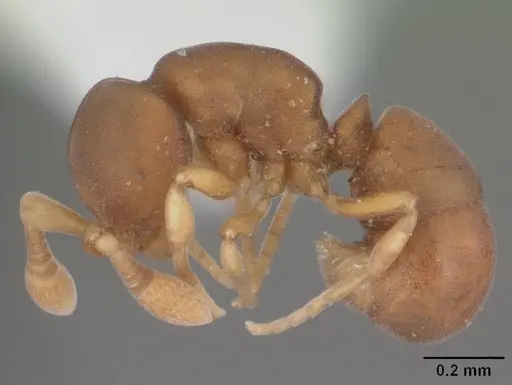
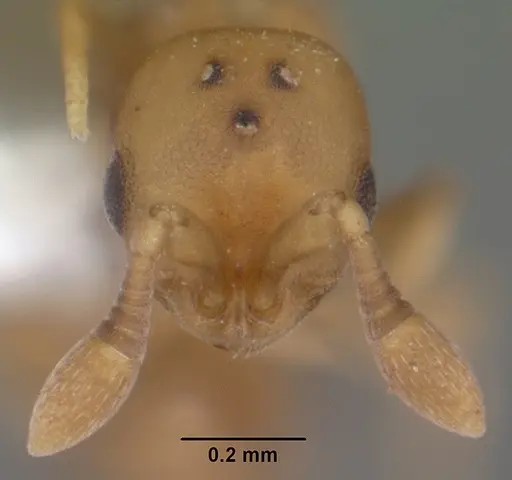
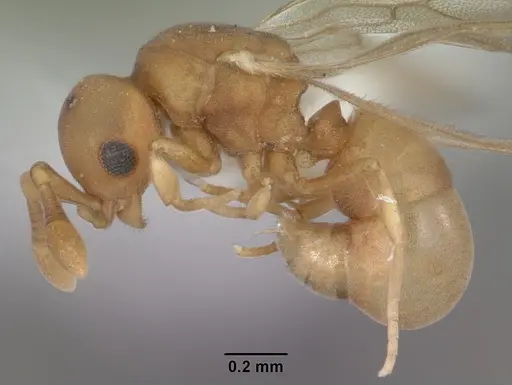
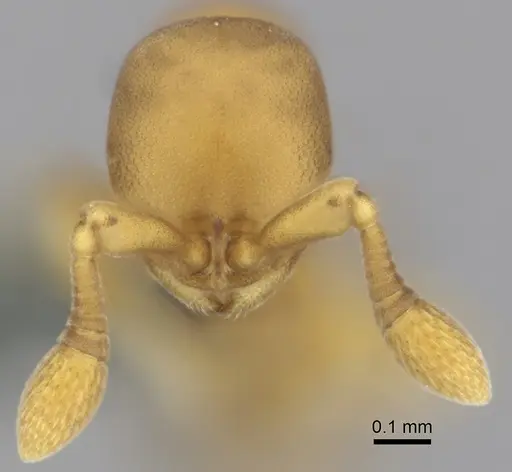
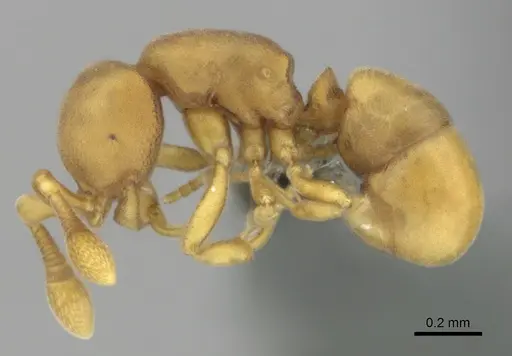
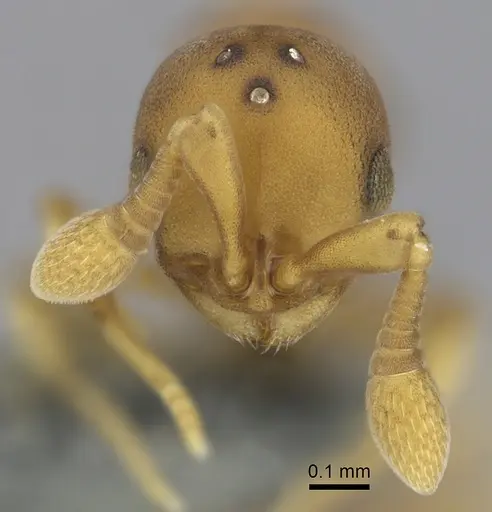
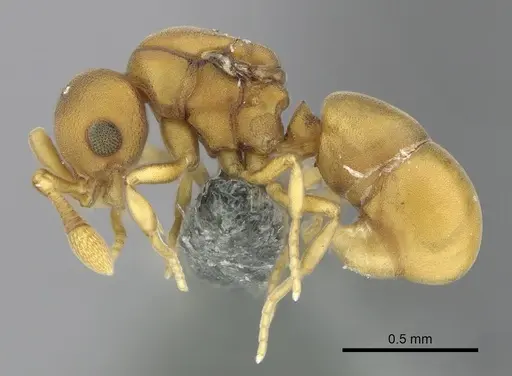
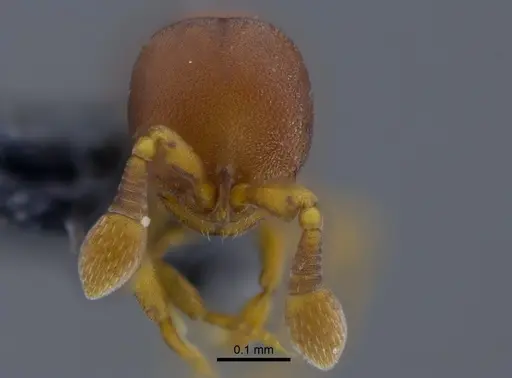
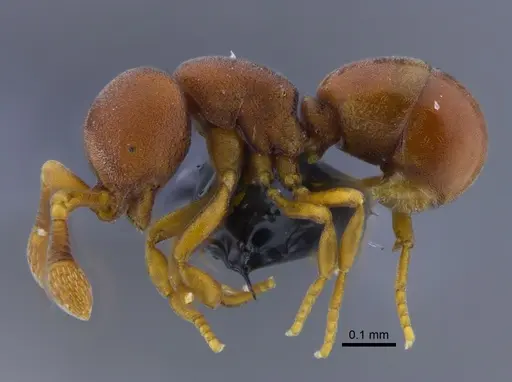
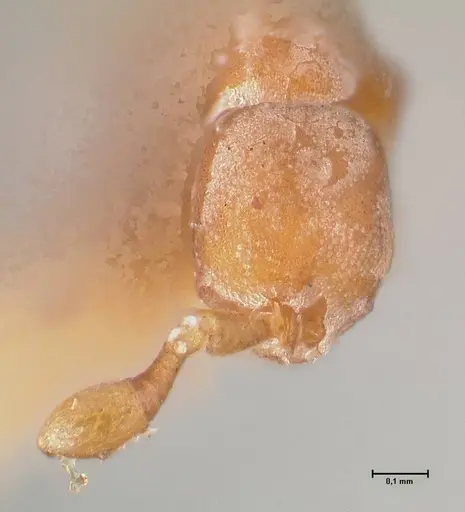
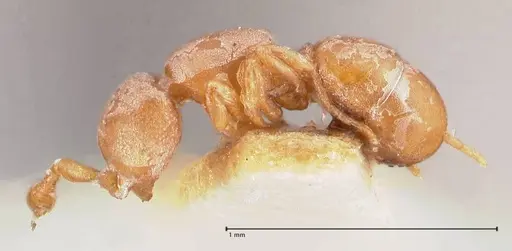
Discothyrea testacea is a tiny cryptobiotic ant and the only species of its genus found in North America [1][2]. Workers measure just 1.5mm and queens reach about 2mm, making them among the smallest ants you can keep [3]. They have a distinctive appearance with 9-segmented antennae that thicken toward the tip into a club, and their body is light brown to yellowish or reddish brown [3]. These ants live in small colonies in leaf litter, humus, and rotting logs across the southeastern United States, Cuba, Dominican Republic, and Mexico [4][5]. When disturbed, they freeze and play dead, making them incredibly difficult to spot in the field, which explains why they weren't collected again for 85 years after being first described in 1863 [6].
Quick Summary
- Difficulty: Medium
- Origin & Habitat: Southeastern United States (North Carolina to Florida, west to Oklahoma) and the Caribbean. Found in leaf litter, humus, and rotting logs in both dry and moist habitats including oak scrub, high pine, flatwoods, and temperate hardwood forests [4][5].
- Colony Type: Colony structure is not well documented. These ants live in small colonies, often just a few individuals are found together when more than one is located [6]. Single-queen colonies are likely based on typical genus patterns.
- Size & Growth:
- Queen: ~2mm [3]
- Worker: Under 2mm [6]
- Colony: Small colonies, likely under 100 workers based on typical Discothyrea patterns and the fact that they are rarely found in groups larger than a few individuals [6]
- Growth: Unknown, likely slow to moderate based on small colony size
- Development: Unconfirmed, no direct development data exists for this species. Based on related Proceratiinae and their small size, estimate 6-10 weeks at warm room temperature. (Development timeline is unconfirmed. Related species in the genus suggest a moderate development rate.)
- Antkeeping:
- Temperature: Keep at room temperature, roughly 20-24°C. This species occurs across the southeastern US where temperatures are moderate. A gentle gradient is beneficial but not critical since they are not highly active foragers.
- Humidity: High humidity is essential. These ants live in leaf litter and rotting wood where conditions are constantly damp. Keep the nest substrate consistently moist but not waterlogged. Provide a water tube as a drinking source.
- Diapause: Likely moderate winter slowdown given their temperate distribution, but specific requirements are unconfirmed. Reduce feeding and keep slightly cooler (15-18°C) during winter months if the colony shows reduced activity.
- Nesting: Use a naturalistic setup with leaf litter, small pieces of rotting wood, or a tight-fitting test tube setup with moist substrate. They do best in setups that mimic forest floor conditions, dark, humid, with small chambers scaled to their tiny size.
- Behavior: Very docile and non-aggressive. When threatened, they freeze and play dead rather than fleeing or fighting. They are slow-moving and spend most of their time in the nest or on the immediate surface of their substrate. Escape prevention is critical, their tiny size means they can squeeze through the smallest gaps. They are likely predators specializing in arthropod eggs, so they will hunt rather than scavenge.
- Common Issues: escape prevention is critical, they are tiny enough to squeeze through standard barrier gaps, colonies are very small and slow-growing, which can be discouraging for beginners, they are extremely sensitive to drying out, substrate must stay consistently moist, wild-caught colonies are rare and difficult to find due to their cryptic behavior, they may refuse to accept common ant foods, their diet is poorly understood
Housing and Setup
Discothyrea testacea is one of the smallest ants you can keep, so your setup must reflect that. A test tube setup works well, use a small diameter tube (not the standard 15mm wide, but something narrower if possible) or a custom acrylic nest with very tight chambers. The key is preventing escapes: even the tiniest gap will let them through. Apply fluon or another barrier to all edges. Alternatively, a naturalistic setup with a thin layer of moist substrate (a mix of soil and rotting wood fragments) works well since it mimics their natural leaf litter habitat. Keep the setup dark, these ants are cryptobiotic and prefer dim conditions. A small outworld is fine but not necessary since they don't forage far. [5][4][6]
Feeding and Diet
This is the trickiest part of keeping Discothyrea testacea. In the wild, they are suspected to prey on arthropod eggs, especially spider eggs [6]. This means they are likely predatory and need live food. Offer tiny live prey like springtails, fruit fly larvae, or freshly hatched pinhead crickets. They probably cannot take down larger prey. Sugar sources may be accepted, but their primary diet appears to be protein. Start with small live prey items and observe. If they ignore them, try other tiny arthropods. Do not overfeed, a small colony needs only tiny amounts of food once or twice a week.
Temperature and Humidity
Keep them at room temperature, around 20-24°C. This matches their natural range in the southeastern United States. They do not need heating, but avoid cold rooms below 18°C. Humidity is more critical, these ants live in leaf litter and rotting wood where conditions are constantly damp. The substrate should feel moist to the touch but not have standing water. A water tube connected to the nest helps maintain humidity. Check regularly that the substrate hasn't dried out. Mist lightly if needed, but avoid creating condensation that drips. [4][5]
Behavior and Handling
These ants are incredibly docile. When disturbed, they freeze and play dead, this is their primary defense mechanism [6]. They will not bite or sting (their sting is too small to affect humans). They are slow-moving and spend most of their time in the nest. You will rarely see them venture far from their substrate. Because they are so small and slow, they are excellent escape artists in reverse, they can also be hard to find if they escape into your room. Always use excellent barrier protection. Do not handle them with forceps as they can easily be crushed. If you need to move them, let them walk onto a soft brush or piece of paper.
Colony Establishment
Establishing a colony of Discothyrea testacea is challenging because they are rarely found in the wild. If you obtain a queen (from a nuptial flight or a wild colony), she will need a small, humid chamber to found her colony. The founding type is unconfirmed, but based on related Proceratiinae, she likely seals herself in and raises her first workers alone (claustral founding). Be patient, small colonies grow slowly, and you may only see a few workers even after many months. Do not disturb the founding chamber. If you obtain a wild colony, expect only a handful of workers. They are not aggressive and will not defend their nest vigorously. [6]
Frequently Asked Questions
Can I keep Discothyrea testacea in a test tube?
Yes, a test tube setup works well. Use a small-diameter tube if possible and ensure excellent escape prevention, these tiny ants can squeeze through gaps you wouldn't notice. Keep the tube moist but not flooded.
How long does it take for the first workers to appear?
The exact timeline is unconfirmed for this species. Based on related Proceratiinae and their small size, expect 6-10 weeks from egg to worker at room temperature (20-24°C).
What do Discothyrea testacea eat?
They are suspected predators on arthropod eggs in the wild. Offer tiny live prey like springtails, fruit fly larvae, or very small insects. Their diet is poorly understood, so be prepared to experiment with different small live foods.
Do they sting?
They have a sting but it is far too small to penetrate human skin. These ants are completely harmless to keepers, their primary defense is freezing and playing dead.
Are they good for beginners?
They are challenging due to their tiny size, specific humidity needs, and poorly understood diet. They are not ideal for complete beginners, but experienced antkeepers interested in unusual species will find them rewarding.
How big do colonies get?
Colonies remain small, likely under 100 workers based on field observations where only a few individuals are typically found together. They are not a species that produces large, impressive colonies.
Do they need hibernation?
Specific requirements are unconfirmed, but given their southeastern US distribution, a moderate winter slowdown is likely beneficial. Reduce feeding and keep them slightly cooler (15-18°C) during winter if the colony shows reduced activity.
Why are my ants dying?
The most common causes are drying out (they need constant humidity), escapes (their tiny size means they find any gap), and starvation (they may refuse foods they don't recognize as prey). Ensure substrate stays moist, use excellent barriers, and offer appropriate live prey.
References

This caresheet is licensed under CC BY-SA 4.0 .
ANTWEB1008519
View on AntWeb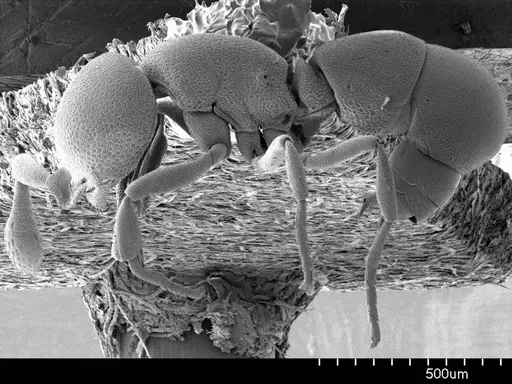
CASENT0004651
View on AntWeb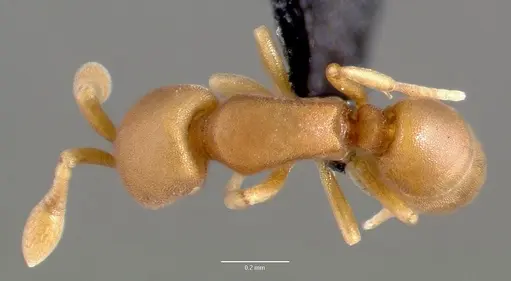
CASENT0006058
View on AntWeb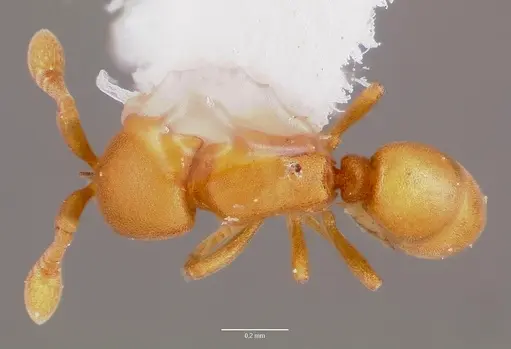
CASENT0103847
View on AntWeb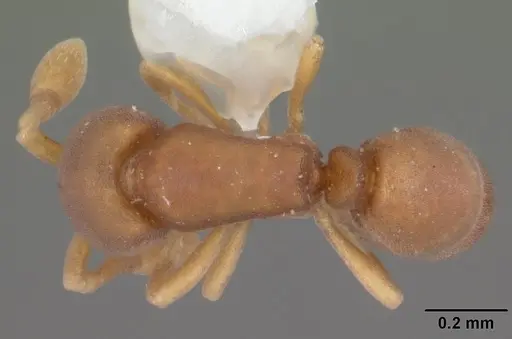
CASENT0103848
View on AntWeb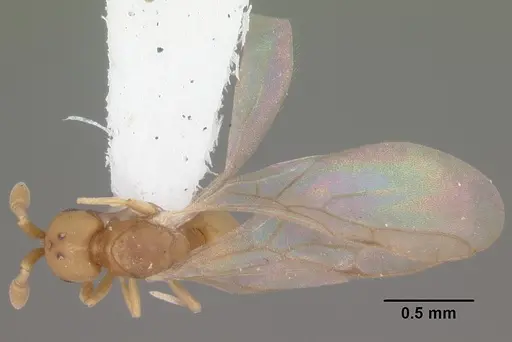
CASENT0270725
View on AntWeb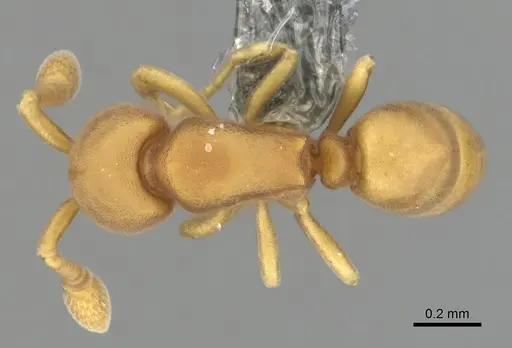
CASENT0270726
View on AntWeb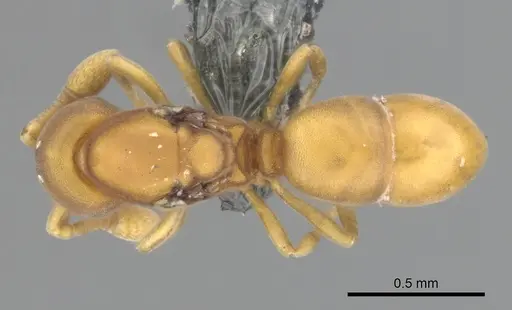
CBUMAGENT34512
View on AntWeb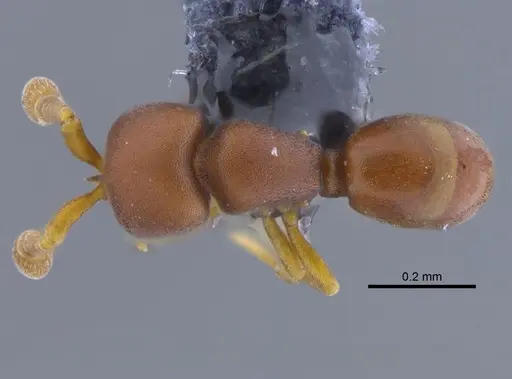
FOCOL0935
View on AntWeb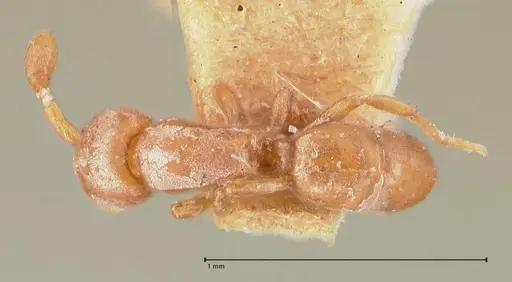
Literature
Loading...Loading products...