

Discothyrea sexarticulata
- Scientific Name
- Discothyrea sexarticulata
- Tribe
- Proceratiini
- Subfamily
- Proceratiinae
- Author
- Borgmeier, 1954
- Distribution
- Found in 6 countries
Discothyrea sexarticulata Overview
Discothyrea sexarticulata is an ant species of the genus Discothyrea. It is primarily documented in 6 countries , including Brazil, Colombia, Costa Rica. Detailed taxonomic data and occurrence records can be further explored via authoritative databases such as AntWeb or the Global Biodiversity Information Facility (GBIF).
Discothyrea sexarticulata
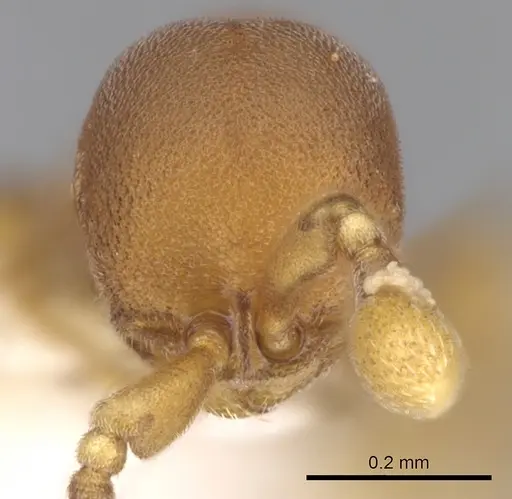
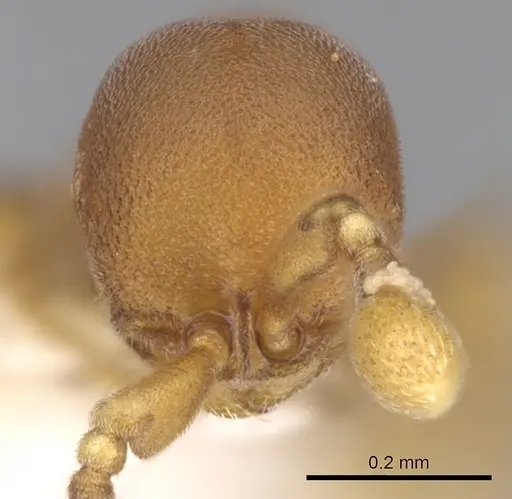
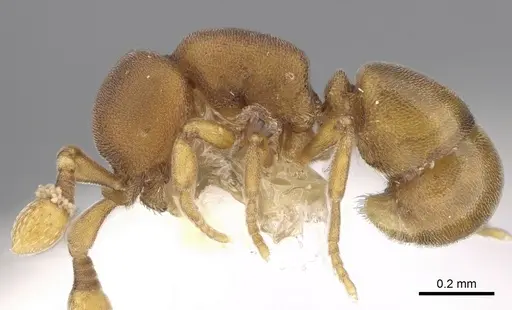
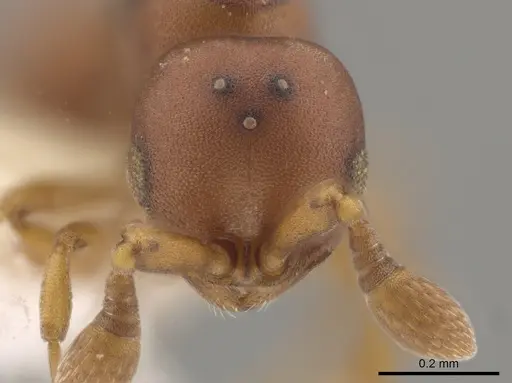
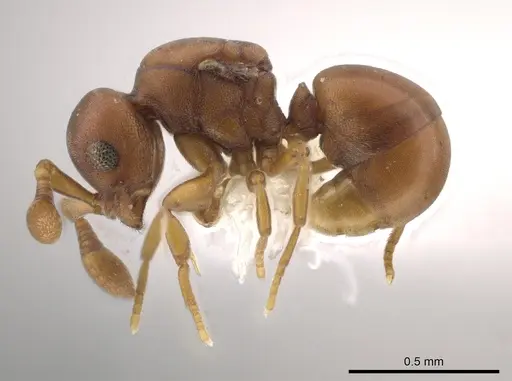
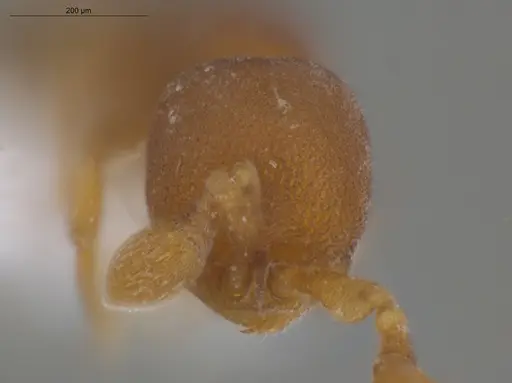
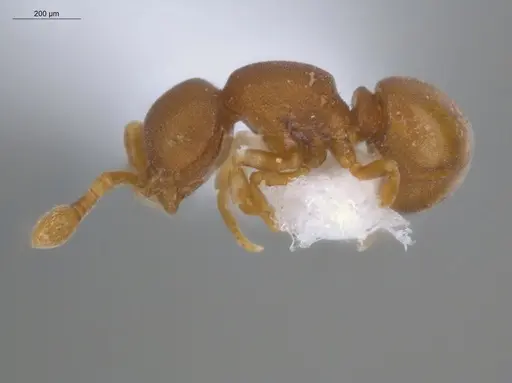
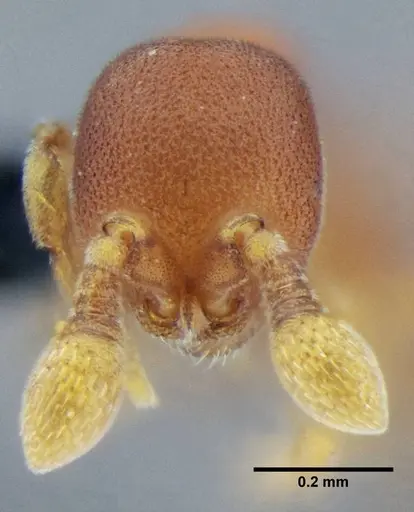
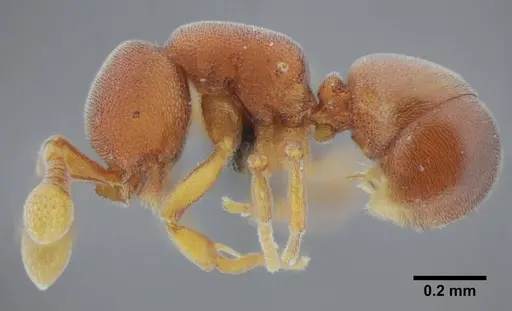
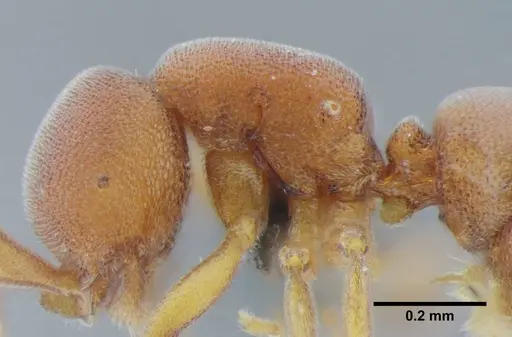
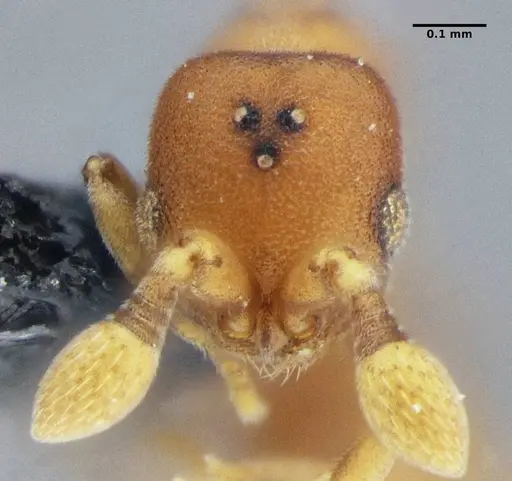
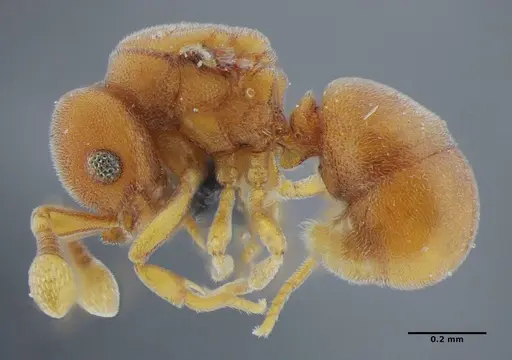
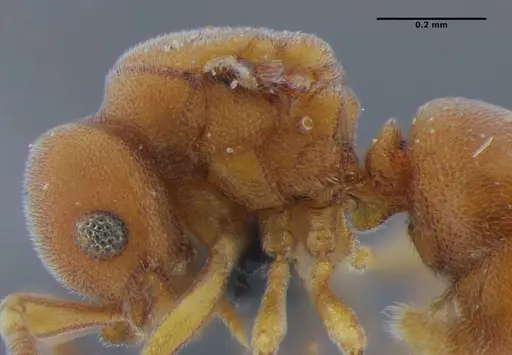
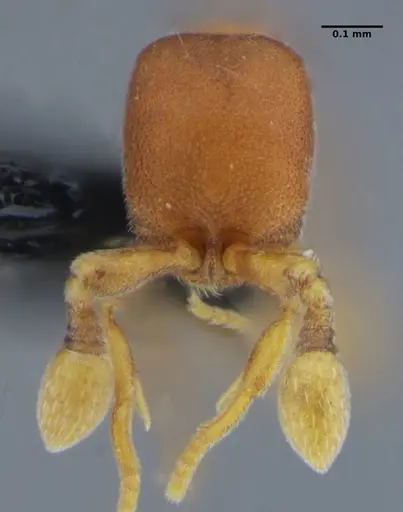
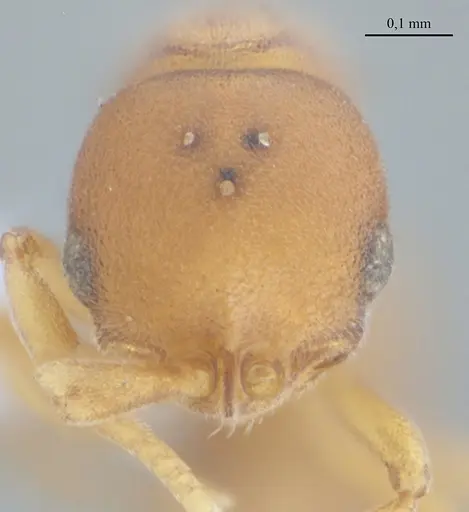
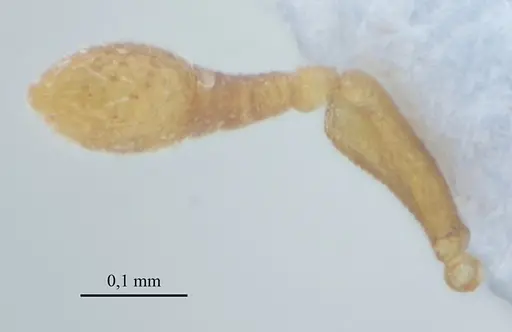
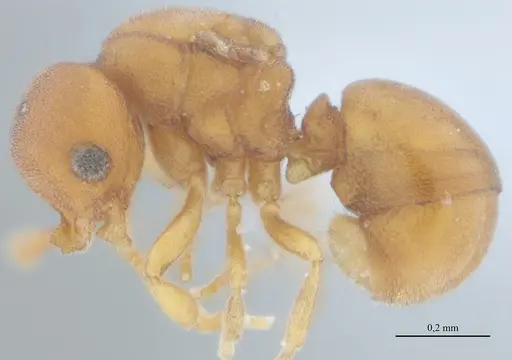
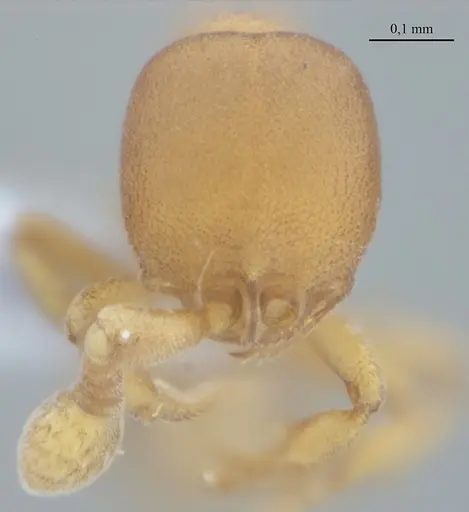
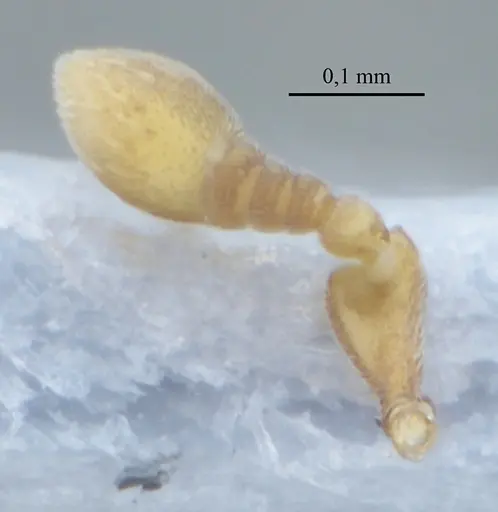
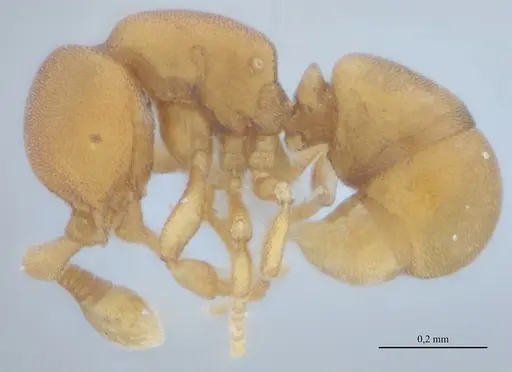
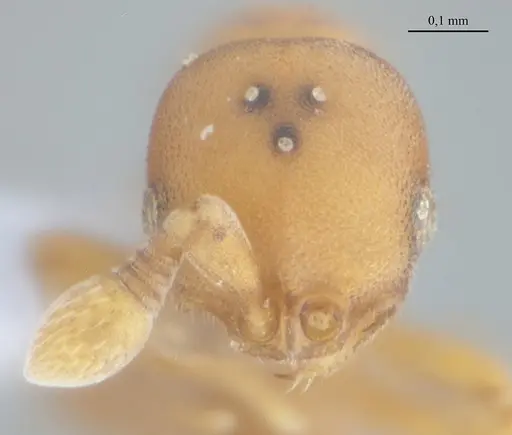
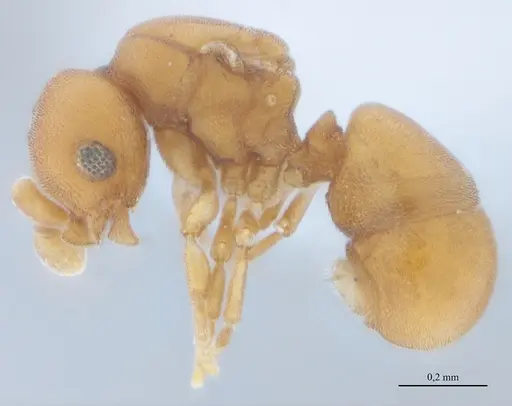
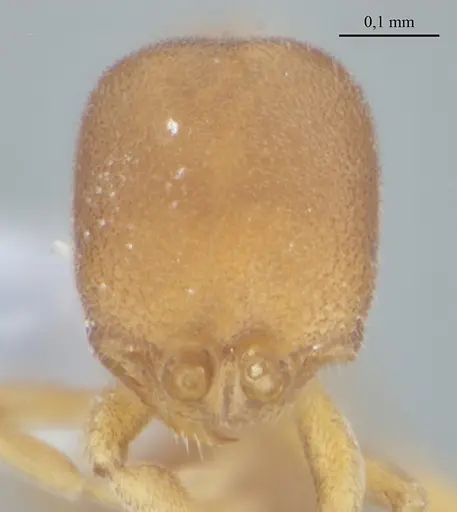
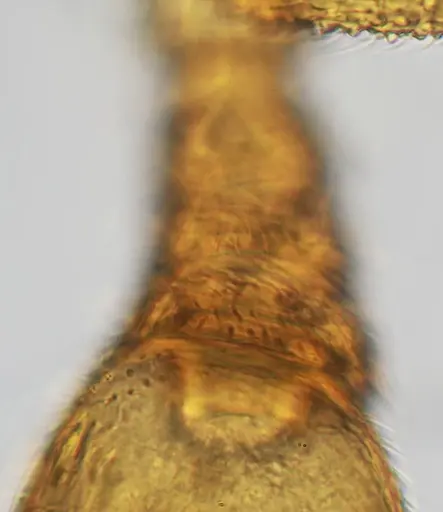
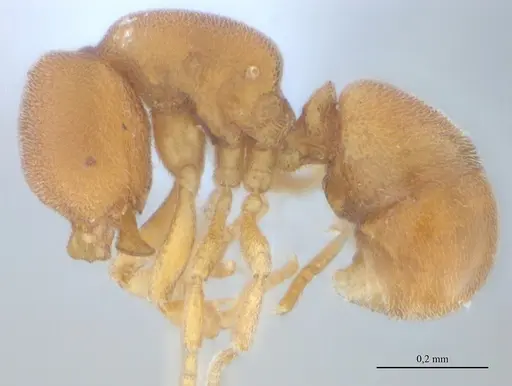
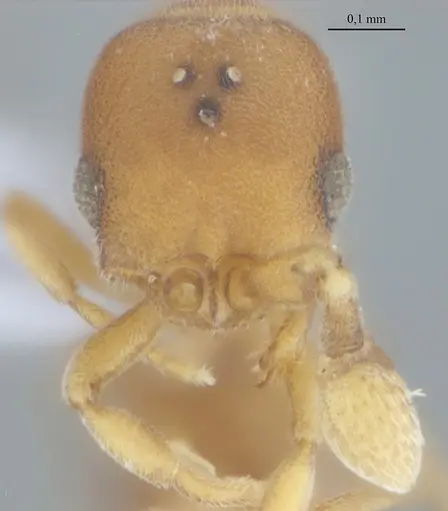
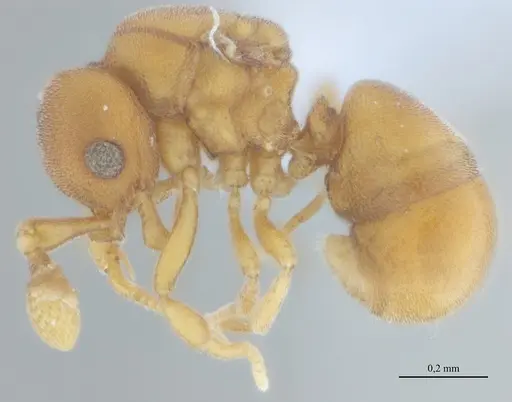
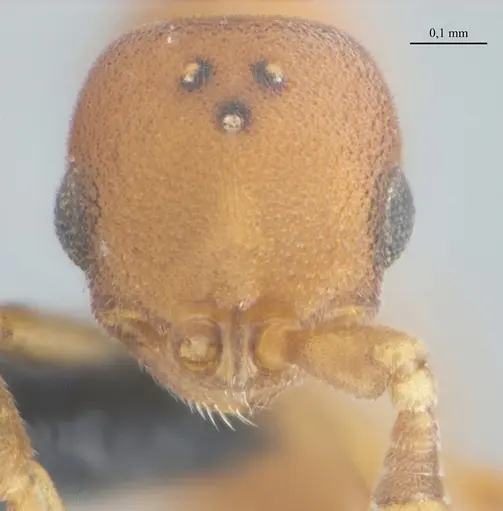
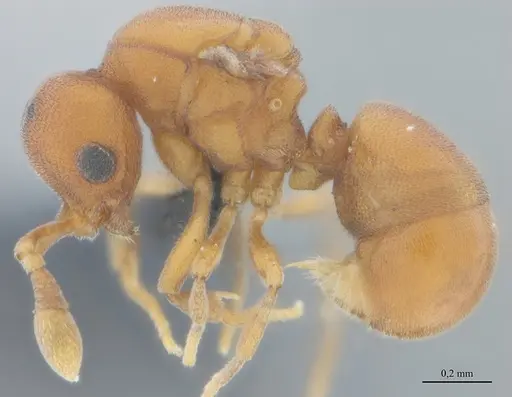
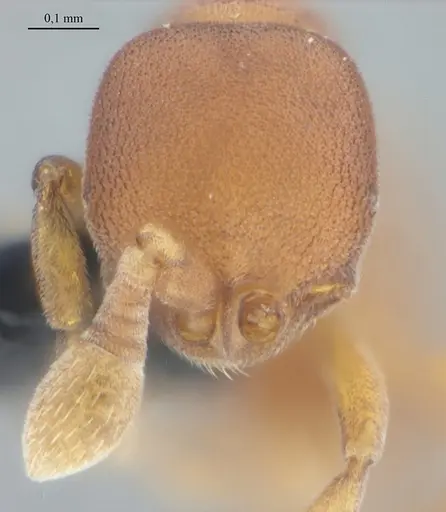
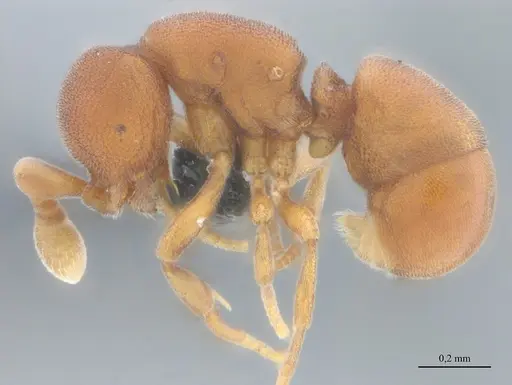
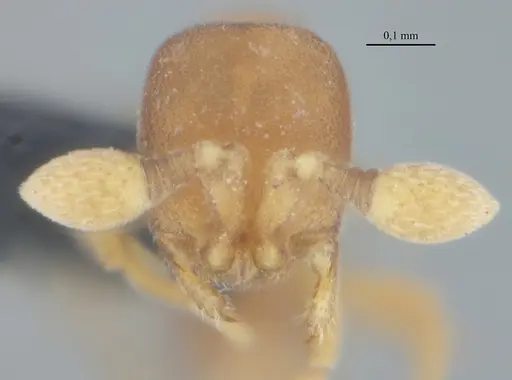
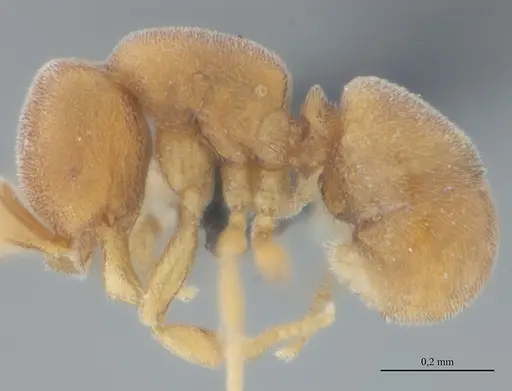
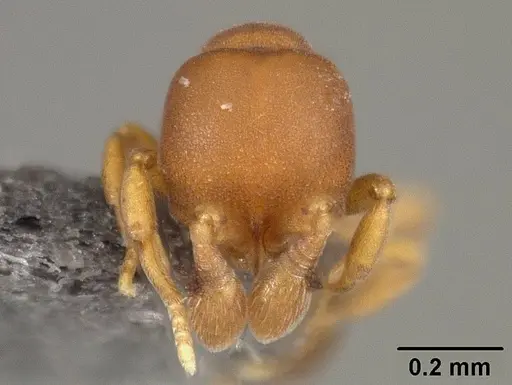
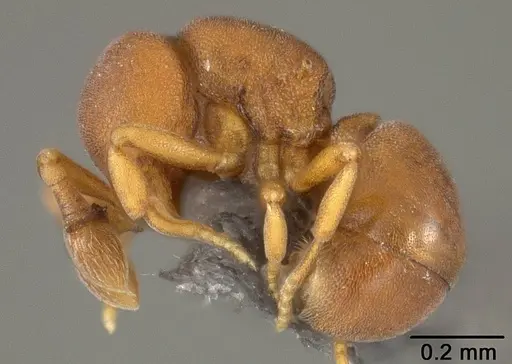
Discothyrea sexarticulata is one of the smallest ants you could keep, workers measure just 0.2-0.5mm in length, making them barely visible to the naked eye [1]. They belong to the subfamily Proceratiinae and are identified by their distinctive six antennal segments (most ants have seven to nine), opaque densely sculptured body, and long subpetiolar process [2]. These tiny ants live across the Neotropical region, from Brazil and Colombia to Costa Rica and French Guiana [3].
What makes D. sexarticulata special is their extremely specialized diet, they're egg predators that hunt almost exclusively on arthropod eggs, particularly those of centipedes and spiders [1]. They're also remarkably resilient for such a small species, being able to live in urban parks and forest fragments with significant human disturbance [1]. This makes them an interesting challenge for antkeepers who want something truly unique.
Quick Summary
- Difficulty: Expert
- Origin & Habitat: Neotropical region, Brazil, Colombia, Paraguay, Costa Rica, Ecuador, French Guiana, Argentina. Found in Atlantic Forest fragments, leaf litter interstices, and decaying logs in forest habitats [1][3].
- Colony Type: Likely single-queen colonies based on typical Discothyrea patterns. Colonies have few individuals [1].
- Colony: Monogyne
- Founding: Claustral
- Size & Growth:
- Queen: Estimated 2-3mm based on genus patterns, direct measurements unavailable
- Worker: 0.2-0.5mm [1]
- Colony: Small colonies with few individuals [1]
- Growth: Slow, based on small colony size and specialized diet
- Development: Estimated 8-12 weeks based on typical Proceratiinae development at warm temperatures (Direct development data unavailable, estimates based on genus patterns for small tropical ants. Small colony size suggests slow growth.)
- Antkeeping:
- Temperature: Keep at 24-28°C based on Neotropical forest habitat. Provide a gentle temperature gradient so ants can self-regulate.
- Humidity: High humidity (70-85%), these are leaf-litter ants from damp forest floors. Keep substrate consistently moist but not waterlogged.
- Diapause: Unlikely, being tropical, they probably don't require a true diapause. However, slight temperature reduction during winter months may be appropriate.
- Nesting: Best kept in a naturalistic setup with moist leaf litter, small decaying wood pieces, or a tight-cell Y-tong/plaster nest. Their tiny size means they need very small chambers and passages. They naturally nest in leaf litter interstices and decaying logs [1].
- Behavior: Extremely cryptic and reclusive. Workers are poor climbers due to their small legs and limited mobility [1]. They are specialist predators that hunt arthropod eggs. They are not aggressive and rarely sting, their small size makes stinging humans impractical. Escape prevention is critical due to their minute size, they can squeeze through the tiniest gaps. They are not escape artists in the traditional sense but will find microscopic openings.
- Common Issues: their tiny size makes them extremely difficult to house and observe, standard test tubes and formicaria have chambers too large, specialized diet means they may refuse most foods, they need arthropod eggs specifically, escape prevention is challenging due to their 0.2-0.5mm size, even standard fluon barriers may not work, small colony size means slow growth and high vulnerability to disturbance, they are easily lost or accidentally discarded during nest maintenance due to their microscopic size
Housing and Nest Setup
Housing Discothyrea sexarticulata presents unique challenges due to their minute size. Standard ant keeping equipment is designed for ants at least 3-5mm, these workers are just 0.2-0.5mm, meaning they can literally walk through the gaps in most mesh barriers. The best approach is a naturalistic setup with moist leaf litter and small pieces of decaying wood, mimicking their natural habitat in forest floor interstices [1]. You can also use a tight-cell Y-tong or plaster nest with chambers scaled to their tiny size, passages should be extremely narrow. Whatever setup you choose, escape prevention must be exceptional. Even standard fluon barriers may not work for such small ants. Consider using sealed containers with only very small ventilation holes, and examine all edges carefully for gaps.
Feeding and Diet
This is the most critical aspect of keeping D. sexarticulata. They are specialist predators that feed almost exclusively on arthropod eggs, particularly those of centipedes and spiders [1]. In captivity, you will need to provide small arthropod eggs, fruit fly eggs or very small springtail eggs may work. They are unlikely to accept standard ant foods like sugar water, honey, or protein pieces. This specialized diet makes them one of the most difficult ants to keep long-term. Expect significant trial and error to find foods they will accept. Some keepers report success with tiny live springtails as a substitute prey item. Do not expect them to thrive on conventional ant diets.
Temperature and Humidity
As a Neotropical species from Atlantic Forests, D. sexarticulata needs warm, humid conditions. Keep temperatures in the 24-28°C range, with a gentle gradient so workers can choose their preferred spot. Humidity should be high (70-85%), these are leaf-litter ants from damp forest floors. The substrate should remain consistently moist but never waterlogged. A small water reservoir connected to the nest area helps maintain humidity. Because of their small size and limited mobility [1], avoid any areas of the setup that might dry out faster than others. Monitor moisture levels closely.
Behavior and Observation
D. sexarticulata is extremely cryptic and reclusive. Workers are poor climbers due to their small legs and can only move small distances [1]. You will rarely see dramatic foraging behavior, these ants are designed for life in the leaf litter layer where they hunt tiny prey in confined spaces. They are not aggressive and their small size makes stinging humans impractical. The main behavior you'll observe is slow, methodical movement through the nest and substrate. Because colonies are small with few individuals [1], there won't be much activity to watch. This species is best suited for keepers who want a challenging, observational project rather than an active display colony.
Colony Establishment
Starting a colony will require patience. Queen founding behavior is unconfirmed for this species, but based on typical Discothyrea patterns, the queen likely seals herself in a small chamber (claustral founding) and raises her first workers on stored fat reserves. Expect a small colony, these ants never reach the thousands of workers typical of many species. Maximum colony size is likely under 50 workers given their naturally small colony sizes [1]. Growth will be slow. The founding queen may produce only 3-5 workers initially, and subsequent growth is gradual. Do not disturb the founding chamber during this period, queens need complete darkness and stability to succeed.
Legal and Ethical Considerations
Discothyrea sexarticulata is native to the Neotropical region. If you obtain a colony, ensure it was legally acquired from a reputable breeder. Never release this or any non-native ant species into the wild, they could become invasive or disrupt native ecosystems. Because they are specialist predators with a very narrow diet, they pose low invasion risk, but the principle remains: ant keepers are stewards of ecological responsibility.
Frequently Asked Questions
How small are Discothyrea sexarticulata ants?
Workers are extremely tiny at just 0.2-0.5mm, you would need magnification to see them clearly [1]. Queens are larger at an estimated 2-3mm based on genus patterns.
What do Discothyrea sexarticulata eat?
They are specialist egg predators that feed almost exclusively on arthropod eggs, particularly centipede and spider eggs [1]. In captivity, you will need to provide small arthropod eggs, standard ant foods are unlikely to be accepted.
Are Discothyrea sexarticulata good for beginners?
No, this is an expert-level species. Their microscopic size, specialized diet, escape risk, and slow growth make them extremely challenging. They are best suited for experienced antkeepers with access to specialized foods and equipment.
How do I house Discothyrea sexarticulata?
Use a naturalistic setup with moist leaf litter and small decaying wood pieces, or a tight-cell Y-tong/plaster nest with extremely small chambers. Escape prevention is critical, even standard barriers may not contain these 0.2mm ants.
Do Discothyrea sexarticulata ants sting?
They have a stinger but due to their minute size (0.2-0.5mm), they cannot penetrate human skin. They are not considered dangerous to humans.
How fast do Discothyrea sexarticulata colonies grow?
Growth is slow. Colonies remain small with few individuals throughout their life [1]. Expect gradual growth over many months, with colony sizes likely remaining under 50 workers.
Do Discothyrea sexarticulata need hibernation?
Unlikely, being a tropical Neotropical species, they probably don't require a true diapause. However, a slight temperature reduction during winter months may be appropriate.
Can I keep multiple queens together?
Colony structure is unconfirmed for this species, but based on typical Discothyrea patterns, single-queen colonies are likely. Combining unrelated queens is not recommended as it has not been studied.
Why are my Discothyrea sexarticulata dying?
Common causes include: wrong food (they need arthropod eggs specifically), improper humidity (too dry), escape (they can squeeze through microscopic gaps), or disturbance during founding. Their specialized requirements make them highly vulnerable to husbandry errors.
Where is Discothyrea sexarticulata found in the wild?
They live across the Neotropical region, Brazil, Colombia, Paraguay, Costa Rica, Ecuador, and French Guiana. They inhabit leaf litter in Atlantic Forests and can even survive in urban park fragments with significant human disturbance [1].
How long until first workers appear?
Direct data is unavailable, but based on typical Proceratiinae development, expect 8-12 weeks from egg to first worker at warm temperatures (24-28°C). Growth is slow and colonies remain small.
What makes Discothyrea sexarticulata different from other ants?
They are one of the world's smallest ants, have only six antennal segments (most ants have 7-9), and are specialist egg predators that hunt centipede and spider eggs [1][2]. Their resilience to human-disturbed landscapes is also unusual for such a small, specialized species.
References

This caresheet is licensed under CC BY-SA 4.0 .
CASENT0281862
View on AntWeb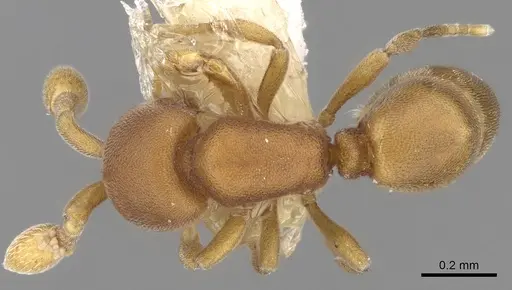
CASENT0640016
View on AntWeb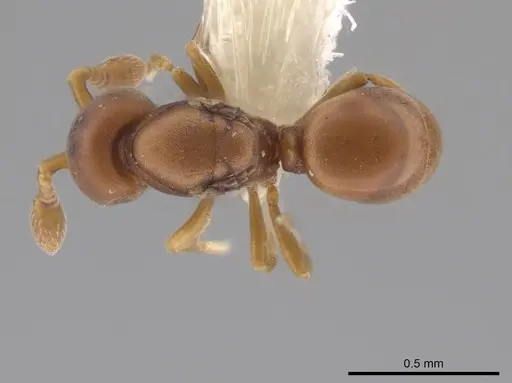
ECOFOG-MI15-0104-31
View on AntWeb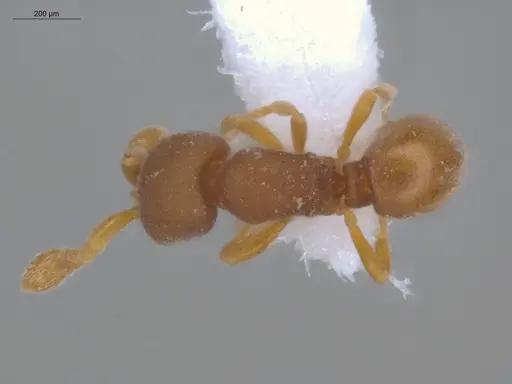
UFV-LABECOL-000011
View on AntWeb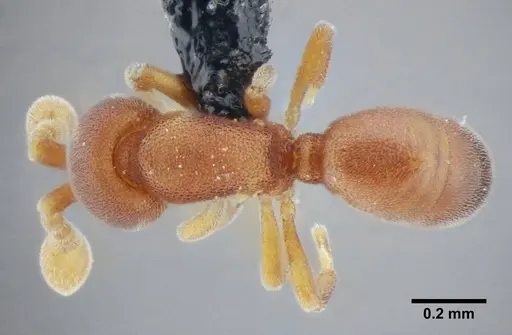
UFV-LABECOL-000051
View on AntWeb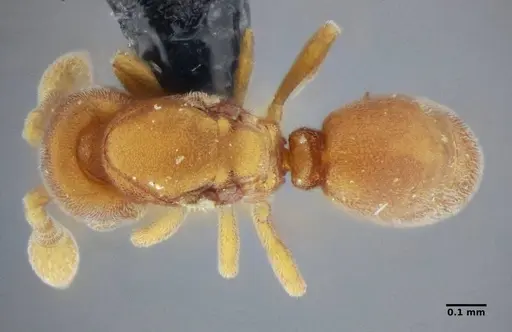
UFV-LABECOL-000052
View on AntWeb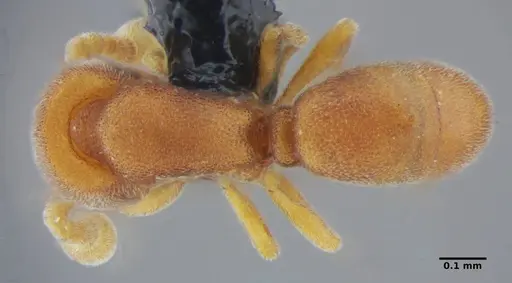
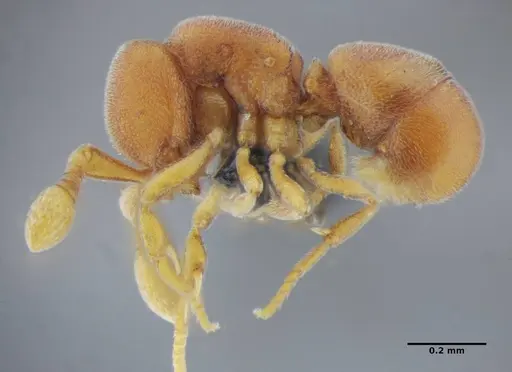
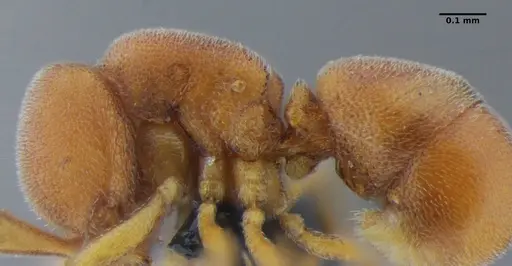
UFV-LABECOL-000113
View on AntWeb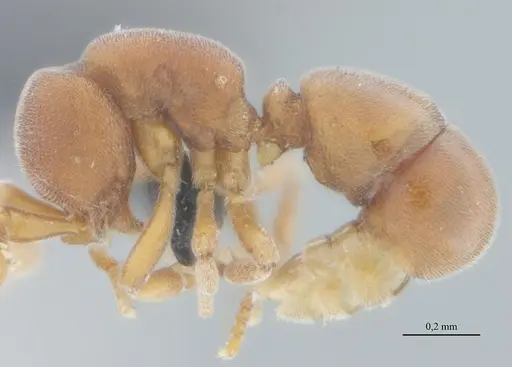
UFV-LABECOL-010504
View on AntWeb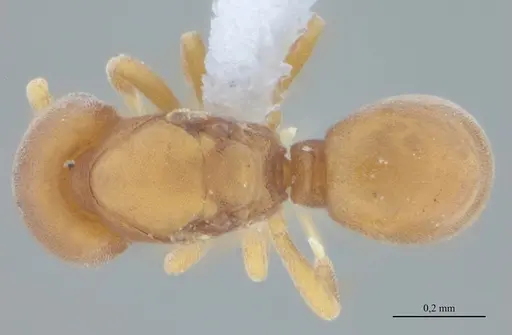
UFV-LABECOL-010769
View on AntWeb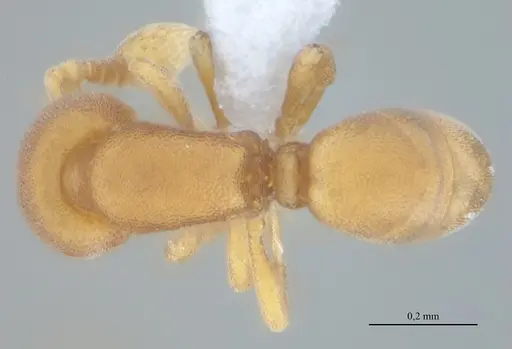
UFV-LABECOL-010770
View on AntWeb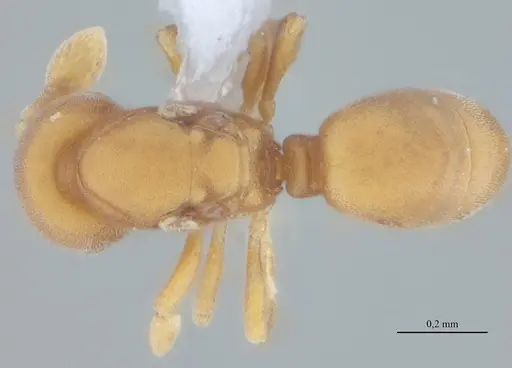
UFV-LABECOL-010771
View on AntWeb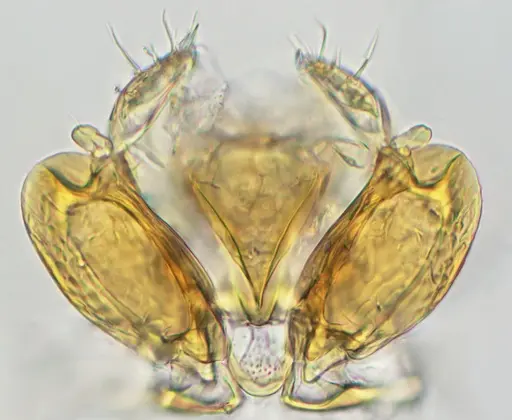
UFV-LABECOL-010841
View on AntWeb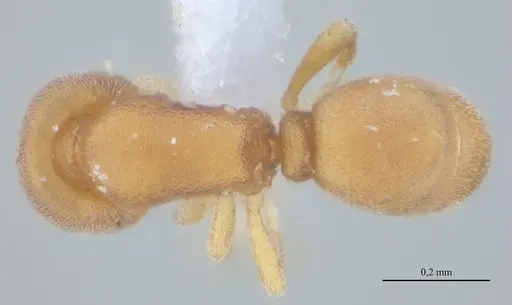
UFV-LABECOL-010842
View on AntWeb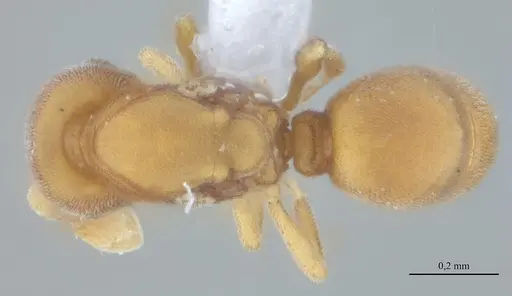
UFV-LABECOL-011159
View on AntWeb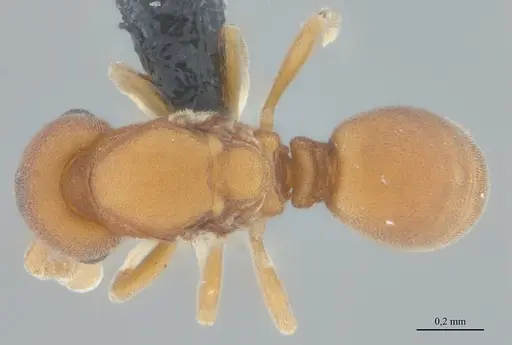
UFV-LABECOL-011161
View on AntWeb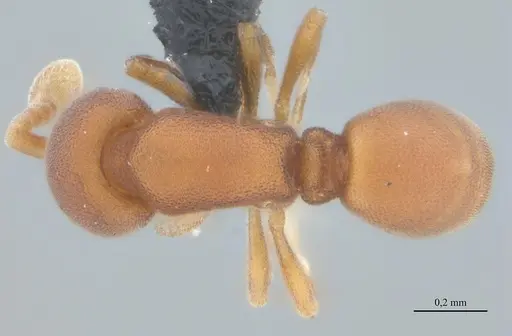
UFV-LABECOL-011175
View on AntWeb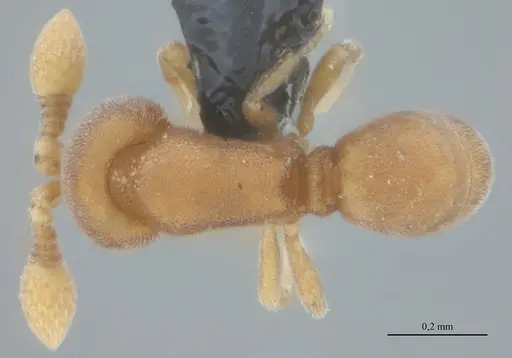
USNMENT01124237
View on AntWeb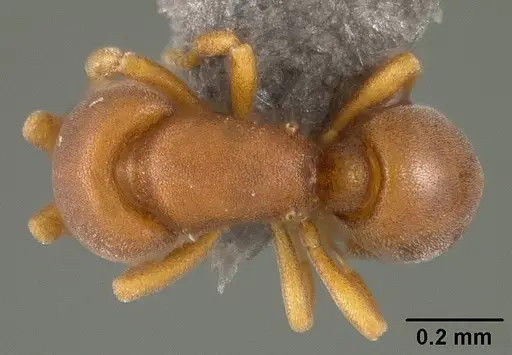
Literature
Loading...Loading products...