

Discothyrea sauteri
- Scientific Name
- Discothyrea sauteri
- Tribe
- Proceratiini
- Subfamily
- Proceratiinae
- Author
- Forel, 1912
- Distribution
- Found in 3 countries
Discothyrea sauteri Overview
Discothyrea sauteri is an ant species of the genus Discothyrea. It is primarily documented in 3 countries , including China, Japan, Taiwan. Detailed taxonomic data and occurrence records can be further explored via authoritative databases such as AntWeb or the Global Biodiversity Information Facility (GBIF).
Discothyrea sauteri
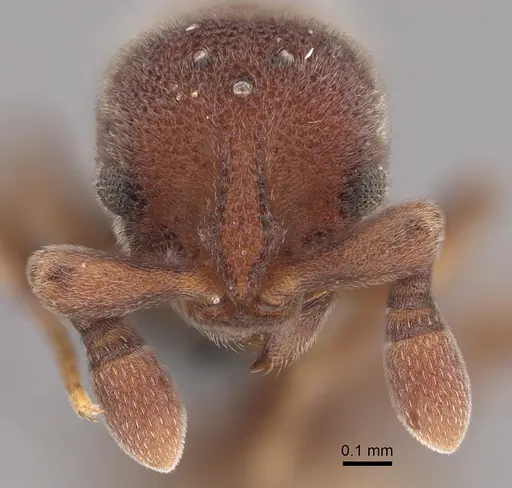
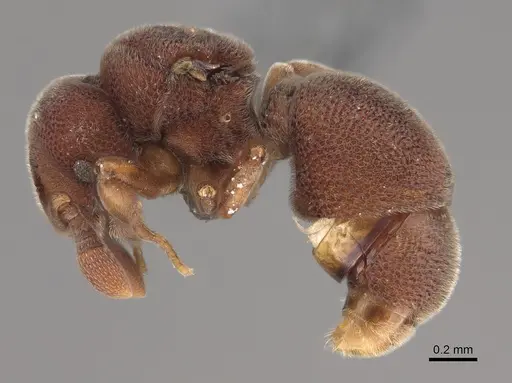
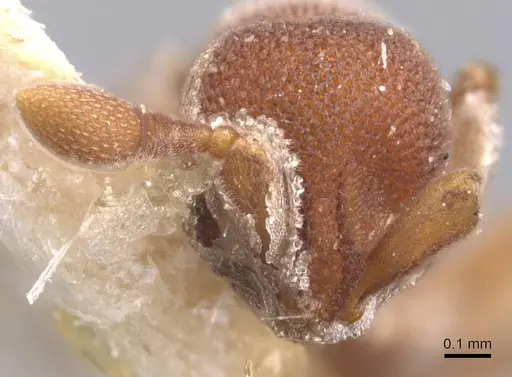
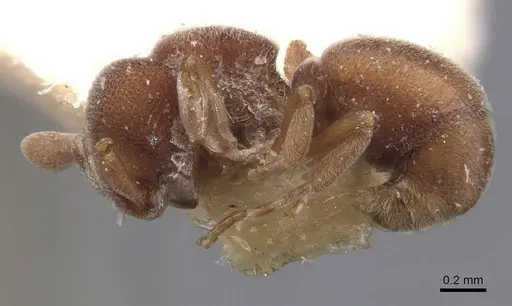
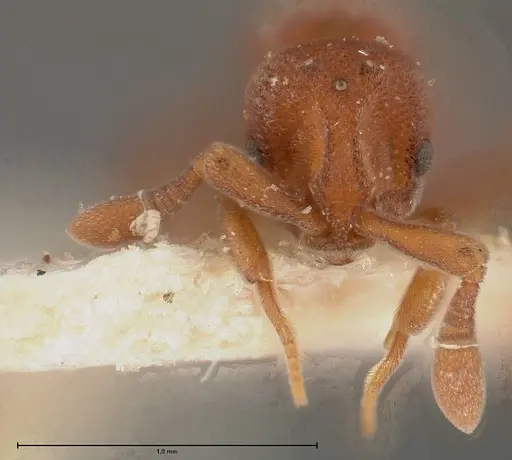
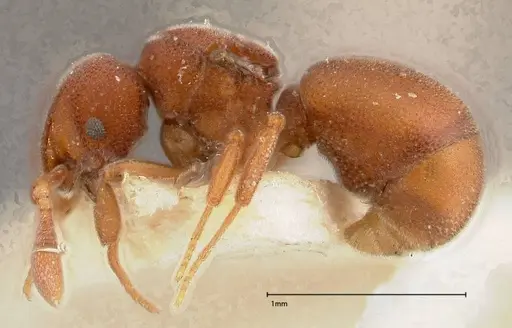
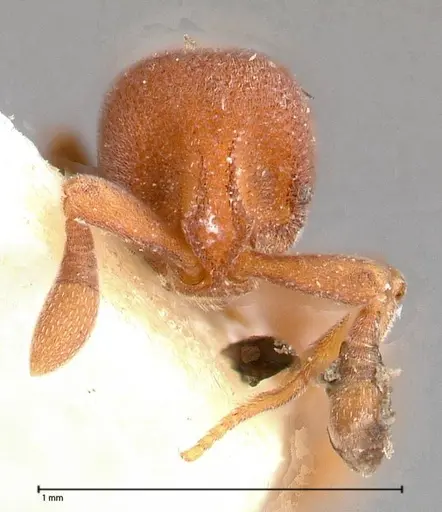
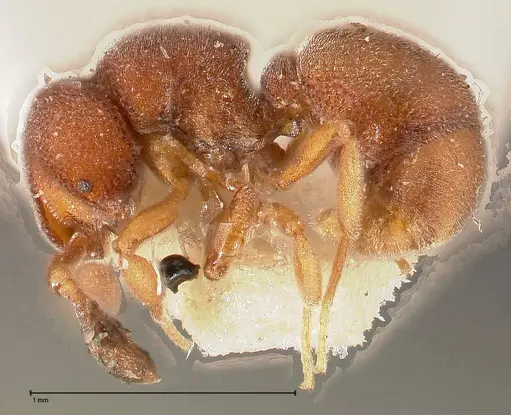
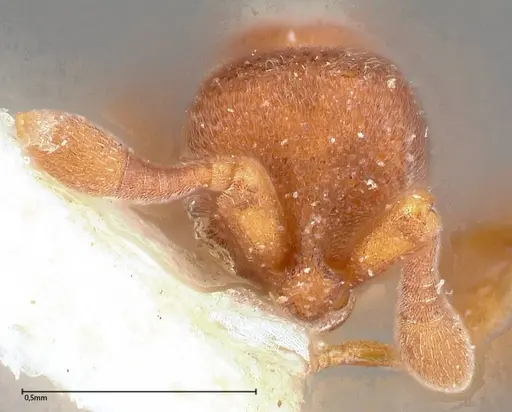
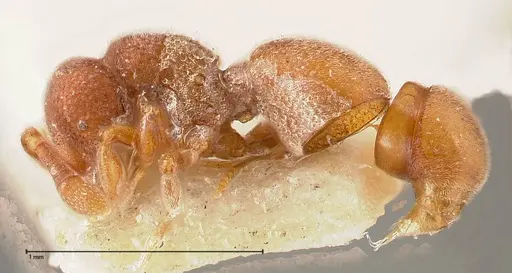
Discothyrea sauteri is a tiny predatory ant native to East Asia, found across China, Taiwan, Japan, Korea, and Singapore [1]. Workers measure just 1.6-2.0mm, making them one of the smaller ant species you'll encounter [1][2]. They belong to the Proceratiinae subfamily and have a distinctive appearance with an enlarged antennal club and relatively compact body. These ants nest in small cavities within rotting logs, dead branches, and shallow soil chambers about 100mm deep on the forest floor [3]. What makes D. sauteri truly special is their diet, they're specialized predators that hunt spider eggs and centipede eggs, using unique foreleg movements to handle their slippery prey [3]. Colonies are small, typically containing 10-130 workers, and can have either one queen or multiple queens working together [3].
Quick Summary
- Difficulty: Medium
- Origin & Habitat: East Asia, found in China, Taiwan, Japan, South Korea, and Singapore. They live in evergreen broadleaf forests, nesting in rotting wood, dead branches, and shallow soil cavities on the forest floor [3].
- Colony Type: Flexible colony structure, can be single-queen (monogyne) or multi-queen (polygyny). About one-third of wild colonies have multiple queens (1-14 queens documented), and all queens in polygynous colonies are fertile and actively laying eggs [3].
- Colony: Optionally polygyne
- Size & Growth:
- Queen: Approximately 3mm (estimated based on related species)
- Worker: 1.6-2.0mm [1][2]
- Colony: Up to 132 workers, typical colony contains 30-50 workers [3]
- Growth: Slow, small colony size and specialized diet suggest slower development
- Development: Estimated 8-12 weeks (inferred from similar small poneroid ants) (Development time not directly studied, estimates based on related Proceratiinae species)
- Antkeeping:
- Temperature: Keep around 22-26°C. They inhabit temperate to subtropical forests, so aim for warm room temperature with slight variation [3].
- Humidity: High humidity required, forest floor dwellers need moist substrate. Keep nesting material consistently damp but not waterlogged [3].
- Diapause: Yes, they experience seasonal dormancy in their native range. Expect reduced activity during winter months in temperate areas [3].
- Nesting: Best in naturalistic setups with rotting wood pieces, or small test tube setups with moist substrate. They prefer tight, enclosed spaces that mimic their natural soil cavities and rotting wood nests [3].
- Behavior: Docile and non-aggressive. Workers will feign death (thanatosis) when disturbed, curling up motionless, a common defense mechanism [3]. They are specialized predators that actively hunt spider eggs, using unique foreleg movements to clean and handle their slippery prey. Workers recruit nestmates to food sources through simple communication. Due to their tiny size, escape prevention is critical, they can slip through standard barriers easily [3].
- Common Issues: tiny size means escapes are likely without fine mesh barriers, specialized diet makes them difficult to feed, need spider eggs or suitable alternatives, slow colony growth requires patience, high humidity needs can lead to mold if ventilation is poor, wild-caught colonies may be stressed and difficult to establish
Housing and Nest Setup
Discothyrea sauteri requires careful housing due to their tiny size and specialized needs. Use test tubes with cotton-plugged water reservoirs, or small naturalistic setups with rotting wood pieces and moist soil. They naturally nest in shallow soil cavities (about 100mm deep) and rotting wood on the forest floor, so replicate these conditions [3]. Because workers are only 1.6-2.0mm, standard formicarium gaps are huge escape risks. Use fine mesh barriers and ensure all connections are tight. A small outworld works well, they don't need much space given their tiny colony sizes. Keep the nest area humid but provide some ventilation to prevent mold. The foraging area can be drier.
Feeding and Diet
This is the most challenging aspect of keeping D. sauteri. They are specialized predators of spider eggs and centipede eggs, this is their primary food source in the wild [3]. In captivity, you can try offering small spider eggs (from house spiders like Parasteatoda or Pardosa species), but this is impractical for most keepers. Some success has been observed with small arthropod eggs in general. Workers will lick honey solutions but don't rely on sugar, they need protein [3]. The unique foreleg behavior observed in these ants helps them handle slippery egg prey, so live or freshly killed small arthropod eggs may be the best option. This specialized diet makes them a species for more experienced keepers willing to source unusual foods.
Temperature and Seasonal Care
Keep them at room temperature, ideally 22-26°C. They come from temperate to subtropical East Asian forests, so they handle typical indoor temperatures well. Avoid temperature extremes, sudden drops or prolonged cold will stress them. During winter in temperate regions, expect reduced activity as they enter seasonal dormancy. This diapause period is natural and helps maintain their annual cycle. Don't panic if activity decreases in winter months, this is expected behavior for a species from a seasonal climate. [3]
Behavior and Defense
D. sauteri workers are docile and non-confrontational. When disturbed, they display thanatosis, feigning death by curling up motionless [3]. This is a passive defense mechanism rather than aggression. They won't bite or sting humans. In the wild, when workers discover spider egg sacs, they recruit others through simple communication, one worker antennates the egg sac, returns to excite nestmates, then leads them back to the food source [3]. Workers also perform unique foreleg grooming movements involving special exocrine glands in their coxae, this behavior is used to clean their antennae and may help with prey handling [4]. Their small size and docile nature make them fascinating to observe but challenging to house securely.
Colony Structure and Growth
Colonies are small but can have flexible social structure. Wild colonies contain 1-132 workers, with a typical colony having around 30-50 workers [3]. About one-third of queenright colonies are polygynous (multiple queens), with 1-14 queens documented in a single nest. All queens in polygynous colonies are fertile and actively laying eggs, this is true functional polygyny, not just the presence of multiple queens [3]. There's a positive correlation between queen number and worker number per colony. Colonies reproduce through colony fission (when a queen leaves with workers) rather than independent founding, no solitary foundresses have ever been observed in the wild [3]. This means established colonies are your best option for starting a culture.
Frequently Asked Questions
Can I keep Discothyrea sauteri in a test tube?
Yes, test tubes work well for small colonies. Use a small test tube with a cotton-plugged water reservoir. Due to their tiny size (1.6-2.0mm), ensure the cotton is packed tightly and consider adding a fine mesh barrier at the tube entrance to prevent escapes.
What do Discothyrea sauteri eat?
They are specialized spider egg predators in the wild. In captivity, you should try offering small spider eggs (from species like house spiders). They will also lick honey solutions but need protein. This specialized diet makes them challenging, they're not suitable for beginners who want simple feeding routines.
How long does it take for first workers to appear?
Exact development time hasn't been studied, but based on related Proceratiinae ants, expect 8-12 weeks from egg to worker at warm room temperature. Colony growth is slow, with typical colonies reaching only 30-50 workers.
Can I keep multiple queens together?
Yes, D. sauteri naturally forms polygynous colonies. About one-third of wild colonies have multiple queens (1-14 documented), and all queens are fertile. However, combining unrelated foundress queens hasn't been documented, so it's safer to start with a single queen or an already-established colony.
How big do Discothyrea sauteri colonies get?
Colonies are small, the largest documented wild colony had 132 workers. Typical colonies contain 30-50 workers. They remain small colonies compared to many common ant species.
Do Discothyrea sauteri ants sting?
No, they are completely harmless to humans. These tiny ants are docile and passive. When threatened, workers simply feign death (curl up motionless) rather than attacking.
Are Discothyrea sauteri good for beginners?
No, this is a species for experienced keepers. Their specialized diet (spider eggs), tiny size requiring excellent escape prevention, and need for high humidity make them challenging. They're fascinating ants but not recommended as a first species.
Do Discothyrea sauteri need hibernation?
Yes, they experience seasonal dormancy in their native East Asian habitat. In temperate climates, expect reduced activity during winter months. Keep them cool (10-15°C) during this period rather than actively heating them.
Why are my Discothyrea sauteri dying?
Common causes include: improper diet (they need arthropod eggs, not just sugar/protein mixes), low humidity (they need consistently moist nesting material), escapes due to tiny size, and stress from wild-caught origins. Ensure you're meeting their specialized requirements before troubleshooting further.
When should I move them to a formicarium?
Given their tiny size and specialized needs, test tubes work well for most of their lifecycle. Only consider moving to a small naturalistic setup if your colony grows large (50+ workers) and you can provide appropriate humidity control and escape prevention.
References

This caresheet is licensed under CC BY-SA 4.0 .
CASENT0746000
View on AntWeb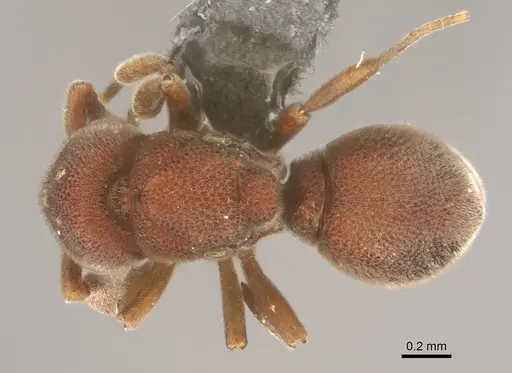
CASENT0907207
View on AntWeb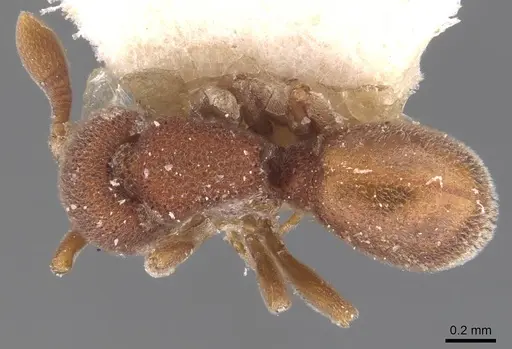
FOCOL0377
View on AntWeb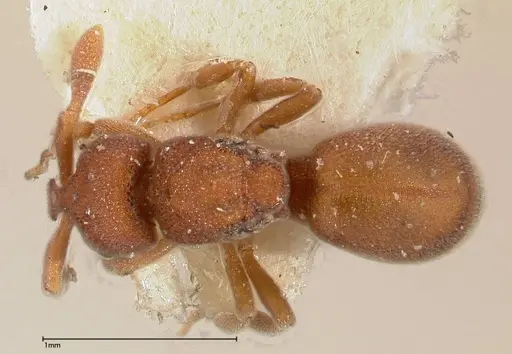
FOCOL0378-1
View on AntWeb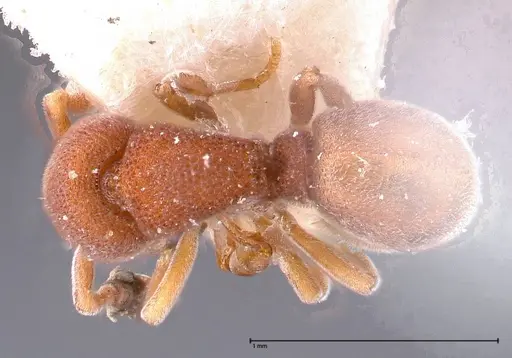
FOCOL0378-2
View on AntWeb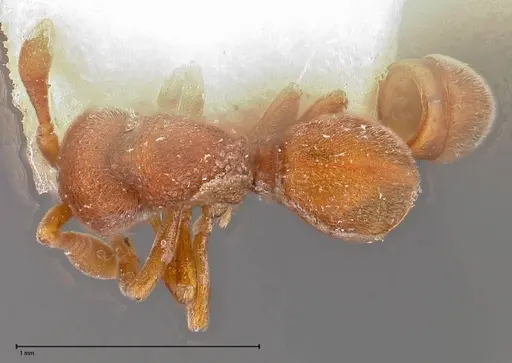
Literature
Loading...Loading products...