

Discothyrea poweri
- Scientific Name
- Discothyrea poweri
- Tribe
- Proceratiini
- Subfamily
- Proceratiinae
- Author
- Arnold, 1916
- Common Name
- Red Curltail ant
- Distribution
- Found in 1 countries
Discothyrea poweri Overview
Discothyrea poweri (commonly known as the Red Curltail ant) is an ant species of the genus Discothyrea. It is primarily documented in 1 countries , including South Africa. Detailed taxonomic data and occurrence records can be further explored via authoritative databases such as AntWeb or the Global Biodiversity Information Facility (GBIF).
Discothyrea poweri - "Red Curltail ant"
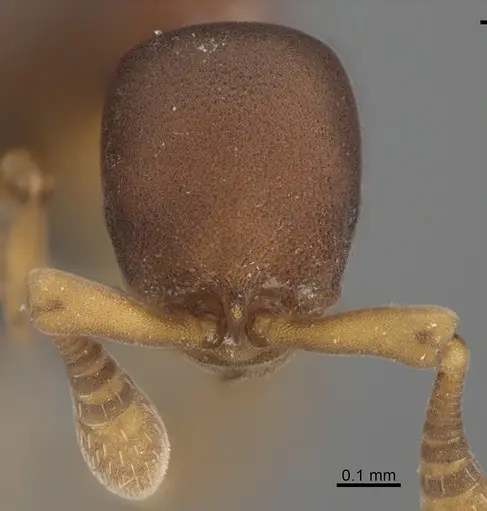
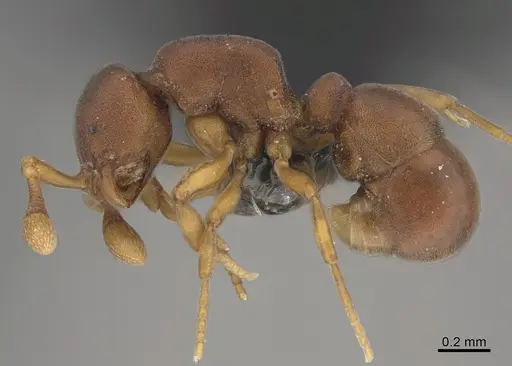
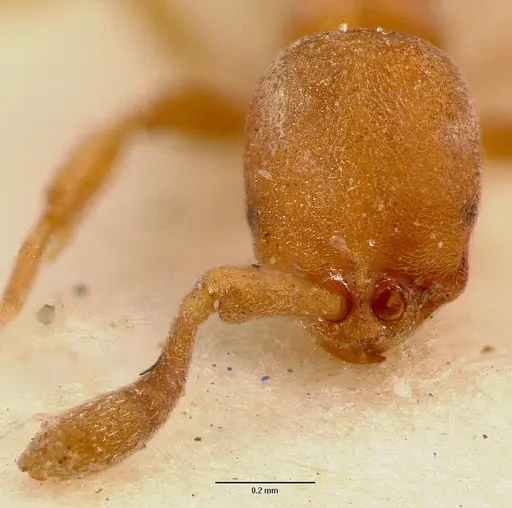
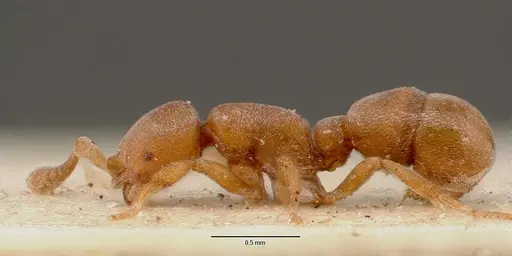
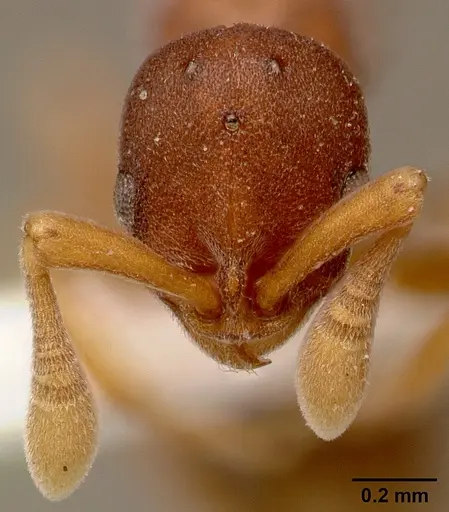
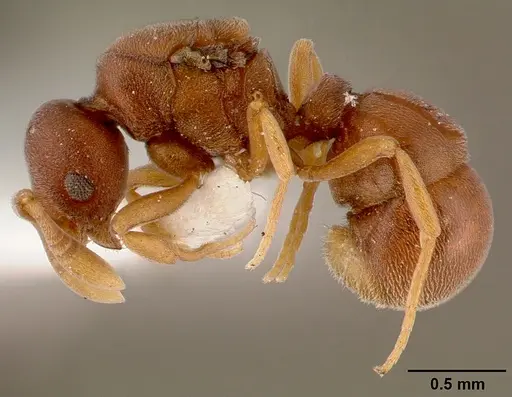
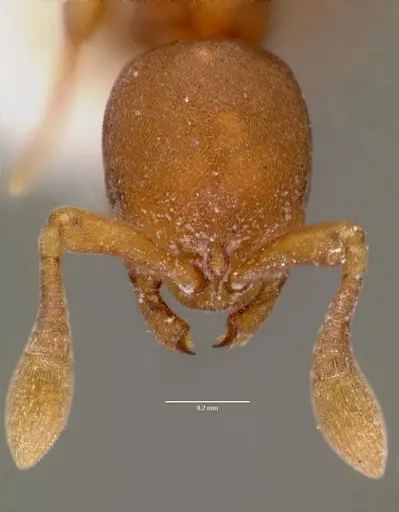
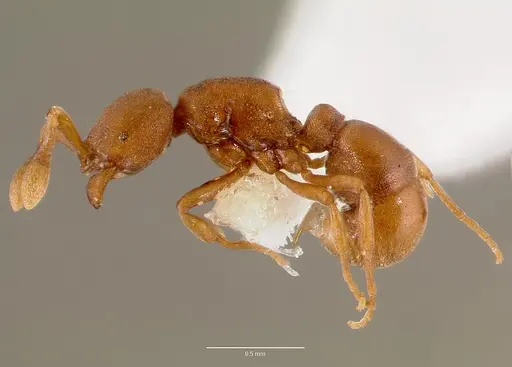
Discothyrea poweri is a small but relatively large member of the genus Discothyrea, native to South Africa and Zimbabwe. Workers measure 0.67-0.84mm in Weber's length, making them one of the larger species within the traegaordhi complex. They have distinctive long legs, elongated antennae with a narrow apical club, and an unusually thick petiole (the segment connecting the thorax and abdomen). Their body is uniformly dull testaceous orange to brownish, with no standing hairs on the abdominal dorsum, only short, appressed pubescence. A distinguishing feature is the presence of a mesotibial spur on the middle legs, which is rare in this genus [1].
This species inhabits forest environments across elevations from sea level to 1700m, including fynbos, bushland, coastal shrub, and botanical gardens. They nest in cryptic microhabitats, leaf litter, rotten wood, and under stones, which reflects their preference for moist, shaded conditions. As a predator, like other Discothyrea species, they likely specialize in hunting small arthropods and spider eggs, using their specialized morphology to access tight spaces in the leaf litter layer [1][2].
Quick Summary
- Difficulty: Medium
- Origin & Habitat: South Africa (Western Cape to KwaZulu-Natal) and Zimbabwe. Found in forests, fynbos, bushland, coastal shrub, and botanical gardens at elevations from sea level to 1700m. Nests in leaf litter, rotten wood, and under stones [1].
- Colony Type: Colony structure is unconfirmed. Likely single-queen (monogyne) based on typical genus patterns, but no specific studies document colony structure for this species.
- Size & Growth:
- Queen: Not described in available literature, estimated 4-5mm based on genus patterns
- Worker: Workers are tiny at 0.67-0.84mm Weber's length (WL) [1]
- Colony: Unknown, likely small colonies typical of leaf-litter ants (estimated under 100 workers)
- Growth: Unknown, likely slow to moderate given small colony size
- Development: Estimated 6-10 weeks based on related Proceratiinae species (No direct development data exists for this species. Estimates based on genus-level patterns for small leaf-litter ants in temperate climates.)
- Antkeeping:
- Temperature: Keep around 20-24°C. This species comes from temperate South Africa with mild winters, so room temperature is likely suitable. Provide a gentle thermal gradient if possible [1].
- Humidity: High humidity required, think damp forest floor. Keep nest substrate consistently moist but not waterlogged. Provide a humid outworld as these ants are surface-active in moist environments [1].
- Diapause: Likely yes, South African temperate populations likely require a mild winter rest period (6-8 weeks at 10-15°C). More research needed to confirm.
- Nesting: Natural nesting in leaf litter, rotten wood, and under stones suggests a naturalistic setup works well. A Y-tong or plaster nest with tight chambers scaled to their tiny size is appropriate. Keep nest material consistently damp.
- Behavior: These are cryptic, slow-moving ants that forage in the leaf litter layer. They are not aggressive and pose no threat to keepers. Their small size (under 1mm) makes escape prevention critical, they can squeeze through tiny gaps. They are predators, likely hunting small arthropods and spider eggs. No stinging ability worth mentioning due to their minute size [1].
- Common Issues: escape prevention is critical due to their tiny size, use fine mesh and tight-fitting lids, colonies are likely small and slow-growing, requiring patience, wild-caught colonies may have parasites that are difficult to detect in such small ants, overheating or drying out will quickly kill colonies, monitor humidity closely, their cryptic lifestyle means you may not see much activity, this is normal, not a sign of problems
Housing and Nest Preferences
Discothyrea poweri naturally nests in cryptic microhabitats, leaf litter, rotting wood, and under stones. For captivity, a naturalistic setup with a moist substrate layer works well, or a Y-tong/plaster nest with small chambers scaled to their tiny size. The key is maintaining consistently high humidity without flooding. These ants are too small for test tube setups, their chambers need to be much tighter. Provide a hydration reservoir in the nest and mist the outworld regularly. Avoid tall, open spaces, these are ground-dwelling leaf-litter ants that prefer tight, confined spaces [1].
Feeding and Diet
Like other Discothyrea species, D. poweri is a predator. In the related genus Proceratium, they have been observed storing spider eggs [2]. For captivity, offer small live prey such as springtails, fruit flies, and other tiny arthropods. They are unlikely to accept sugar water or honey due to their predatory nature. Feed small prey items 2-3 times per week, adjusting based on colony size and consumption. Remove uneaten prey to prevent mold. Given their minute size, prey should be appropriately sized, no larger than their own body width.
Temperature and Seasonal Care
Keep the nest at 20-24°C, which aligns with their native South African temperate forest habitat. Room temperature is likely suitable for most keepers. Provide a gentle thermal gradient so ants can self-regulate. During winter (roughly November-February in their native range), consider providing a mild cool period at 10-15°C for 6-8 weeks to simulate seasonal conditions. This species likely experiences cooler winters in the higher elevation parts of its range (up to 1700m). Monitor colony activity, if they become less active in winter, this is normal. Avoid temperatures above 28°C or below 15°C for extended periods. [1]
Behavior and Observation
These are cryptic, slow-moving ants that spend most of their time in the nest or foraging quietly in the leaf litter layer. They are not aggressive and will flee rather than fight. You won't see dramatic foraging raids or major colony activity, their lifestyle is subtle. Workers are tiny (under 1mm) and can be hard to spot. They have relatively large eyes for their size, which may help them navigate in the dim leaf litter environment. The presence of a mesotibial spur is a distinguishing morphological feature. Their thick petiole and long legs help distinguish them from related species. Observation is best done with a magnifying glass or macro photography. [1]
Frequently Asked Questions
How long does it take for Discothyrea poweri to produce first workers?
The exact timeline is unknown, but based on related Proceratiinae species, expect 6-10 weeks from egg to worker at optimal temperature (around 22°C). Growth is likely slow, patience is required.
Can I keep Discothyrea poweri in a test tube setup?
Test tubes are not ideal due to their tiny size (workers under 1mm). They need tighter chambers. A Y-tong or plaster nest with small passages, or a naturalistic setup with moist substrate, works better.
What do Discothyrea poweri ants eat?
They are predators. Feed small live prey like springtails, fruit flies, and tiny arthropods. They likely specialize in hunting small invertebrates in the leaf litter. Sugar sources are unlikely to be accepted.
Do Discothyrea poweri ants sting?
Their sting is negligible, too small to penetrate human skin. They pose no danger to keepers.
Are Discothyrea poweri good for beginners?
They are rated Medium difficulty. While not aggressive, their small size, humidity requirements, and cryptic lifestyle make them better suited for keepers with some experience. Patience is essential due to slow colony growth.
Do Discothyrea poweri need hibernation?
Likely yes, South African temperate populations probably need a mild winter rest at 10-15°C for 6-8 weeks. More research is needed to confirm, but this is typical for their native climate.
How big do Discothyrea poweri colonies get?
Colony size is unknown but likely small, probably under 100 workers. This is typical for leaf-litter ant species that live in cryptic microhabitats.
Can I keep multiple queens together?
Not documented for this species. Based on typical genus patterns, they likely form single-queen colonies. Combining unrelated queens is not recommended without specific research.
What makes Discothyrea poweri different from other Discothyrea?
They are one of the larger species in the traegaordhi complex with notably long legs, long antennae, and a thick petiole. The presence of a mesotibial spur distinguishes them from most other species in the complex. They lack standing hairs on the abdominal dorsum, having only short appressed pubescence.
References

This caresheet is licensed under CC BY-SA 4.0 .
CASENT0396128
View on AntWeb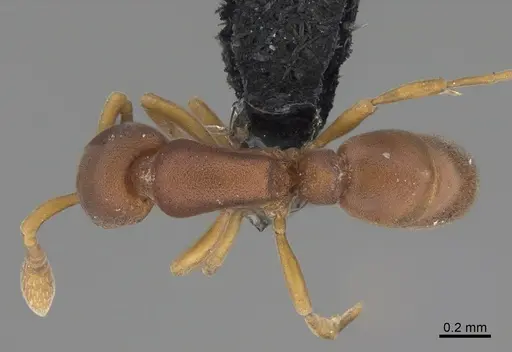
SAM-ENT-0011509
View on AntWeb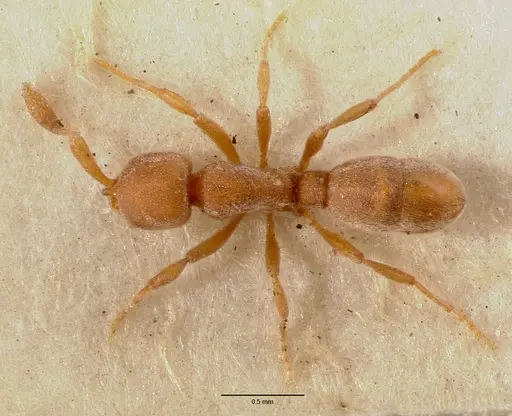
SAM-HYM-C000124
View on AntWeb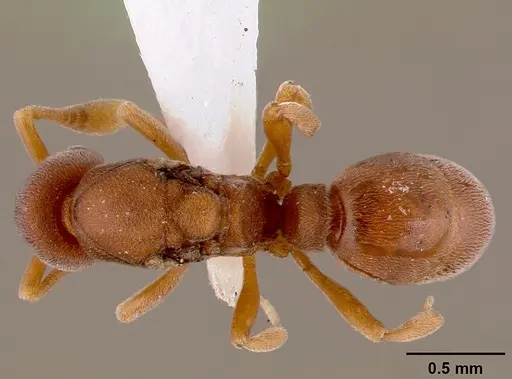
SAM-HYM-C007942
View on AntWeb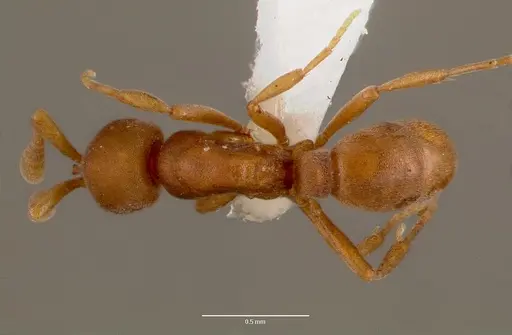
Literature
Loading...Loading products...