

Discothyrea patrizii
- Scientific Name
- Discothyrea patrizii
- Tribe
- Proceratiini
- Subfamily
- Proceratiinae
- Author
- Weber, 1949
- Distribution
- Found in 2 countries
Discothyrea patrizii Overview
Discothyrea patrizii is an ant species of the genus Discothyrea. It is primarily documented in 2 countries , including Kenya, Tanzania, United Republic of. Detailed taxonomic data and occurrence records can be further explored via authoritative databases such as AntWeb or the Global Biodiversity Information Facility (GBIF).
Discothyrea patrizii
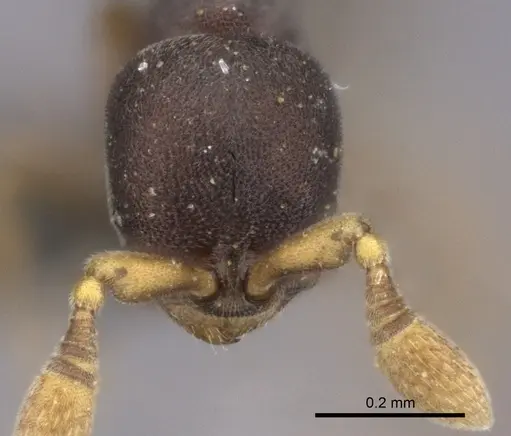
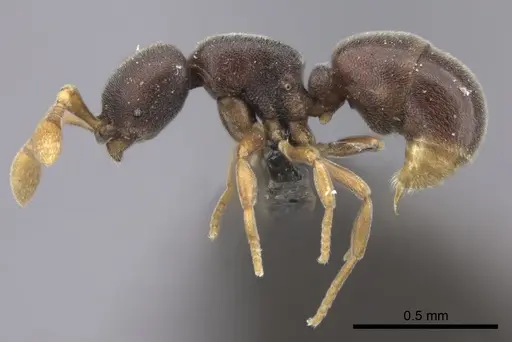
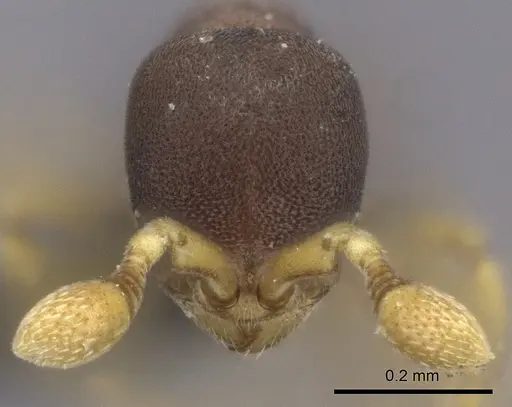
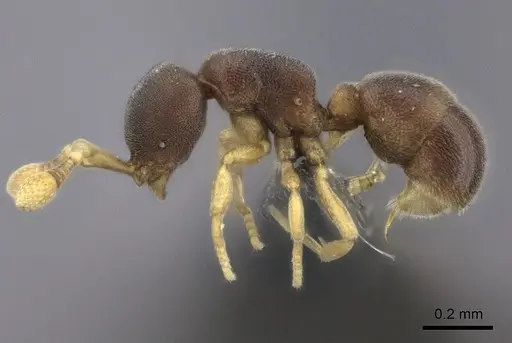
Discothyrea patrizii is a tiny predatory ant native to the montane forests of East Africa, specifically Kenya and Tanzania. Workers measure a mere 0.40-0.57mm in mesosoma length, making them among the smallest ants you'll encounter [1]. They have a distinctive appearance with relatively large, round eyes, a slender mesosoma, and a strongly attenuated petiolar node that gives them an unusual profile [1]. Color is highly variable, individuals range from uniform matte orange to very deep brown, all with yellowish appendages [1][2]. These ants live at high elevations between 1600-1800m in montane forests, where they inhabit leaf litter and hunt spider eggs [1][2]. This species was once considered rare but is now known to be widespread across East Africa following taxonomic revisions.
Quick Summary
- Difficulty: Medium
- Origin & Habitat: Montane forests in Kenya and Tanzania at elevations 1600-1800m [1][2]. They inhabit leaf litter in these high-elevation forest environments.
- Colony Type: Colony structure is unconfirmed. Multiple queens have not been documented in wild colonies.
- Size & Growth:
- Queen: Unconfirmed, original description includes queen but specific measurements not available in current data
- Worker: 0.40-0.57mm mesosoma length (WL), head width 0.30-0.47mm [1]
- Colony: Unknown, no colony size data available
- Growth: Unknown, no development timeline data available
- Development: Unconfirmed, no direct measurements available (Based on typical Discothyrea patterns and their small size, development may take several months. More data needed.)
- Antkeeping:
- Temperature: Keep at 20-24°C. Based on their montane forest habitat at 1600-1800m elevation, they prefer cooler conditions than typical tropical ants. Room temperature within this range should work well.
- Humidity: High humidity is essential, these are leaf-litter ants from damp montane forests. Keep nest substrate consistently moist but not waterlogged. Provide a water tube for drinking access.
- Diapause: Unknown, no specific data on winter dormancy. Their high-elevation habitat suggests they may tolerate cooler temperatures but diapause requirements are unconfirmed.
- Nesting: Natural habitat is leaf litter on the forest floor. In captivity, they do well in test tubes with moist substrate or small acrylic nests. Their tiny size means chambers should be appropriately scaled.
- Behavior: These ants are specialized predators, known for hunting spider eggs and other small arthropods in nature [2]. They are small and relatively docile, with no aggressive defense behaviors documented. Workers forage individually in leaf litter. Their large eyes for their size suggest they may rely more on visual cues than many ants. Escape prevention is critical due to their very small size, they can squeeze through standard gaps that larger ants cannot. They are not known to sting and pose no danger to keepers.
- Common Issues: escape prevention is critical due to their tiny size, use fine mesh and tight-fitting barriers, high humidity requirements can lead to mold if ventilation is poor, slow growth and small size make them vulnerable to neglect, specialized diet means they may refuse standard ant foods, wild-caught colonies may have parasites that affect survival
Housing and Nest Setup
Discothyrea patrizii is a tiny ant that requires appropriately scaled housing. Test tubes work well for founding colonies, use a small diameter tube with a cotton barrier and water reservoir. The colony will need access to moisture but should not be flooded. For established colonies, small acrylic nests or ytong nests with narrow chambers work better than large formicariums. Because of their leaf-litter habitat, you can add a thin layer of moist soil or coco fiber to the outworld to simulate their natural environment. Escape prevention is absolutely critical, these ants are so small they can slip through gaps that seem sealed. Use fine mesh on any ventilation holes and ensure all edges are tightly sealed. [1][2]
Feeding and Diet
Discothyrea ants are specialized predators known primarily for hunting spider eggs in nature [2]. In captivity, their diet should focus on small live prey. Offer tiny insects like fruit fly pupae, newly hatched pinhead crickets, small mealworms, and most importantly, spider eggs if you can obtain them. Springtails are an excellent staple food that most colonies will readily accept. Some keepers report success with tiny pieces of raw chicken or other protein sources, but live prey is preferred. Sugar water is unlikely to be accepted given their predatory nature, do not rely on honey or sugar water as a food source. Feed small amounts every 2-3 days and remove uneaten prey within 24 hours to prevent mold.
Temperature and Humidity
These ants come from montane forests at 1600-1800m elevation in East Africa, which means they prefer cooler temperatures than typical tropical ants [1]. Aim for 20-24°C, this is cooler than most ant species. Room temperature in this range is ideal, avoid placing the nest on a heating mat unless your room is significantly below this range. Humidity is more critical, they need consistently moist conditions. Keep the nest substrate damp but not waterlogged. A water tube connected to the nest helps maintain humidity while providing drinking water. Mist the outworld occasionally but avoid standing water. Good ventilation is needed to prevent mold while maintaining humidity.
Behavior and Colony Care
This is a docile, non-aggressive species that poses no danger to keepers. Workers are tiny and forage individually through leaf litter in search of prey. They are not known to sting. The colony will likely remain small, Discothyrea species typically do not produce massive colonies. Queens are not particularly claustral and may require some prey during founding, though this is unconfirmed for this specific species. Watch for workers carrying prey back to the nest, this indicates successful hunting. Colonies grow slowly due to their small size and specialized diet. Be patient and do not overfeed, as excess prey can mold and harm the colony. [2]
Frequently Asked Questions
How long does it take for Discothyrea patrizii to produce first workers?
The egg-to-worker timeline is unconfirmed for this species. Based on their very small size and typical Discothyrea patterns, expect several months. More data is needed for accurate estimates.
Can I keep Discothyrea patrizii in a test tube?
Yes, test tubes work well for founding colonies. Use a small diameter tube appropriate for their tiny size, keep it moist but not flooded, and ensure excellent escape prevention with fine mesh barriers.
What do Discothyrea patrizii eat?
They are specialized predators. Offer small live prey like springtails, fruit flies, tiny mealworms, and spider eggs if available. Sugar sources are unlikely to be accepted. Remove uneaten prey within 24 hours.
Do Discothyrea patrizii ants sting?
No, they are not known to sting and pose no danger to keepers. They are docile little ants that rely on hiding rather than defense.
Are Discothyrea patrizii good for beginners?
They are considered medium difficulty. Their tiny size, specialized diet, and high humidity requirements make them more challenging than species like Lasius or Camponotus. They require more attention to escape prevention and feeding.
What temperature do Discothyrea patrizii need?
Keep them at 20-24°C, which is cooler than most ants. This matches their montane forest habitat at high elevation in East Africa.
How big do Discothyrea patrizii colonies get?
Colony size is unknown. Based on related species, colonies likely remain relatively small, probably under a few hundred workers at most. They are not large colony producers.
Do Discothyrea patrizii need hibernation?
Diapause requirements are unconfirmed. Their high-elevation habitat suggests they may tolerate cooler temperatures, but whether they require a true hibernation period is unknown.
Why are my Discothyrea patrizii dying?
Common causes include escape through tiny gaps, mold from overwatering or poor ventilation, starvation from refusing to eat offered foods, and stress from temperatures outside their 20-24°C range. Check escape prevention first.
Can I keep multiple Discothyrea patrizii queens together?
This has not been documented. Combining unrelated queens is not recommended since colony structure and queen behavior are unconfirmed for this species.
References

This caresheet is licensed under CC BY-SA 4.0 .
CASENT0235472
View on AntWeb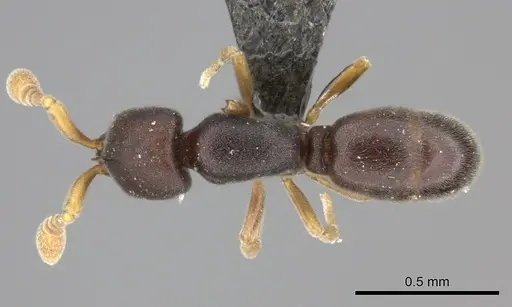
CASENT0235474
View on AntWeb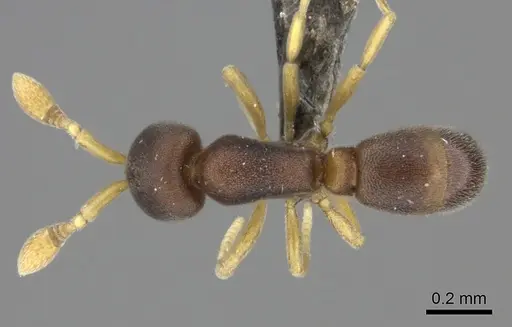
Literature
Loading...Loading products...