

Discothyrea mixta
- Scientific Name
- Discothyrea mixta
- Tribe
- Proceratiini
- Subfamily
- Proceratiinae
- Author
- Brown, 1958
- Distribution
- Found in 13 countries
Discothyrea mixta Overview
Discothyrea mixta is an ant species of the genus Discothyrea. It is primarily documented in 13 countries , including Congo, Democratic Republic of the, Central African Republic. Detailed taxonomic data and occurrence records can be further explored via authoritative databases such as AntWeb or the Global Biodiversity Information Facility (GBIF).
Discothyrea mixta
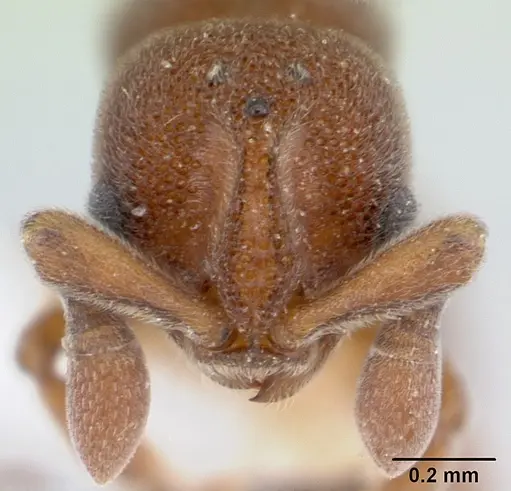
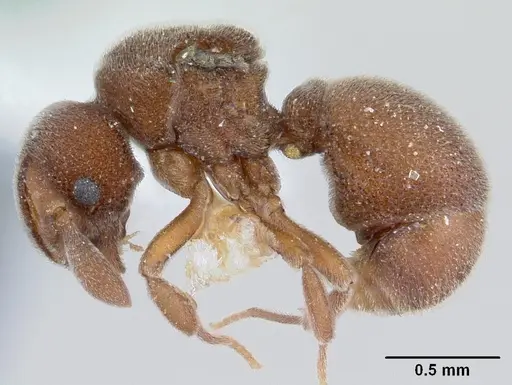
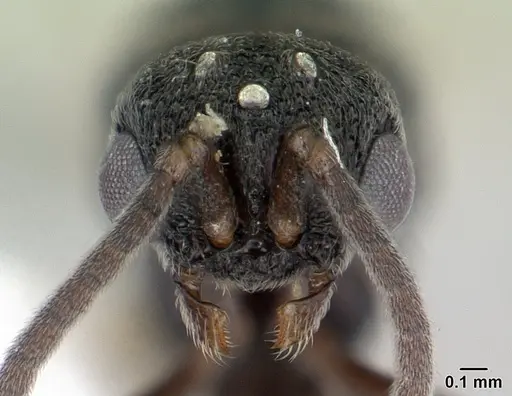
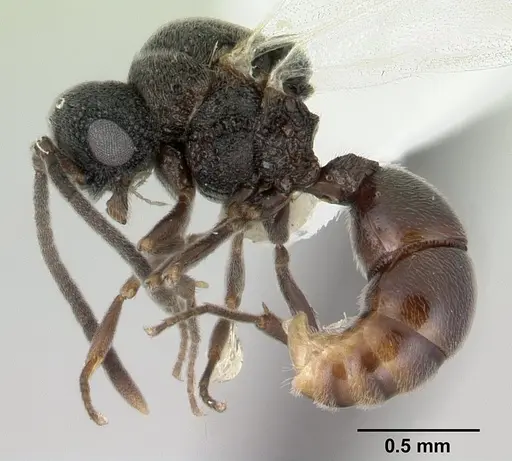
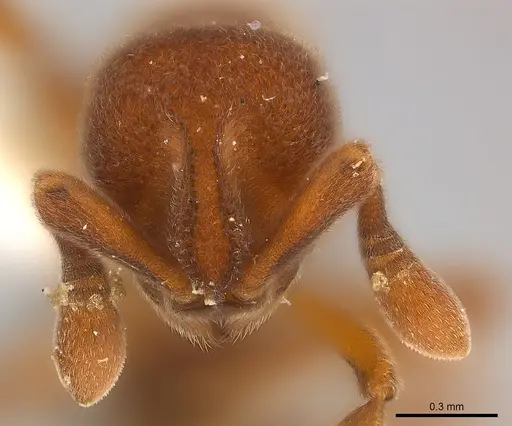
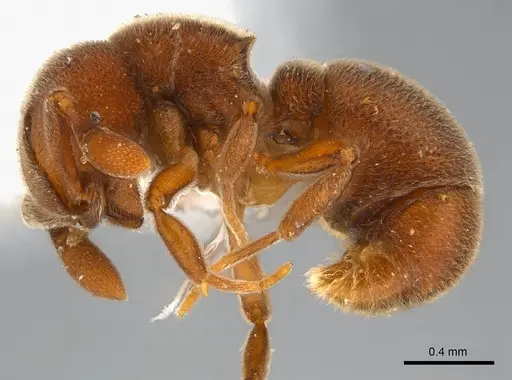
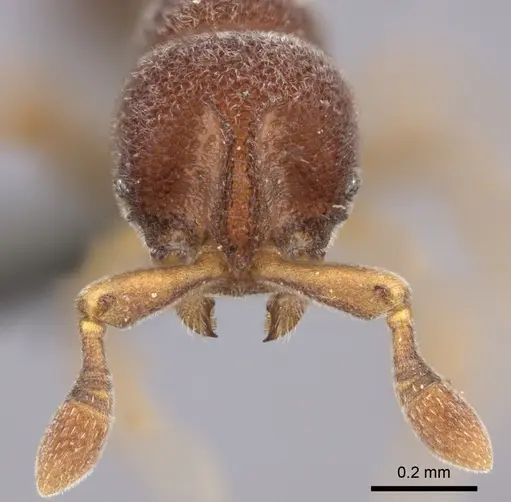
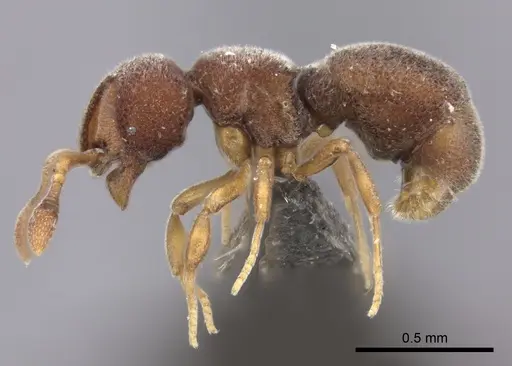
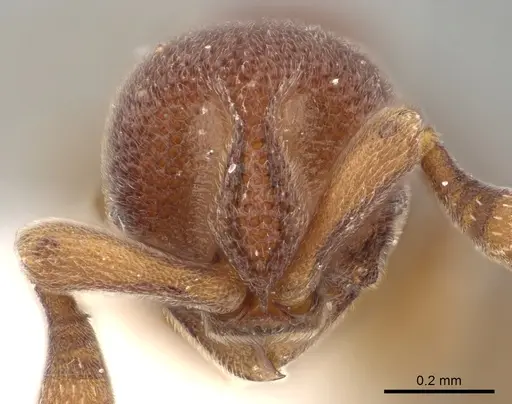
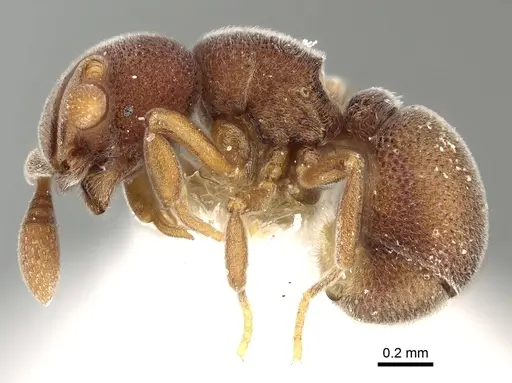
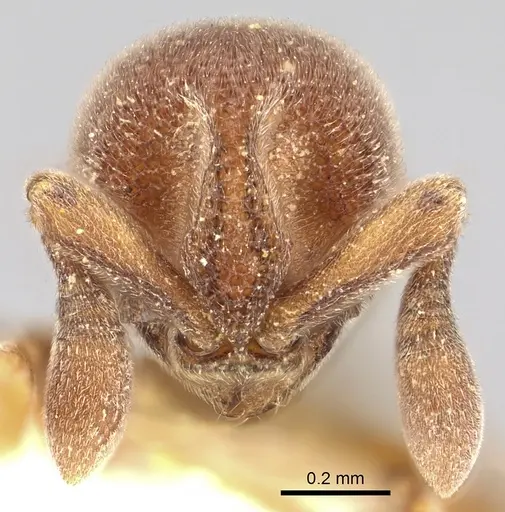
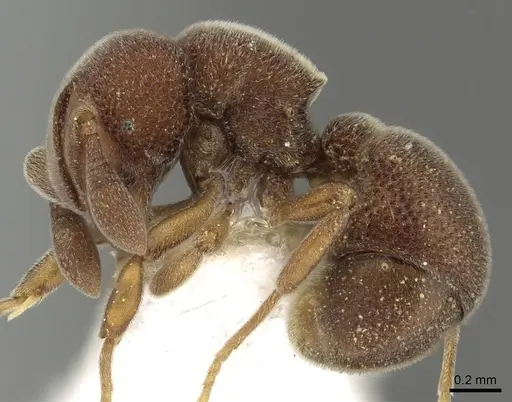
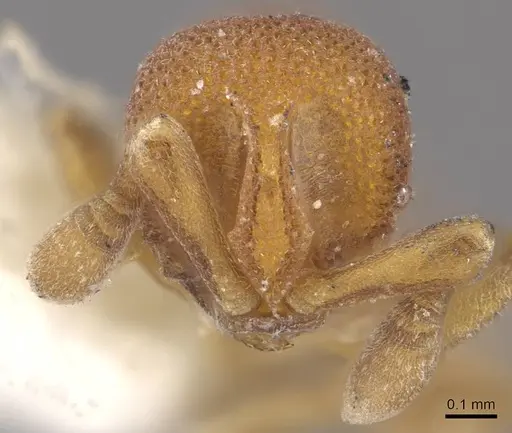
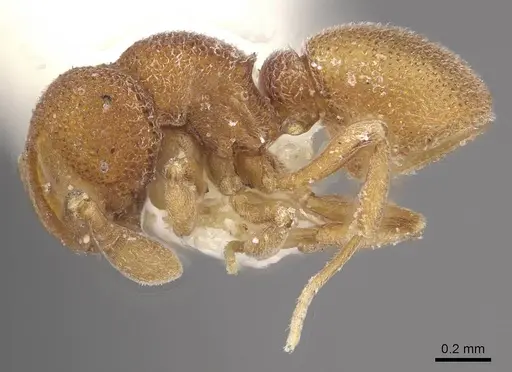
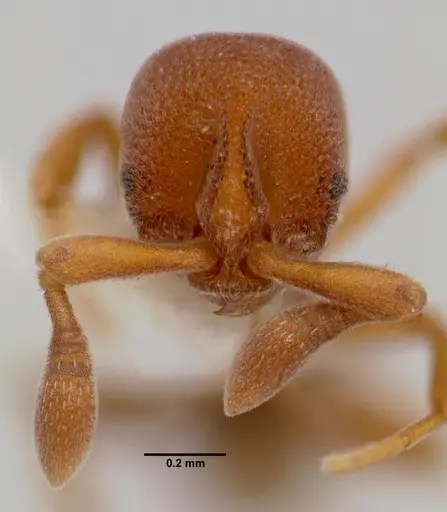
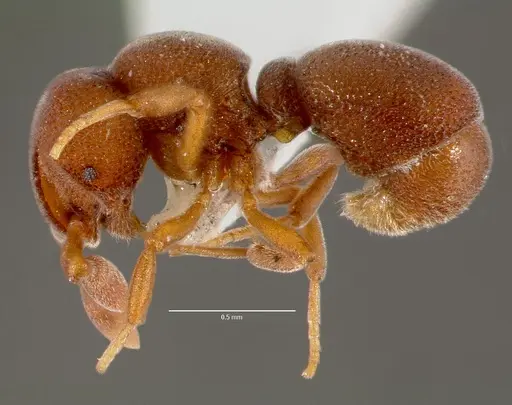
Discothyrea mixta is a tiny predatory ant found throughout the Afrotropical region, from West Africa to East Africa and down to South Africa. Workers measure just 0.6-0.7mm in body length, making them among the smallest ants you can keep [1]. They have a distinctive broad head (CI 88-94), small but visible eyes with around ten ommatidia, and a strongly angulate propodeum that gives them a somewhat angular appearance. Their coloration ranges from testaceous to orange-yellow, with the legs and abdominal segments often brighter than the rest of the body [1].
What makes D. mixta truly unique is their extremely specialized diet, they are dedicated predators that target almost exclusively spider eggs and spiderlings [1]. This is one of the most specialized feeding habits you'll encounter in antkeeping. They rapidly consume spiderlings while storing spider eggs as a long-term food reserve. Colonies are very small, typically containing fewer than 20 workers in laboratory settings, with a maximum of around 73 workers in related species [1]. When disturbed, workers and queens may feign death as a defense mechanism [1].
Quick Summary
- Difficulty: Expert
- Origin & Habitat: Afrotropical region, found in Angola, Cameroon, Democratic Republic of Congo, Ghana, Ivory Coast, Kenya, Liberia, Mozambique, Rwanda, South Africa, Tanzania, and Uganda. They inhabit leaf litter, humus, and other concealed microhabitats in forest habitats at various elevations [1][2].
- Colony Type: Likely monogyne (single queen) based on typical Discothyrea patterns. Colonies are very small, typically under 100 workers even in mature colonies [1].
- Colony: Monogyne
- Size & Growth:
- Queen: Unconfirmed, related species suggest queens are slightly larger than workers but still very small
- Worker: 0.59-0.72 mm (Weber's Length) [1]
- Colony: Maximum around 73 workers in related species, laboratory colonies of D. oculata produced fewer than 20 workers [1]
- Growth: Slow, very small colony size and specialized biology suggests slow development
- Development: Unconfirmed, likely 6-10 weeks based on related Proceratiinae species at warm temperatures (No direct development data available for this species. Related Discothyrea species suggest slow development due to small colony size and specialized biology.)
- Antkeeping:
- Temperature: Keep warm at 24-28°C. These are tropical forest ants that need stable, warm conditions. Use a heating cable on one side of the nest to create a gentle gradient [1].
- Humidity: High humidity is essential, they live in leaf litter and humus in forest habitats. Keep the nest substrate consistently moist but not waterlogged. Provide a water tube for drinking water [1].
- Diapause: No, as tropical forest ants from Afrotropical region, they do not require hibernation. Keep them at warm temperatures year-round [1].
- Nesting: These tiny ants need very small chambers and narrow passages. Test tubes with cotton barriers work well, or small acrylic nests with appropriately scaled chambers. They prefer dark, concealed nesting sites that mimic their natural leaf litter habitat [1].
- Behavior: D. mixta is a specialized predator that hunts spider eggs and spiderlings. Workers are small but actively forage through leaf litter. When threatened, they may feign death (thanatosis) as a defense [1]. They are not aggressive toward keepers but their tiny size makes them easy to lose. Escape prevention is critical, they can squeeze through the tiniest gaps. They are not known to sting and pose no danger to humans.
- Common Issues: specialized diet makes feeding difficult, they only accept spider eggs and spiderlings, which are hard to obtain regularly, tiny size means escapes are likely without fine mesh barriers and careful sealing, very slow colony growth can frustrate keepers expecting rapid development, small colony size means each individual is precious, colony loss can happen quickly, high humidity requirements can lead to mold if ventilation is poor
Housing and Nest Setup
Housing Discothyrea mixta requires attention to their tiny size and need for concealed spaces. Use test tubes with cotton barriers for founding colonies, or small acrylic nests with chambers scaled to their minute size. The chambers should be very small, these ants are only about 0.6mm long, so standard formicarium passages would be like highways to them. They prefer dark, humid environments that mimic their natural leaf litter habitat. Place the nest in a low-light area and avoid frequent disturbances. A small outworld connected to the nest allows for feeding space without exposing the nest itself to light. Escape prevention is critical, use fine mesh barriers and ensure all connections are sealed tightly [1].
Feeding and Diet
This is the most challenging aspect of keeping D. mixta. They are extreme specialists that only accept spider eggs and spiderlings as prey [1]. In foraging experiments, D. mixta rapidly consumed spiderlings while storing spider eggs as a long-term resource [3]. A nest collection in Kibale Forest, Uganda revealed a large number of spider eggspresumably stored as food [3].
You will need a reliable source of live spider eggs and spiderlings. This typically means either collecting from wild spider egg sacs or purchasing from invertebrate suppliers. Other prey items are generally rejected. This specialized diet makes D. mixta an expert-only species, you must be prepared to source appropriate food regularly. Do not offer standard ant foods like mealworms or sugar water, they will not accept them. Fresh water should always be available.
Temperature and Humidity
As tropical forest ants from the Afrotropical region, D. mixta needs warm, humid conditions year-round with no hibernation period. Maintain temperatures between 24-28°C using a heating cable placed on top of the nest (never underneath, as this can dry out the substrate). Create a temperature gradient so workers can move between warmer and cooler areas. Humidity should be high, they naturally inhabit leaf litter and humus where moisture is constant [1]. Keep the nest substrate consistently moist but not waterlogged. Allow some condensation to form on the test tube or nest walls, but ensure adequate ventilation to prevent mold. Dry conditions will quickly stress or kill these tiny ants.
Colony Dynamics and Growth
D. mixta colonies remain very small throughout their lifecycle. Maximum colony size is around 73 workers in related species, with laboratory colonies of the closely related D. oculata producing fewer than 20 workers [1]. This means you are not building toward a large, bustling colony, instead, you are maintaining a small, precious group of individuals. Growth is slow, and each worker represents significant investment. The queen is likely claustral (seals herself in to raise first workers alone), but founding behavior has not been directly documented for this species. Be patient with colony development, rushing or disturbing the nest can be fatal to such a small colony.
Handling and Observation
Due to their minute size and preference for dark, concealed spaces, observing D. mixta requires thoughtful setup. They are not a species you will watch actively foraging like larger ants. Instead, you will observe them through the walls of their nest or when they emerge to feed. When disturbed, workers and queens may feign death (thanatosis), this is normal defensive behavior, not a sign of illness [1]. Minimize vibrations and disturbances to the nest. Use red film or keep the colony in a low-traffic area to reduce stress. Their small size also means they are excellent escape artists, even small gaps in tubing or mesh will allow them to escape. Always use fine mesh and check connections regularly.
Frequently Asked Questions
Can I keep Discothyrea mixta in a test tube?
Yes, test tubes work well for these tiny ants. Use a small test tube with a cotton barrier and water reservoir. The chambers must be appropriately scaled, standard test tubes are acceptable, but ensure the cotton is packed tightly to prevent escapes. Cover the tube with a dark cloth to simulate their preferred dark, concealed habitat [1].
What do Discothyrea mixta eat?
They only eat spider eggs and spiderlings, this is one of the most specialized diets in antkeeping. They will not accept standard feeder insects, fruits, or sugar water. You must have a reliable source of live spider eggs and spiderlings to keep this species successfully [1][3].
How long until first workers in Discothyrea mixta?
The exact development timeline is unconfirmed for this species. Based on related Discothyrea species, expect 6-10 weeks from egg to worker at optimal warm temperatures (around 26°C). Development is slow due to their specialized biology and very small colony size [1].
Are Discothyrea mixta good for beginners?
No, this is an expert-only species. Their extremely specialized diet (only spider eggs and spiderlings), tiny size requiring excellent escape prevention, and high humidity needs make them challenging even for experienced antkeepers. Only attempt this species if you have a reliable source of spider prey and experience with difficult tropical species.
Do Discothyrea mixta need hibernation?
No, they are tropical forest ants from the Afrotropical region and do not require hibernation. Keep them warm year-round at 24-28°C. They are adapted to constant warm, humid conditions in forest leaf litter [1].
How big do Discothyrea mixta colonies get?
Very small, maximum around 73 workers in related species, with laboratory colonies of D. oculata producing fewer than 20 workers [1]. This is not a species that produces large, impressive colonies. You will maintain a small, intimate colony of perhaps 20-50 workers at maturity.
Do Discothyrea mixta sting?
No, they pose no danger to humans. They are tiny predatory ants that specialize in hunting spider eggs. Their small size means they cannot penetrate human skin, and they are not aggressive toward keepers.
Why are my Discothyrea mixta dying?
Common causes include: wrong food (they only eat spider eggs/spiderlings), too dry conditions (they need high humidity), temperatures too low (keep at 24-28°C), escapes due to poor barrier maintenance, and stress from excessive disturbance. These are delicate, specialized ants that require precise conditions.
Can I keep multiple queens together?
Colony structure is likely monogyne (single queen) based on typical Discothyrea patterns. Combining unrelated queens has not been documented and is not recommended. Each colony should be started with a single founding queen.
When should I move Discothyrea mixta to a formicarium?
You can keep them in test tubes long-term since colonies remain very small. If you want to use a formicarium, wait until the colony has at least 10-15 workers and use a very small setup with appropriately scaled chambers. Many keepers successfully keep them in test tube setups throughout the colony lifecycle.
References

This caresheet is licensed under CC BY-SA 4.0 .
CASENT0178268
View on AntWeb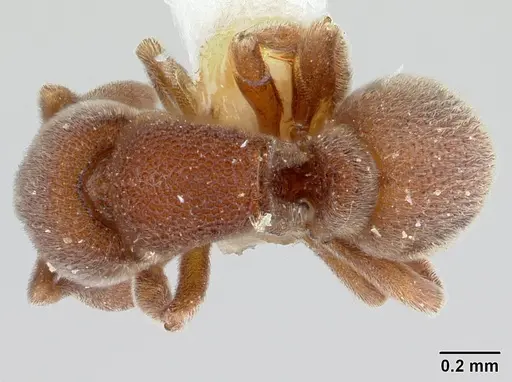
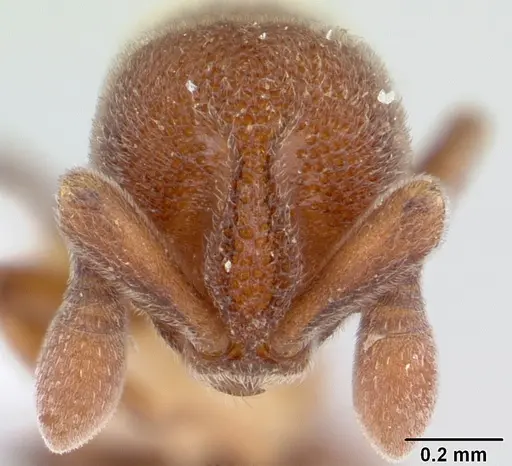
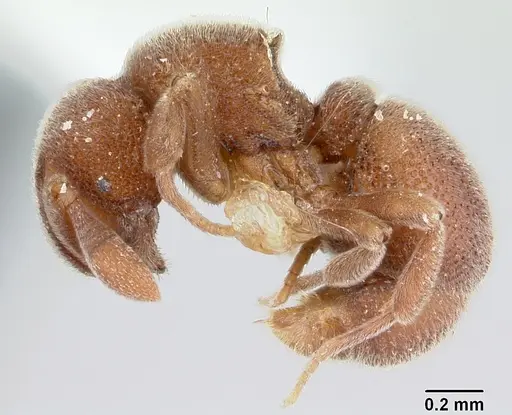
CASENT0178269
View on AntWeb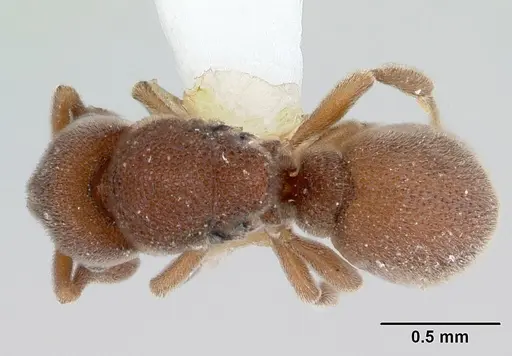
CASENT0178271
View on AntWeb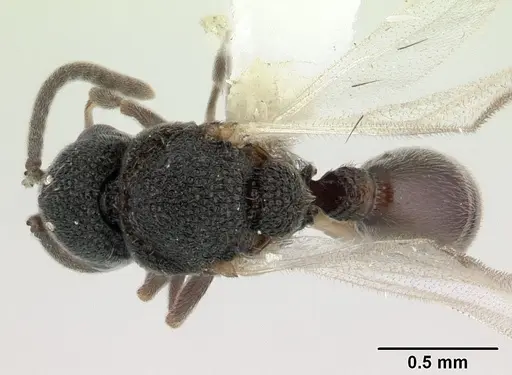
CASENT0217116
View on AntWeb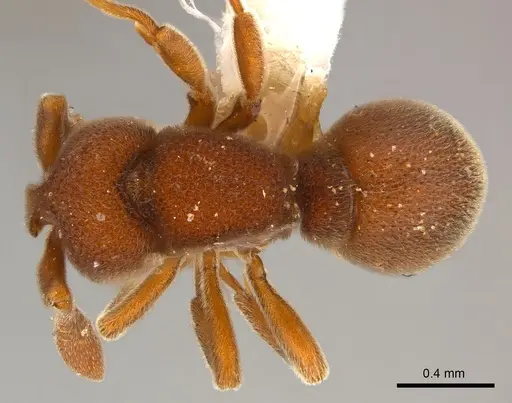
CASENT0235473
View on AntWeb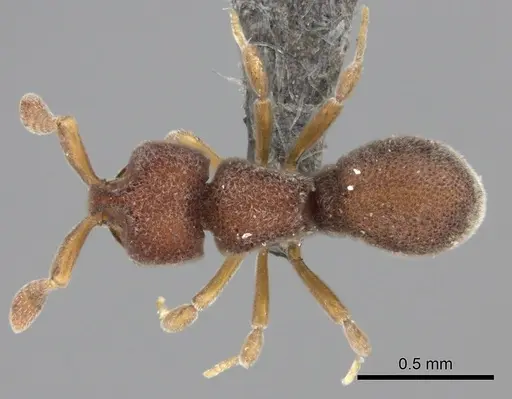
CASENT0249257
View on AntWeb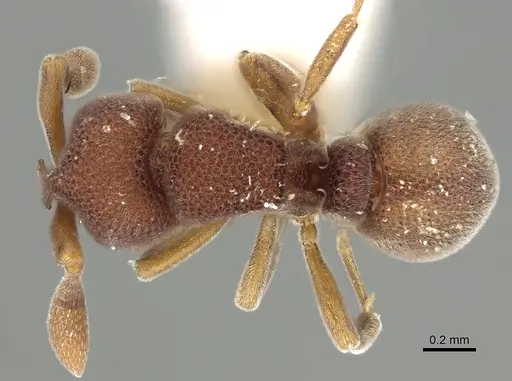
CASENT0249258
View on AntWeb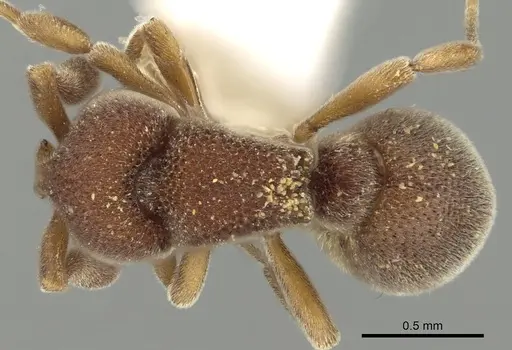
CASENT0911150
View on AntWeb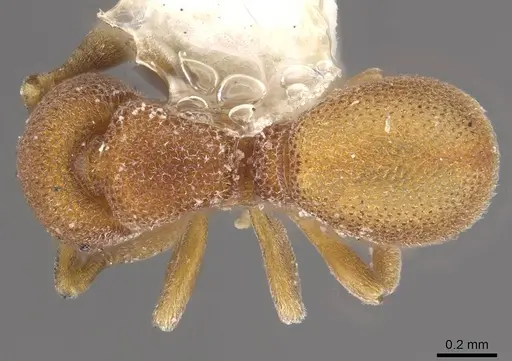
SAM-HYM-C005413
View on AntWeb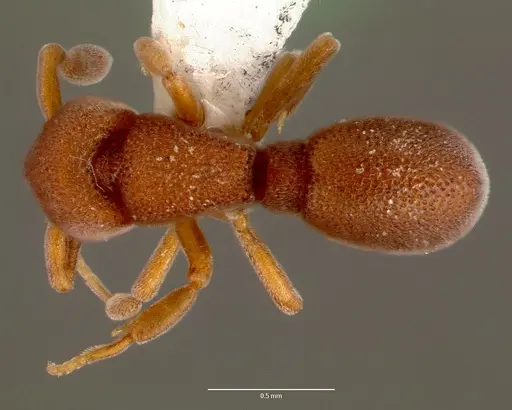
Literature
Loading...Loading products...