

Discothyrea humilis
- Scientific Name
- Discothyrea humilis
- Tribe
- Proceratiini
- Subfamily
- Proceratiinae
- Author
- Weber, 1939
- Distribution
- Found in 7 countries
Discothyrea humilis Overview
Discothyrea humilis is an ant species of the genus Discothyrea. It is primarily documented in 7 countries , including Brazil, Colombia, Costa Rica. Detailed taxonomic data and occurrence records can be further explored via authoritative databases such as AntWeb or the Global Biodiversity Information Facility (GBIF).
Discothyrea humilis
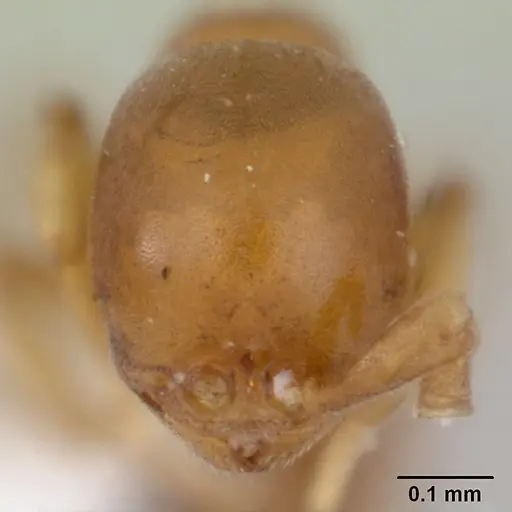
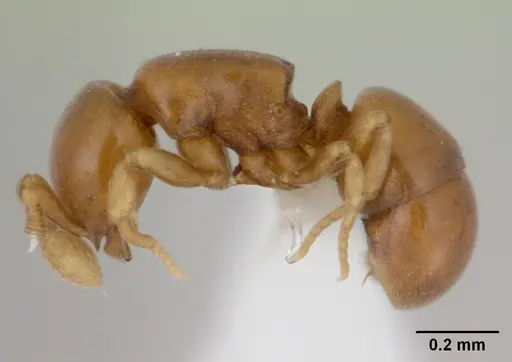
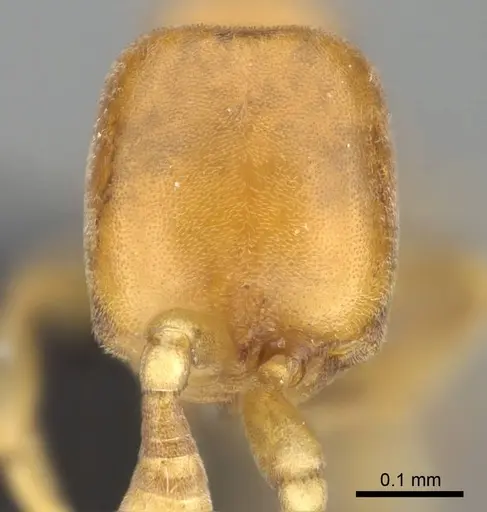
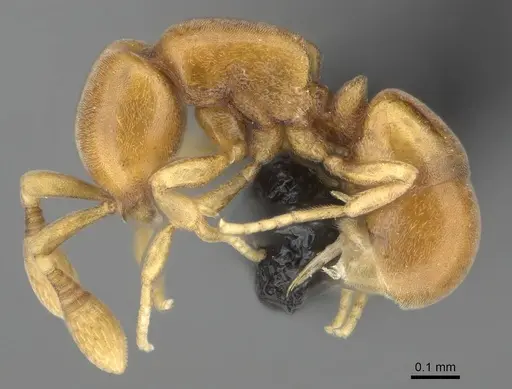
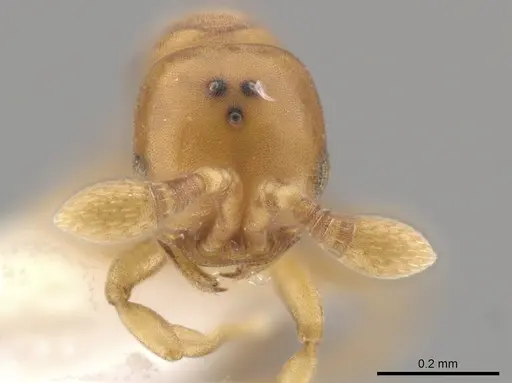
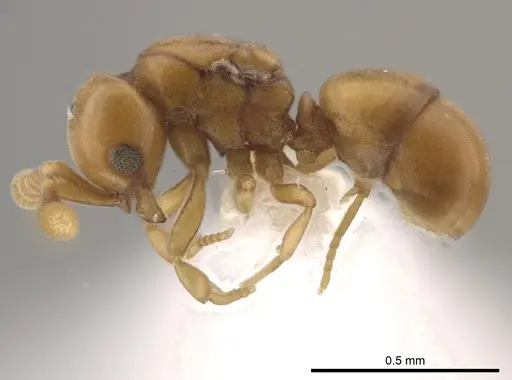
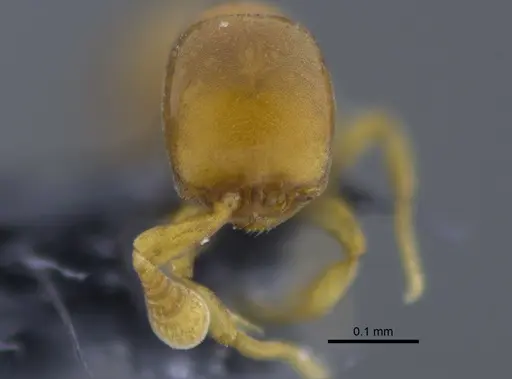
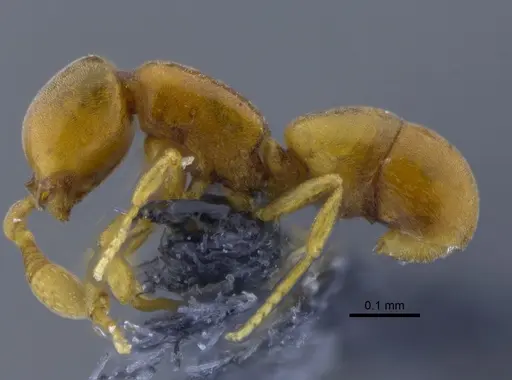
Discothyrea humilis is a tiny, cryptic leaf-litter ant found throughout Central America and northern South America. Workers are small and slender with a distinctive forward-projecting fourth abdominal segment, seven-segmented antennae, and a remarkably smooth, shiny body surface. The interantenal lamina is reduced to a sharp tooth visible between the antennal insertions in side view. Queens were originally described from Barro Colorado Island in Panama by Weber in 1939. This species is a specialized predator that hunts arthropod eggs, particularly spider eggs, making it an interesting but challenging species to keep. They inhabit humid tropical forests in the leaf litter layer, where they navigate through the tight spaces between decaying material.
Quick Summary
- Difficulty: Hard
- Origin & Habitat: Central America to northern South America, including Panama, Costa Rica, Guatemala, Colombia (Amazonas, Caquetá), Brazil, Mexico, Venezuela, and the Lesser Antilles. Found in humid tropical wet forests in the leaf litter layer [1][2][3].
- Colony Type: Colony structure is unconfirmed. Only known from queen type specimens, no published data on whether wild colonies are single-queen or multi-queen.
- Size & Growth:
- Queen: Unconfirmed from direct measurements, estimated 4-5mm based on related species in genus
- Worker: Unconfirmed from direct measurements, estimated 2-3mm based on genus patterns
- Colony: Unknown. Based on typical Discothyrea patterns, likely small colonies of under 100 workers
- Growth: Unknown, likely slow to moderate based on specialized predatory lifestyle
- Development: Unconfirmed. Based on related Proceratiinae, estimate 6-10 weeks at tropical temperatures (No direct development data available for this species. Estimate based on genus-level patterns.)
- Antkeeping:
- Temperature: Keep at 24-28°C. These are tropical ants from humid forest habitats, they need warmth and stable temperatures [2][4].
- Humidity: Keep high humidity, think damp forest floor. Maintain moist (not waterlogged) substrate in the outworld. These leaf-litter ants need consistently damp conditions.
- Diapause: Unknown. Tropical species may not require formal hibernation, but a slight reduction in temperature during winter months may be beneficial.
- Nesting: Use a naturalistic setup with fine substrate (like a mixture of soil and rotting wood fragments) or a Y-tong/plaster nest with very small chambers. They are tiny and need tight spaces scaled to their size. Provide plenty of hiding spots and clutter in the outworld to mimic leaf litter.
- Behavior: This is a cryptic, slow-moving ant that spends most of its time hunting in the leaf litter. Workers are specialized predators targeting arthropod eggs, particularly spider eggs [1]. They are not aggressive and will flee rather than fight. Their small size and cryptic nature make them difficult to observe. Escape prevention is critical, they are tiny and can squeeze through standard barrier gaps. They do not form large colonies quickly.
- Common Issues: tiny size makes escape likely without fine mesh barriers, specialized diet means they may refuse standard ant foods, slow colony growth can frustrate beginners, high humidity requirements can lead to mold problems if ventilation is poor, limited availability makes wild-caught colonies difficult to obtain
Housing and Nest Setup
Discothyrea humilis requires a setup that mimics their natural leaf-litter habitat. A naturalistic terrarium-style setup works best, use a shallow container filled with a mixture of moist soil, rotting wood pieces, and leaf litter debris. The substrate should be kept consistently damp but never waterlogged. Given their tiny size, standard test tube setups may be too large and open, consider using small acrylic nests with very tight chambers, or a well-structured naturalistic setup with plenty of small hiding spaces. The outworld should have fine substrate and clutter that they can navigate through. Excellent escape prevention is essential, use fine mesh barriers and ensure all connections are sealed, as these tiny ants can squeeze through gaps that larger ants cannot [1].
Feeding and Diet
This is a specialized predator that feeds primarily on arthropod eggs, especially spider eggs [1]. In captivity, you will need to provide small live prey that matches their natural diet. Offer tiny prey items like springtails, booklice (psocids), tiny mites, and fruit fly eggs or very small fruit fly larvae. They are unlikely to accept standard ant foods like mealworms or sugar water, their hunting behavior is specifically adapted to finding small, soft-bodied arthropods in the leaf litter. Feed small prey items every few days, removing any uneaten prey after 24 hours. Do not expect them to form large food caches like more generalist ant species.
Temperature and Humidity
As a tropical species from humid forests, Discothyrea humilis needs warm and humid conditions. Keep temperatures in the range of 24-28°C, avoiding drops below 22°C. Use a heating cable on one side of the nest to create a gentle temperature gradient if your room temperature is below this range. Humidity should be high, the substrate should feel consistently damp to the touch. Mist the outworld regularly and consider using a water reservoir in the nest setup. However, balance humidity with adequate ventilation to prevent mold growth. These ants come from the forest floor where conditions are stable and humid year-round [2][4].
Behavior and Observation
Discothyrea humilis is a cryptic, secretive ant that is rarely seen above the leaf litter surface. Workers move slowly and deliberately, hunting for eggs and small arthropods. They are not aggressive and will retreat from threats rather than engage. Colonies are likely small and slow-growing, with workers living for several months. Because they are so small and secretive, observing them requires patience and careful attention to the setup. They do not have a painful sting, their small size and specialized diet mean they pose no threat to keepers. The main challenge is providing the right conditions and food to sustain a colony long-term. [1]
Frequently Asked Questions
How long does it take for Discothyrea humilis to produce first workers?
The egg-to-worker timeline is unconfirmed for this species. Based on related Proceratiinae, expect 6-10 weeks at optimal tropical temperatures (24-28°C). Growth is likely slow due to their specialized predatory lifestyle.
What do Discothyrea humilis eat?
They are specialized predators of arthropod eggs, particularly spider eggs. In captivity, offer tiny live prey like springtails, booklice, tiny mites, and fruit fly eggs or very small larvae. They are unlikely to accept standard ant foods.
Can I keep Discothyrea humilis in a test tube setup?
Standard test tubes may be too large and open for these tiny ants. A naturalistic setup with fine substrate and small hiding spaces, or a small acrylic nest with tight chambers, works better. The key is providing conditions that mimic their leaf-litter habitat.
Are Discothyrea humilis good for beginners?
No. This is a challenging species best suited for experienced antkeepers. Their specialized diet, tiny size, high humidity needs, and cryptic behavior make them difficult to maintain. They are not recommended for beginners.
Do Discothyrea humilis ants sting?
No. Their small size and specialized predatory lifestyle mean they do not have a painful sting and pose no danger to keepers. They will simply flee if threatened.
How big do Discothyrea humilis colonies get?
Colony size is unconfirmed, but based on typical Discothyrea patterns, colonies likely remain small at under 100 workers. They are not fast-growing colony builders.
Do Discothyrea humilis need hibernation?
Unknown. As a tropical species from Central and South America, they likely do not require formal hibernation. A slight temperature reduction during winter months may be beneficial, but avoid cold temperatures.
Why are my Discothyrea humilis dying?
Common causes include: wrong food (they need live arthropod eggs, not standard ant foods), too dry conditions (they need high humidity), temperature too low (keep 24-28°C), or escapes due to inadequate barriers. Their specialized requirements make them challenging to keep alive.
References

This caresheet is licensed under CC BY-SA 4.0 .
CASENT0178696
View on AntWeb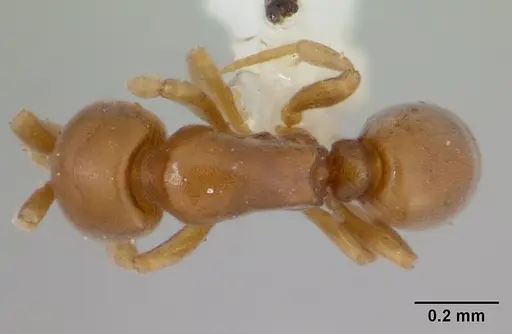
CASENT0318490
View on AntWeb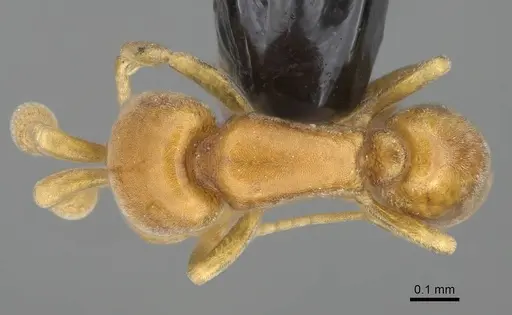
CASENT0635735
View on AntWeb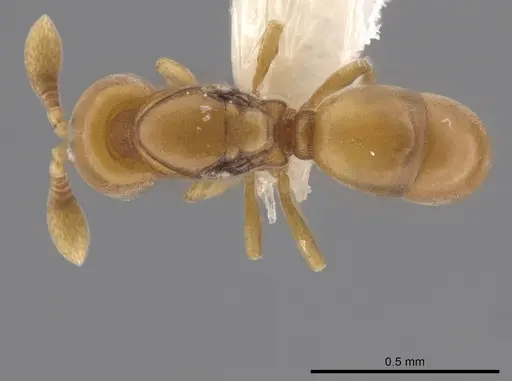
CASENT0643422
View on AntWeb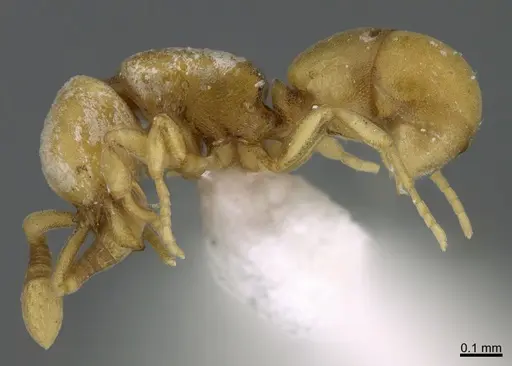
CBUMAGENT41773
View on AntWeb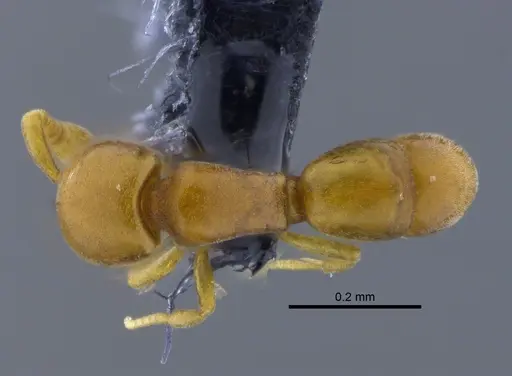
Literature
Loading...Loading products...