

Discothyrea horni
- Scientific Name
- Discothyrea horni
- Tribe
- Proceratiini
- Subfamily
- Proceratiinae
- Author
- Menozzi, 1927
- Distribution
- Found in 7 countries
Discothyrea horni Overview
Discothyrea horni is an ant species of the genus Discothyrea. It is primarily documented in 7 countries , including Colombia, Costa Rica, Guatemala. Detailed taxonomic data and occurrence records can be further explored via authoritative databases such as AntWeb or the Global Biodiversity Information Facility (GBIF).
Discothyrea horni
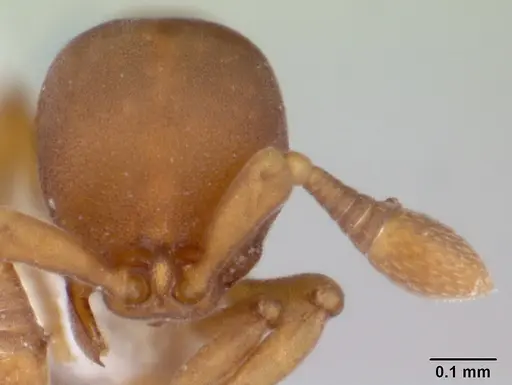
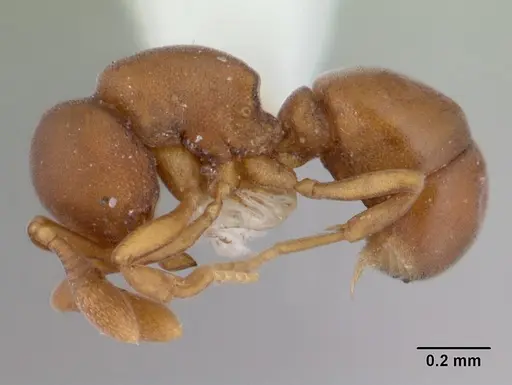
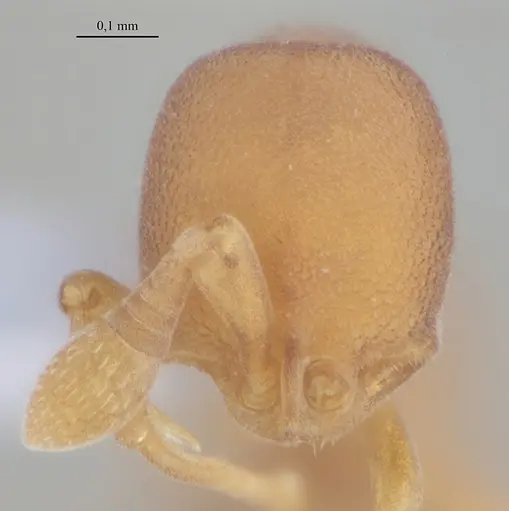
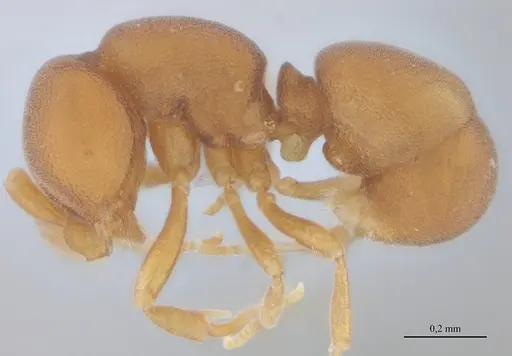
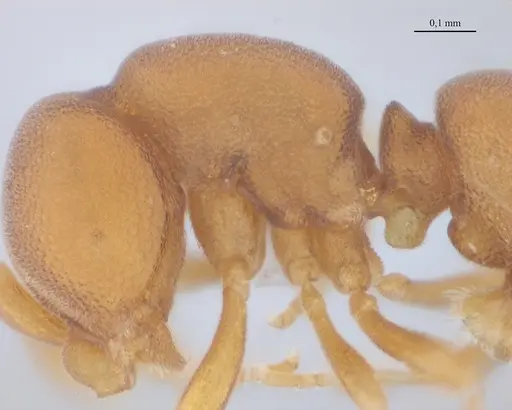
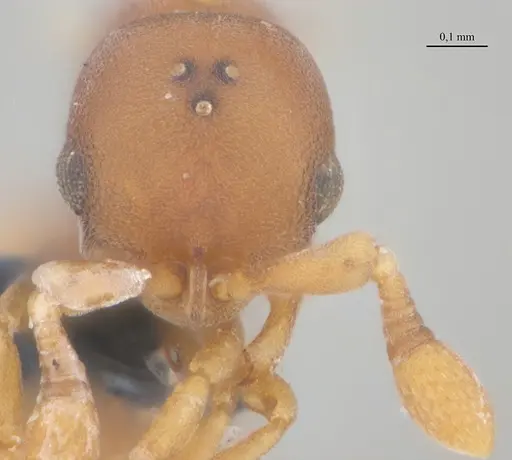
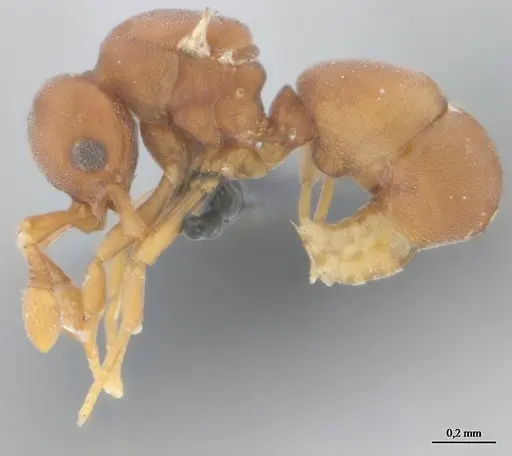
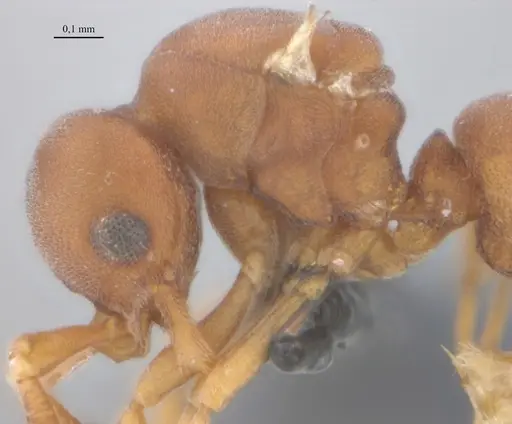
Discothyrea horni is a tiny, cryptic leaf litter ant native to Central America and northern South America. Workers are among the smallest ants you'll encounter, with a distinctive appearance featuring nine or eight antennal segments (reduced due to segment fusion), entirely opaque integument, and well-defined propodeal corners [1]. The forward-projecting fourth abdominal segment gives them a unique silhouette among ants [2]. These ants are specialized predators, hunting arthropod eggs, particularly spider eggs, making them fascinating for keepers interested in predatory species [2]. They inhabit wet forests and cloud forests across their range, from Costa Rica through Panama to Colombia and beyond [3][4].
Quick Summary
- Difficulty: Medium
- Origin & Habitat: Central America and northern South America, found in Costa Rica, Panama, Colombia, Guatemala, and surrounding countries. Inhabits wet forest and cloud forest leaf litter in high-humidity environments [3][4].
- Colony Type: Colony structure is unconfirmed, the number of queens per colony has not been documented in scientific literature.
- Size & Growth:
- Queen: Unknown, not directly measured in available literature
- Worker: Unknown, specific measurements not provided in research papers
- Colony: Unknown, colony size has not been documented
- Growth: Unknown, no development data available
- Development: Unknown, no direct measurements available. Based on typical Discothyrea patterns and their small size, expect several months for first workers to emerge. (This is a poorly-studied species with no published development timeline. Related Discothyrea species typically take 2-4 months from egg to worker at optimal temperatures.)
- Antkeeping:
- Temperature: Keep at room temperature around 20-24°C. Being a Neotropical forest species, they prefer stable, warm conditions without temperature extremes. A gentle gradient is beneficial.
- Humidity: High humidity is essential, these ants live in wet and cloud forests. Keep the nest substrate consistently moist but not waterlogged. Think damp forest floor conditions.
- Diapause: Unknown, no published data on overwintering requirements. As a tropical species, they may not require formal hibernation but may slow down during cooler periods.
- Nesting: Use a naturalistic setup with moist leaf litter or a Y-tong/plaster nest designed for tiny ants. They naturally nest in humid forest floor debris. Tight chambers scaled to their minute size are essential.
- Behavior: These are shy, cryptic ants that spend most of their time hidden in leaf litter and crevices. They are specialized predators focusing on arthropod eggs, particularly spider eggs [2]. They are not aggressive and will flee rather than fight. Escape prevention is critical, their tiny size means they can squeeze through the smallest gaps. They are slow-moving and not active foragers over long distances.
- Common Issues: escape prevention is critical due to their very small size, use fine mesh and tight-fitting lids, high humidity requirements can lead to mold if ventilation is poor, specialized diet (egg predators) may be difficult to sustain in captivity, slow growth and cryptic behavior make it hard to monitor colony health, wild-caught colonies may have parasites that are difficult to detect
Housing and Nest Setup
Discothyrea horni requires careful housing due to their minute size. Use nests with extremely small chambers and passages, standard ant nest dimensions are far too large for these tiny ants. A Y-tong (AAC) nest with narrow chambers or a custom plaster nest works well. The nest must maintain high humidity while allowing for some ventilation to prevent mold. A naturalistic setup with moist leaf litter, small stones, and debris can also work but makes observation difficult. Always use excellent escape prevention, these ants can squeeze through gaps smaller than 1mm. Apply fluon or use fine mesh on all openings. [3][4][2]
Feeding and Diet
This species is a specialized predator of arthropod eggs, particularly spider eggs [2]. In captivity, offer small live prey such as springtails, booklice (psocids), and tiny arthropod eggs. They are unlikely to accept sugar water or honey, their diet appears strictly predatory. Feed small prey items every few days, removing any uneaten prey after 24 hours. Do not overfeed as uneaten prey will mold in the humid conditions they require. Some keepers report success with tiny fruit flies and small crickets, but these should be offered sparingly.
Temperature and Humidity
Keep temperatures in the range of 20-24°C. As a Neotropical forest species from wet and cloud forests, they prefer stable, warm, and humid conditions [3]. High humidity is critical, aim for consistently moist substrate without standing water. Use a water reservoir or mist regularly, but ensure adequate ventilation to prevent mold growth. Avoid temperature fluctuations and keep them away from direct sunlight or cooling drafts. Room temperature is often suitable if your home stays in this range.
Behavior and Temperament
Discothyrea horni is a shy, cryptic species that avoids confrontation. Workers are slow-moving and spend most of their time hidden in the nest or under cover. They are not aggressive and lack a functional sting significant to humans. Their small size makes them vulnerable, they will flee from threats rather than engage. Colonies are likely small and slow-growing. They are not active foragers over long distances, instead hunting opportunistically in their immediate vicinity. This makes them fascinating to observe but challenging to keep as they require specialized conditions. [2]
Colony Establishment
Establishing a colony from a wild-caught queen is the most common approach. Since founding behavior is unconfirmed, assume claustral founding (queen seals herself in and lives off stored fat). Provide a small test tube setup with constant access to water but no food, claustral queens do not forage. Place the setup in a dark, quiet location and wait 4-8 weeks before checking. If the queen survives and produces workers, begin offering tiny live prey. Wild-caught colonies may carry parasites that can cause colony failure, quarantine and observe carefully before introducing to other colonies.
Frequently Asked Questions
How long does it take for Discothyrea horni to produce first workers?
The egg-to-worker timeline is unknown for this species. Based on typical Discothyrea patterns and their small size, expect 2-4 months at optimal temperature (around 22°C). Be patient, this is a slow-growing species.
Can I keep Discothyrea horni in a test tube setup?
Yes, a test tube setup can work for founding colonies. Use a small test tube with a cotton ball providing water access. Due to their tiny size, ensure the water section is small to prevent drowning, and use cotton that is tightly packed. Cover any large openings with fine mesh.
What do Discothyrea horni eat?
They are specialized predators of arthropod eggs, particularly spider eggs. In captivity, offer tiny live prey like springtails, booklice, and small fruit flies. They are unlikely to accept sugar sources. Avoid large prey items they cannot subdue.
Are Discothyrea horni ants dangerous?
No, they are not dangerous to humans. They are tiny, shy ants that lack a significant sting. They will flee rather than defend themselves. Their small size also means they cannot penetrate human skin.
How big do Discothyrea horni colonies get?
Colony size is unknown, no published data exists on maximum colony size. Based on their cryptic leaf-litter lifestyle and small size, colonies are likely small, probably under 100 workers. They appear to be a rare species even in their native habitat.
Do Discothyrea horni need hibernation?
Diapause requirements are unknown. As a Neotropical species from wet forests, they likely do not require formal hibernation. However, they may slow down during cooler periods. If your room temperature drops significantly in winter, reduce feeding and expect reduced activity.
Why are my Discothyrea horni escaping?
Their tiny size means they can squeeze through the tiniest gaps. Use excellent escape prevention: apply fluon to barrier edges, use fine mesh on all openings, and check for gaps smaller than 1mm. Even standard test tube cotton can have gaps large enough for them to pass through.
Are Discothyrea horni good for beginners?
No, this species is not ideal for beginners. They have very specific humidity requirements, a specialized predatory diet, and their tiny size makes them prone to escaping. They are also slow-growing and difficult to observe. This species is better suited for experienced antkeepers interested in unusual species.
Can I keep multiple Discothyrea horni queens together?
This has not been documented. The colony structure (monogyne vs polygyne) is unknown. Do not attempt to combine unrelated queens, there is no data on whether they tolerate multiple queens. Start with a single queen colony.
References

This caresheet is licensed under CC BY-SA 4.0 .
CASENT0178698
View on AntWeb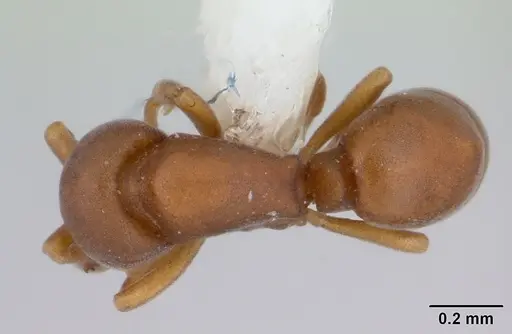
CASENT0249256
View on AntWeb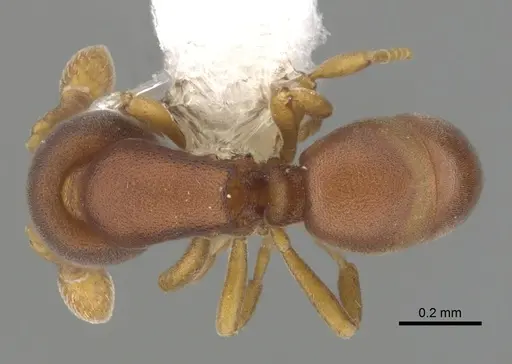
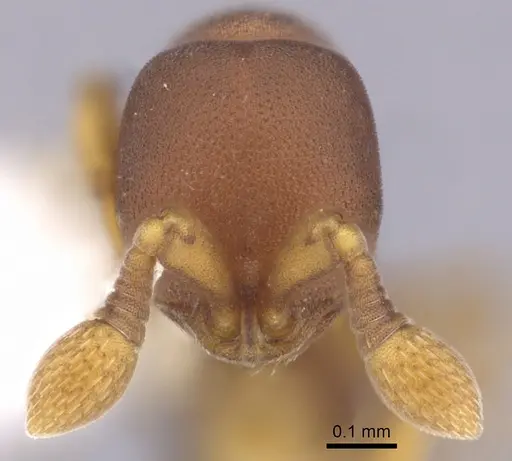
CASENT0643421
View on AntWeb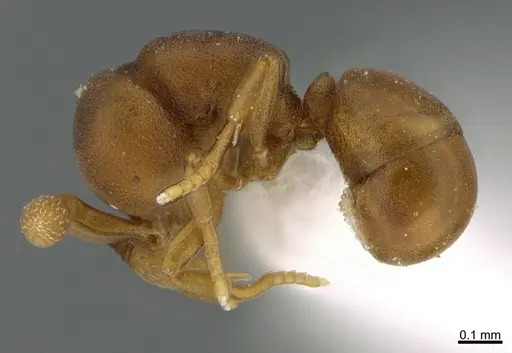
CASENT0653687
View on AntWeb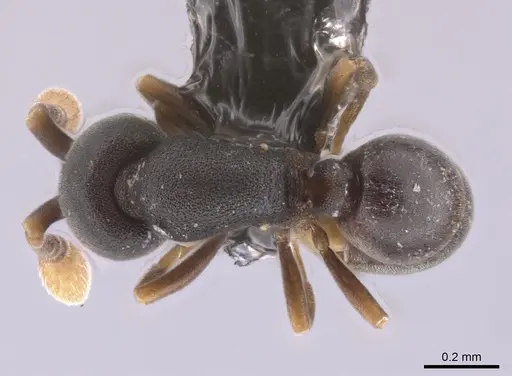
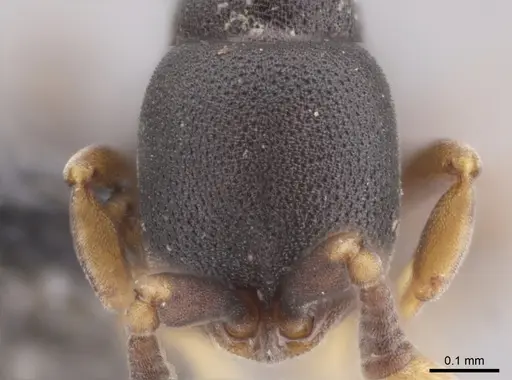
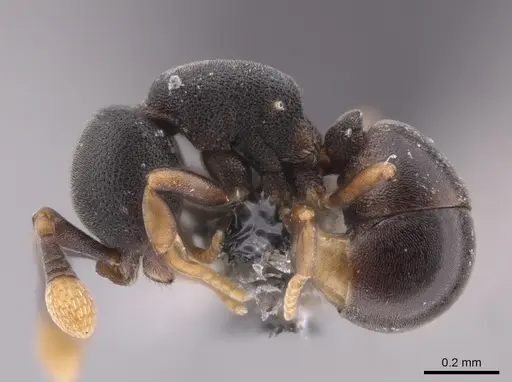
FOCOL0380
View on AntWeb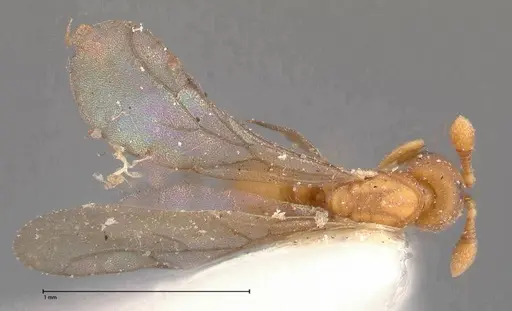
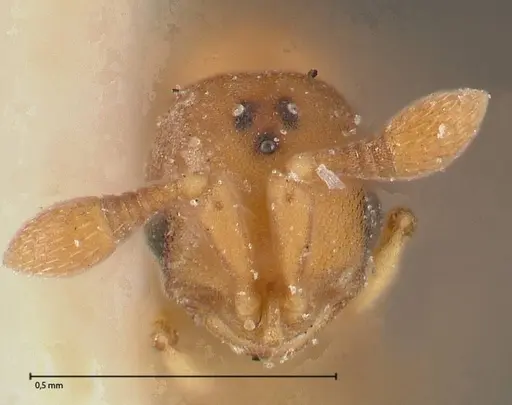
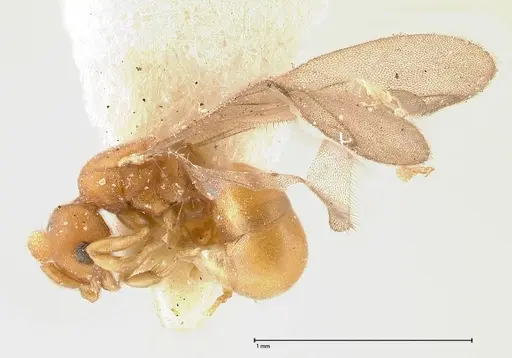
UFV-LABECOL-009622
View on AntWeb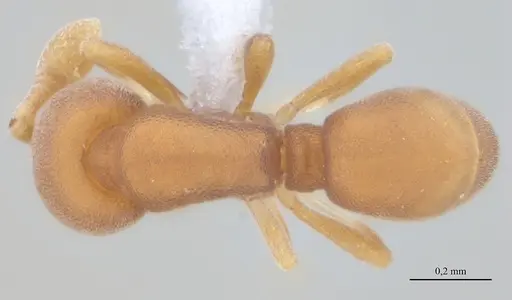
UFV-LABECOL-011185
View on AntWeb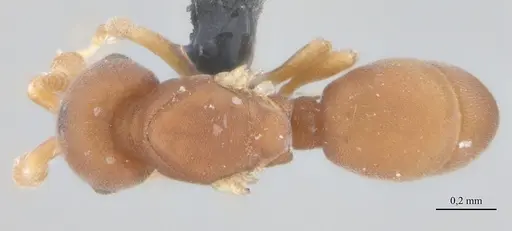
Literature
Loading...Loading products...