

Discothyrea dryad
- Scientific Name
- Discothyrea dryad
- Tribe
- Proceratiini
- Subfamily
- Proceratiinae
- Author
- Hita-Garcia & Lieberman, 2019
- Distribution
- Found in 4 countries
Discothyrea dryad Overview
Discothyrea dryad is an ant species of the genus Discothyrea. It is primarily documented in 4 countries , including Kenya, Malawi, Mozambique. Detailed taxonomic data and occurrence records can be further explored via authoritative databases such as AntWeb or the Global Biodiversity Information Facility (GBIF).
Discothyrea dryad
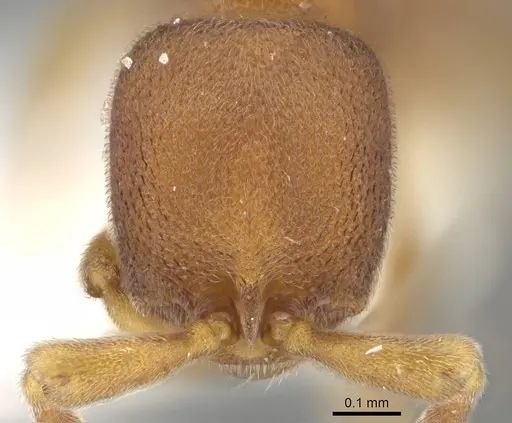
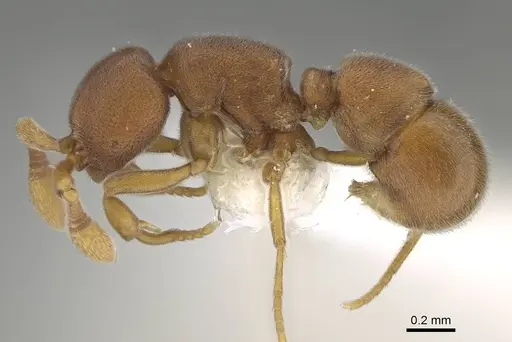
Discothyrea dryad is a tiny ant species recently described from the Afromontane forests of Kenya, found at elevations between 1500-2300 meters [1]. Workers are among the smallest ants you can keep, measuring just 0.56-0.60mm in body length, about the size of a grain of sand. They have a distinctive appearance with a dense layer of standing hairs on their body, an elongate mesosoma that tapers toward the rear, and a unique frontal lamella featuring an elliptical transparent window [1]. These ants live in leaf litter in cool, high-elevation forests and are specialized predators, likely hunting tiny arthropods like springtails and spider eggs. The species was only named in 2019,so there is still much to learn about their captive care.
Quick Summary
- Difficulty: Hard
- Origin & Habitat: Afromontane forests in Kenya, East Africa, at elevations of 1500-2300 meters. They live in leaf litter in cool, forested areas [1].
- Colony Type: Colony structure is unconfirmed. Based on genus patterns, likely single-queen colonies.
- Size & Growth:
- Queen: Unknown, queens have not been described. Workers are 0.56-0.60mm in total length [1].
- Worker: 0.56-0.60mm (WL measurement) [1].
- Colony: Unknown, no colony size data available.
- Growth: Unknown, no development data exists for this species.
- Development: Unknown, no direct observations. Based on similar tiny Proceratiinae, estimate 6-10 weeks at optimal temperature. (No published development data exists. This is a recently described species (2019) with almost no biological research.)
- Antkeeping:
- Temperature: Keep cool, aim for 18-22°C. These ants come from high-elevation Kenyan forests where temperatures are mild year-round [1]. Avoid warm conditions that would stress them.
- Humidity: High humidity required. They live in leaf litter in Afromontane forests, so keep substrate consistently moist but not waterlogged. Provide a humid setup with good ventilation to prevent mold.
- Diapause: Unknown, no data on overwintering requirements. The high-elevation Kenyan habitat suggests they may tolerate cooler conditions but true hibernation needs are unconfirmed.
- Nesting: Use a naturalistic setup with leaf litter material or a very small-scale test tube setup. These tiny ants need tight chambers scaled to their minute size. A thin layer of moist soil with leaf litter fragments works well.
- Behavior: Very timid and non-aggressive. As tiny predators, they will hunt small live prey but pose no threat to keepers. Their small size means excellent escape prevention is critical, they can squeeze through the tiniest gaps. They are slow-moving and secretive, spending much time in the nest. Do not expect visible foraging activity like larger ants.
- Common Issues: escape prevention is critical, their tiny size means they can slip through gaps invisible to the naked eye, no published care information exists, this is an entirely new species with no captive husbandry history, slow growth is likely, expect months or years to reach even modest colony sizes, wild-caught colonies may be stressed from collection and difficult to establish, temperature sensitivity, coming from cool highlands, they may struggle in typical room temperatures
Housing and Setup
Keeping Discothyrea dryad requires a thoughtful approach given their minute size. A small test tube setup works well, use a narrow diameter tube (around 5mm or less) filled with water reservoir and cotton, as these tiny ants need tight spaces to feel secure. Alternatively, a naturalistic setup with a thin layer of moist soil (around 1-2cm deep) topped with leaf litter fragments mimics their natural habitat. The key is scale, everything must be tiny. If using a formicarium, chambers should be no more than 2-3mm in height. Escape prevention is absolutely critical: even standard fluon barriers may need reinforcement, and any gap larger than 0.5mm is a potential escape route. Cover all ventilation holes with fine mesh (at least 0.3mm). Place the nest in a cool area away from direct heat sources. [1]
Feeding and Diet
Discothyrea species are specialized predators, likely hunting tiny arthropods in their natural leaf litter habitat. In captivity, offer small live prey such as springtails, tiny isopods, and fruit fly larvae. These ants are far too small to tackle standard ant feeders like mealworms or crickets. You may also try offering tiny pieces of insects, but live prey is preferred. Sugar sources are unlikely to be accepted given their predatory nature, do not rely on honey or sugar water. Feed sparingly: a few tiny prey items every few days, removing any uneaten prey within 24 hours to prevent mold. Given their small size, even a single springtail is a substantial meal for a colony.
Temperature and Seasonal Care
Temperature management is crucial for this species. They come from high-elevation Kenyan forests where conditions are cool year-round. Keep the nest area between 18-22°C, this is cooler than most ant species require. Room temperature is often too warm, so you may need to place the colony in a cooler location or use a small cooling method. Avoid any heating unless absolutely necessary and monitor for signs of stress (workers clustering away from heat sources, inactivity). Winter care is unconfirmed, but the Kenyan habitat suggests they may not need true hibernation. If anything, they may simply reduce activity in cooler months. err on the side of cool, stable temperatures rather than attempting to induce dormancy. [1]
Understanding This Species
Discothyrea dryad represents a significant keeping challenge: it was only described in 2019 and has virtually no captive husbandry history. What we know comes from the original species description and a handful of museum specimens. This means you are essentially pioneering their care in captivity. Expect a steep learning curve and be prepared for losses. The ants you obtain will likely be wild-caught, as no captive breeding programs exist. These colonies are often stressed from collection and transport. Start with a small group if possible, and do not expect rapid growth. Document your observations carefully, you may be contributing to the first real knowledge about keeping this species. The reward is keeping a truly unique ant that few others have attempted. [1]
Frequently Asked Questions
How long does it take for Discothyrea dryad to produce first workers?
Unknown, no development data exists for this species. Based on similar tiny Proceratiinae, expect at least 6-10 weeks from egg to worker at optimal temperature, but this is purely an estimate.
Can I keep Discothyrea dryad in a standard test tube setup?
Yes, but use a narrow-diameter tube (around 5mm or less). Standard test tubes may be too large for these tiny ants to feel secure. Ensure excellent escape prevention as they can slip through tiny gaps.
What do Discothyrea dryad eat?
Tiny live prey, springtails, tiny isopods, and fruit fly larvae are ideal. They are too small to tackle larger insects. Do not rely on sugar sources as they are specialized predators.
Are Discothyrea dryad good for beginners?
No, this is an expert-level species. It was only described in 2019,has no published care information, and requires very specific conditions (cool temperatures, tiny prey, excellent escape prevention).
Do Discothyrea dryad ants sting?
No, they are far too small to penetrate human skin. They are completely harmless to keepers.
What temperature do Discothyrea dryad need?
Keep them cool: 18-22°C. They come from high-elevation Kenyan forests and do not tolerate warm conditions. Room temperature is often too warm.
How big do Discothyrea dryad colonies get?
Unknown, no colony size data exists. Based on their tiny size and the genus, colonies likely remain small, possibly under 100 workers.
Why are my Discothyrea dryad dying?
Common causes include: temperature too warm (above 22°C), escape through tiny gaps, stress from wild collection, mold from overwatering or uneaten prey, and prey that is too large. Review each of these factors.
Do I need to hibernate Discothyrea dryad?
Unknown, no data on overwintering requirements exists. The Kenyan habitat suggests they may not need true hibernation. err on the side of maintaining cool but stable temperatures year-round.
Can I keep multiple queens together?
Unknown, colony structure has not been studied. Based on genus patterns, they likely form single-queen colonies. Combining unrelated queens is not recommended.
References

This caresheet is licensed under CC BY-SA 4.0 .
CASENT0247371
View on AntWeb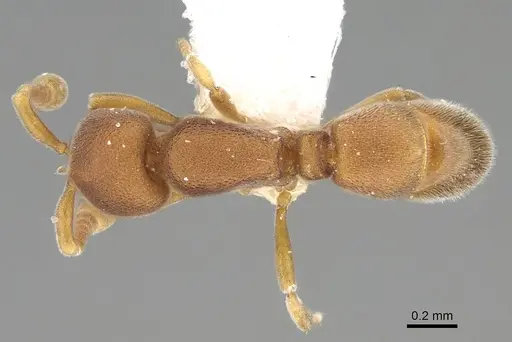
Literature
Loading...Loading products...