

Discothyrea diana
- Scientific Name
- Discothyrea diana
- Tribe
- Proceratiini
- Subfamily
- Proceratiinae
- Author
- Xu <i>et al.</i>, 2014
- Distribution
- Found in 2 countries
Discothyrea diana Overview
Discothyrea diana is an ant species of the genus Discothyrea. It is primarily documented in 2 countries , including China, Lao People's Democratic Republic. Detailed taxonomic data and occurrence records can be further explored via authoritative databases such as AntWeb or the Global Biodiversity Information Facility (GBIF).
Discothyrea diana
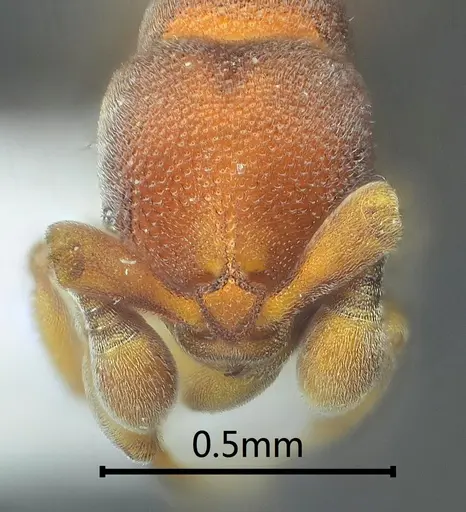
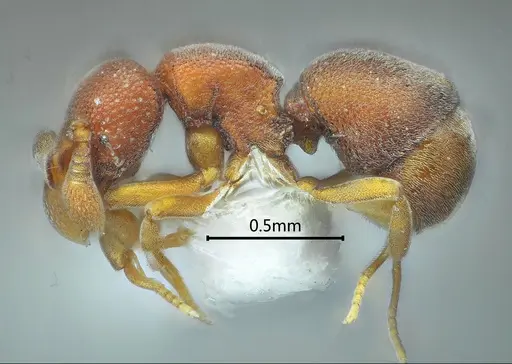
Discothyrea diana is an exceptionally tiny ant species from the Proceratiinae subfamily, measuring just 1.8-1.9mm in total length [1]. Workers have a distinctive reddish-brown to yellowish-brown coloration with a roughly trapezoidal head that narrows toward the front, and notably possess only 7 antenna segments, a relatively rare trait in ants [1]. The species was only recently described in 2014 and is known exclusively from closed forest habitats in southern Yunnan Province, China, at elevations between 700-1200 meters [1]. These ants are part of the Proceratiini tribe, which includes some of the world's smallest ants, and they were collected from leaf litter in rainforest and monsoon forest environments using Berlese extraction methods [1].
Quick Summary
- Difficulty: Expert
- Origin & Habitat: Southern Yunnan Province, China (Mengla and Hekou Counties) in closed rainforest and monsoon forest at 700-1200m elevation [1][2]
- Colony Type: Colony structure is unconfirmed, only worker caste has been described. Based on related Discothyrea species, likely single-queen colonies.
- Size & Growth:
- Queen: Unknown, queen has not been described [1]
- Worker: 1.8-1.9mm [1]
- Colony: Likely small, under 100 workers estimated based on genus patterns for these tiny ants
- Growth: Unknown, estimated Slow based on tiny worker size and related species
- Development: Unknown, estimated 8-12 weeks based on typical Proceratiinae development at warm temperatures (No direct development data exists. Proceratiinae ants typically develop slowly, and their tiny size suggests extended development time.)
- Antkeeping:
- Temperature: Keep at 22-26°C, these are tropical forest ants from Yunnan that prefer warm, stable conditions. A gentle gradient is recommended.
- Humidity: High humidity required, rainforest species. Keep nest substrate consistently moist but not waterlogged, around 70-80% moisture. Provide a water source.
- Diapause: Unlikely, being from tropical southern China, they probably do not require a true hibernation. However, a slight cool period during winter months may be beneficial.
- Nesting: These are leaf-litter ants that prefer tight, humid spaces. Test tubes with small chambers or small acrylic nests work well. They do well with a moisture chamber. Avoid large, open spaces.
- Behavior: Discothyrea ants are typically docile and non-aggressive. They are slow-moving and likely nocturnal or crepuscular. They are specialized predators on small arthropods. Escape prevention is critical due to their extremely tiny size, they can squeeze through standard barrier setups. Use fine mesh and tight-fitting lids.
- Common Issues: escape prevention is critical due to their minute 1.8mm size, standard barriers may not contain them, very small colony sizes mean losses have big impact, each worker matters, high humidity requirements can lead to mold if ventilation is poor, lack of published care information means keepers must adapt from related species, wild-caught colonies may be difficult to establish due to unknown founding requirements
Housing and Nest Setup
Discothyrea diana requires carefully scaled housing due to their extremely small 1.8mm size. Test tube setups with small reservoirs work well, or small acrylic nests designed for tiny ants. The nest should have tight chambers, these ants do not use large open spaces. A moisture chamber connected to the nest area helps maintain high humidity. Because they are leaf-litter ants from rainforest environments, they prefer cramped, humid spaces rather than open areas. Cover any ventilation holes with fine mesh, these ants can escape through gaps that would not concern larger species. [1][2]
Feeding and Diet
Like other Discothyrea species, D. diana is likely a specialized predator on tiny arthropods. Offer small live prey such as springtails, fruit flies, and other micro-arthropods. Their small size means even small prey items are substantial meals. Based on related Proceratiinae species, they may also accept sugar sources occasionally, but protein from live prey should be the primary food. Feed small amounts every 2-3 days and remove uneaten prey promptly to prevent mold in the humid environment.
Temperature and Humidity
These ants come from tropical rainforest in southern Yunnan, so they need warm and humid conditions. Maintain temperatures between 22-26°C with minimal fluctuation. A heating cable on one side of the nest can create a gentle gradient. Humidity should be high, aim for consistently moist nest substrate, roughly 70-80% moisture content. The substrate should feel damp but not have standing water. A water tube attached to the nest helps maintain humidity. Avoid placing the nest near air conditioning or drafty areas. [1]
Behavior and Temperament
Discothyrea diana is likely a docile, slow-moving species typical of the genus. They are probably nocturnal or crepuscular, spending most of their activity cycles in low-light conditions. Workers likely forage individually rather than in groups. They do not have a functional sting and pose no danger to keepers. Their tiny size makes them vulnerable, rough handling can injure or kill workers. They are not aggressive and will likely flee rather than confront threats. Observation is best done with minimal disturbance.
Colony Establishment
This is one of the most challenging aspects of keeping Discothyrea diana. The species was only described in 2014 and no queen has been documented, only workers are known from type specimens [1]. This means wild colonies must be collected or the species is not yet available in the antkeeping hobby. If obtaining wild-caught colonies, collect from leaf litter in suitable habitat in Yunnan. Colony sizes will likely remain small, possibly under 100 workers even in mature colonies. Patience is essential given their slow growth and small colony sizes.
Frequently Asked Questions
How long does it take for Discothyrea diana to develop from egg to worker?
The exact development time is unknown, no research has documented their development. Based on typical Proceratiinae patterns and their tiny 1.8mm size, estimate 8-12 weeks at optimal temperature (around 24°C). Their small size suggests slower development than larger ant species.
Can I keep Discothyrea diana in a test tube setup?
Yes, test tubes work well for this species. Use a small test tube with a tight-fitting cotton and a water reservoir. The chambers should be appropriately scaled to their tiny 1.8mm size, standard test tubes are fine but ensure the cotton is packed firmly to prevent escape. Add a moisture source to maintain humidity.
What do Discothyrea diana ants eat?
They likely eat small live prey like springtails, fruit flies, and other micro-arthropods. Based on related Discothyrea species, they are specialized predators. Offer small live prey items 2-3 times per week. Sugar water may be accepted occasionally but should not be the primary food source.
Do Discothyrea diana ants sting?
No, these ants do not pose any danger to keepers. They are tiny, docile ants with no functional sting. They will likely flee rather than defend when threatened.
Are Discothyrea diana good for beginners?
No, this species is not recommended for beginners. It was only described in 2014 and very little is known about its care in captivity. They require very specific humidity and temperature conditions, their tiny size makes escape prevention challenging, and colony sizes remain small. This is an expert-level species.
How big do Discothyrea diana colonies get?
Colony size is estimated to remain small, likely under 100 workers even in mature colonies. This is based on their extremely tiny 1.8mm worker size and patterns seen in related Discothyrea species. Large colonies should not be expected.
Do Discothyrea diana need hibernation?
Probably not. Being from tropical southern Yunnan Province in China, they likely do not require a true hibernation. However, a slight reduction in temperature during winter months (down to around 18-20°C) may be appropriate and is common practice for tropical species.
Why are my Discothyrea diana escaping?
Their extremely tiny 1.8mm size means they can squeeze through gaps that would not concern larger ants. Use fine mesh on all ventilation, ensure lid seams are tight, and apply barrier tape or fluon around the edges. Standard ant-keeping barriers may not work, check all connections carefully.
Where does Discothyrea diana live in the wild?
They are only known from closed forest habitats in southern Yunnan Province, China, specifically Mengla and Hekou Counties. They live at elevations around 700-1200 meters in rainforest and monsoon forest, where they are found in leaf litter on the forest floor.
Can I keep multiple Discothyrea diana queens together?
This is unknown. No queen has ever been described for this species, so colony structure is unconfirmed. Do not attempt combining unrelated queens until more is known about their colony structure.
References

This caresheet is licensed under CC BY-SA 4.0 .
ANTWEB1060496
View on AntWeb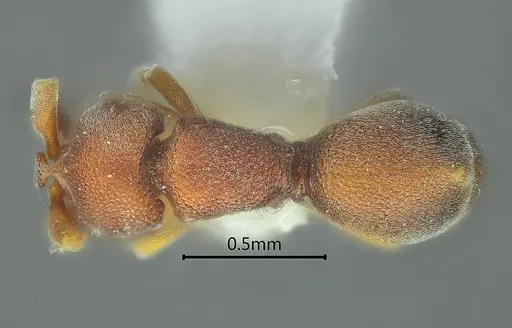
Literature
Loading...Loading products...