

Discothyrea bryanti
- Scientific Name
- Discothyrea bryanti
- Tribe
- Proceratiini
- Subfamily
- Proceratiinae
- Author
- Wheeler, 1917
- Distribution
- Found in 2 countries
Discothyrea bryanti Overview
Discothyrea bryanti is an ant species of the genus Discothyrea. It is primarily documented in 2 countries , including Indonesia, Malaysia. Detailed taxonomic data and occurrence records can be further explored via authoritative databases such as AntWeb or the Global Biodiversity Information Facility (GBIF).
Discothyrea bryanti
Discothyrea bryanti is a tiny predatory ant species native to Southeast Asia, found across Malaysia, the Philippines, Singapore, Indonesia (Java), and China's Hainan Island [1][2][3]. Workers measure approximately 3.1mm in total length and possess distinctive 10-segmented antennae, with frontal carinae extending about two-thirds back from the front of the head [1]. The genus Discothyrea is known for their unusual morphology, including a transversely depressed petiolar node visible from above and a crenulate (slightly notched) anterior clypeal margin [1]. These are rarely encountered in the hobby due to their tiny size and cryptic habits.
The genus Discothyrea contains small predatory ants that typically hunt other ant species and their brood. This particular species remains poorly studied in the wild, with most records coming from the Indomalayan region. Their small size and specialized predatory lifestyle make them a challenging but fascinating species for experienced antkeepers.
Quick Summary
- Difficulty: Expert
- Origin & Habitat: Southeast Asia, Malaysia, Philippines, Singapore, Indonesia (Java), and China's Hainan Island [1][2][3]. Found in tropical forest environments, typically in humid, shaded microhabitats.
- Colony Type: Unknown colony structure, the species has not been studied in detail. Based on typical genus patterns, likely single-queen colonies.
- Size & Growth:
- Queen: Unconfirmed, no documented queen measurements for this species. Related Discothyrea species typically have queens slightly larger than workers, likely around 3.5-4mm.
- Worker: Approximately 3.1mm total length [1].
- Colony: Unknown, no colony size data exists. Based on similar tiny predatory ants, likely under 100 workers at maturity.
- Growth: Unknown, no development data exists for this species.
- Development: Unconfirmed, no direct measurements exist. Based on typical Proceratiinae patterns and their small size, estimate 6-10 weeks at warm tropical temperatures (25-28°C), but this is a rough guess. (Development timeline is entirely unstudied. Related Discothyrea species suggest relatively slow growth due to small colony sizes.)
- Antkeeping:
- Temperature: Likely requires warm conditions similar to their tropical habitat. Start around 25-28°C and observe colony activity. They may prefer slightly cooler areas within the nest if given a temperature gradient. Avoid temperatures below 20°C.
- Humidity: Requires high humidity, think damp tropical forest floor. Keep nest substrate consistently moist but not waterlogged. Provide a water tube as a humidity source. Mist the outworld occasionally.
- Diapause: Unlikely, as a tropical species, they probably do not require a diapause period. However, slight temperature reduction during winter months (to around 22-24°C) may be appropriate if room temperature drops.
- Nesting: In captivity, they do well in small, tight chambers scaled to their tiny size. Y-tong (AAC) nests or small acrylic formicaria work well. Provide moist substrate (soil or plaster) to maintain humidity. Avoid tall, open spaces, these are tiny ants that prefer confined spaces.
- Behavior: Very little is known about their specific behavior. Like other Discothyrea species, they are likely predatory on other ants and small arthropods. Their tiny size makes them vulnerable, so they probably nest in concealed locations. Escape prevention is critical due to their very small size, they can squeeze through the tiniest gaps. Use fine mesh and ensure all connections are sealed. They are not aggressive toward humans and unlikely to sting effectively due to their minute size.
- Common Issues: escape prevention is critical, their tiny 3mm size means they can squeeze through gaps invisible to the naked eye, no established care guidelines exist, this species is extremely rare in captivity and has never been bred by hobbyists, humidity management is challenging, they need damp conditions but mold can quickly colonize small nests, predatory diet requirements are difficult, they need live prey (other ants or small arthropods) which is hard to provide reliably, lack of information makes troubleshooting difficult, when problems arise, there are no species-specific references to consult
Housing and Nest Setup
Discothyrea bryanti requires careful housing due to their extremely small size. Use nests with tight chambers and narrow passages scaled to their 3mm body length. Y-tong (AAC) nests or small acrylic formicaria with moist substrate work well. The nest material should be able to hold moisture without developing mold, plaster or soil-based substrates are options. The outworld should be small and simple, with minimal vertical space. Escape prevention is absolutely critical, these tiny ants can slip through gaps as small as 0.5mm. Use fine mesh (at least 0.5mm or smaller) on all ventilation holes and ensure tube connections are tightly sealed. A water test tube attached to the nest helps maintain humidity within the nest chamber. [1][2]
Feeding and Diet
Like other Discothyrea species, D. bryanti is likely predatory on other ants and small arthropods. In captivity, you should attempt to provide small live prey such as fruit fly larvae, pinhead crickets, or ideally, small ants from safe species (never use wild-caught ants due to pesticide/parasite risk). They are unlikely to accept sugar water or honey due to their predatory nature. Feed small prey items every 2-3 days, removing any uneaten prey after 24 hours. Because they are so small, even a single fruit fly larva may be a substantial meal. Observe feeding behavior carefully, if they ignore prey, try smaller or different prey types. Do not overfeed, as uneaten prey will mold quickly in the humid conditions they require.
Temperature and Humidity
As a tropical species from Southeast Asia, Discothyrea bryanti requires warm, humid conditions. Maintain temperatures in the range of 25-28°C, which is typical for tropical ant species. A slight temperature gradient (warm end around 28°C, cooler around 24°C) allows the colony to self-regulate. Humidity should be high, the nest substrate should feel consistently moist but never waterlogged. A water tube connected to the nest provides a constant humidity source through evaporation. Avoid placing the setup near air conditioning or heating vents that could cause rapid temperature swings. Room temperature in most homes may be too cool, so a small heating cable on one side of the nest may be necessary during cooler months. [1][2][3]
Challenges and Why This Species Is Expert-Only
Discothyrea bryanti is not recommended for anyone except the most experienced antkeepers for several critical reasons. First, absolutely no captive breeding success stories exist in the antkeeping hobby, this species has never been established in captivity. Second, their tiny size creates enormous challenges: escape prevention is nearly impossible for beginners, feeding requires impossibly small prey, and observing the colony is difficult. Third, there is zero species-specific care information available, any problems that arise cannot be troubleshot using established guidelines. Fourth, their predatory nature means they need a constant supply of live prey, which is logistically difficult to maintain. Fifth, humidity management in small nests is prone to mold issues. If you want a similar but more established experience, consider more common Discothyrea species or other small predatory ants with established care guides.
Similar Species and Alternatives
If you are interested in the genus Discothyrea but want a species with established care guidelines, you may have difficulty, the entire genus is rarely kept in captivity. However, other tiny predatory ants in the Proceratiinae subfamily (such as Proceratium species) may offer similar experiences with slightly more available information. Alternatively, consider starting with more common ant species to build experience before attempting this highly challenging genus. The complete lack of captive husbandry data for D. bryanti means any attempt to keep this species would be essentially experimental and likely to fail. If you do acquire this species, document everything carefully, your observations could become the first available care information for future antkeepers.
Frequently Asked Questions
Can I keep Discothyrea bryanti in a test tube?
A test tube setup can work initially for a small colony, but their tiny size and humidity requirements make this challenging. The small diameter can make escape prevention difficult, and maintaining proper humidity without flooding the tube requires experience. A small Y-tong nest is generally a better long-term option if you attempt this species.
How long does it take for Discothyrea bryanti to produce first workers?
This is completely unknown, no data exists for this species. Based on typical Proceratiinae development and their small size, estimate 6-10 weeks from egg to worker at optimal temperature (around 25-28°C), but this is a rough guess with no species-specific confirmation.
Do Discothyrea bryanti ants sting?
Due to their extremely small size (around 3mm), any sting would be negligible to humans. Their venom is designed for predating on other tiny arthropods, not for defense against large predators. They are not considered dangerous to humans.
Are Discothyrea bryanti good for beginners?
Absolutely not. This species is rated Expert difficulty due to: no established care guidelines, extremely tiny size making escape likely, predatory diet requiring live prey, high humidity needs prone to mold, and zero captive breeding success in the hobby. Do not start with this species.
What do Discothyrea bryanti eat?
Based on typical Discothyrea biology, they are predatory on other ants and small arthropods. In captivity, you should offer small live prey such as fruit fly larvae, springtails, or tiny crickets. They are unlikely to accept sugar sources. Live prey is essential, they will not scavenge like many common ant species.
Do Discothyrea bryanti need hibernation?
No, as a tropical species from Southeast Asia, they do not require a diapause or hibernation period. Maintain warm temperatures year-round (25-28°C). Slight temperature reduction during winter months if room temperature drops significantly may be appropriate, but do not cool them dramatically.
How big do Discothyrea bryanti colonies get?
Colony size is unknown, no data exists. Based on similar tiny predatory ants, they likely reach only 50-100 workers at maturity. Their small size and specialized predatory lifestyle likely keep colony numbers low compared to omnivorous species.
Can I keep multiple Discothyrea bryanti queens together?
This is unknown, no research exists on colony structure or queen behavior for this species. Without any data, combining unrelated queens is not recommended. If you acquire a queen, keep her alone until you confirm she has workers before considering any introductions.
Why are my Discothyrea bryanti dying?
Without established care guidelines, diagnosing problems is extremely difficult. Common issues likely include: escape (check for microscopic gaps), starvation (are they accepting prey?), humidity problems (too dry or too wet causing mold), temperature stress (too cold), or simply that this species has never survived long in captivity. Document your conditions carefully if attempting this species.
Where can I get Discothyrea bryanti?
This species is extremely rare in the antkeeping hobby. It is not commonly available from any commercial ant sellers. Most records come from scientific collections in Malaysia, the Philippines, Singapore, and Hainan, China. If available at all, it would only be from specialty dealers or through connections with researchers in Southeast Asia.
References

This caresheet is licensed under CC BY-SA 4.0 .
CASENT0886723
View on AntWeb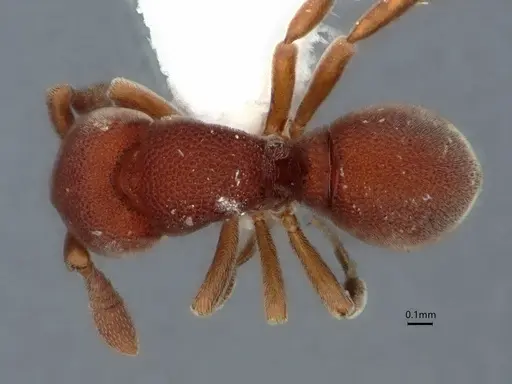
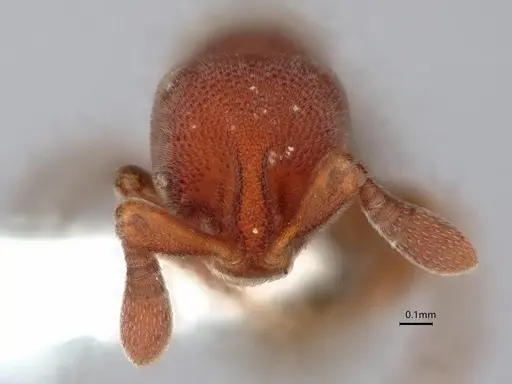
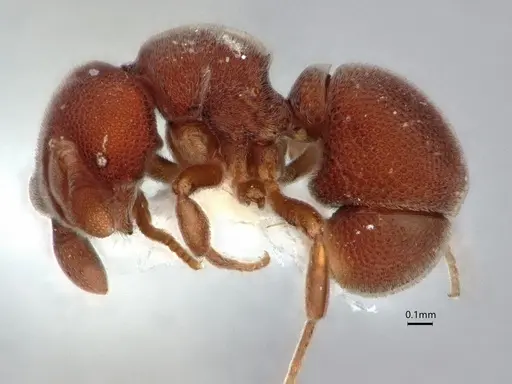
Literature
Loading...Loading products...