

Discothyrea antarctica
- Scientific Name
- Discothyrea antarctica
- Tribe
- Proceratiini
- Subfamily
- Proceratiinae
- Author
- Emery, 1895
- Common Name
- Southern Curltail ant
- Distribution
- Found in 1 countries
Discothyrea antarctica Overview
Discothyrea antarctica (commonly known as the Southern Curltail ant) is an ant species of the genus Discothyrea. It is primarily documented in 1 countries , including New Zealand. Detailed taxonomic data and occurrence records can be further explored via authoritative databases such as AntWeb or the Global Biodiversity Information Facility (GBIF).
Discothyrea antarctica - "Southern Curltail ant"
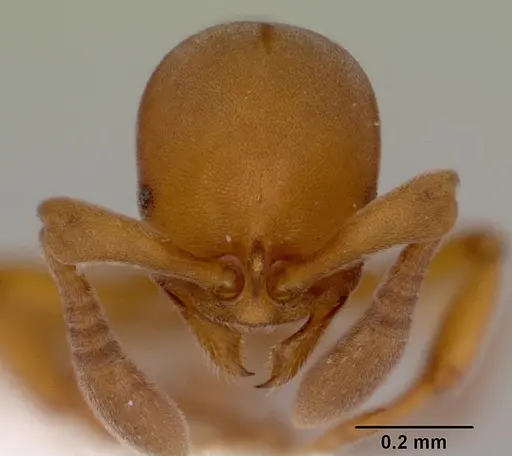
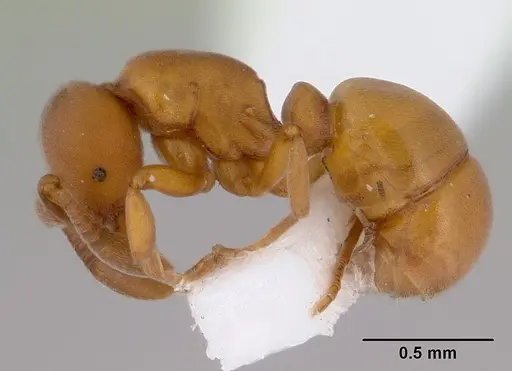
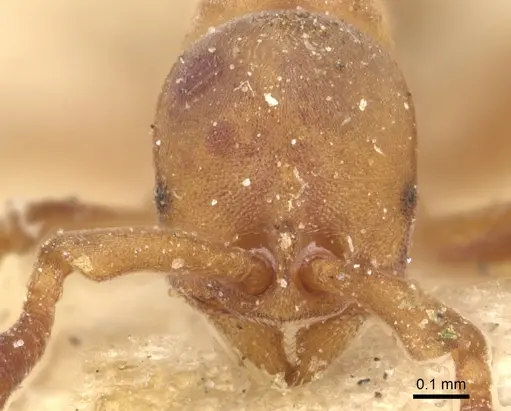
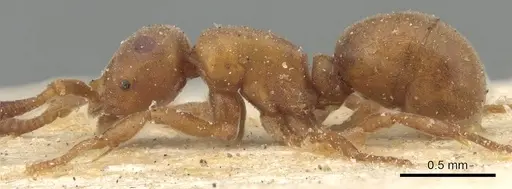
Discothyrea antarctica is a tiny, cryptic ant species endemic to New Zealand's North Island. Workers are very small at approximately 2-3mm, with the distinctive shield-shaped head characteristic of the Proceratiinae subfamily. They have a dark reddish-brown to black coloration and relatively compact body. This species belongs to the sauteri group and is one of New Zealand's native ants, found specifically in the northern regions of the North Island. They are rarely encountered in the wild due to their cryptic lifestyle and very low abundance, typically living in leaf litter, under stones, or in rotting wood in forested areas. What makes this species particularly interesting is its status as an endemic New Zealand ant, one of the few native species in a country with relatively few ant species compared to other regions. The genus Discothyrea is known for specialized exocrine glands in their foreleg coxae, though the exact function remains studied [1].
Quick Summary
- Difficulty: Unknown, likely Moderate to Hard
- Origin & Habitat: New Zealand (North Island), endemic species found in native forest habitats including leaf litter, under stones, and in rotting wood. The type locality is the Hunua Mountains area. They prefer damp, shaded forest floor microhabitats typical of New Zealand's temperate rainforests [2][3].
- Colony Type: Colony structure is unconfirmed, likely small colonies based on the very low abundance observed in the wild. No specific data on queen number or colony size exists for this species.
- Size & Growth:
- Queen: Approximately 3-4mm (estimated from genus patterns, queen described by Brown 1958 but measurements not specified)
- Worker: Approximately 2-3mm [3]
- Colony: Likely small, under 100 workers based on low abundance patterns [2]
- Growth: Unknown, likely slow to moderate based on typical small Proceratiinae patterns
- Development: Unknown, estimated 6-10 weeks based on related Proceratiinae species at optimal temperature (No direct development data exists for this species. Estimates based on genus-level patterns for small cryptic ants.)
- Antkeeping:
- Temperature: Keep at 18-22°C, New Zealand temperate climate suggests they prefer cooler conditions. A slight gradient allowing cooler areas is recommended.
- Humidity: High humidity required, aim for 70-85% relative humidity. Keep the nest substrate consistently moist but not waterlogged. These forest-floor ants need damp conditions.
- Diapause: Likely yes, New Zealand temperate climate suggests they need a winter rest period. Reduce temperature to 10-15°C for 2-3 months during winter.
- Nesting: Use a naturalistic setup with moist substrate, a Y-tong or plaster nest with small chambers works well. Provide leaf litter or small debris in the outworld to mimic their natural leaf-litter habitat. Keep nesting material consistently damp.
- Behavior: Very cryptic and docile. These ants are not aggressive and will typically flee rather than fight. They are slow-moving and spend most of their time in the nest or foraging quietly in the substrate. Escape risk is low due to their small size but they can squeeze through very small gaps, use fine mesh barriers. They are likely nocturnal or crepuscular foragers. As Proceratiinae, they are likely predatory on small invertebrates but their exact diet in the wild is unstudied.
- Common Issues: very small size makes escape prevention challenging, use fine mesh and tight-fitting lids, low abundance in the wild suggests colonies are sensitive to disturbance, no established care guidelines exist, this is a poorly studied species, high humidity requirements can lead to mold if ventilation is poor, slow growth may frustrate beginners expecting visible progress
Natural History and Distribution
Discothyrea antarctica is endemic to New Zealand, found only on the North Island. The type locality is in the Hunua Mountains area. This is a native species that has been present in New Zealand long before human arrival, as confirmed by its status as endemic [3]. They are considered a native species with very low abundance, surveys in northern New Zealand caught only small numbers in pitfall traps and litter samples, indicating they are cryptic and rarely encountered [2]. As a member of the Proceratiinae subfamily (which was split from Ponerinae), they share characteristics with other cryptic forest-floor ants including their distinctive shield-shaped head. The species was originally described by Emery in 1895,with the queen later described by Brown in 1958 [3].
Housing and Nest Setup
This species requires high humidity and a naturalistic setup. A Y-tong (acrylic) or plaster nest with small chambers scaled to their tiny size works well. The nest material must be kept consistently moist, these forest-floor ants need damp conditions to thrive. Add a layer of leaf litter or small debris in the outworld to provide foraging opportunities and mimic their natural habitat. Use a water test tube setup for humidity. Because they are very small, escape prevention must be excellent, use fine mesh barriers and tight-fitting lids. They do not need large spaces, tight chambers help them feel secure. A small outworld is sufficient since colonies likely remain small.
Feeding and Diet
The exact diet of Discothyrea antarctica is unstudied, but Proceratiinae ants are typically predatory or omnivorous, feeding on small invertebrates. Based on genus patterns, they likely accept small live prey such as springtails, fruit flies, and other micro-arthropods. They may also accept sugar sources occasionally, though this is uncertain. Feed small prey items 2-3 times per week, removing any uneaten prey after 24 hours. Do not overfeed, small colonies have modest requirements. Given their tiny size, prey should be appropriately sized.
Temperature and Seasonal Care
Keep these ants at 18-22°C, reflecting New Zealand's temperate climate. They prefer cooler conditions than many tropical ants. A heating cable on one side of the nest can create a gradient, allowing the ants to choose their preferred temperature. During winter, they likely require a diapause period, reduce temperature to 10-15°C for 2-3 months. This mimics their natural seasonal cycle in temperate New Zealand. Monitor colony activity, if they become sluggish, they may need warmer conditions or are entering dormancy. Avoid temperature extremes.
Behavior and Handling
Discothyrea antarctica is docile and non-aggressive. They are cryptic ants that prefer to avoid confrontation rather than fight. Workers are slow-moving and spend most of their time in the nest or quietly foraging. They do not have a painful sting, their small size and docile nature make them suitable for observation rather than handling. Do not disturb the colony unnecessarily, as small colonies can be sensitive to stress. They are likely nocturnal or crepuscular foragers. Their very small size means they can escape through tiny gaps, always use fine mesh barriers.
References

This caresheet is licensed under CC BY-SA 4.0 .
CASENT0172126
View on AntWeb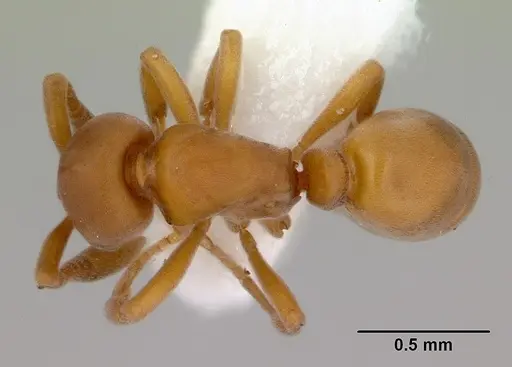
CASENT0903857
View on AntWeb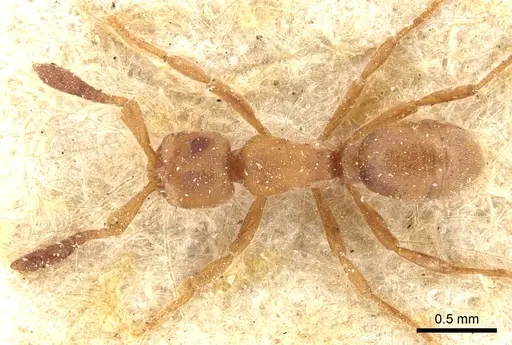
Literature
Loading...Loading products...