

Dinoponera mutica
- Scientific Name
- Dinoponera mutica
- Tribe
- Ponerini
- Subfamily
- Ponerinae
- Author
- Emery, 1901
- Distribution
- Found in 3 countries
Dinoponera mutica Overview
Dinoponera mutica is an ant species of the genus Dinoponera. It is primarily documented in 3 countries , including Bolivia, Plurinational State of, Brazil. Detailed taxonomic data and occurrence records can be further explored via authoritative databases such as AntWeb or the Global Biodiversity Information Facility (GBIF).
Dinoponera mutica
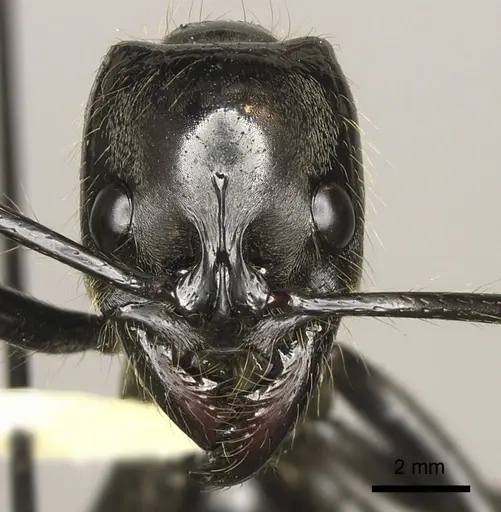
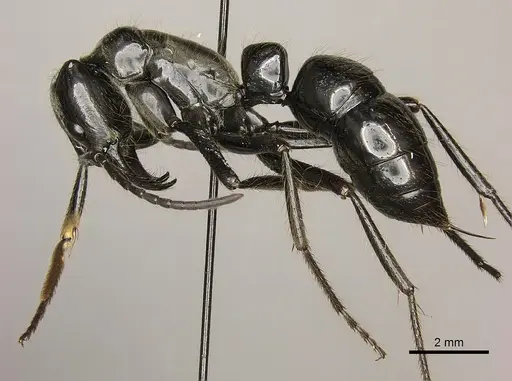
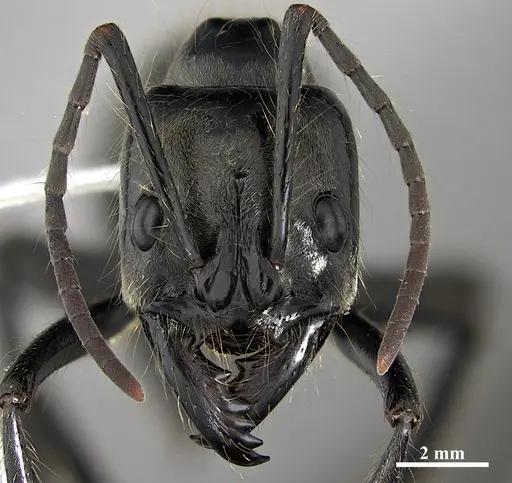
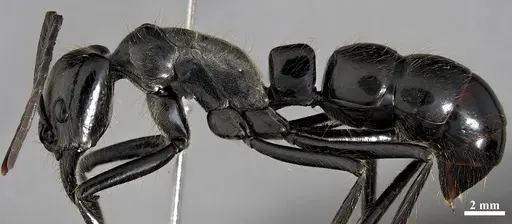
Dinoponera mutica is one of the largest ant species in the world, with workers reaching 29-32mm in total body length [1]. These striking ants have a smooth, shiny black integument with a distinctive bluish luster, long golden-brown pubescence, and a rounded pronotum without the tooth-like process found in some relatives [1]. They are found across central South America, specifically in the Brazilian states of Rondônia, Mato Grosso, Goiás, and Mato Grosso do Sul, as well as eastern Bolivia and northwest Paraguay [1]. Males of this species remain unknown [1][2].
These ants are restricted to forest environments, particularly semi-deciduous habitats in the Brazilian Pantanal region [3]. They are predatory Ponerine ants, typical of the genus Dinoponera, which are known for their active hunting behavior and powerful sting.
Quick Summary
- Difficulty: Medium
- Origin & Habitat: Central South America, Brazilian states of Rondônia, Mato Grosso, Goiás, and Mato Grosso do Sul, eastern Bolivia, and northwest Paraguay. Found in semi-deciduous forest habitats in the Pantanal region [1][3].
- Colony Type: Queenless colonies, no distinct queen.
- Queen Status: Queenless Colony
- Size & Growth:
- Worker:{.size-link} 29-32 mm total body length [1]
- Colony: Unknown, likely reaches several hundred workers based on related species
- Growth: Moderate, inferred from typical Ponerine development patterns
- Development: Estimated 8-12 weeks at optimal temperature based on genus-level data for related Ponerine ants (Development timeline is not directly studied for this species. Large ant species typically develop more slowly than smaller species.)
- Antkeeping:
- Temperature: Keep at 24-26°C based on their tropical distribution. They originate from central South America where median annual temperature is around 25.7°C [4]. Avoid temperatures below 22°C or above 30°C.
- Humidity: High humidity required, forest-dwelling species. Keep substrate consistently moist but not waterlogged. Aim for 70-80% humidity in the nest area.
- Diapause: Unlikely, tropical species from central South America does not require hibernation. Maintain warm temperatures year-round.
- Nesting: Large chambers are essential given their size. Y-tong (AAC) nests with spacious chambers or plaster nests work well. They prefer dark, humid nest conditions similar to their forest floor habitat.
- Behavior: These are active predatory ants that hunt for live prey. They have a functional stinger with potent venom that is painful to vertebrates, typical of Ponerine ants. They will defend their nest if threatened. Their large size makes them easy to contain, standard barrier methods work well. They are daytime foragers typical of Ponerine ants.
- Common Issues: large size requires appropriately sized enclosures and feeding spaces, predatory nature means they need constant access to live protein prey, failure to feed adequate prey leads to colony decline, high humidity requirements can lead to mold if ventilation is poor, wild-caught colonies may carry parasites that can devastate captive colonies, slow development means colonies take months to establish, beginners may lose patience
Housing and Nest Setup
Dinoponera mutica requires significantly larger enclosures than typical ants due to their 30mm+ worker size. A Y-tong (AAC) nest with large chambers or a spacious plaster formicarium works best. The nest should be dark and humid, these forest-dwelling ants prefer enclosed spaces with minimal light exposure. The outworld should be appropriately scaled with ample space for hunting and exploring. Because they are large, standard escape prevention measures are effective, they cannot squeeze through gaps that would trap smaller species. Provide a water tube with cotton as a hydration source. [1][3]
Feeding and Diet
As predatory Ponerine ants, Dinoponera mutica requires a protein-rich diet of live prey. They are active hunters that typically attack and subdue prey much larger than themselves. Offer live insects such as cockroach nymphs, large crickets, mealworms, and other appropriately sized invertebrates. Feed protein prey 2-3 times per week, adjusting based on colony size and consumption. Sugar sources may be accepted occasionally, but protein is the primary dietary requirement. Remove uneaten prey after 24-48 hours to prevent mold. A constant water source is essential.
Temperature and Humidity
Maintain temperatures between 24-26°C, reflecting their tropical origin in central South America where average temperatures hover around 25.7°C [4]. Use a heating cable on one side of the nest to create a gentle gradient if room temperature is insufficient. High humidity is critical, these forest ants require 70-80% humidity in the nest chamber. Keep the substrate consistently moist but avoid waterlogging. Mist the nest area periodically and monitor for condensation. Poor humidity leads to desiccation and colony failure, especially during founding.
Colony Development and Growth
Dinoponera mutica colonies grow more slowly than many common ant species. Expect 8-12 weeks from egg to first worker at optimal temperature, though this is estimated based on related Ponerine ants since specific development data is not available for this species [3]. The first workers will be smaller than mature workers. Colony growth is gradual, large colonies may develop over several years. Patience is essential with this species. Do not overfeed during founding as uneaten prey creates mold risks in the small founding chamber.
Behavior and Temperament
These ants are active daytime foragers with a predatory hunting style. Workers will patrol the outworld searching for prey, which they subdue using their powerful mandibles and sting. As Ponerine ants, they possess a functional stinger with potent venom that is painful to vertebrates. They will defend the nest if disturbed. Their large size makes them relatively easy to work with, they can be gently guided with a soft brush if needed. They do not form supercolonies and are not invasive. [1]
Seasonal Care
As a tropical species from central South America, Dinoponera mutica does not require true hibernation or diapause. They may show reduced activity during cooler periods but should be maintained at warm temperatures year-round. Do not allow temperatures to drop below 22°C for extended periods. If your room temperature naturally fluctuates with seasons, consider using a small heater or heating cable to maintain consistent warmth. The wet/dry seasonal patterns of their native habitat suggest they appreciate occasional misting cycles but consistently humid conditions. [4][3]
Frequently Asked Questions
How long does it take for Dinoponera mutica to produce first workers?
Expect 8-12 weeks from egg to first worker at optimal temperature (24-26°C). This is an estimate based on related Ponerine ants since specific development data for D. mutica is not available. Large ant species typically develop more slowly than smaller species.
What do Dinoponera mutica ants eat?
They are predatory ants that require live protein prey. Feed them appropriately sized insects like cockroach nymphs, large crickets, and mealworms. Offer protein 2-3 times per week. Sugar water may be occasionally accepted but protein is essential.
Can I keep Dinoponera mutica in a test tube?
Test tubes are not suitable for this species due to their large 30mm+ size. They need a spacious formicarium or Y-tong nest with large chambers. A small test tube setup would cramp them severely and stress the colony.
What temperature do Dinoponera mutica ants need?
Keep them at 24-26°C. This reflects their tropical origin in central South America where average temperatures are around 25.7°C. Avoid temperatures below 22°C or above 30°C.
Are Dinoponera mutica ants good for beginners?
They are rated as medium difficulty. While their large size makes them easier to handle, their specific humidity needs, predatory diet requirements, and slow growth make them better suited for keepers with some antkeeping experience.
How big do Dinoponera mutica colonies get?
Colony size is not documented for this specific species, but related Dinoponera species typically reach several hundred workers over several years. They are not among the largest colonies but produce impressively large individual ants.
Do Dinoponera mutica ants need hibernation?
No, as a tropical species they do not require hibernation. Maintain warm temperatures year-round. They may reduce activity during cooler periods but should not be exposed to cold temperatures.
Why is my Dinoponera mutica colony dying?
Common causes include: low humidity (keep substrate consistently moist), insufficient protein prey (they need live prey regularly), temperatures below 22°C, or parasites from wild-caught colonies. Check environmental conditions first.
Report an Issue
The current care sheet is based fully on literature. See inconsistencies, or something that's incorrect? Please , it will be resolved after review from an admin. Contributing to the blogs tab also helps providing information, to make us be able to further improve the caresheets. Thank you for your support!
References

This caresheet is licensed under CC BY-SA 4.0 .
CASENT0260423
View on AntWeb

DZUP549809
View on AntWeb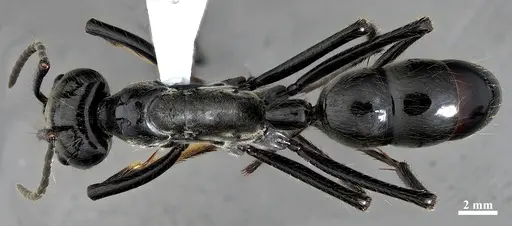
Literature
Loading...Loading products...