

Dinoponera lucida
- Scientific Name
- Dinoponera lucida
- Tribe
- Ponerini
- Subfamily
- Ponerinae
- Author
- Emery, 1901
- Distribution
- Found in 1 countries
Dinoponera lucida Overview
Dinoponera lucida is an ant species of the genus Dinoponera. It is primarily documented in 1 countries , including Brazil. Detailed taxonomic data and occurrence records can be further explored via authoritative databases such as AntWeb or the Global Biodiversity Information Facility (GBIF).
Dinoponera lucida
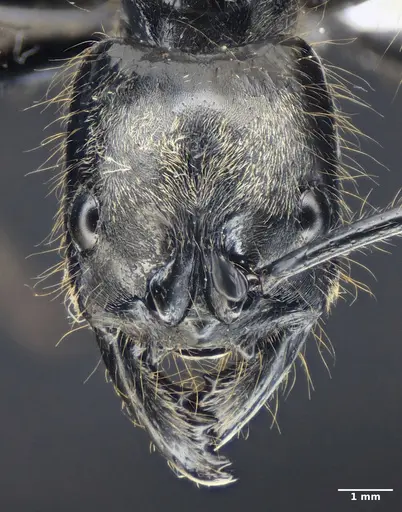
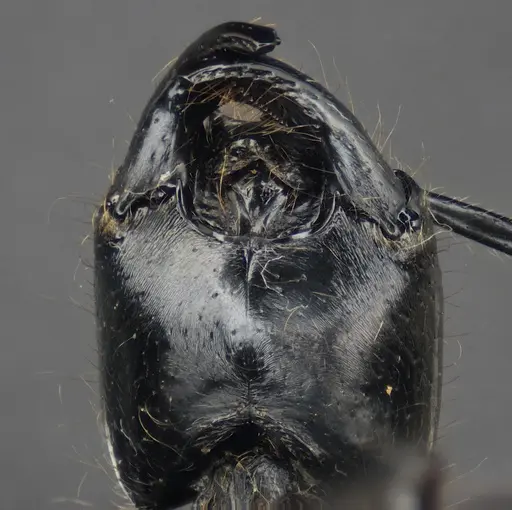
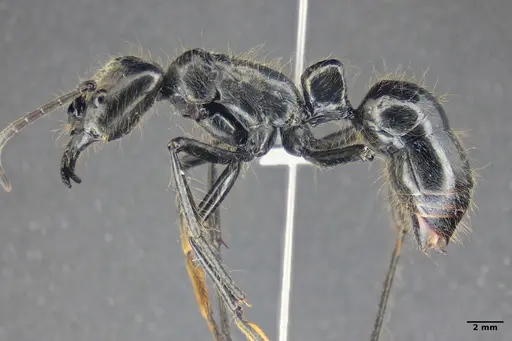
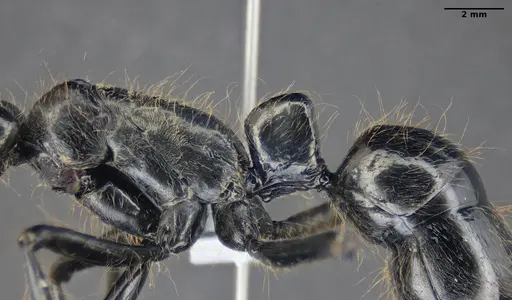
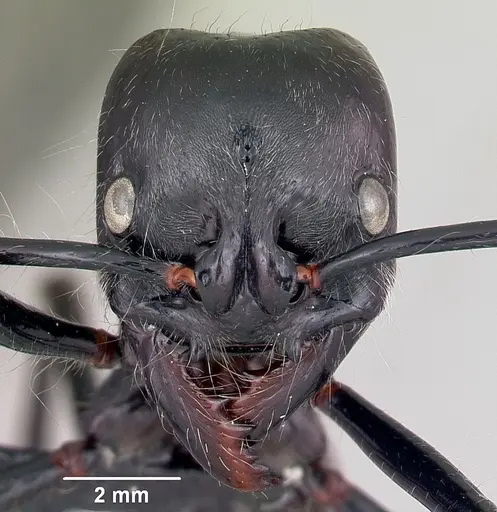
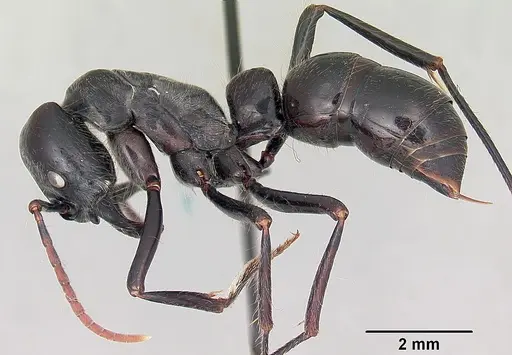
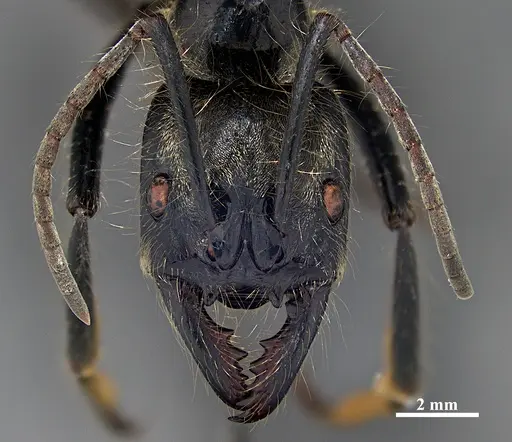
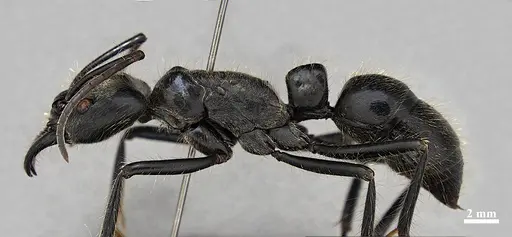
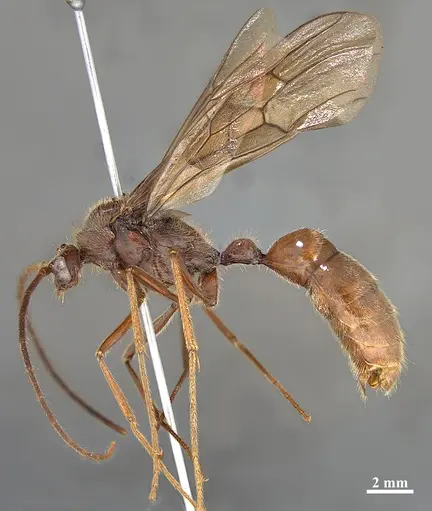
Dinoponera lucida is one of the largest ant species in the world, with workers reaching 27-30mm in length [1]. These impressive ants are endemic to the Atlantic Forest of Brazil, found only in the states of Bahia, Espírito Santo, Minas Gerais, and São Paulo [2]. They have a smooth, shiny integument with a distinctive bluish iridescence and long white hairs covering their body [1]. Unlike most ant species, D. lucida has no true queen caste, reproduction is handled by gamergates, which are mated workers that can lay eggs [3]. This makes them unique among ants and creates interesting social dynamics within the colony.
Quick Summary
- Difficulty: Expert
- Origin & Habitat: Atlantic Forest of Brazil, specifically the states of Bahia, Espírito Santo, Minas Gerais, and São Paulo. They prefer dense, humid rainforest with little herbaceous ground vegetation and nest in soil beneath understory vegetation roots [2][4].
- Colony Type: Monogynous colonies with gamergates (reproductive workers). There is no distinct queen caste, any worker can potentially become a gamergate and reproduce [5][3]. New colonies form through fission (colony splitting), not nuptial flights [6].
- Colony: Monogyne
- Special: Gamergates
- Size & Growth:
- Queen: No true queen exists, reproduction is by gamergates (mated workers)
- Worker: 27-30mm [1]
- Colony: 22-106 workers per mature colony [2]
- Growth: Slow
- Development: Unknown, no documented development timeline for this species (Colony growth is slow due to small colony sizes and the lack of a dedicated egg-laying queen. Gamergates produce eggs but at lower rates than true queens.)
- Antkeeping:
- Temperature: Keep nest area at 24-27°C. Foraging activity peaks between 21-27°C, with 74% of worker activity occurring in this range. Activity decreases significantly above 27°C [4]. Room temperature within this range is ideal.
- Humidity: High humidity required, they inhabit the humid Atlantic Forest. Keep substrate consistently moist but not waterlogged. Maintain around 80% relative humidity [4].
- Diapause: Unknown, as a tropical species from Atlantic Forest, they likely do not require true hibernation but may reduce activity in cooler months.
- Nesting: In nature they nest in soil beneath understory vegetation roots, typically less than 1 meter from trees, with 1-4 entrances and chambers about 35cm deep [7]. In captivity, a naturalistic setup with deep soil chambers or a large formicarium with moist substrate works well. They need shaded, dark spaces and should be kept away from direct light.
- Behavior: These are solitary foragers with no recruitment behavior, workers hunt alone rather than recruiting nestmates [8]. They are primarily predatory, hunting arthropods in the leaf litter. Workers show colony fidelity and return to their own nest after foraging. They use visual cues like trunks, branches, and roots to navigate [8]. While generally not aggressive toward humans, their size is intimidating and they can deliver a painful sting. They are escape artists due to their large size, secure containment is important but not as critical as for tiny species.
- Common Issues: slow colony growth makes them frustrating for impatient keepers, specialized diet, they are strict predators and need live prey, not sugar water, high humidity requirements can lead to mold if ventilation is poor, no queen means colony growth depends entirely on gamergate reproduction, endangered species, ethical concerns about keeping wild-caught colonies
Housing and Nest Setup
Dinoponera lucida requires a naturalistic setup that mimics their natural forest floor habitat. They need a deep nest chamber (at least 30-35cm deep in nature) filled with moist soil or a soil-filled formicarium [7]. The nest should be placed in a dark area, these ants are sensitive to light and will avoid illuminated areas. Provide a large outworld for foraging since they are solitary hunters that roam significant distances (average 3.8m, up to 10m from nest) [4]. Use a secure container as they are large ants capable of climbing smooth surfaces. A naturalistic terrarium-style setup works best, with live plants or leaf litter to maintain humidity and provide hunting grounds. The nest entrance should be elliptical (about 20mm high and 40mm wide in natural nests) [4].
Feeding and Diet
This species is strictly predatory in the wild. Their diet consists almost entirely of arthropods, studies show 94% of food items collected were animals, with only 6% plant material [4]. Their prey includes spiders (10.4%), grasshoppers (8.3%), termites (8.3%), insect larvae (4.2%), insect pupae (4.2%), and various other invertebrates. They prefer high-mobility prey (78% of animal prey), likely because these are easier to detect in the leaf litter [4]. In captivity, offer live prey such as small crickets, mealworms, fruit flies, and other small insects. They are not interested in sugar water or honey, this is not a sugar-feeding species. Feed prey items 2-3 times per week, adjusting based on colony consumption. Remove uneaten prey to prevent mold.
Temperature and Humidity
Maintain temperatures between 24-27°C in the foraging area. Research shows 74% of foraging activity occurs in this temperature range, with significantly reduced activity above 27°C [4]. They are a tropical species from the hot, humid Atlantic Forest where average temperatures range 20-26°C [7]. High humidity is essential, aim for around 80% relative humidity [4]. Use a substrate that retains moisture well and mist regularly, but ensure proper ventilation to prevent mold. A water reservoir or moisture gradient in the nest allows workers to self-regulate their humidity exposure. Avoid temperatures below 20°C as this may stress the colony.
Social Structure and Colony Dynamics
Dinoponera lucida has one of the most unusual social structures in the ant world, they have no true queen caste. Instead, reproduction is handled by gamergates, which are workers that have mated and can lay fertilized eggs [3][5]. Each colony has only one active gamergate at a time [5]. This creates interesting dynamics: when a colony loses its gamergate, workers compete for dominance through agonistic behaviors like gaster bending, antennal boxing, and immobilization [5]. The colony establishes a hierarchy, with the dominant worker eventually becoming the new reproductive. Labor division follows age polyethism, younger workers tend brood (nursing), while older workers forage [5]. This system means colonies grow slowly since egg production depends on worker replacement rather than a queen's high output.
Foraging Behavior
These ants are solitary foragers, they do not recruit nestmates to food sources like many ant species [8]. Each worker hunts alone, wandering through the leaf litter in a sinuous pattern while using its antennae to detect prey. They forage during daylight hours with a bimodal pattern: peak activity occurs between 8-10 AM and again between 2-5 PM [4]. Workers show strong colony fidelity, always returning to their own nest after capturing prey. They use fixed visual cues in the environment (tree trunks, branches, roots, shrubs) to navigate and maintain stereotyped foraging routes [8]. Average foraging distance is about 3.8 meters, though workers have been recorded traveling up to 10 meters from the nest [4]. This means they need a spacious outworld to exhibit natural foraging behavior.
Conservation and Ethical Considerations
Dinoponera lucida is classified as Endangered in Brazil due to habitat destruction in the Atlantic Forest [9]. Their range is extremely limited to fragments of Atlantic rainforest in eastern Brazil, and they are considered threatened by the Brazilian government [2]. If you obtain this species, ensure it comes from a reputable breeder rather than wild collection. Wild populations are under pressure from deforestation and forest fragmentation. In captivity, they are challenging to breed due to their unique reproductive system and slow growth. Before keeping this species, consider whether you have the expertise and commitment to maintain a long-term colony that may take years to reach moderate size.
Frequently Asked Questions
Can I keep Dinoponera lucida in a test tube setup?
No, test tubes are not suitable. These are large ants (27-30mm) that need significant space and a naturalistic setup with deep, moist soil for nesting. They also require a spacious outworld for solitary foraging. A naturalistic terrarium or large formicarium with soil substrate is necessary.
How long until first workers in Dinoponera lucida?
The exact development timeline is unconfirmed, but colony growth is very slow. Mature colonies only reach 22-106 workers, and since reproduction comes from gamergates rather than a queen, egg production is limited. Expect months to years before you have a substantial colony.
Do Dinoponera lucida ants have a queen?
No, they have no true queen caste. Reproduction is handled by gamergates, mated workers that can lay fertilized eggs. Each colony has one dominant gamergate that reproduces. This is unusual among ants and affects how colonies develop.
What do Dinoponera lucida eat?
They are strict predators that hunt arthropods. Feed live prey such as small crickets, mealworms, fruit flies, and other small insects. They do not accept sugar water or honey. About 94% of their natural diet is animal prey including spiders, grasshoppers, termites, and insect larvae.
Are Dinoponera lucida good for beginners?
No, this is an expert-level species. They require specific humidity and temperature conditions, a naturalistic setup, live prey feeding, and have a complex social structure without a queen. Their slow growth and endangered status also make them challenging for beginners.
Do Dinoponera lucida need hibernation?
As a tropical species from the Atlantic Forest, they likely do not require true hibernation. However, they may reduce activity during cooler periods. Maintain stable temperatures in the 24-27°C range year-round.
How big do Dinoponera lucida colonies get?
Mature colonies reach only 22-106 workers in the wild [2]. This is relatively small compared to many ant species, partly because they lack a true queen and reproduce through gamergates. Expect slow growth and modest final colony sizes.
Can I keep multiple queens together?
This species does not have queens, reproduction is by gamergates (reproductive workers). Each colony has only one active gamergate. Combining unrelated colonies is not recommended and has not been studied.
Why is my Dinoponera lucida colony dying?
Common causes include: low humidity (they need ~80% relative humidity), incorrect temperature (below 20°C or above 27°C reduces activity), improper diet (they need live prey, not sugar), and stress from excessive disturbance. Also ensure the nest is dark, they avoid light.
When should I move Dinoponera lucida to a formicarium?
Start them in a simple setup with a small container of moist soil as a founding chamber. Once the colony reaches 10+ workers and you observe regular foraging activity, you can expand to a larger naturalistic setup. They need space to forage solitarily, so a spacious outworld is important from the start.
References

This caresheet is licensed under CC BY-SA 4.0 .
ANTWEB1008517
View on AntWeb
ANTWEB1047746
View on AntWeb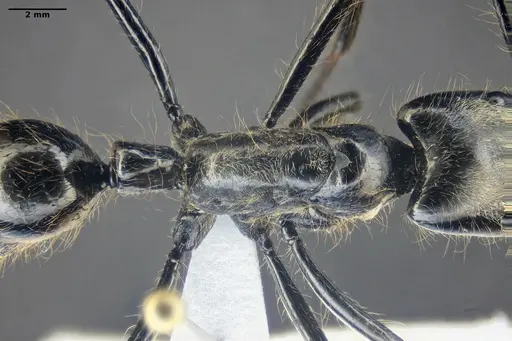
CASENT0104920
View on AntWeb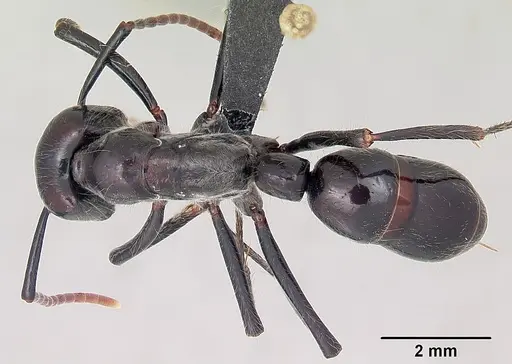
DZUP549807
View on AntWeb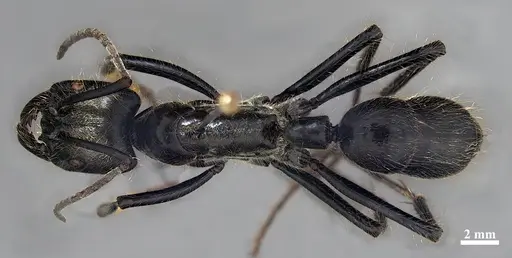
UFES106427
View on AntWeb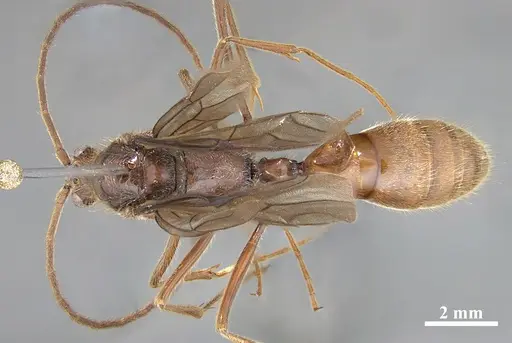
Literature
Loading...Loading products...