

Dinoponera longipes
- Scientific Name
- Dinoponera longipes
- Tribe
- Ponerini
- Subfamily
- Ponerinae
- Author
- Emery, 1901
- Distribution
- Found in 4 countries
Dinoponera longipes Overview
Dinoponera longipes is an ant species of the genus Dinoponera. It is primarily documented in 4 countries , including Brazil, Colombia, Ecuador. Detailed taxonomic data and occurrence records can be further explored via authoritative databases such as AntWeb or the Global Biodiversity Information Facility (GBIF).
Dinoponera longipes
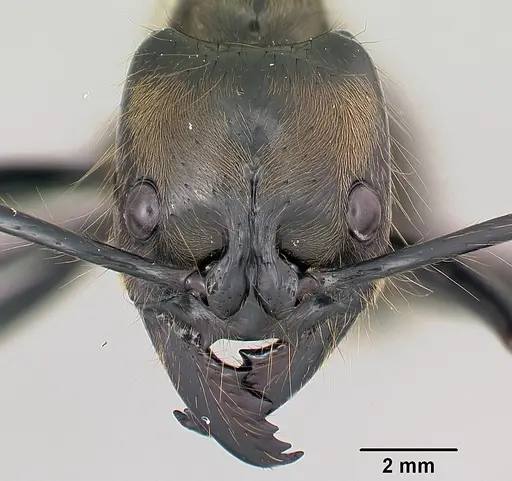
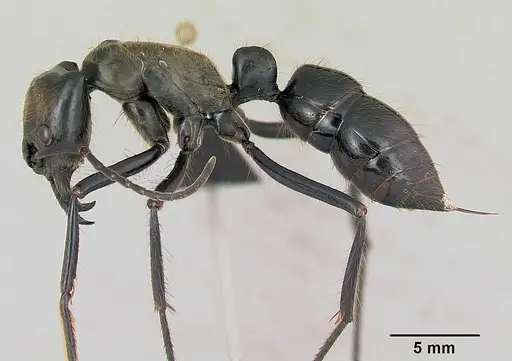
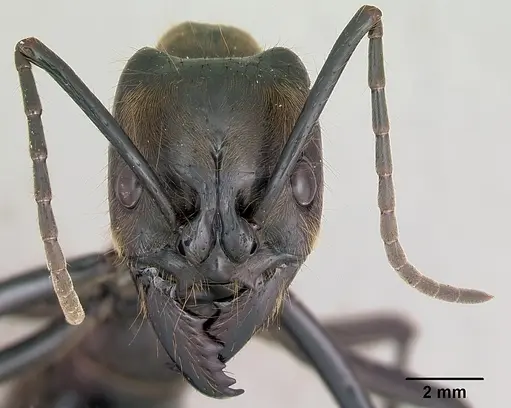
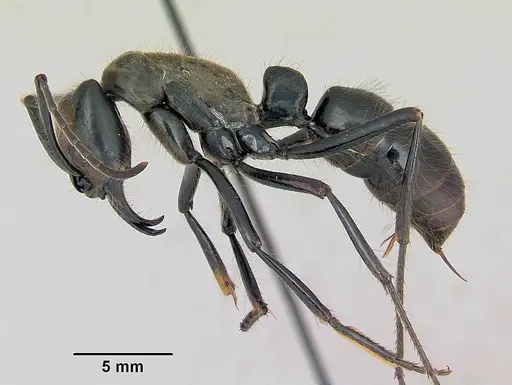
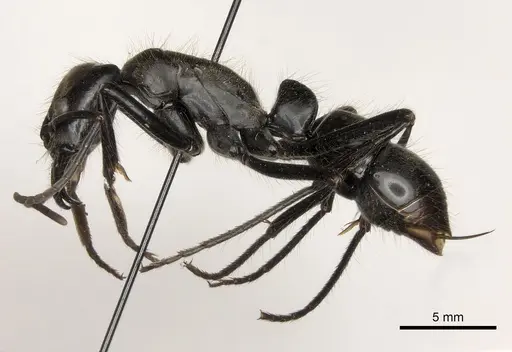
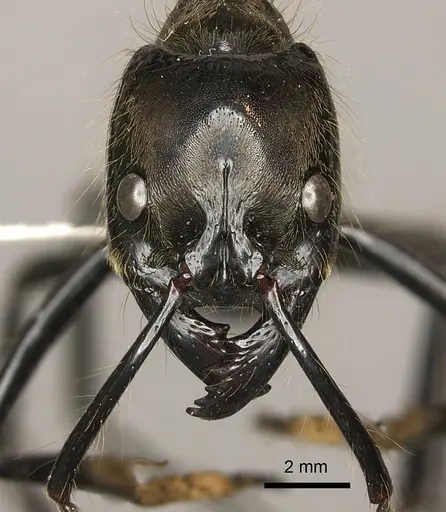
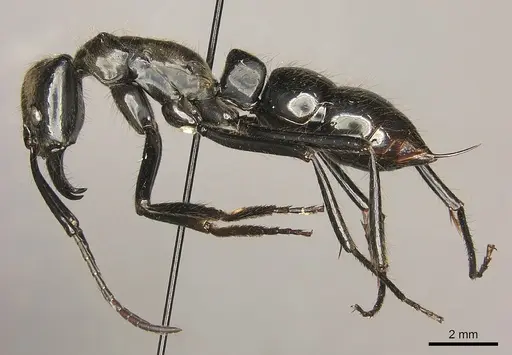
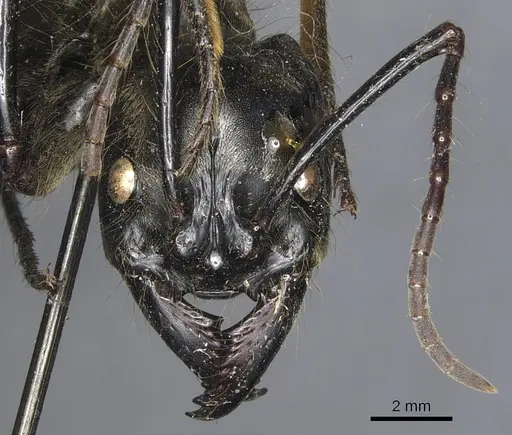
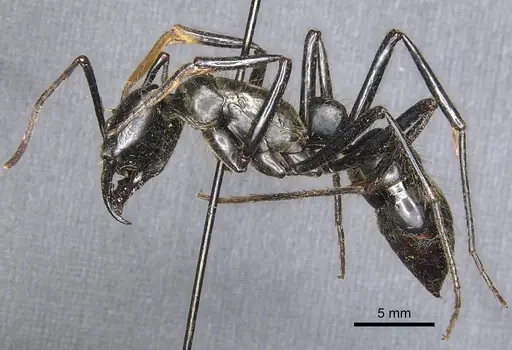
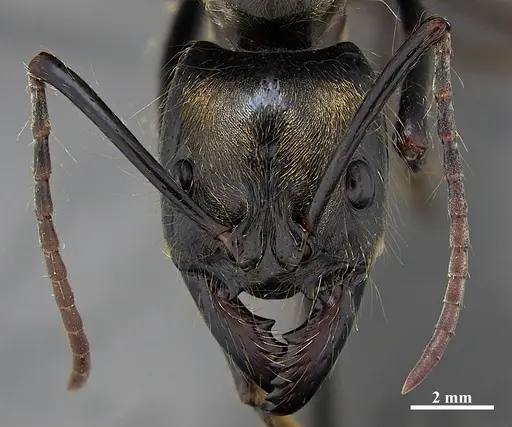
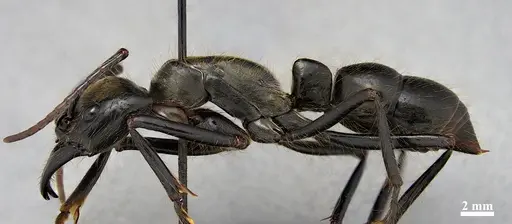
Dinoponera longipes is one of the largest ant species in the world, with workers reaching an impressive 30-35mm in length [1]. These striking ants are easily recognized by their golden luster from long, silky hairs covering their head and body, along with their smooth, shiny dark reddish-brown integument [1][2]. They are completely queenless, instead of a distinct queen, workers can become reproductive through dominance interactions within the colony [3].
Quick Summary
- Difficulty: Medium
- Origin & Habitat: Found in the Amazon basin of eastern Peru, Ecuador, Colombia, and Brazil (Acre, Amazonas, Rondônia) [1][2]. They live in primary rainforest, nesting in soil under sparse understory vegetation with shade from the forest canopy [3].
- Colony Type: Queenless colonies, no distinct queen. Workers can become reproductive through dominance interactions. Colonies are numerically small, typically containing 7-120 workers [3].
- Special: Gamergates
- Size & Growth:
- Queen: N/A, queenless species (workers 30-35mm) [1]
- Worker: 30.85-34.75 mm [1]
- Colony: Up to 120 workers [3]
- Growth: Slow, small colony sizes
- Development: Unknown, not directly studied. Based on related Ponerinae species, expect several months (Colony growth is slow, colonies remain small compared to many common ant species)
- Antkeeping:
- Temperature: Keep nest around 24°C. Avoid exceeding 27°C, colonies will abandon the nest if it gets too warm [3]. Room temperature in the low-to-mid 20s°C is ideal.
- Humidity: High humidity required, these are rainforest ants. Keep substrate consistently moist but not waterlogged. The natural nest chambers are about 30cm below the surface in damp soil [3].
- Diapause: No, they are tropical ants from the Amazon rainforest. No winter dormancy is required [2].
- Nesting: Soil-nesting species. In captivity, they do well in naturalistic setups with deep substrate (at least 10-15cm) or in formicariums with moist soil. They prefer spacious chambers roughly 10-15cm wide [3]. Provide multiple nest entrances and chambers.
- Behavior: These ants are primarily nocturnal foragers, hunting and scavenging at night [2]. They are carnivorous, preying on small invertebrates and scavenge on animal carcasses. Workers are not aggressive but can deliver a painful sting if threatened, they belong to the Ponerinae subfamily known for their potent stings [4]. Colonies are highly mobile and will quickly relocate if conditions become unfavorable. Within the nest, they show interesting dominance behaviors including 'biting and tucking' where one ant immobilizes another, and 'antennal drumming' during social interactions [3]. Escape prevention is straightforward since they are large ants that cannot squeeze through standard barriers.
- Common Issues: temperature sensitivity, colonies will abandon nests that exceed 27°C [3], slow growth and small colony sizes mean these ants develop slowly, no distinct queen means colony founding is unusual, you need an established colony, high humidity requirements can lead to mold if ventilation is poor, wild-caught colonies may have parasites that affect survival in captivity
Housing and Nest Setup
Dinoponera longipes requires a naturalistic setup with deep, moist soil substrate since they are soil-nesting ants from the Amazon rainforest. Use a formicarium with at least 10-15cm of substrate depth, or provide a large dirt-filled container. The nest chambers should be spacious, roughly 10-15cm wide and 3-4cm high, matching the natural chamber size they create in the wild [3]. Provide multiple nest entrances (2-30 in the wild) and allow the colony to choose their preferred locations. Keep the substrate consistently moist but not waterlogged, think damp forest floor, not soggy mud. A layer of leaf litter or mulch on the surface helps maintain humidity and provides foraging enrichment. Since they are large ants, standard escape barriers work well, but ensure the outworld has plenty of space for hunting and scavenging.
Temperature Management
Temperature control is critical for this species. Observation nests kept at around 24°C showed normal colony behavior, but when temperatures approached 27°C, the colony began abandoning the nest [3]. This aligns with their natural habitat in the Amazon where temperatures are stable. Keep your setup in a room that stays consistently in the low-to-mid 20s°C range. Avoid placing the nest near heat sources or in direct sunlight. If your room is cooler, use a heating cable on one side of the nest to create a gentle gradient, but monitor carefully and never let any part of the nest exceed 27°C. These ants are not tolerant of heat stress.
Feeding and Diet
Dinoponera longipes is predominantly carnivorous, as is typical of the genus [2]. In the wild, they hunt small invertebrates and scavenge on dead animals that fall from the rainforest canopy. In captivity, offer a variety of protein sources including live insects ( crickets, mealworms, roaches), frozen insects, and small pieces of raw meat or fish. Feed them prey items roughly every 2-3 days, adjusting based on how quickly they consume them. Remove any uneaten prey after 24-48 hours to prevent mold. Unlike many ants, they are not particularly interested in sugar water or honey, their diet is primarily protein-based. Some keepers report success with offering occasional fruit, but protein should make up the bulk of their diet.
Colony Structure and Reproduction
This species is one of the few truly queenless ants, there is no distinct morphologically distinct queen in the colony. Instead, workers can become reproductive through dominance interactions. The behavior called 'biting and tucking' observed in captivity appears to be related to dominance hierarchies [3]. Only some workers become egg-layers, and the colony regulates reproduction socially rather than having a single queen. When a colony is collected from the wild, it typically contains 7-120 workers [3]. This means you cannot start a colony from a single queen (since there isn't one), you must acquire an established colony. Colonies appear to be long-lived, in captivity,85% of workers were still alive after 14 months [3].
Behavior and Daily Care
These ants are primarily nocturnal, becoming most active for foraging at night [2]. They are not aggressive toward keepers but can sting if handled roughly or if the nest is threatened. The sting is painful since they belong to the Ponerinae subfamily known for potent venom [4]. Within the nest, they show fascinating behaviors: 'antennal drumming' where ants rapidly tap each other's heads during meetings, and 'biting and tucking' where one ant immobilizes another in a curled defensive position [3]. They are highly mobile and will quickly move brood to secure areas if the nest is disturbed. They also use fecal droplets to mark nest chambers, which may help with orientation and nest recognition. Clean the viewing glass regularly as an oily film accumulates from these secretions.
Frequently Asked Questions
Can I keep Dinoponera longipes in a test tube setup?
No, test tubes are not suitable. These are large ants that need spacious nest chambers (10-15cm wide) and deep, moist soil substrate. They also need multiple chambers and entrances. A naturalistic setup with soil or a large formicarium with soil chambers is required.
Do Dinoponera longipes have a queen?
No, this is a queenless species. There is no distinct queen, workers can become reproductive through dominance interactions within the colony. This is unusual among ants and means you cannot start a colony from a single queen.
How long does it take for Dinoponera longipes to develop from egg to worker?
The exact development timeline has not been directly studied. Based on related Ponerinae species, expect several months (likely 3-6 months) from egg to worker. Colony growth is slow, and colonies remain small (typically under 120 workers).
What temperature do Dinoponera longipes need?
Keep the nest at approximately 24°C. This is critical, if temperatures approach 27°C, the colony will abandon the nest. They are sensitive to heat and need stable, cool temperatures within the low-to-mid 20s°C range.
Are Dinoponera longipes good for beginners?
No, they are not recommended for beginners. They have specific requirements including high humidity, precise temperature control (below 27°C), and need a naturalistic setup with deep soil. They are also queenless, so you cannot start a colony from scratch, you need an established colony.
What do Dinoponera longipes eat?
They are predominantly carnivorous. Feed them live or frozen insects (crickets, mealworms, roaches), small pieces of raw meat, or fish. They are not interested in sugar sources like honey or sugar water. Offer protein every 2-3 days.
How big do Dinoponera longipes colonies get?
Colonies are relatively small compared to many ant species. Maximum colony size is around 120 workers in the wild [3]. They remain small colonies throughout their life.
Do Dinoponera longipes need hibernation?
No, they do not need hibernation. They are tropical ants from the Amazon rainforest and require year-round warm, humid conditions without any winter dormancy period.
When should I move my colony to a formicarium?
Since they require soil nests and are queenless, you would typically acquire an established colony rather than starting from scratch. If you have a colony in a temporary setup, move them to a naturalistic formicarium with deep, moist soil and multiple chambers as soon as possible.
References

This caresheet is licensed under CC BY-SA 4.0 .
CASENT0004661
View on AntWeb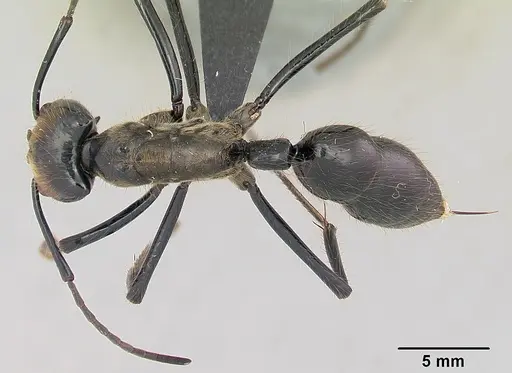
CASENT0004663
View on AntWeb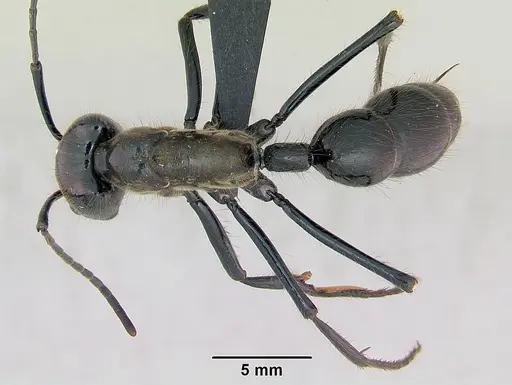
CASENT0217518
View on AntWeb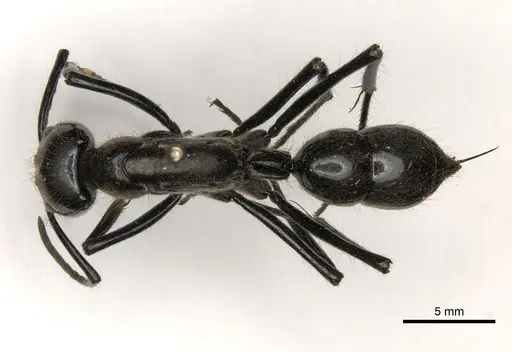
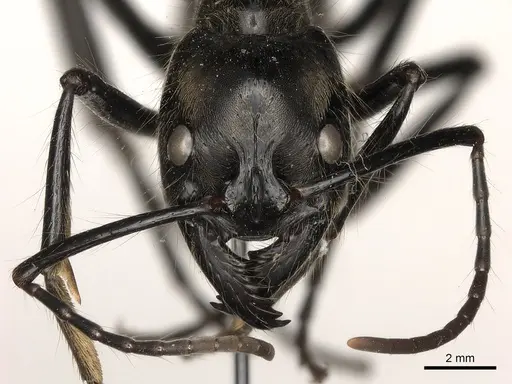
CASENT0260422
View on AntWeb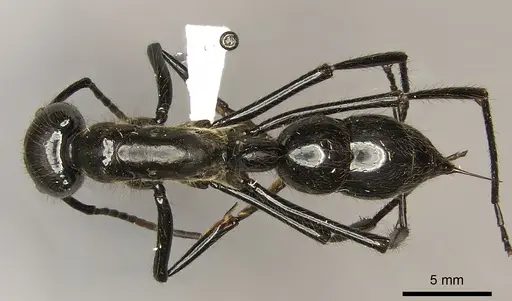
CASENT0903861
View on AntWeb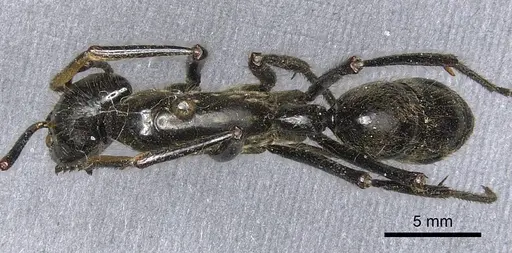
DZUP549808
View on AntWeb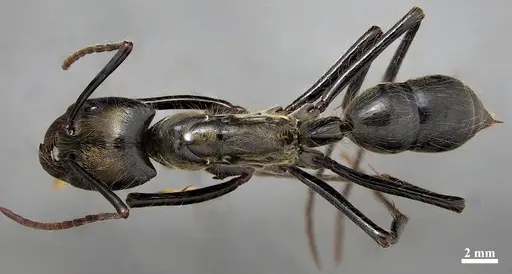
Literature
Loading...Loading products...