

Dinoponera grandis
- Scientific Name
- Dinoponera grandis
- Tribe
- Ponerini
- Subfamily
- Ponerinae
- Author
- Guérin-Méneville, 1838
- Distribution
- Found in 3 countries
Dinoponera grandis Overview
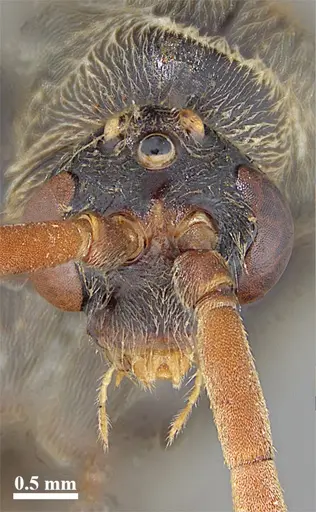
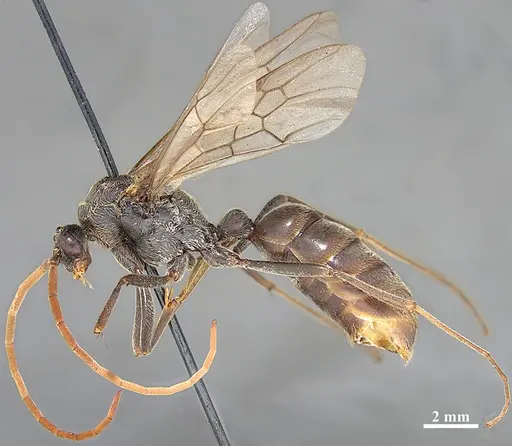
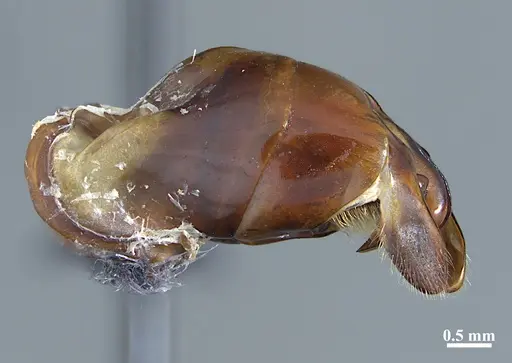
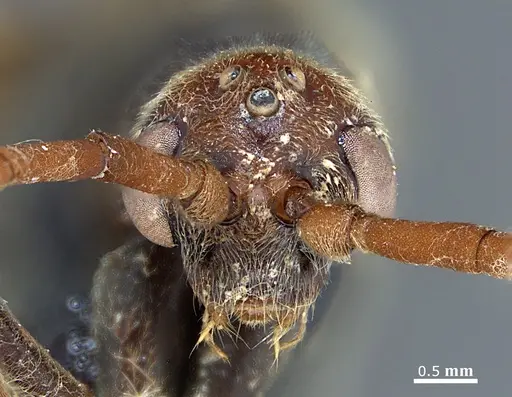
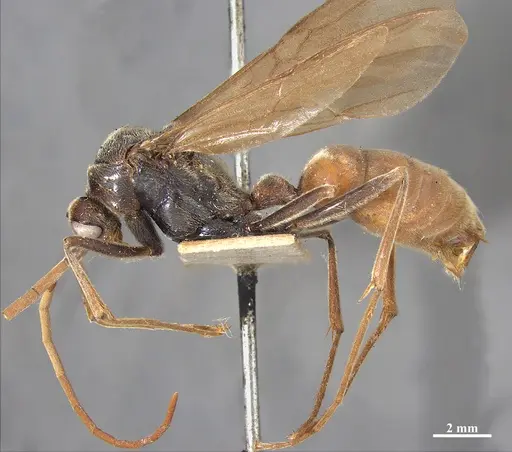
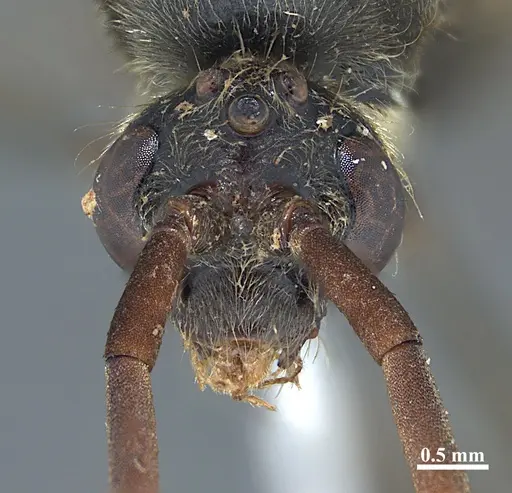
Dinoponera grandis is an ant species of the genus Dinoponera. It is primarily documented in 3 countries , including Argentina, Brazil, Paraguay. Detailed taxonomic data and occurrence records can be further explored via authoritative databases such as AntWeb or the Global Biodiversity Information Facility (GBIF).
Dinoponera grandis
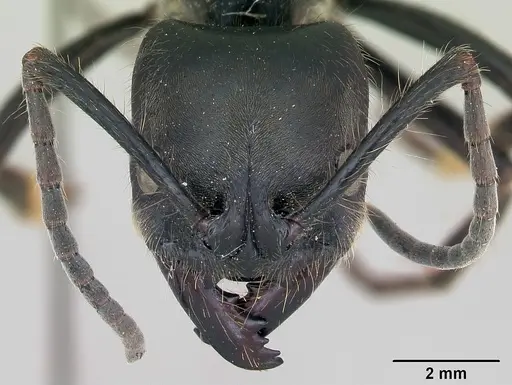
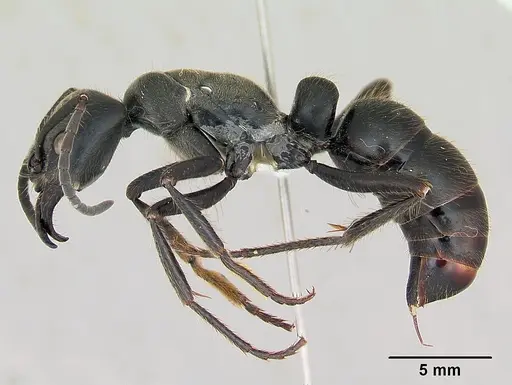
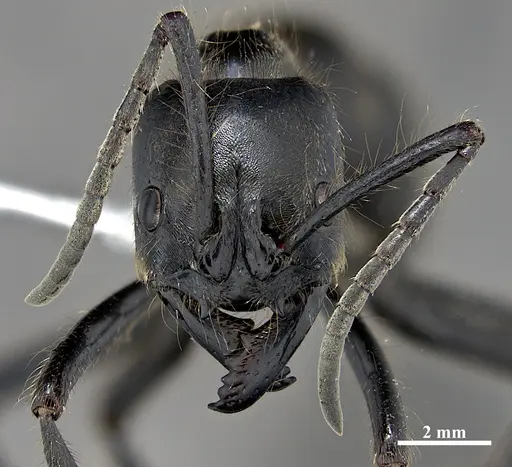
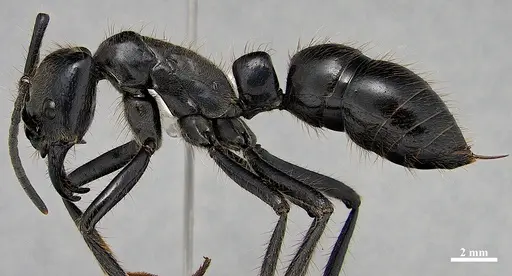
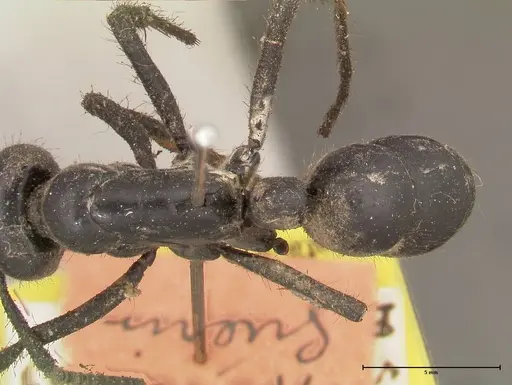
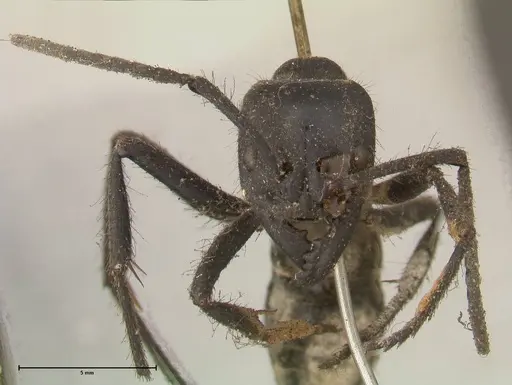
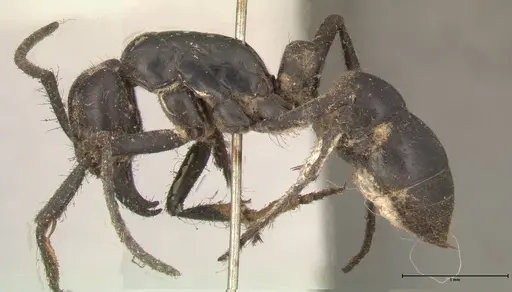
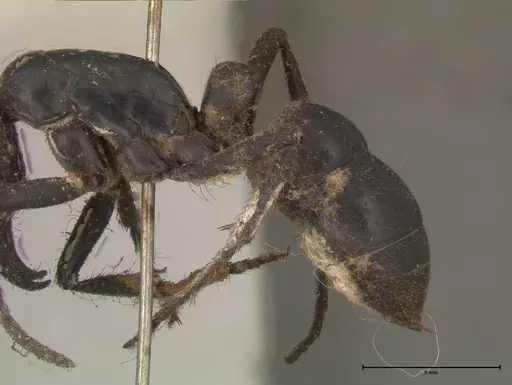
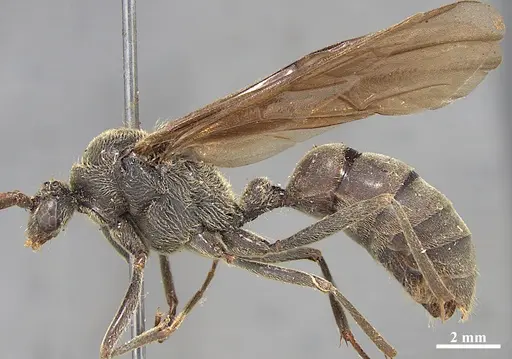
Dinoponera grandis is one of the largest ant species in the world, with workers reaching 23-29mm in length. These impressive ants are found across central and southern Brazil, Paraguay, Argentina, and Bolivia, living in underground nests that can reach 143cm deep. What makes this species truly unique is that it has completely lost the queen caste, reproduction is handled by gamergates, which are workers that can mate and lay eggs. Colonies are small, typically containing only about 14 workers, making them one of the smallest colonies in the genus. Workers are predatory, hunting insects in the leaf litter, and they forage individually without recruiting nestmates. Their venom is medically significant, causing intense pain that can last over 24 hours.
Quick Summary
- Difficulty: Medium
- Origin & Habitat: Central West, South and Southeast Brazil, Paraguay, Argentina, and Bolivia. Found in tropical and subtropical regions, nesting underground in soil (50-143cm deep) [1][2].
- Colony Type: Queenless, the true queen caste has been completely lost. Reproduction is via gamergates (reproductive workers). Single gamergate per colony, monogynous [3][4][5]. Colony size averages 14 workers [3][1].
- Special: Gamergates
- Size & Growth:
- Queen: N/A, queenless species (gamergates are reproductive workers)
- Worker: 23-29mm [6]
- Colony: Average 14 workers, up to around 80 workers in larger colonies [3][1][7]
- Growth: Moderate, small colony size limits growth rate
- Development: Estimated 6-10 weeks based on related Ponerinae species. Eggs laid August to March in their natural range [2]. (Reproductive cycle: eggs laid in August, pupae hatch by March. No eggs produced during cold/dry season (March-August) [2].)
- Antkeeping:
- Temperature: Keep at 24-27°C. This is a thermophilic species from warm regions of South America [8].
- Humidity: Moderate to high. Nest chambers are underground in soil, so provide moist substrate. Allow some drier areas for foraging space.
- Diapause: Not required in captivity. In the wild, reproduction pauses during the cooler months (March-August), but this is not a true hibernation, simply reduced activity during the dry season [2].
- Nesting: Deep soil-based nest is essential. These ants dig chambers down to 50-143cm in the wild. In captivity, provide a deep formicarium or custom setup with multiple chambers connected by tunnels. A naturalistic setup with soil and flat stones works well.
- Behavior: Workers are solitary foragers, they do not recruit nestmates to food sources or use chemical trails. Each worker tends to specialize in a particular foraging route, showing high route fidelity. They are aggressive toward members of other colonies and will defend their territory. Workers possess a painful sting and should be handled with care. They are primarily predatory on insects but will also scavenge and occasionally collect diaspores (seeds). Escape prevention is straightforward as they are large ants, but they can climb smooth surfaces.
- Common Issues: Small colony size means slow population growth, don't expect rapid expansion, Venomous sting causes intense pain lasting 8-24 hours, handle with extreme care, Deep nesting requirement means standard formicariums are inadequate, they need depth, Solitary foraging means no recruitment, food discovery is limited to what foragers encounter, Cold/dry season triggers reproductive pause, don't be alarmed if no eggs appear for several months
Housing and Nesting
Dinoponera grandis requires deep nesting space, this is non-negotiable. In the wild, they dig nests reaching 50-143cm deep with multiple chambers connected by tunnels. Standard formicariums with shallow chambers are inadequate. You will need to create a deep soil-based setup, either a custom-built deep formicarium or a modified setup with at least 30-40cm of depth. Fill with a mix of soil and sand (70/30 ratio) to allow them to dig chambers. Place a water reservoir or humidity chamber at one end to maintain moisture. Add flat stones or pieces of bark on the surface as foraging platforms. Because colonies are small, you don't need enormous space, focus on vertical depth rather than horizontal area. Escape prevention is straightforward since they are large ants, but ensure the outworld has high walls and consider coating the upper rim with fluon as a precaution. [1][2]
Feeding and Diet
These are predatory ants that hunt insects in the leaf litter. In captivity, their primary food should be live insects appropriate to their size, crickets, mealworms, roaches, and other arthropods. They are skilled hunters that tackle prey up to medium-sized. Offer prey items twice weekly, removing any uneaten insects after 24 hours. They will also accept scavenged protein and occasionally diaspores (seeds), but live prey should form the bulk of their diet. A sugar source like honey or sugar water can be offered occasionally but is not required, these are primarily carnivorous. The small colony size means they don't need large quantities of food. A single cricket or equivalent prey item per 3-4 workers is sufficient. [2]
Temperature and Seasonal Care
Keep your colony at 24-27°C. This species is thermophilic, coming from warm regions of South America where median annual temperatures are around 25°C. A heating cable or mat on one side of the nest can help maintain warmth, but always provide a temperature gradient so workers can choose their preferred zone. During the cooler months (roughly March to August in the Southern Hemisphere), reproduction naturally pauses in wild colonies, expect your gamergate to stop laying eggs during this period. This is not a true diapause but rather a response to seasonal conditions. You do not need to simulate hibernation, but maintaining slightly cooler temperatures (around 22°C) during this period is acceptable. Activity levels will decrease but the colony should remain healthy. [8][2]
The Queenless Colony Structure
This is one of the most fascinating aspects of Dinoponera grandis, they have completely lost the queen caste. Instead, reproduction is handled by gamergates, which are workers that have mated and developed functional ovaries. In each colony, only one gamergate (the dominant female) reproduces, she is the alpha individual in a dominance hierarchy. All workers are born totipotent, meaning any female could potentially become a gamergate, but only the dominant one reproduces. The hierarchy is maintained through aggressive interactions, and the gamergate performs most aggressive behaviors toward rival hopeful reproductives. When the gamergate dies or is removed, another worker will eventually take her place. This system means you don't need to find a queen, you can start a colony with a mated worker (gamergate) if available, or introduce a gamergate to a group of workers. [4][5][3][2]
Venom and Handling
Dinoponera grandis possesses potent venom that causes significant pain in humans. Stings produce deep, intense pain that reaches maximum intensity around 12 hours and can persist for 24 hours or more. Systemic symptoms include cold sweating, nausea, vomiting, malaise, tachycardia, fever, and chills. The venom contains over 75 unique protein components and is neurotoxic. These ants also possess a stridulatory apparatus that produces an audible sound, this is a defensive warning signal. When working with this species, use long-handled tools and avoid direct handling. If you must move workers, use gentle coaxing rather than grabbing. Keep the colony setup away from areas where accidental contact could occur. The sting is not medically dangerous for healthy adults but can be concerning for those with allergies or cardiovascular conditions. Seek medical attention if severe systemic symptoms develop. [2]
Foraging Behavior
Unlike many ants, Dinoponera grandis forages solitarily without recruiting nestmates. Workers do not use chemical trails or tandem running to direct others to food sources. Research shows that over 68% of foragers exhibit high route fidelity, each individual specializes in a particular area and follows consistent paths. This strategy allows the small colony to cover more ground efficiently. Workers search for prey in leaf litter and on the ground surface, capturing medium-sized arthropods. They are ambush predators that will actively hunt but also scavenge when available. In captivity, this means food discovery is opportunistic, place prey in the outworld and let workers find it rather than expecting recruitment. The total foraging area of wild colonies averages about 66 square meters. [2][1]
Frequently Asked Questions
Do Dinoponera grandis have a queen?
No. This species has completely lost the queen caste. Reproduction is handled by gamergates, workers that can mate and lay eggs. All workers are born totipotent and any can potentially become reproductive, but only one dominant gamergate reproduces per colony.
How big do Dinoponera grandis colonies get?
Colonies are relatively small, averaging about 14 workers. In some cases, colonies may reach up to 80 workers, but this is the upper limit. This is the smallest colony size in the genus Dinoponera.
What do Dinoponera grandis eat?
They are predatory ants that hunt insects. Feed live crickets, mealworms, roaches, and other appropriately-sized arthropods twice weekly. They will also scavenge and occasionally accept seeds, but protein from insects is essential.
How deep should I make the nest for Dinoponera grandis?
Very deep. In the wild, their nests reach 50-143cm. In captivity, provide at least 30-40cm of depth with multiple chambers connected by tunnels. Standard shallow formicariums are inadequate for this species.
Do I need to hibernate Dinoponera grandis?
No true hibernation is required. In the wild, reproduction pauses during the cooler months (roughly March to August), but activity continues. You can maintain normal temperatures year-round. A slight temperature reduction during this period is acceptable but not necessary.
Are Dinoponera grandis good for beginners?
No. This species is recommended for experienced antkeepers only. The deep nesting requirement, potent venom, small colony size, and specific dietary needs make them challenging. Additionally, obtaining a gamergate (rather than a queen) can be difficult.
How long does it take for eggs to become workers?
Based on related Ponerinae species, expect approximately 6-10 weeks from egg to worker at optimal temperature (24-27°C). The reproductive cycle in the wild runs from August (egg-laying) to March (pupae hatching).
Can I keep multiple Dinoponera grandis colonies together?
No. These ants are aggressive toward members of other colonies, with aggression increasing with distance between nests. Each colony maintains a defended territory. Keep only one colony per setup.
Why don't my ants recruit to food?
This is normal behavior. Dinoponera grandis forages solitarily without recruiting nestmates. They do not use chemical trails or tandem running. Workers discover food independently through their individual foraging routes.
References

This caresheet is licensed under CC BY-SA 4.0 .
ANTWEB1047768
View on AntWeb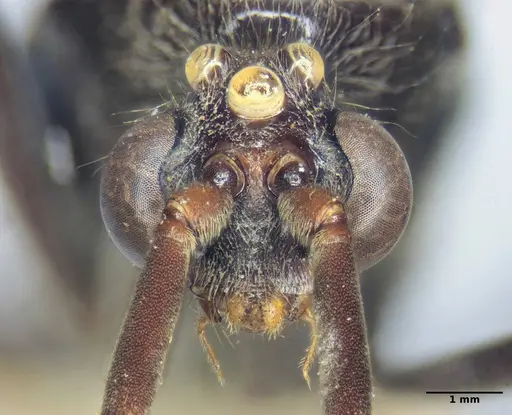
CASENT0173381
View on AntWeb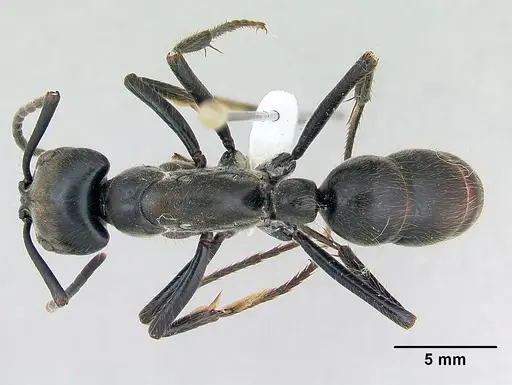
CASENT0260214
View on AntWeb
DZUP549812
View on AntWeb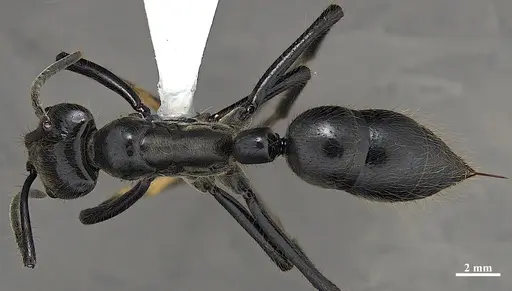
FOCOL0679
View on AntWeb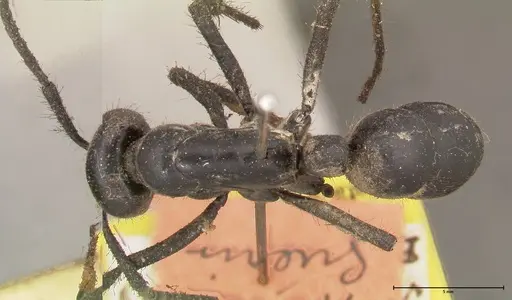
MZSP62284
View on AntWeb
MZSP65800
View on AntWeb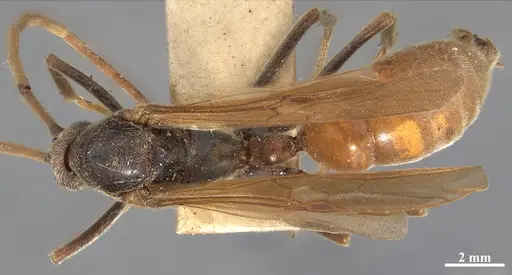
MZSP65801
View on AntWeb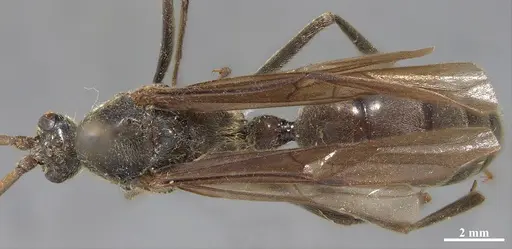
Literature
Loading...Loading products...