

Dilobocondyla cataulacoidea
- Scientific Name
- Dilobocondyla cataulacoidea
- Tribe
- Crematogastrini
- Subfamily
- Myrmicinae
- Author
- Stitz, 1911
- Distribution
- Found in 2 countries
Dilobocondyla cataulacoidea Overview
Dilobocondyla cataulacoidea is an ant species of the genus Dilobocondyla. It is primarily documented in 2 countries , including Australia, Papua New Guinea. Detailed taxonomic data and occurrence records can be further explored via authoritative databases such as AntWeb or the Global Biodiversity Information Facility (GBIF).
Dilobocondyla cataulacoidea
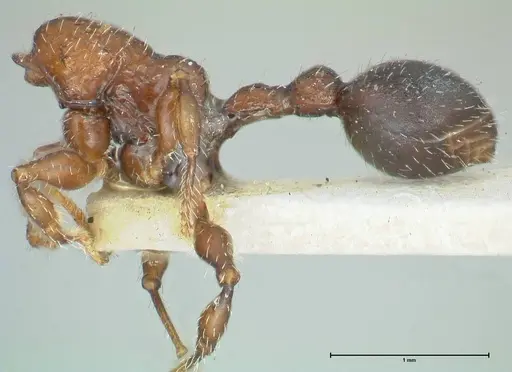
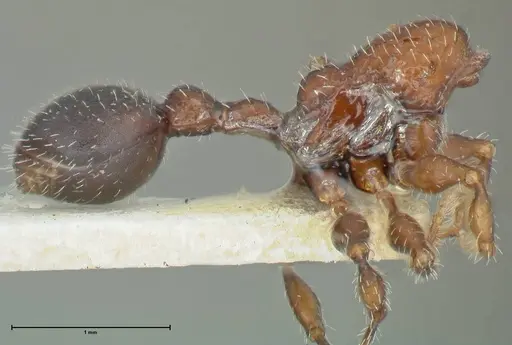
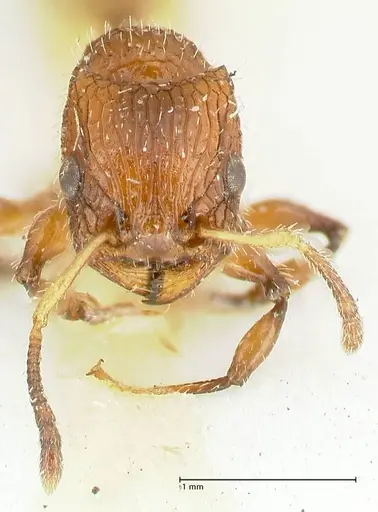
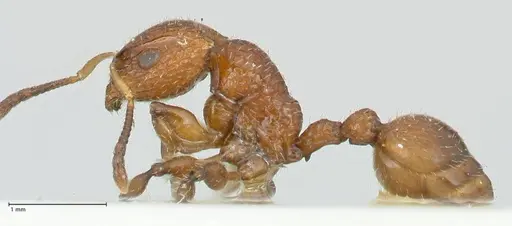
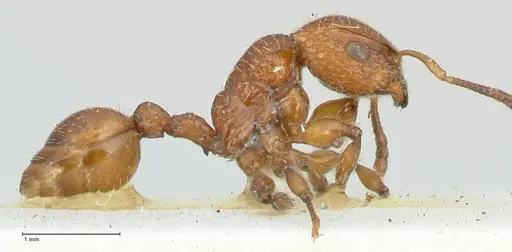
Dilobocondyla cataulacoidea is a small to medium-sized myrmicine ant native to the Australasian region, specifically Papua New Guinea and northern Australia [1][2]. Workers measure approximately 4.5mm and have a distinctive appearance with a black, longitudinally striated gaster (the rear body segment), sharp frontal carinae that extend to the back of the head, and a pronotum that is broader than long [1]. The head is longer than broad, and the mandibles have five teeth. This species was originally described in 1911 by Stitz as Dilobocondyla cataulacoidea before being moved to Dilobocondyla by Emery in 1912 [2].
These ants are arboreal nesters, with colonies found living inside hollowed-out pith channels in twigs, such as those of mangosteen trees [3][4]. They have also been recorded in Nepenthes cups, suggesting they can inhabit unusual microhabitats. The genus Dilobocondyla remains poorly studied, and this species has virtually no captive breeding history in the antkeeping hobby, making it a true specialist's species for those interested in documenting unknown behaviors.
Quick Summary
- Difficulty: Expert
- Origin & Habitat: Papua New Guinea and northern Australia, in tropical forest environments. Nests are found in arboreal locations, inside hollow plant stems and twigs [3][4].
- Colony Type: Unconfirmed colony structure. Based on related Myrmicinae patterns, likely single-queen colonies, but this has not been documented.
- Size & Growth:
- Queen: Unknown, queen has not been described in scientific literature
- Worker: Approximately 4.5mm [1]
- Colony: Unknown, no colony size data available
- Growth: Unknown, no development data exists
- Development: Unknown, no direct measurements exist. Based on typical Myrmicinae patterns in tropical arboreal ants, estimate 6-10 weeks at warm temperatures, but this is highly speculative. (No development data exists for this species. Any timeline would be a rough estimate based on related genera.)
- Antkeeping:
- Temperature: Likely needs warm, stable conditions around 24-28°C based on its tropical distribution in Papua New Guinea and northern Australia. Provide a gentle temperature gradient.
- Humidity: Requires high humidity consistent with tropical forest canopy microhabitats. Keep nest substrate consistently moist but not waterlogged. The arboreal nesting in plant stems suggests they prefer humid conditions.
- Diapause: Unknown, tropical species may not require formal hibernation, but may reduce activity during cooler periods.
- Nesting: Arboreal nester, in captivity they likely need setups that mimic hollow twigs and stems. Y-tong (AAC) nests or plaster nests with narrow chambers work well. Provide small-diameter tunnels scaled to their 4.5mm worker size.
- Behavior: Behavior is poorly documented. They are arboreal nesters that live inside plant stems, suggesting a peaceful, non-aggressive colony structure typical of many tree-dwelling ants. Escape risk is moderate, at 4.5mm they are not tiny but can still squeeze through small gaps. Use standard escape prevention. Foraging style is unknown but likely involves searching through plant material and possibly tending honeydew-producing insects.
- Common Issues: this species has no captive breeding history, expect a steep learning curve with no established husbandry protocols, no development data exists, colonies may fail without keepers understanding why, wild-caught colonies may carry parasites or pathogens that are poorly understood, temperature and humidity requirements are inferred, not confirmed, trial and error may be necessary, very few sources of information mean keepers must be prepared to document their own observations
Natural History and Distribution
Dilobocondyla cataulacoidea is native to the Australasian region, specifically Papua New Guinea and northern Australia [1][2]. The species was originally described in 1911 by Stitz from specimens collected in Kaiser-Wilhelmsland (modern-day Papua New Guinea), with a synonym described by Viehmeyer in 1914 (concolor) that was later synonymized by Taylor in 1991 [2].
In their natural habitat, these ants are arboreal nesters. Colonies have been found living inside the hollowed-out pith channels of twigs, specifically documented in mangosteen tree twigs in Singapore [3][4]. This nesting preference for small, enclosed plant structures suggests they prefer tight, enclosed spaces similar to their natural twig nests. They have also been recorded as single specimens in Nepenthes (pitcher plant) cups, indicating they can occasionally inhabit unusual microhabitats [3][4].
The genus Dilobocondyla belongs to the tribe Crematogastrini within the Myrmicinae subfamily. The workers have distinctive morphological features including a black gaster with longitudinal striations, sharp frontal carinae extending to the posterior corners of the head, and a pronotum that is broader than long [1].
Housing and Nest Preferences
Based on their natural history as arboreal nesters in plant stems, these ants need captive setups that mimic their natural twig-nesting environment. Y-tong (AAC) nests or plaster nests with narrow, horizontal chambers work well for this species. The chambers should be sized appropriately for their 4.5mm worker size, not too large or open, as they naturally live in tight plant stem interiors.
Because they nest in plant material, providing some natural elements like small twigs or cork can help them feel at home. However, artificial nests are easier to maintain and observe. Avoid tall, open spaces, these ants prefer tight, enclosed quarters similar to what they would find in a natural twig.
Escape prevention is important, while not among the smallest ants, they can still squeeze through small gaps. Use well-fitting lids and check for any small openings in your setup.
Temperature and Humidity Requirements
As a tropical species from Papua New Guinea and northern Australia, Dilobocondyla cataulacoidea likely requires warm and humid conditions. Based on their geographic range, aim for temperatures in the range of 24-28°C, which is typical for tropical arboreal ants. Provide a gentle temperature gradient so the ants can choose their preferred microclimate.
Humidity should be kept relatively high, consistent with the humid tropical forest canopy where they naturally live. Keep the nest substrate consistently moist but not waterlogged, the goal is damp conditions, not standing water. The arboreal nesting in plant stems suggests they are adapted to humid microenvironments without being in direct contact with water.
Since this species has no captive history, you may need to adjust conditions based on colony behavior. If workers are consistently clustered in one area, they may be seeking different temperature or humidity conditions. Document your observations to help build husbandry knowledge for this rarely kept species.
Feeding and Nutrition
The natural diet of Dilobocondyla cataulacoidea is not documented in scientific literature. As a member of the Myrmicinae subfamily within the Crematogastrini tribe, they likely have a typical omnivorous diet similar to related genera, potentially including small insects, honeydew, and nectar.
For captive care, offer a varied diet including sugar sources (honey water or sugar water) and protein sources (small insects like fruit flies, pinhead crickets, or mealworms). Start with small prey items appropriate for their 4.5mm worker size. Since their natural nesting in plant stems suggests they may forage in canopy environments, they might accept honeydew or nectar sources more readily than some ground-nesting species.
Feed protein 2-3 times per week and keep sugar water available at all times. Remove uneaten prey after 24-48 hours to prevent mold. As with any species with no captive history, some experimentation may be needed to determine preferred foods.
Colony Development and Growth
This is one of the least documented aspects of Dilobocondyla cataulacoidea. No scientific papers exist on colony size, development timeline, or reproductive behavior for this species. The queen has not been described in the scientific literature, so we have no information on her size or morphology.
Based on typical Myrmicinae patterns for tropical arboreal species, you might expect development from egg to worker to take approximately 6-10 weeks at optimal warm temperatures (around 26°C). However, this is a rough estimate based on related genera, not confirmed data for this specific species.
Colony sizes in the wild are unknown. Given their small twig-nesting behavior, colonies are likely smaller than ground-nesting species, possibly in the range of dozens to a few hundred workers, but this is purely speculative. Be patient with colony growth, without established protocols, development may be slower than expected.
Frequently Asked Questions
How difficult is Dilobocondyla cataulacoidea to keep?
This is an expert-level species due to virtually no captive breeding history. There are no established husbandry protocols, and keepers must be prepared to document their own observations. Expect a steep learning curve with potential trial-and-error in housing, feeding, and environmental conditions.
What do Dilobocondyla cataulacoidea ants eat?
Their natural diet is not documented, but based on related Myrmicinae, they likely accept sugar sources (honey water) and small protein (fruit flies, small crickets). Start with varied offerings and observe what they prefer.
What temperature should I keep Dilobocondyla cataulacoidea at?
Based on their tropical distribution in Papua New Guinea and Australia, aim for 24-28°C. Provide a gentle gradient so they can choose their preferred temperature.
How long does it take for Dilobocondyla cataulacoidea to produce workers?
Unknown, no development data exists for this species. Based on typical tropical Myrmicinae, estimate 6-10 weeks from egg to worker at warm temperatures, but this is highly speculative.
What type of nest does Dilobocondyla cataulacoidea need?
They are arboreal nesters that naturally live in hollow plant stems and twigs. Y-tong (AAC) nests or plaster nests with narrow chambers work well. Avoid large, open spaces.
Do Dilobocondyla cataulacoidea ants sting?
Myrmicinae ants have the ability to sting, but the sting of this small species is unlikely to penetrate human skin. They are not considered dangerous to humans.
How big do Dilobocondyla cataulacoidea colonies get?
Unknown, no colony size data exists. Based on their twig-nesting behavior, colonies are likely smaller, possibly in the dozens to a few hundred workers range.
Can I keep multiple Dilobocondyla cataulacoidea queens together?
Unknown, colony structure has not been documented. Without data, it is not recommended to combine unrelated queens as this has not been studied for this species.
Do Dilobocondyla cataulacoidea need hibernation?
Unknown, as a tropical species from Papua New Guinea and Australia, they likely do not require formal hibernation. They may reduce activity during cooler periods.
Where does Dilobocondyla cataulacoidea come from?
They are native to Papua New Guinea and northern Australia in the Australasian region [1][2].
References

This caresheet is licensed under CC BY-SA 4.0 .
FOCOL1969
View on AntWeb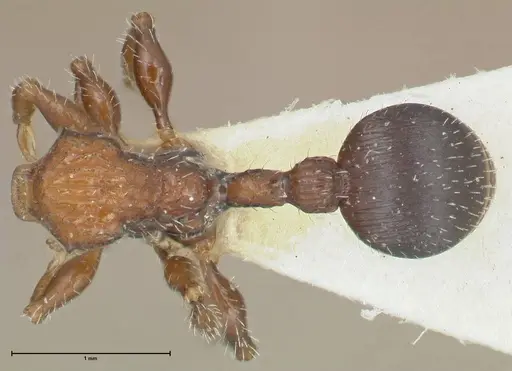
FOCOL1970
View on AntWeb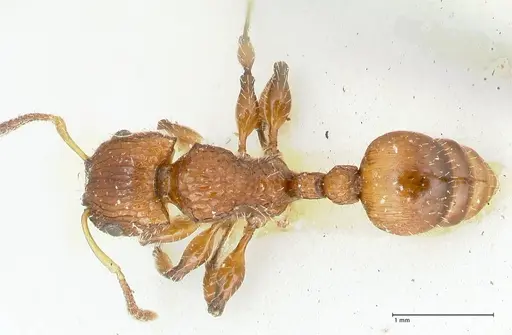
Literature
Loading...Loading products...